
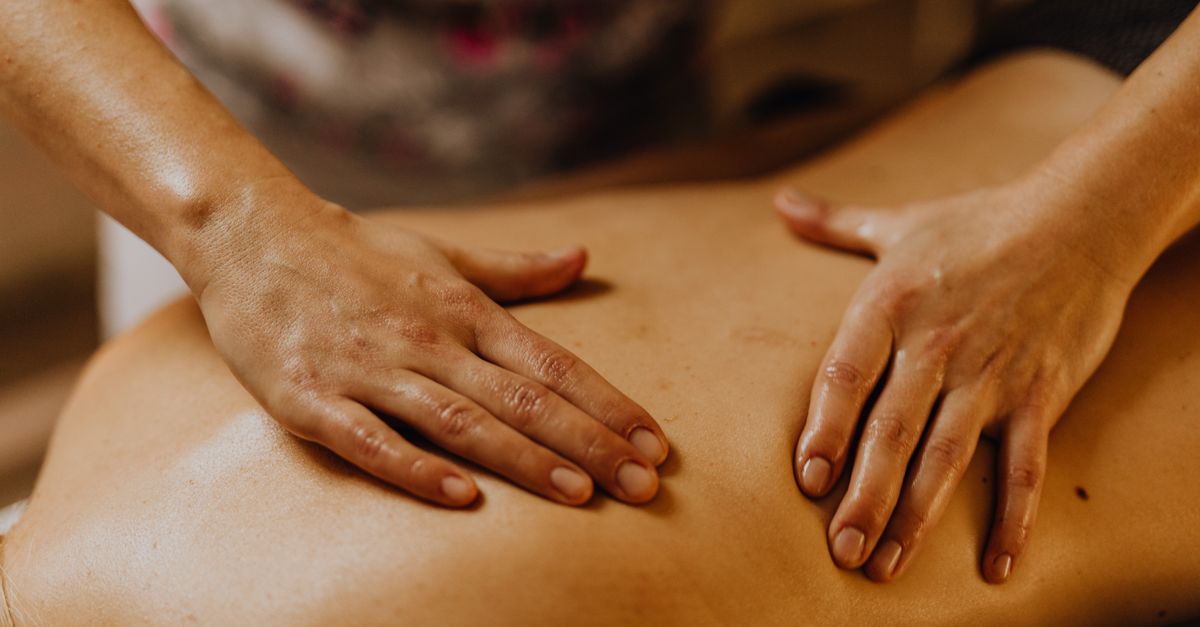
You should not massage a back spasm hard while it is at its peak, because deep pressure on a contracting muscle can increase pain and guarding. Light massage on the muscles around the spasm can help once the sharpest pain starts to ease, usually alongside gentle heat and easy movement. Massage is not appropriate if the spasm comes with numbness, leg weakness, bladder or bowel changes, fever, or follows a fall or accident. Those symptoms need prompt medical evaluation.
One moment you are reaching for a laundry basket or getting out of the car. The next, your lower back locks up so tightly that standing straight feels impossible, and you are left wondering whether you should massage a back spasm or leave it alone. The honest answer depends on timing, pressure, and what else is happening in your body. Pressing hard on the knot is the first instinct, but it is not always the best first move.
This guide is for anyone dealing with a sudden lower back spasm at home who wants to ease it safely without making it worse. It is also for anyone unsure which symptoms mean massage should wait and a doctor should take a look first. You will find what a back spasm actually is, why heat and gentle movement come before pressure, how light massage helps the surrounding muscles, and which red flags need medical care right away.
What Is a Back Spasm?
The Cleveland Clinic describes a back spasm as an involuntary contraction or tightening of the muscles in the back. The muscle clamps down and does not let go on command. That is why a spasm can feel like a fist or a hard cord running alongside the spine.
What Happens Inside the Muscle
The lower back is supported by layers of muscle, including the erector spinae running along the spine and the quadratus lumborum deeper toward the sides. When one of these muscles is strained, fatigued, or suddenly loaded, it can tighten as a protective response. This guarding reflex limits movement to shield the area from further strain.
A sustained contraction squeezes the small blood vessels inside the muscle. Less blood flow means less oxygen reaching the tissue and slower clearing of metabolic byproducts. This can keep the muscle irritated and tight, creating a cycle of pain and tension.
Common Triggers of a Lower Back Spasm
Back spasms rarely come out of nowhere. They often follow a load the muscle was not ready for, or a long stretch of stillness. Typical triggers include:
- Lifting, twisting, or bending awkwardly, especially when lifting while rotating
- Long periods of sitting, which leave the lower back muscles inactive and stiff
- Sudden activity after a sedentary week, such as yard work or moving furniture
- Muscle fatigue from poor posture at a desk or behind the wheel
- Dehydration or low electrolyte levels, which can affect muscle contraction
- An underlying problem such as a herniated disc irritating nearby nerves
Spasm Versus a Structural Problem
A spasm is sometimes the main problem and sometimes a symptom of something else. A disc issue, a compressed nerve, or arthritis in the spine can all cause surrounding muscles to tighten protectively. When the spasm is a reaction to a deeper problem, massaging the muscle may ease tension temporarily but will not address the source. Pain that travels down the leg, numbness, or weakness are signs that more than a muscle may be involved.
Heat and Gentle Movement Come First
In the first hours of a back spasm, the goal is to calm the muscle rather than force it to release. Heat and small, easy movements usually do this better than deep pressure. Cold packs can help if the spasm followed a clear strain and the area feels tender or inflamed, while heat helps tight muscle relax.
Bed rest for days is generally not the answer. Staying completely still can let the muscles stiffen further, so light, pain-limited movement tends to help the spasm loosen sooner. Helpful early steps include:
- Apply a heating pad or warm compress on low to medium heat for 15 to 20 minutes, with a cloth layer between the pad and your skin.
- Take short, slow walks around the house every hour or so, stopping before pain sharpens.
- Lie on your back with your knees bent and gently rock your knees side to side through a small range.
- Try a pelvic tilt by flattening your lower back against the floor, holding for a few seconds, then relaxing.
- Avoid lifting, bending deeply, or twisting until the spasm settles.
Never sleep on a heating pad, and skip heat on skin with reduced sensation. If you have diabetes or neuropathy, check with your care team about safe heat use, since reduced feeling can make burns harder to notice.
Should You Massage a Back Spasm?
Massage can help, but the type and timing matter. Light, broad pressure on the muscles surrounding the spasm is generally more useful than digging into the tightest spot while it is still locked. Think of it as encouraging the area to relax rather than forcing the knot apart.
Why Deep Pressure Can Backfire Early On
A muscle in spasm is already in protective mode. Aggressive pressure on that muscle can trigger more guarding, which is the opposite of what you want. It can also aggravate an underlying strain.
For the first day or two, gentle is the rule. Pressure is too much if:
- You find yourself holding your breath or bracing against it
- Pain spikes rather than easing as you continue
- The muscle feels harder or tighter afterward instead of looser
How Light Massage Helps the Surrounding Muscles
When the lower back locks up, the glutes, hips, and upper back often tighten in response. Gentle massage on these neighboring areas increases local blood flow and helps the broader region relax. It can also ease the stiffness that builds when you have been moving cautiously for a day or two. If you want a manual approach, this step-by-step back massage technique for home walks through hand positions and pressure.
Where Oscillating Massage Fits
Many body massagers are sold as vibration massagers. MedMassager uses oscillating technology to deliver deeper, more controlled vibration than conventional massagers. The MedMassager Body Massager for lower back muscles oscillates in a circular motion through a large, soft, cushioned pad that contours to the body. For people living with back pain, oscillation penetrates deep muscle layers, increasing local blood flow in muscles affected by prolonged sitting.
Because intensity is adjustable, you can start at a low setting on the muscles around the spasm and stay there until the area tolerates more. The Body Massager is an FDA-registered Class I medical device, and it works as a complement to heat, movement, and whatever your doctor has recommended, not as a replacement for medical care.
How to Massage a Back Spasm Safely
Once the sharpest pain has started to ease and you have ruled out the red flags below, these steps give you a safe framework. They apply to hand massage and to a handheld body massager with adjustable intensity. With the Body Massager, the circular oscillating action creates continuous, repetitive movement in the back muscles, which supports local blood flow during use.
Step-by-Step Routine
- Warm up first. Apply heat for 10 to 15 minutes to relax the tissue before any massage.
- Get into a supported position. Sit upright in a chair or lie on your side with a pillow between your knees. With the Body Massager, you can also rest the cushioned pad between your back and the back of a chair.
- Start beside the spasm, not on it. Begin on the glutes, the sides of the hips, or the muscles above the painful spot.
- Use the lowest setting. Start with about 10 minutes at the lowest setting, once or twice a day.
- Move closer gradually. If the surrounding area feels better after a session or two, slowly work toward the tight muscle with light pressure.
- Stop if pain sharpens. Mild discomfort that eases is acceptable. Pain that spikes, radiates down the leg, or lingers after the session means stop.
- Follow with movement. Take a short walk or do a few pelvic tilts afterward to keep the muscle from stiffening again.
Who Should Check With a Doctor First
Ask your own care team before using massage on a back spasm if you are pregnant, have osteoporosis, take blood thinners, have had recent spine surgery, or have a known disc or nerve condition. These situations do not always rule out massage, but pressure and placement may need adjustment. If you are comparing devices, the full MedMassager catalog lists each product; the Body Massager Classic and Plus are the oscillating models used on the back.
Red Flags That Need Medical Care
Most muscle spasms in the lower back ease with time, heat, and gentle movement. Some symptoms, though, point to nerve compression, infection, or injury that massage cannot address and may worsen. Do not massage the area, and seek care promptly, if a back spasm comes with any of the following:
- Numbness or tingling in the groin, buttocks, or inner thighs
- New trouble controlling your bladder or bowels, or difficulty urinating
- Fever, chills, or feeling generally unwell along with back pain
- Weakness in one or both legs, or a foot that drags or slaps when you walk
- Pain that started after a fall, car accident, or other trauma
- Pain that is worse at night or at rest, or comes with unexplained weight loss
- A history of cancer, a weakened immune system, or recent infection
Saddle numbness combined with bladder or bowel changes can signal cauda equina syndrome, a compression of the nerve roots at the base of the spine. This is a medical emergency, so go to an emergency room rather than waiting for an appointment. For less urgent cases, see a doctor if a spasm is not improving after a week or two, keeps returning, or limits your daily activities.
Frequently Asked Questions
Is it okay to massage a back spasm right away?
Deep massage directly on a back spasm at its worst is usually not a good idea, because firm pressure can increase muscle guarding and pain. Light, broad pressure on the surrounding muscles is a gentler option in the early stage. Start with heat and easy movement, then add massage as the sharpest pain begins to ease.
How long does a back spasm usually last?
A simple muscle spasm in the lower back often eases within a few days and improves further over one to two weeks. Recovery time depends on the cause and how much strain the muscle took. A spasm that is not improving after a week or two, or keeps coming back, should be evaluated by a doctor.
Is heat or ice better for a back spasm?
Heat is generally better for relaxing a tight, contracted muscle, and it is a useful step before any massage. Ice can help when a spasm follows a clear strain and the area feels tender or inflamed. Use either for 15 to 20 minutes at a time with a cloth barrier against your skin.
Can a vibrating massager help a back spasm?
A vibrating massager can help relax the muscles around a back spasm when used gently and at a low setting. MedMassager uses oscillating technology to deliver deeper, more controlled vibration than conventional massagers, and the Body Massager oscillates in a circular motion through a cushioned pad. Oscillation penetrates deep muscle layers, increasing local blood flow in muscles affected by prolonged sitting. Start beside the spasm rather than on it, and stop if the pain sharpens.
Should you stretch a back spasm?
Gentle, pain-free movement helps, but forceful stretching during an active spasm can make the muscle tighten further. Small movements like pelvic tilts, knee rocking, and short walks are safer early options. Save deeper stretches for when the spasm has clearly started to release.
When is a back spasm an emergency?
A back spasm is an emergency if it comes with numbness in the groin or inner thighs, new bladder or bowel control problems, or sudden leg weakness. These can signal serious nerve compression. Fever with back pain, or pain after a fall or accident, also needs prompt medical evaluation.
The Bottom Line on Back Spasm Massage
So, should you massage a back spasm? Yes, with care: skip deep pressure while the muscle is locked, start with heat and gentle movement, and use light massage on the surrounding muscles once the sharpest pain eases. Always rule out red flags like numbness, bladder or bowel changes, fever, and leg weakness before using massage at all.
If you want an adjustable option for the muscles around your lower back, explore the MedMassager Body Massager collection. Its circular oscillating action creates continuous, repetitive movement in the back muscles, which supports circulation during use, and your care team can help you decide how it fits into your plan.
This content is for informational purposes only and is not intended as medical advice, diagnosis, or treatment. Always consult a qualified healthcare professional before starting any new treatment or therapy. MedMassager products are FDA-registered Class I medical devices.


