
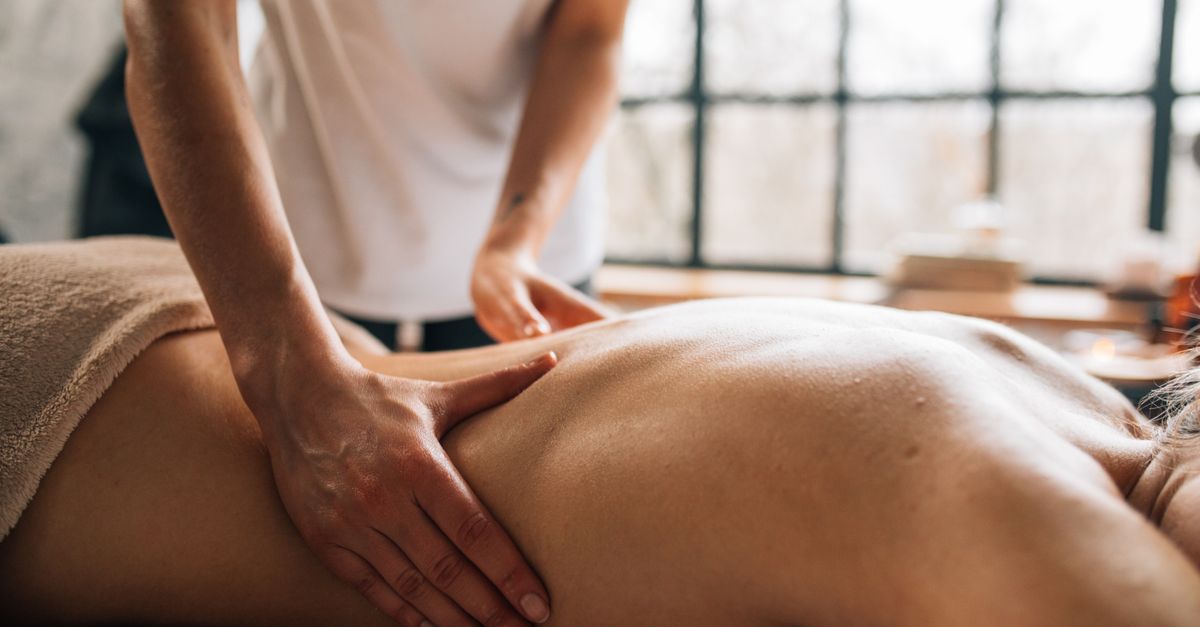
The best massager for muscle knots applies steady, adjustable pressure across a broad area instead of driving a single hard point into tender tissue. Oscillating massagers with a large cushioned pad, such as the MedMassager Body Massager, move the muscle around a knot in a circular motion and increase local blood flow without jabbing the sore spot. Massage guns, massage balls, and shiatsu massagers can also work, but each one gives up some control, coverage, or comfort. The right choice depends on where your knots form and how sensitive those areas are.
You reach back to rub the spot between your shoulder blades and find it again: a tight, tender lump that has been there for weeks. If you are shopping for the best massager for muscle knots, you have probably already tried stretching, a tennis ball against the wall, or a few minutes with a friend's massage gun. Those can help. The device you choose still matters, because knots sit in tissue that is already sensitive and reacts poorly to the wrong kind of pressure.
This guide is for people who want a tool they will actually use at home for knots in the back, shoulders, and legs. If you want hands-on methods like stretching and self-massage technique, our guide on how to get rid of muscle knots covers those in detail. This article focuses on equipment. It covers what knots are, how the four main massager types compare, which features matter, and how to use a body massager on common problem areas.
What Are Muscle Knots, Exactly?
"Muscle knot" is the everyday name for a small, tight, tender area inside a muscle. The muscle is not tied in a literal knot. A band of fibers stays contracted when it should relax, and the spot often feels like a firm bump or ridge under your fingers.
Trigger Points and Referred Pain
Clinicians often call these spots myofascial trigger points. Mayo Clinic describes myofascial pain syndrome as a chronic pain disorder in which pressure on sensitive points in the muscles, called trigger points, causes pain in the muscle and sometimes in seemingly unrelated parts of the body. That second part, referred pain, explains why a knot in your upper shoulder can make the side of your head ache.
Referred pain matters when you shop for a massager. The spot that hurts is not always the spot that needs attention. A device that covers a wider area is more likely to reach the actual source than one that only treats the exact point you can feel.
Where Knots Commonly Form
Knots tend to show up in muscles that hold a posture for long periods or repeat the same motion all day. Common locations include:
- The upper trapezius, along the top of the shoulders
- Between the shoulder blades, in the rhomboids
- The lower back, beside the spine
- The glutes and outer hips
- The calves, hamstrings, and thighs
What Contributes to Knots
Long hours at a desk, looking down at a phone, carrying a bag on one shoulder, and repetitive work tasks all keep certain muscles under steady load. Stress adds to this, since many people tense their shoulders and jaw without noticing. Muscles that stay contracted for long stretches get less fresh blood moving through them, and that tight, under-circulated tissue is where knots tend to settle.
Comparing Massager Types for Muscle Knots
Four device categories dominate searches for massagers for knots and trigger points. Each applies force differently, and that difference decides how well it handles tender tissue.
Massage Guns
A massage gun drives a small attachment head into the muscle with rapid, repeated strikes. Because the contact area is small, the force concentrates on one point. Some people like that intensity on large, dense muscles.
Over a knot that is already tender, though, focused strikes can feel sharp, and many users end up guarding against the device instead of relaxing into it. Massage guns also take some reach and awkward positioning to use on your own upper back.
Massage Balls and Foam Rollers
Massage balls and rollers use your body weight as the pressure source. They are inexpensive and can be precise, which is why physical therapists often suggest them. The tradeoff is control. Leaning into a ball against a wall or the floor makes pressure hard to adjust, and getting onto the floor is not realistic for everyone, especially older adults or anyone with hip or knee limitations.
Shiatsu Massagers
Shiatsu massagers use rotating nodes inside an enclosed housing, often with heat, to mimic kneading. They suit people who want a hands-free kneading feel on the neck or back. The kneading lands wherever the nodes sit, though, so the device works best when your knot happens to line up with them.
Oscillating Massagers
Many people describe this category as a vibration massager, and that is roughly what it feels like in use. MedMassager uses oscillating technology to deliver deeper, more controlled vibration than conventional massagers. The Body Massager oscillates in a circular motion through a large, soft, cushioned pad that contours to the body, so the movement spreads across the muscle instead of striking one point.
Here is how the four types compare on the factors that matter most for knots:
- Contact area: Massage guns and balls are narrow. Shiatsu nodes fall in between. An oscillating pad is broad and contoured.
- Pressure control: Balls depend on body weight, which is hard to fine-tune. A handheld oscillating massager with variable speed lets you set the level.
- Comfort on tender spots: Pointed force tends to feel harsher. Steady, spread-out movement tends to be easier to tolerate.
- Solo use on the back: Balls and guns need awkward positioning. A pad can rest between your back and a chair.
Why Steady Oscillation Suits Tender Knots
A knot is a sensitive spot inside a larger muscle that is usually tight as a whole. That makes the surrounding tissue as important as the knot itself, and it is where a broad, oscillating pad has an advantage.
Broad Contact vs. Single-Point Pressure
When force lands on one small point, the muscle often tightens in response, which works against what you are trying to do. Spreading the movement over a wider surface lets the whole region move without overloading the most tender spot. The circular oscillating action of a pad works the tissue around the knot as well as the knot, which also helps when referred pain makes the true source hard to pinpoint.
Blood Flow Around the Knot
Tight muscle that stays contracted for hours has less blood moving through it. For knots in the lower and mid back, oscillation penetrates deep muscle layers, increasing local blood flow in muscles affected by prolonged sitting. For knots along the neck and shoulders, mechanical movement stimulates muscle tissue, helping circulate blood through areas that commonly tighten.
This is why steady, sustained movement matters more than raw intensity. Several minutes of rhythmic motion across the area gives the tissue time to respond.
Where the Body Massager Fits
The MedMassager Body Massager, available as the Classic and the Plus, is an FDA-registered Class I medical device built around this approach. Its main features for knot relief include:
- A large, soft, cushioned massage pad that forms to the curves of your back, shoulders, and legs
- Easy-to-hold, slip-resistant handles for applying the pad yourself
- Variable speed, so you can start gently on tender spots and increase from there
- A circular oscillating motion that spreads movement across the muscle instead of striking one point
You can compare both models in the MedMassager Body Massager collection.
Choosing the Best Massager for Muscle Knots
Before you buy, think about where your knots show up, how sensitive they are, and whether you will realistically use the device several times a week.
Features That Matter Most
- Adjustable intensity. Knots vary from mildly stiff to sharply tender. A wide intensity range lets you start low and build up as the tissue tolerates more.
- Contact surface. A broad, cushioned surface covers the knot and the surrounding muscle. Small, hard heads concentrate force.
- Reach without strain. If your knots are in your upper or mid back, choose something you can use without twisting or asking for help.
- Versatility. Knots rarely stay in one place. A device that works on the back, shoulders, hips, and legs gets more use.
- Medical device status. A registered Class I medical device is listed with the FDA under general controls, which separates it from general consumer gadgets.
If several of these apply to you, a handheld oscillating body massager with a cushioned pad meets most of the criteria in one tool.
Matching the Device to the Area
Large muscle groups like the back, glutes, and thighs respond well to broad oscillation. Knots concentrated along the top of the shoulders and the base of the neck may call for something shaped for that area. The MedMassager Neck Massager with built-in heat uses dual-direction rotating nodes rather than oscillation. Its massage nodes mimic hand kneading on the trapezius muscle, helping loosen tissue that tightens from poor posture or extended screen time.
How to Use a Body Massager on Knots
Good technique makes a bigger difference than maximum power. The routine below is a sensible starting point for most people.
- Start on the lowest speed setting, especially if the knot is tender to the touch.
- Place the cushioned pad slightly away from the knot first, then move it over the knot gradually.
- Hold the pad on each area for roughly one to two minutes before moving on.
- Keep sessions to about 10 to 15 minutes total at first, then adjust based on how you feel the next day.
- Increase intensity only if the area feels comfortable at the current level.
- Breathe slowly and let the muscle relax under the pad rather than bracing against it.
Upper and Lower Back
For the back, sit in a chair and rest the pad between your back and the chair back, or lie down on a firm surface with the pad positioned under the tight area. Work the muscles beside the spine rather than directly on the bony ridge of the spine itself. Shift position every minute or two to cover the full muscle.
Shoulders and Shoulder Blades
Hold the Body Massager by its handles and apply the pad over the top of the shoulder and along the inner edge of the shoulder blade. Seated use works well here. Keep your arm relaxed and let the pad's weight and oscillation do the work instead of pressing hard.
Glutes, Hips, and Legs
For the glutes and hips, sit or lie on your side and apply the pad to the outer hip and buttock. For thighs and hamstrings, sit with your leg extended and place the pad on the muscle. Deep oscillation increases local blood flow in large muscle groups, supporting recovery during rest.
Calves respond well with the leg propped on a footstool and the pad applied to the back of the lower leg. If you want to see options for different body areas, browse the full range of MedMassager therapeutic massagers.
When a Massager Isn't Enough
Most muscle knots are a nuisance rather than a medical problem, and home massage is a reasonable first step. Some situations call for a professional evaluation first, and some symptoms are not knots at all.
Signs to See a Doctor
Talk to a healthcare provider before using any massager if you notice:
- Pain that spreads with numbness, tingling, or weakness in an arm or leg
- Calf pain with swelling, warmth, or redness, which can signal a blood clot
- Pain that follows a fall, accident, or sudden injury
- Pain that wakes you at night or does not ease with rest
- Knots that persist or worsen over several weeks despite home care
People Who Should Check First
If you are pregnant, take blood thinners, have a bleeding disorder, have had recent surgery, or live with a condition affecting sensation, ask your doctor whether massage is appropriate. A physical therapist can also identify the muscles involved and show you where to focus. A massager works best alongside whatever care your doctor has recommended, not in place of it.
Frequently Asked Questions
What type of massager is best for muscle knots?
A massager with adjustable intensity and a broad, cushioned contact surface suits most people with muscle knots. Broad contact works the knot and the surrounding tight muscle without concentrating force on the most tender point. Oscillating massagers with a large pad, like the MedMassager Body Massager, move tissue in a circular motion that spreads force across the muscle instead of concentrating it on one point.
Are massage guns good for muscle knots?
Massage guns can work on large, dense muscles for people who tolerate firm, focused pressure. Because the force lands on a small attachment head, it can feel sharp on knots that are already tender. Starting on a low setting and avoiding bony areas reduces discomfort.
How long should you massage a muscle knot?
One to two minutes on a single knot, within a 10 to 15 minute session for the whole area, is a reasonable starting point. Longer or more forceful sessions can leave the area sore the next day. You can adjust the duration based on how the muscle feels afterward.
Why do muscle knots keep coming back?
Knots usually return because the habits that created them continue, such as long hours of sitting, poor desk setup, repetitive tasks, or ongoing stress. Massage loosens the tissue, but the muscle tightens again under the same load. Changing your workstation, taking movement breaks, and stretching regularly help keep knots from recurring.
Can massaging a knot make it worse?
Pressing too hard or too long on a tender knot can leave the area more sore and cause the muscle to tighten defensively. Mild tenderness the next day is common, but sharp or worsening pain is a sign to ease off. If pain persists, stop and talk with a healthcare provider.
Is heat or massage better for muscle knots?
Heat and massage do different things and often work well together. Heat relaxes tight tissue and makes it more comfortable to work on, while massage moves the muscle and increases local circulation. Many people apply heat for a few minutes before massaging a stubborn knot.
Bottom Line: Best Massager for Muscle Knots
The best massager for muscle knots is one you can control, apply comfortably to tender tissue, and use regularly on every area where knots form. Massage guns and balls offer focused pressure, and shiatsu units offer a kneading feel, but a broad pad with steady circular oscillation covers the knot and the tight muscle around it at the same time.
MedMassager designed the Body Massager for exactly this kind of home use on the back, shoulders, hips, and legs. To compare the Classic and Plus models, browse the MedMassager Body Massagers for muscle knots and tension.
This content is for informational purposes only and is not intended as medical advice, diagnosis, or treatment. Always consult a qualified healthcare professional before starting any new treatment or therapy. MedMassager products are FDA-registered Class I medical devices.


