
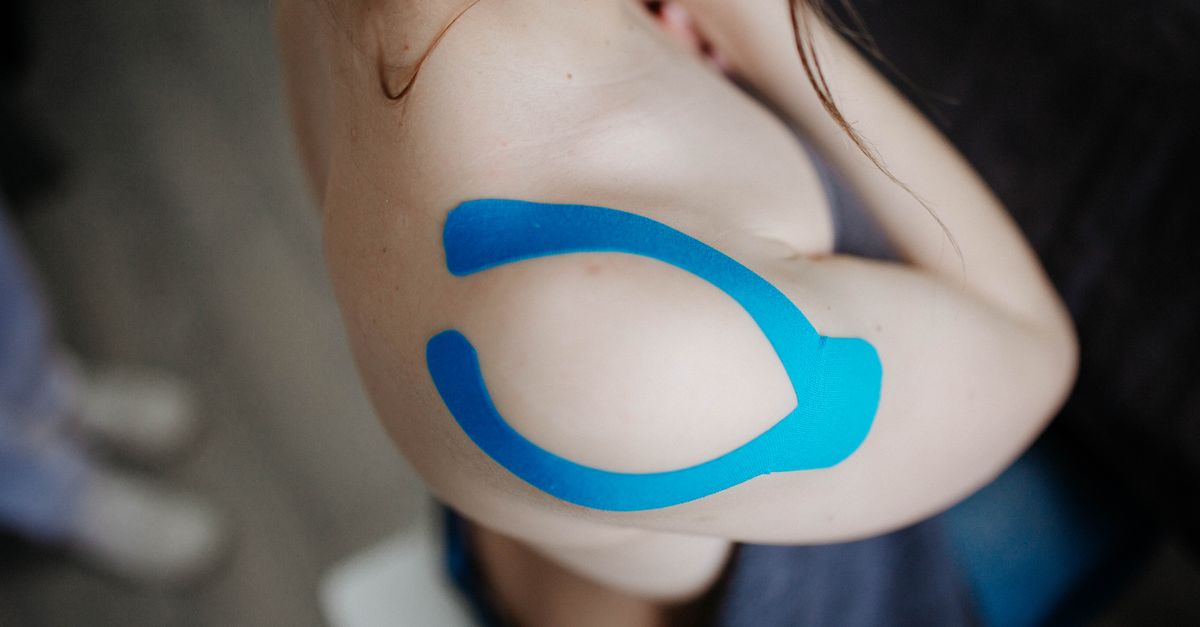
Deltoid pain is pain in the rounded muscle that caps the shoulder, and it usually comes from overuse soreness, a muscle strain, or pain referred from an irritated rotator cuff tendon underneath. The deltoid has three parts (front, middle, and back), and the location of your pain and the movements that trigger it help point to the cause. Mild soreness and strains usually improve with rest, gentle stretching, and gradual return to activity. Night pain, weakness lifting the arm, or pain that persists beyond two weeks should be evaluated by a clinician.
You reach up to grab a dish from the top shelf, pull on a jacket, or lift a carry-on into an overhead bin, and a sharp or aching pain flares across the outside of your shoulder. Deltoid pain can make simple daily movements feel difficult, and it is not always obvious whether you strained the muscle or something deeper is going on. This guide is for anyone dealing with an achy, tender, or weak shoulder cap: people who do overhead work, people who lift and carry for a living, and anyone who woke up with a sore shoulder and no clear reason why.
Telling ordinary muscle soreness apart from a strain or a rotator cuff problem matters, because each one calls for a different response. The sections below cover how the three parts of the deltoid work, how to tell soreness from strain from referred pain, the main causes, stretches that help, how to use massage on the area, and the warning signs that need a clinician.
Anatomy of the Shoulder Cap Muscle
The deltoid is the thick, triangular muscle that gives the shoulder its rounded shape. It wraps over the front, side, and back of the shoulder joint and sits on top of the rotator cuff tendons and the subacromial bursa, a small fluid-filled sac that reduces friction under the bony tip of the shoulder.
The deltoid is divided into three sections, often called heads. All three join into a single tendon that attaches to the deltoid tuberosity, a roughened spot on the outer surface of the upper arm bone (humerus), roughly halfway down. The axillary nerve supplies all three heads.
Anterior Deltoid (Front)
The anterior deltoid starts on the outer third of the collarbone. It lifts your arm forward, as when you reach for a steering wheel or raise a cup to your mouth, and it helps rotate the arm inward. Pain here tends to show up with pushing, forward reaching, and lifting objects in front of the body.
Lateral Deltoid (Middle)
The lateral, or middle, deltoid starts on the acromion, the bony shelf at the top of the shoulder. It lifts your arm out to the side. The supraspinatus, one of the rotator cuff muscles, helps start that movement, and the middle deltoid takes over as the arm rises. Because the two muscles share this job, pain on the outside of the shoulder during side-lifting can come from either one.
Posterior Deltoid (Back)
The posterior deltoid starts on the spine of the shoulder blade (scapula). It pulls the arm backward and helps rotate it outward. It works during rowing and pulling motions and when you reach behind you for a seatbelt.
A quick summary of what each part does:
- Front deltoid: raises the arm forward and rotates it inward
- Middle deltoid: lifts the arm out to the side
- Back deltoid: pulls the arm backward and rotates it outward
Soreness, Strain, or Rotator Cuff Pain?
Pain felt in the deltoid area has three main sources, and they feel different. Paying attention to when the pain started, what triggers it, and whether the muscle itself is tender to the touch will help you sort them out.
Delayed-Onset Muscle Soreness
Delayed-onset muscle soreness (DOMS) is the dull, stiff ache that develops 24 to 72 hours after unfamiliar or more intense use. Painting a ceiling, a new upper-body workout, or a day of moving boxes can all bring it on. It is usually spread across the muscle, often affects both shoulders, and fades on its own within a few days. Gentle movement typically makes it feel better, not worse.
Deltoid Strain
A deltoid strain is an actual injury to the muscle fibers. It usually has a clear starting moment, such as a heavy lift, a sudden jerk on the arm, or catching yourself during a fall. Signs that point toward a strain include:
- Pain that began suddenly during a specific activity
- A tender spot you can press on directly over the muscle
- Pain when you push your arm against resistance in the direction that muscle moves it
- Swelling or bruising in more significant strains
Pain Referred From the Rotator Cuff
The American Academy of Orthopaedic Surgeons describes the rotator cuff as a group of four muscles that come together as tendons to cover the head of the humerus. When those tendons or the bursa above them become irritated, the pain often shows up on the outer upper arm near where the deltoid attaches, even though the deltoid itself is healthy. This is referred pain.
Clues that the rotator cuff is the real source: the deltoid is not especially tender to press, pain flares through the middle of an overhead reach, and lying on that shoulder at night hurts. Mayo Clinic lists a dull ache deep in the shoulder, disturbed sleep, and arm weakness among the symptoms of rotator cuff injury. For more on that area specifically, see this guide to rotator cuff massage techniques.
What Causes Deltoid Pain?
Most deltoid pain traces back to how the shoulder is loaded. The deltoid works hardest when the arm is held away from the body, so sustained or repeated overhead positions place it under steady tension. Over time, that tension can leave the muscle fatigued, tight, and sore, and it can also crowd the rotator cuff tendons that run beneath it.
The main contributors include:
- Overhead work such as painting, stocking shelves, hanging drywall, or hairstyling
- Repetitive lifting, pushing, or carrying, including lifting children or groceries
- A sudden overload, such as lifting something heavier than expected
- Falls onto an outstretched arm or directly onto the shoulder
- Throwing, swimming, racquet sports, or other repeated arm motions
- Sleeping on one side with the shoulder compressed for hours
- Rounded-shoulder posture from long hours at a desk or screen
Some causes start outside the muscle. Subacromial bursitis and rotator cuff tendinitis refer pain into the deltoid region. Adhesive capsulitis (frozen shoulder) causes a gradual loss of motion along with a deep ache.
A pinched nerve in the neck, especially at the C5 level, can send pain to the outer shoulder. A shoulder dislocation can stretch the axillary nerve and leave the deltoid weak or numb over the outer shoulder.
Where Massage Fits for a Sore Deltoid
For soreness and muscle tightness, massage works on the tissue directly. Two things tend to keep a sore deltoid sore:
- Guarding: a tight, overworked deltoid stays partly contracted, so the muscle never fully relaxes between uses
- Reduced blood flow: keeping the shoulder still for long stretches limits how much blood moves through the muscle
Rhythmic pressure and movement help loosen the tissue and bring blood flow back to it.
Why Oscillation Differs From Basic Vibration
Handheld massagers sold as vibration massagers typically shake the surface of the skin. MedMassager uses oscillating technology to deliver deeper, more controlled vibration than conventional massagers. The Body Massager oscillates in a circular motion, combining vibration with circular rotation, and its adjustable intensity lets you control how much of that movement reaches the muscle.
For neck and shoulder strain, the mechanism is direct: mechanical movement stimulates muscle tissue, helping circulate blood through areas that commonly tighten. Where overuse has left tissue stiff, as with tendonitis in the surrounding area, deep oscillation moves surrounding muscle tissue, helping increase blood flow in areas that are stiff or overused.
Why the Pad Design Fits the Shoulder
The shoulder cap is rounded, and a flat or narrow head tends to skip across it. The Body Massager uses a large, soft, cushioned contouring pad that forms to the body, so it can sit over the curve of the deltoid and follow it down the upper arm. You can explore the MedMassager Body Massager collection to compare the Classic and Plus models.
Massage supports the muscle. It does not repair a torn tendon or a damaged nerve, and it is meant to be used alongside whatever your doctor or physical therapist has recommended.
Stretches for a Sore Deltoid
Gentle stretching helps restore range of motion once the initial flare has settled. Move slowly, hold each stretch for 20 to 30 seconds, and repeat 2 to 3 times per side. You should feel mild tension, never sharp or pinching pain. If a stretch reproduces the pain you are worried about, skip it.
- Cross-body stretch (back deltoid): Bring one arm across your chest at shoulder height. Use the other hand to press gently just above the elbow until you feel a stretch across the back of the shoulder.
- Doorway stretch (front deltoid): Stand in a doorway with your forearm on the frame and your elbow slightly below shoulder height. Step forward slowly until you feel a stretch across the front of the shoulder and chest.
- Pendulum swing: Lean forward with your good hand on a table and let the sore arm hang loose. Gently sway your body so the arm drifts in small circles for 30 to 60 seconds. This is useful early on, when active lifting still hurts.
- Behind-the-back reach (front deltoid): Clasp your hands behind your lower back and gently straighten your elbows, lifting your hands only slightly. Keep your shoulders down and away from your ears.
- Wall walk: Face a wall and walk your fingertips upward to the point of mild tension, hold, then walk them back down. Stay below the height where pain starts.
Stretching pairs well with rest, heat or ice, and posture adjustments. For more self-care options, see these home remedies for shoulder pain.
Using the Body Massager on Your Shoulder
A simple routine helps you work the whole shoulder cap without overdoing it. If your pain came on suddenly with swelling or bruising, give it 48 to 72 hours of rest and ice before adding massage. After a fall or a suspected dislocation, get the shoulder evaluated first.
- Sit upright in a supportive chair and rest the sore arm on an armrest or in your lap so the deltoid can relax.
- Hold the Body Massager by its slip-resistant handles in your opposite hand and rest the cushioned pad on the front of the shoulder cap.
- Start with about 10 minutes at the lowest setting, once or twice a day.
- Slowly move the pad from the front of the shoulder to the side, then toward the back, and finally down the outer upper arm toward the midpoint of the humerus.
- For the back of the shoulder and upper back, sit back and rest the pad between your shoulder blade and the back of the chair.
- Let the pad contour to the muscle rather than pressing hard, and keep it off the bony tip of the shoulder and any spot that produces sharp pain.
- Follow with the gentle stretches above while the muscle is warm.
Increase the intensity gradually over several days if the session feels comfortable. If you have been diagnosed with a rotator cuff tendon problem, ask your own care team whether massage fits your plan.
The handheld therapeutic Body Massager for shoulders and arms suits this kind of targeted use. To compare it with other options, you can browse the full MedMassager therapeutic massager lineup. For shoulder work, the Body Massager is the handheld model to look at.
When Deltoid Pain Needs a Clinician
Muscle soreness and mild strains should steadily improve. Some signs point to a tendon tear, a nerve problem, or a joint issue that self-care will not resolve. See a doctor or physical therapist if you notice any of the following:
- Pain that wakes you at night or keeps you from lying on that shoulder
- Weakness when lifting your arm out to the side or overhead
- Being unable to hold your arm up once someone lifts it for you
- A pop or tearing sensation at the moment of injury, followed by weakness
- Numbness over the outer shoulder or tingling down the arm
- Visible deformity, or pain that started after a fall or dislocation
- Swelling, warmth, redness, or fever around the shoulder
- Pain that has not clearly improved after about two weeks of rest and self-care
Night pain and weakness lifting the arm deserve particular attention because they are hallmark signs of rotator cuff tears. Some tears are easier to manage when they are evaluated early.
Shoulder or arm pain can occasionally signal a heart problem, especially left-sided pain. If shoulder pain comes with chest pressure, shortness of breath, sweating, nausea, or jaw pain, call emergency services right away.
Frequently Asked Questions
How long does deltoid pain take to heal?
Delayed-onset soreness usually fades within a few days. A mild deltoid strain typically improves over one to a few weeks with rest and a gradual return to activity. More significant strains, rotator cuff problems, and frozen shoulder can take considerably longer and benefit from a professional evaluation.
Why does my deltoid hurt when I lift my arm?
Pain on the outside of the shoulder when lifting the arm often comes from the rotator cuff tendons or bursa beneath the deltoid rather than from the deltoid itself. Raising the arm can narrow the space under the acromion and pinch irritated tissue, which refers pain toward the outer upper arm. If the pain comes with weakness, have it checked by a clinician.
Why does my shoulder cap hurt at night?
Lying on the affected side compresses the rotator cuff tendons and the subacromial bursa, which can make an irritated shoulder ache more at night. Night pain is a classic feature of rotator cuff tendinitis and tears. Persistent night pain is a reason to see a doctor or physical therapist rather than wait it out.
Should I use heat or ice on a sore deltoid?
Ice is usually the better choice for the first 48 to 72 hours after a sudden strain, especially if there is swelling. Heat works well for stiffness and lingering muscle tightness once the acute phase has passed. Limit either one to about 15 to 20 minutes at a time and place a cloth between your skin and the source.
Can a pinched nerve in the neck cause deltoid pain?
Yes, a compressed nerve root in the neck, particularly at the C5 level, can send pain to the outer shoulder. Clues include neck stiffness, pain that changes when you move your neck, and tingling or numbness traveling down the arm. A clinician can examine your neck and shoulder to tell the two apart.
Does massage help a sore deltoid?
Massage can help with deltoid soreness and muscle tightness by loosening the tissue and encouraging blood flow. A massager that oscillates in a circular motion, such as the MedMassager Body Massager, uses mechanical movement that stimulates muscle tissue, helping circulate blood through areas that commonly tighten. Massage does not repair torn tendons or nerve injuries, so get suspected tears evaluated first.
Should I keep using my arm if my deltoid hurts?
Gentle, pain-free movement is generally better than holding the arm completely still, because prolonged immobility can lead to stiffness. Avoid heavy lifting and overhead work until the pain settles, then add load back gradually. Stop any activity that causes sharp pain or weakness and check in with a clinician.
The Bottom Line
Deltoid pain usually comes from muscle soreness, a strain, or pain referred from the rotator cuff, and knowing which part of the shoulder cap hurts and what triggers it helps you respond correctly. Rest, gentle stretches, heat or ice, and better posture handle most mild cases.
Night pain, weakness lifting the arm, numbness, or pain that lingers past two weeks needs a clinician's evaluation. For everyday tightness in the shoulders and upper arms, the MedMassager Body Massager with its cushioned contouring pad is an FDA-registered Class I medical device designed to work alongside the care plan you and your doctor choose. Its circular oscillating action moves the muscle tissue under the pad, which supports blood flow through the shoulder during use.
This content is for informational purposes only and is not intended as medical advice, diagnosis, or treatment. Always consult a qualified healthcare professional before starting any new treatment or therapy. MedMassager products are FDA-registered Class I medical devices.


