
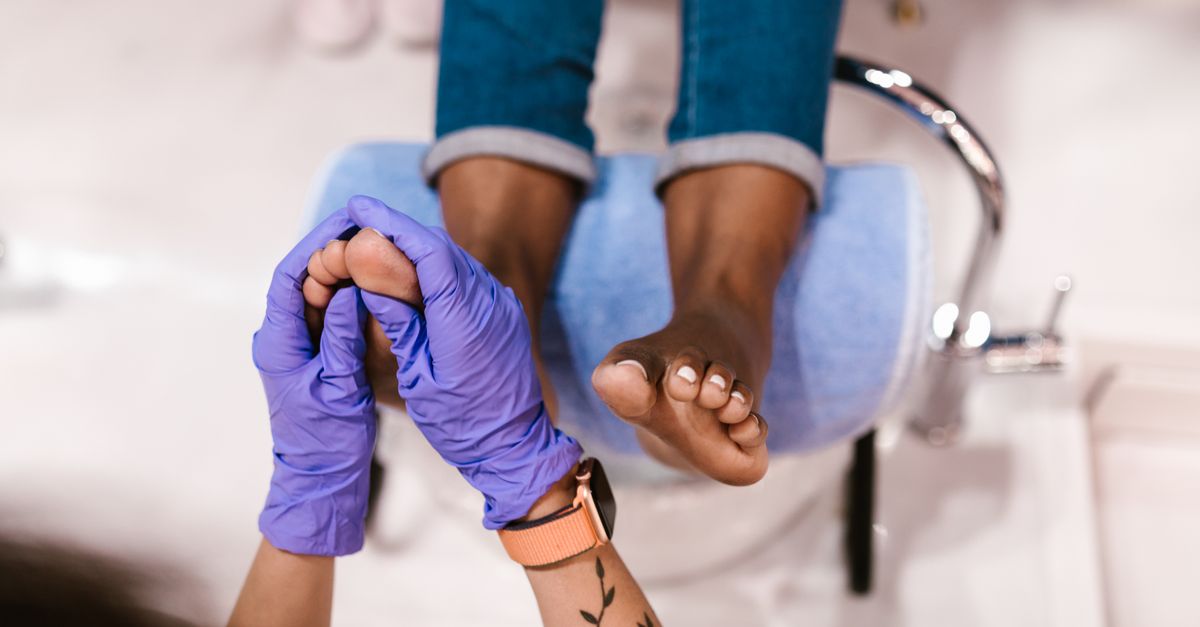
The main difference between a foot massager and reflexology is mechanism and access. Reflexology is a hands-on practice in which a trained practitioner applies pressure to specific points on the feet, based on the belief that those points correspond to other parts of the body. A home foot massager is a device you use seated that creates repeated physical movement in the feet and lower legs, and you can use it daily without booking an appointment. When comparing a foot massager vs reflexology, many people find the two serve different purposes and can be used together.
You booked a reflexology session after a friend recommended it and liked how relaxed you felt walking out. Then the foot massager vs reflexology question crept in: could a home device deliver something similar for far less money? That question comes up often among people with tired, achy feet who want something they can rely on more than once a month.
The honest answer is that the two do very different things. Reflexology is a guided, hands-on experience built around a specific theory of how the feet connect to the rest of the body. A seated oscillating foot massager is a mechanical tool that keeps your feet and calves moving.
This guide is for anyone deciding where to spend their time and money. It covers what reflexology claims, what a home foot massager physically does, how cost and frequency compare, and how to use both if you want to.
What Reflexology Claims to Do
Before comparing reflexology to a foot massage machine, it helps to separate what reflexology involves from what its practitioners believe it achieves. Both matter when you are deciding whether it fits your goals.
The Reflex Map Theory
Reflexology rests on the idea that specific zones on the feet, hands, and ears correspond to organs and systems elsewhere in the body. Practitioners work from a foot "map" in which, for example, the toes are linked to the head and the arch is linked to digestive organs. Applying pressure to a zone is believed to influence the matching body area.
This map is a framework within reflexology rather than a feature of standard human anatomy. Some people value it as a meaningful system. Others treat a session as a relaxing foot treatment and set the theory aside. For a deeper look at the claims and how they have been studied, see our full guide to reflexology and its claimed benefits.
What a Session Typically Involves
A reflexology appointment usually happens in a quiet room with you seated or reclined. The practitioner works mainly with thumbs and fingers. Common elements include:
- A brief conversation about your health and what you hope to get from the session
- Thumb-walking and finger pressure across defined zones of each foot
- Extra time on areas the practitioner considers tense or tender
- A calm setting, often with dim lighting and minimal conversation
The human element is real. Undivided attention, warm hands, and a dedicated hour of rest are a large part of why people enjoy reflexology, regardless of how they view the reflex map.
How a Home Foot Massager Works Differently
A home foot massager does not attempt to target reflex points or influence distant organs. Its job is mechanical: it moves your feet and engages the muscles of your lower legs while you sit. That is a narrower goal, and it is easier to describe precisely.
Oscillation vs Conventional Vibration
Many people shopping for a home option search for a vibration foot massager, and vibration is the category most devices fall into. MedMassager uses oscillating technology to deliver deeper, more controlled vibration than conventional massagers. Rather than a buzzing surface, the platform oscillates in a circular motion that moves the whole foot. That circular oscillating action travels upward, so the ankles and calves are involved rather than only the skin on the soles.
What Happens in Your Feet and Calves
When your feet rest on an oscillating platform, a few physical things happen at once:
- The feet move continuously instead of sitting still
- The calf muscles engage in response to that repeated movement
- Calf activation helps push blood upward instead of letting it settle in the feet
- The movement continues for as long as the session lasts, without depending on someone's hand strength
That calf activation is the core mechanism, and it applies while you are using the device. The therapeutic foot massagers in the MedMassager range are FDA-registered Class I medical devices built around this approach, with adjustable intensity settings so you control how much movement you get.
Foot Massager vs Reflexology: Side by Side
The table below lays out the practical differences between a home foot massager vs a reflexologist. Neither column is a scorecard; they simply describe different tools.
| Factor | Reflexology | Seated Oscillating Foot Massager |
|---|---|---|
| Method | Thumb and finger pressure on mapped zones | Platform that oscillates in a circular motion |
| Stated goal | Influence other body areas through reflex points | Move the feet and engage the calves during use |
| Who controls it | A trained practitioner | You, through intensity settings |
| Where | Practitioner's office or spa | At home, seated |
| How often | Limited by appointments and budget | Whenever you sit down to use it |
| Human interaction | Central to the experience | None |
A few points the table can't fully capture:
- Reflexology quality depends heavily on the individual practitioner's training and touch.
- A device delivers the same movement every session, which some people prefer for consistency.
- Reflexology covers the whole foot by hand, while an oscillating platform moves the foot as a unit.
Cost and Frequency Compared
For most people weighing these options, the real tension is between occasional, high-touch sessions and frequent, self-directed use. Cost and frequency are tightly linked.
The Per-Session Model
Reflexology is priced per appointment, similar to other professional bodywork. Rates vary by city, practitioner experience, and session length. Because every visit carries a fee, most people book weekly, every few weeks, or only on special occasions. The real cost of each visit includes more than the rate itself:
- The session fee
- Travel time to and from the practitioner's office
- Scheduling around the practitioner's availability rather than your own
The One-Time Purchase Model
A home foot massager is a single purchase. After that, the cost of an extra session is your time. This changes how you use it. Instead of rationing appointments, you can sit down for a session after work, in the evening, or after a long day on your feet.
Why Frequency Matters for Movement
The physical effect of foot movement happens while the movement is happening. When your feet are still for hours, blood flow through the lower legs slows. A monthly session addresses one hour of one day. Daily use addresses the stretches of stillness that make up most of a sedentary routine, which is where a home device has a practical advantage.
To see how a one-time purchase stacks up for your situation, compare options across the full MedMassager lineup.
Foot Massager or Reflexology: How to Choose
Your goals should decide this, not marketing. Reflexology makes sense if you value hands-on care, a calm environment, and the practitioner relationship. A foot massager makes sense if you want regular movement in your feet and calves without scheduling anything.
If you decide a home device fits, look at how it works rather than how it is labeled. Some products are marketed as "reflexology foot massagers" because they have nubs or rollers, but no machine can replicate a practitioner's judgment. Focus on these features instead:
- Motion type: a platform that oscillates in a circular motion moves the whole foot, compared with surface-level buzzing.
- Adjustable intensity: multiple settings let you start gently and increase as you get comfortable.
- Open, flat platform: lets your feet rest naturally without being enclosed or squeezed.
- Medical device status: an FDA-registered Class I medical device meets a defined regulatory category, which general consumer gadgets do not.
Comparing seated oscillating foot massager platforms on these criteria gives you a clearer picture than product names or claims about pressure points.
How to Use Both Together
You do not have to pick one. Many people keep an occasional reflexology appointment for the hands-on experience and use a foot massager at home on the days in between. A simple routine looks like this:
- Sit comfortably in a chair with your back supported and your feet able to rest flat on the platform. Foot massagers are for seated use only.
- Start on a low intensity setting for your first few sessions so you can gauge how your feet and calves respond.
- Use it for 10 to 15 minutes at a time, once or twice a day, especially after long periods of sitting or standing.
- Increase intensity gradually over the following weeks if it remains comfortable.
- Skip home use on reflexology days if your feet feel tender after the appointment, then resume the next day.
- Tell your practitioner you use a device at home so they have the full picture.
A Note for People With Reduced Foot Sensation
If you live with neuropathy or diabetes, talk with your doctor or podiatrist before starting either option. Reduced sensation can make it hard to judge how much pressure is too much during hands-on work. For home use, the circular oscillating action creates continuous, repetitive movement in the foot and calf, which supports circulation during use when natural movement is limited, and intensity stays under your control. Check your feet regularly for any skin changes regardless of which approach you choose.
Frequently Asked Questions
Is a foot massager as good as reflexology?
They are designed for different goals, so "better" depends on what you want. Reflexology offers hands-on pressure from a practitioner working from a reflex map, while an oscillating foot massager keeps your feet moving and your calves engaged during use. If you want frequent, at-home movement, a foot massager fits that purpose more directly.
Can a foot massager do reflexology?
No machine can perform reflexology, because reflexology relies on a practitioner choosing specific points and adjusting pressure by hand. Some devices are marketed with reflexology language because of their textured surfaces. An oscillating foot massager does not target reflex points; it moves the whole foot in a circular motion to create continuous movement in the feet and lower legs.
How often should you get reflexology?
There is no standard medical schedule for reflexology. Many people book weekly, every few weeks, or monthly depending on budget and how they feel after sessions. Your practitioner can suggest a schedule, and your own response should guide how often you return.
Can you use a foot massager every day?
Most people can use a foot massager daily, typically in sessions of 10 to 15 minutes, once or twice a day. Start on a low setting and increase gradually as you get used to it. If you have a medical condition affecting your feet or circulation, check with your doctor before starting a daily routine.
Is reflexology safe for people with diabetes?
People with diabetes should talk with their doctor before booking reflexology. Reduced sensation in the feet can make it difficult to tell when pressure is too firm, and small skin injuries may go unnoticed. Let the practitioner know about your condition so they can adjust their approach.
Should I see a doctor instead of a reflexologist for foot pain?
Persistent or worsening foot pain should be evaluated by a doctor or podiatrist. Swelling, numbness, color changes, open sores, or pain that keeps you from walking normally all warrant a medical visit. Reflexology is a complementary practice and is not a substitute for diagnosis.
The Bottom Line
The foot massager vs reflexology decision comes down to what you want from your time. Reflexology offers a hands-on, practitioner-guided experience built on a specific theory of the body. A seated oscillating foot massager offers something more limited and more repeatable: movement in your feet, engagement in your calves, and blood flow support during every session you choose to take.
The two can coexist, with appointments for the human touch and a home device for the days in between. If regular, self-directed movement fits your routine, explore the MedMassager Foot Massager collection to compare models and intensity options.
This content is for informational purposes only and is not intended as medical advice, diagnosis, or treatment. Always consult a qualified healthcare professional before starting any new treatment or therapy. MedMassager products are FDA-registered Class I medical devices.


