
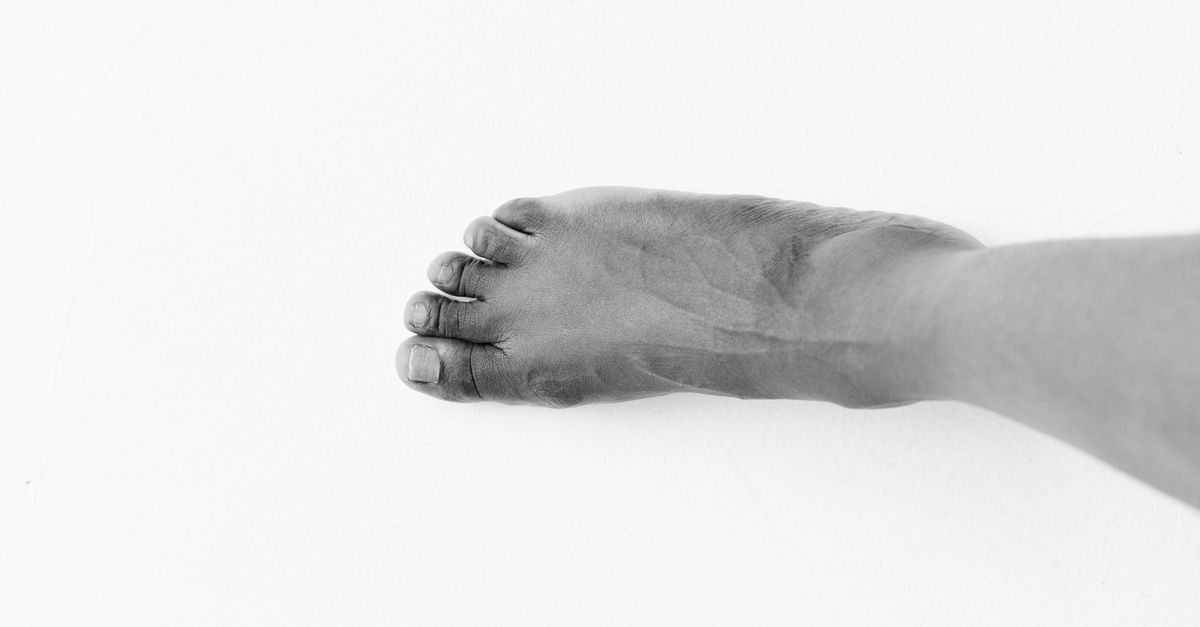
Flexor digitorum brevis pain is an ache, tightness, or cramping in the middle of the sole, where the short toe-flexor muscle runs from the heel bone to the four smaller toes. It usually develops from overuse, such as long hours of standing, worn-out shoes, or a sudden increase in walking or activity. The pain often overlaps with plantar fasciitis and arch strain because the muscle lies directly against the plantar fascia. Supportive footwear, toe and arch exercises, stretching, and gentle massage can help, and persistent or worsening pain warrants a visit to a podiatrist.
You finish a long shift, pull off your shoes, and feel a deep, cord-like ache right in the middle of your sole. That sensation is often flexor digitorum brevis pain, an overuse problem in the short muscle that curls your four smaller toes and helps hold up your arch. It can feel like a cramp, a bruise, or a tight band. It tends to show up after long days on hard floors, a stretch of wearing tired shoes, or a sudden jump in activity.
This guide is for anyone with an achy arch who wants to understand what is happening under the skin. It is especially useful if you've been told you might have plantar fasciitis but the pain sits farther forward than your heel. Below, you'll find the anatomy of this muscle, how it connects to plantar fasciitis and arch strain, the usual causes, targeted toe and arch exercises, a seated massage routine, and clear signs it's time to see a podiatrist.
Meet the Muscle That Curls Your Toes
The flexor digitorum brevis (FDB) is one of the intrinsic muscles of the foot, meaning it starts and ends within the foot itself. It is a short, flat muscle that runs lengthwise through the center of the sole. It is the main reason you can curl your toes downward against the ground.
Anatomy at a Glance
The FDB sits in the first, most superficial layer of the sole's muscles, alongside the abductor hallucis on the big-toe side and the abductor digiti minimi on the little-toe side. It lies directly against the plantar fascia, one layer deeper into the foot.
- Origin: the inner part of the heel bone (the medial process of the calcaneal tuberosity) and the underside of the plantar fascia
- Path: forward through the middle of the sole, beneath the arch
- Insertion: four slender tendons attach to the middle bones (middle phalanges) of the second through fifth toes
- Nerve supply: the medial plantar nerve, a branch of the tibial nerve
Each of its four tendons splits near the toe so a longer toe-flexor tendon, from the flexor digitorum longus, can pass through. That arrangement packs many moving parts into a small space. It also helps explain why irritation here can feel diffuse and hard to pinpoint.
What It Does When You Walk
The FDB bends the four smaller toes at their middle joints, letting them grip the ground. During walking, it fires as your weight rolls forward and your heel lifts. That contraction helps stiffen the foot so it can act as a firm lever for push-off.
It also works with the plantar fascia to support the longitudinal arch. When the fascia and the FDB share the load evenly, the arch stays stable. When one of them is overworked or fatigued, the other absorbs more strain, which is why problems in one structure often spill over into the other.
Flexor Digitorum Brevis Pain: Symptoms and Causes
Because this muscle runs the length of the arch, its symptoms can mimic other sole problems. Knowing where the pain sits and what triggers it helps narrow things down.
What It Feels Like
Pain from this muscle tends to sit in the middle third of the sole rather than right at the heel. Typical signs include:
- A deep ache or tightness under the arch, often described as a pulled or bruised feeling
- Tenderness when you press into the center of the sole
- Cramping that curls the smaller toes downward, especially after activity or at night
- Discomfort when pushing off during walking, climbing stairs, or rising onto your toes
- Soreness that builds over a day on your feet and eases with rest
How It Relates to Plantar Fasciitis and Arch Strain
Mayo Clinic describes plantar fasciitis as inflammation of a thick band of tissue, the plantar fascia, that runs across the bottom of the foot and connects the heel bone to the toes. Because the FDB attaches to that same heel bone and to the fascia itself, the two conditions frequently overlap. They can be hard to tell apart without an exam.
A rough distinction: classic plantar fasciitis pain is sharpest at the heel, particularly with the first steps after sleep or sitting. Flexor digitorum brevis strain more often shows up as a mid-arch ache or toe cramping that worsens with use. Arch strain is a broader term for overload of the structures that hold up the arch, and the FDB is one of them. If heel pain is part of your picture, our guide to foot arch massage for plantar fasciitis covers that side in more detail.
What Causes It
Toe flexor pain usually traces back to load. The muscle is asked to do more work, for longer, than it is conditioned for. The main triggers include:
- Long hours of standing on concrete, tile, or other hard floors, which keep the small foot muscles contracting with little chance to rest
- Worn-out shoes whose cushioning and arch support have broken down, shifting more work onto the sole's muscles
- A new activity or a sudden increase in an existing one, such as a new job on your feet, a walking program, hiking, or a long travel day
- Switching quickly to minimal, flat, or barefoot-style footwear without a gradual transition
- Foot shape, since both flat feet and high arches change how load spreads across the sole
- Tight calf muscles, which can increase strain through the arch with each step
These factors stack. A pair of tired shoes might be fine on an easy day, then become a problem the week you take on extra shifts.
Where Massage Fits for a Strained Sole
Rest takes pressure off an overworked FDB, but rest also means stillness. Gentle massage gives the sole movement and stimulation without asking the muscle to bear your body weight. That is why it pairs well with stretching and footwear changes.
Why Blood Flow Matters for Small Foot Muscles
The feet sit farther from the heart than any other part of the body. Blood returning from them relies heavily on muscle contraction in the feet and calves. When you sit still after a long day of standing, that pumping action slows, and keeping the area moving helps blood continue to circulate through tired tissue instead of settling.
For pain under the foot arch, the goal of massage is simple: relax tight tissue, bring movement to the area, and make the arch feel less stiff before and after time on your feet. For a closer look at technique, see how massage helps arch pain.
Vibration Versus Oscillation
Many foot massagers are sold as vibration massagers. MedMassager uses oscillating technology to deliver deeper, more controlled vibration than conventional massagers. The MedMassager Foot Massager oscillates in a circular motion across an open, flat platform, so the full sole, including the mid-arch where the FDB lives, rests in contact with the moving surface.
If plantar fasciitis is part of your sole pain, the mechanism is straightforward: the circular oscillating action creates continuous, repetitive movement in the foot and calf, which keeps blood flowing through the foot instead of settling during rest. The Foot Massager is an FDA-registered Class I medical device built for seated use, and its adjustable intensity lets you start gently on a sore arch. You can compare options in our collection of therapeutic foot massagers.
Features That Matter for Sole and Arch Pain
- An open, flat platform that lets the entire sole make contact, not just the heel or toes
- Adjustable intensity so you can begin on a low setting while the muscle is tender
- A motion that moves the foot itself rather than pressing hard into one sore spot
- A design meant for seated use, so the arch is unloaded while you massage
To see how those features look in practice, browse the professional-grade foot massager lineup.
Exercises for Flexor Digitorum Brevis Pain
Once the sharpest soreness settles, gradual strengthening helps the FDB and its neighboring muscles handle load again. Stretching the calf and sole reduces the tension pulling on the arch. Stop any movement that produces sharp pain.
Toe and Arch Strengthening
- Towel curls: Sit with a small towel flat under one foot. Curl your toes to scrunch the towel toward you, then flatten it back out. Start with 10 curls per foot, 2 sets.
- Marble pickups: Scatter 10 to 15 marbles on the floor and pick them up one at a time with your toes, dropping each into a cup.
- Short foot exercise: With your foot flat, gently draw the ball of the foot toward the heel without curling the toes, so the arch lifts slightly. Hold 5 seconds, relax, and repeat 10 times.
- Toe spreads: Spread all five toes as wide as you can, hold for 5 seconds, and relax. Repeat 10 times.
Begin with one session a day and add a second once the exercises feel easy. Mild muscle fatigue is expected. Pain that lingers into the next day means you should scale back.
Stretching the Sole and Calf
- Seated plantar stretch: Cross one ankle over the opposite knee, pull your toes back toward your shin, and hold 20 to 30 seconds. You should feel a stretch along the sole.
- Wall calf stretch: Step one foot back with the heel down and knee straight, lean toward the wall, and hold 20 to 30 seconds. Repeat with the knee slightly bent to reach the deeper calf muscle.
- Ball roll: While seated, roll a tennis ball slowly under the arch for one to two minutes, using light to moderate pressure.
Two to three rounds of each stretch per day is a reasonable starting point.
A Simple Seated Routine for a Sore Sole
Pairing exercise with seated massage gives a sore sole both strength work and time to recover from the day's load. The exercises build capacity. The massage session gives the arch movement without asking it to carry your weight, which is the part a tired FDB needs most at the end of a shift.
Step-by-Step Session
- Sit upright in a stable chair with your feet flat on the Foot Massager's platform and your knees bent comfortably.
- Start with about 10 minutes at the lowest setting, once or twice a day.
- Increase intensity gradually over several sessions, staying at a level that feels comfortable rather than pushing into the sore spot.
- Follow the session with your stretches while your feet feel loose.
Because the platform oscillates in a circular motion, it keeps blood flowing through the foot instead of settling while you sit. That makes it a natural fit after a long shift or in the evening. You can learn more about the seated Foot Massager design before you start.
Safety Notes
Skip massage on any area that is swollen, bruised, or freshly injured. If you have reduced sensation in your feet, a circulation disorder, or any condition your doctor is monitoring, ask your own care team whether a foot massager is appropriate for you.
When to See a Podiatrist
Mild overuse strain in the sole often improves with lower load, better shoes, and consistent exercise. Some symptoms, though, point to something that needs a professional exam.
Signs That Need Prompt Attention
- Pain that hasn't improved after two to three weeks of rest and self-care
- Swelling, bruising, or a pop at the moment the pain started
- Trouble bearing weight or walking normally
- Numbness, tingling, or burning in the sole or toes
- Redness, warmth, or fever, which can signal infection
- Pain that is sharp, pinpointed on a bone, or worse at night
- Any foot pain if you have diabetes or peripheral neuropathy, since reduced sensation can hide injuries
What a Podiatrist May Check
A podiatrist can examine where the tenderness sits and test how your toes and arch respond to load. That helps separate an FDB strain from plantar fasciitis, a metatarsal stress fracture, nerve irritation such as tarsal tunnel syndrome, or tendon problems elsewhere in the foot.
Depending on the findings, the plan may include imaging, custom or over-the-counter orthotics, a guided physical therapy program, or changes to footwear and activity. Bring a list of your shoes, daily standing hours, and any recent changes in activity so the visit stays focused.
Frequently Asked Questions
Where is the flexor digitorum brevis located?
The flexor digitorum brevis runs through the middle of the sole, from the underside of the heel bone to the four smaller toes. It sits in the first muscle layer of the foot, directly against the plantar fascia. Pain from this muscle is usually felt in the center of the arch rather than at the heel.
Is pain in the flexor digitorum brevis the same as plantar fasciitis?
No, although the two often overlap. Plantar fasciitis involves the plantar fascia and typically causes sharp heel pain with the first steps of the day. Flexor digitorum brevis strain affects the toe-curling muscle one layer deeper and more often causes a mid-arch ache or toe cramping. A podiatrist can examine the foot to tell them apart.
How long does a flexor digitorum brevis strain take to heal?
Recovery time depends on how severe the strain is and how much load the foot keeps taking. A mild overuse strain may start improving within a week or two of reduced standing, supportive shoes, and regular stretching. Pain that shows no improvement after two to three weeks, or keeps returning, should be evaluated by a podiatrist.
Why do my toes curl and cramp in the arch?
Toe and arch cramps often happen when the small muscles of the sole, including the flexor digitorum brevis, are fatigued from long standing or new activity. Dehydration, low electrolyte levels, tight calves, and unsupportive shoes can also contribute. Gently pulling the toes back toward the shin usually releases the cramp, and frequent or severe cramping is worth mentioning to your doctor.
Can a foot massager help with arch and sole pain?
A foot massager can help relax tight tissue in the sole and keep the area moving while you rest. The MedMassager Foot Massager oscillates in a circular motion on an open, flat platform, and that continuous movement keeps blood flowing through the foot instead of settling while you sit. It works best alongside stretching, strengthening, supportive footwear, and whatever your care team has recommended.
What shoes help with pain in the middle of the foot?
Look for shoes with a firm heel counter, a cushioned midsole, and built-in arch support that doesn't collapse when you press on it. Replace shoes once the cushioning feels flat or the soles show uneven wear. If you are moving toward minimal or flat footwear, make the change gradually so the sole's muscles have time to adapt.
The Bottom Line on Sole Pain
Flexor digitorum brevis pain comes from overworking the short muscle that curls your toes and helps support your arch. Because it shares an attachment with the plantar fascia, it often overlaps with plantar fasciitis and general arch strain. Supportive shoes, gradual toe and arch exercises, regular stretching, and seated massage all help reduce the load on this muscle. Persistent or worsening symptoms deserve a podiatrist's exam.
If you want to add seated oscillation to your routine, the circular oscillating action of the Foot Massager creates continuous, repetitive movement in the foot and calf, which supports circulation during use. You can explore MedMassager's Foot Massager collection to see the options.
This content is for informational purposes only and is not intended as medical advice, diagnosis, or treatment. Always consult a qualified healthcare professional before starting any new treatment or therapy. MedMassager products are FDA-registered Class I medical devices.


