
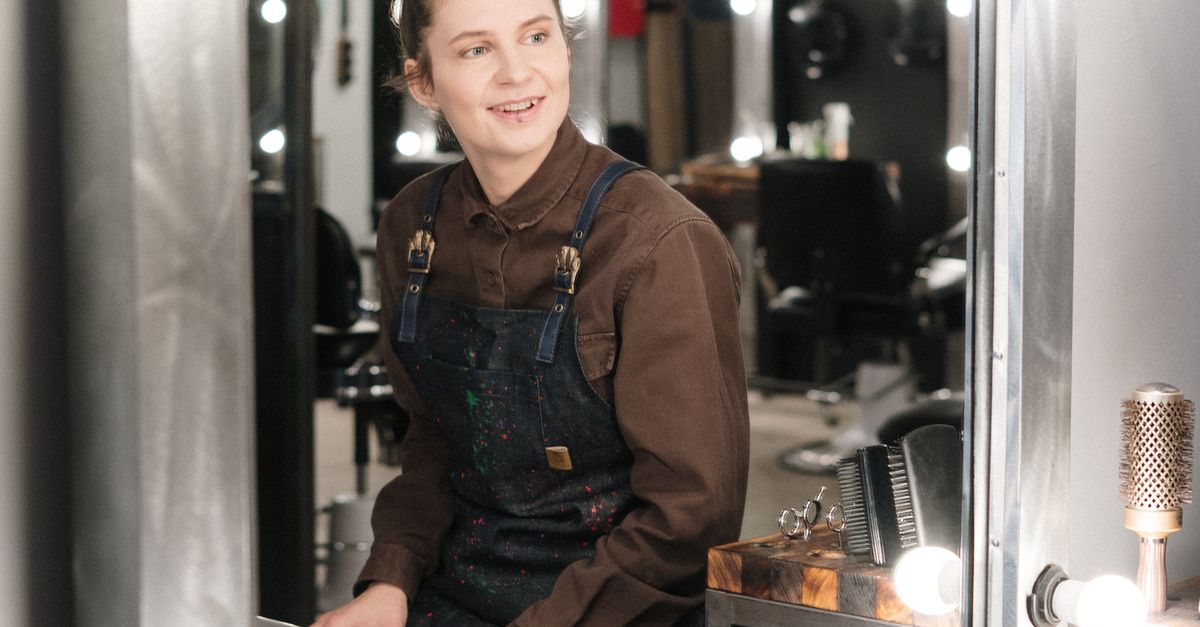
The best foot massager for hairstylists is one used seated after a shift that moves the feet and activates the calf muscles. Standing in place behind the chair limits natural leg movement and lets blood settle in the lower legs. An oscillating foot massager with an open flat platform and adjustable intensity settings brings that movement back while you rest. Pair it with supportive footwear and an anti-fatigue mat at your station to reduce strain during the workday.
By the last client of the day, your feet feel like they've been part of the floor since morning. If you're searching for the best foot massager for hairstylists, you already know the problem isn't walking. It's standing in one spot for hours, twisting toward the mirror, reaching over a client's head, and leaning in for detail work while your weight sits on one leg. Barbers face the same routine.
This guide is for hairstylists, barbers, colorists, and anyone else who works behind the chair. It explains why the job is so hard on your feet, legs, and lower back, and why the fatigue tends to build over years in the industry. It also covers what to look for in an after-shift foot massager, with a comparison table, footwear and mat tips, and a simple after-work routine.
Why Stylists' Feet and Legs Take a Beating
Hairstyling combines two of the hardest things on the lower body: standing still and moving in awkward, repetitive patterns. Each one creates a different kind of strain, and together they explain why your feet hurt more after a full book of clients than after a long walk.
Standing in Place Stalls Circulation
When you walk, your calf muscles contract with every step and squeeze blood in the leg veins back toward the heart. This is often called the calf muscle pump. Standing in one place behind the chair keeps those muscles mostly static. As a result, blood and fluid settle in the feet and ankles, which is why your shoes can feel tighter at 6 p.m. than they did at 9 a.m.
Salon floors make it worse. Tile, polished concrete, and laminate offer almost no give, so the small muscles and connective tissue in your feet absorb every hour of load. If swelling is a regular part of your evenings, our guide to swollen feet after standing all day covers that issue in more depth.
Twisting, Reaching, and Uneven Loading
A haircut or color service is rarely done from a neutral stance. You rotate your trunk while your feet stay planted, raise your arms for long stretches, and lean forward over the chair or shampoo bowl. Each movement shifts load through your body in specific ways:
- Pivoting on planted feet twists the ankles and puts uneven pressure on the forefoot.
- Shifting your weight onto one hip overloads one leg for minutes at a time.
- Leaning in for close work pulls on the muscles of the lower back.
- Holding your arms up while cutting or blow-drying tightens the shoulders and upper back.
What Years Behind the Chair Add Up To
Foot strain from the job accumulates. The fat pad under the heel naturally thins with age, which leaves less cushioning between bone and floor. Arches can also lose some height over time. A stylist with 20 years in the industry is standing on feet that have changed since their first salon job.
Repetitive load on the bottom of the foot is also linked to heel pain. Mayo Clinic describes plantar fasciitis as inflammation of the thick band of tissue that runs across the bottom of the foot and connects the heel bone to the toes. Hard floors, long hours on your feet, and worn-out shoes are all part of that picture.
Where a Foot Massager Fits for Hairstylists
The core problem behind the chair is a lack of lower-leg movement. A good foot massager restores that movement after your shift while you sit and rest, so your legs get active without any more load on your feet.
Vibration vs. Oscillation
"Vibration foot massager" is the label this product category usually carries. MedMassager uses oscillating technology to deliver deeper, more controlled vibration than conventional massagers. Instead of a motor simply shaking the unit, the Foot Massager platform oscillates in a circular motion that moves the entire foot and carries that movement up through the ankle and calf.
That difference matters for stylists. Your fatigue isn't limited to the soles. It extends through the calves and lower legs, where blood settles after hours of standing in place.
What the Circular Oscillating Action Does
Repeated foot motion activates the calf muscles, pushing blood upward instead of letting it pool in the feet. It adds back some of the lower-leg movement that standing in place limits. Here's what that looks like during a session:
- The open flat platform moves your whole foot, from heel to toes.
- The calf muscles engage with the motion, supporting circulation through the lower leg.
- Adjustable intensity settings let you start gently and increase as you get used to the motion.
If you're managing plantar fasciitis, the mechanism is the same: oscillating motion keeps blood flowing through the foot instead of settling during rest. MedMassager's oscillating foot massagers are FDA-registered Class I medical devices built around this professional-grade circular motion. For more on the general problem of long shifts on hard floors, see our guide to choosing a foot massager for standing all day.
Choosing the Best Foot Massager for Hairstylists
Foot massagers vary widely in mechanism, position, and how much of the lower leg they involve. For a stylist, the goal is specific: get movement back into tired feet and calves after a day of standing still.
Comparing Foot Massager Types
| Type | How It Works | Use Position | After-Shift Fit for Stylists |
|---|---|---|---|
| Oscillating foot platform | Open flat platform oscillates in a circular motion | Seated, feet resting on the platform | Moves the whole foot and engages the calves |
| Shiatsu foot massager | Kneads the soles from inside an enclosed chamber | Seated | Focused on the soles, with less involvement of the calves |
| Vibration plate | Exercise platform the user stands on | Standing | Not a foot massager, and adds more standing time to your day |
| Manual roller or ball | You supply the motion by rolling your foot | Seated | Useful for the arch, but requires effort when you're already tired |
Features That Matter After a Shift
Once you've chosen a mechanism, check for these features:
- Seated design: You've been upright all day. The device should let you sit with your feet resting on it.
- Whole-foot movement: An open platform reaches heel, arch, and forefoot at once.
- Adjustable intensity: Tired, swollen feet may need a gentle start, while stiff calves may respond better to a higher setting.
- Medical device status: A Class I medical device registration tells you the product is designed as a therapeutic massager.
Keep the decision focused on mechanism and how you'll use it each evening. You can compare models in the MedMassager Foot Massager collection.
Adding the Body Massager for Back and Shoulders
Feet aren't the only thing that aches behind the chair. Leaning over clients pulls on the lower back, and holding shears or a blow dryer at shoulder height tightens the upper back and shoulders. Since a foot massager can't reach those areas, consider a second tool for the upper body.
The MedMassager Body Massager is a handheld unit with slip-resistant handles and a large, soft, cushioned contouring pad that forms to the body. It uses the same circular oscillating action, with variable speed. For neck and shoulder strain from cutting and styling, mechanical movement stimulates muscle tissue, helping circulate blood through areas that commonly tighten.
Here are a few ways to use it after work:
- Rest the pad between your lower back and the back of a chair while you sit.
- Hold it across the tops of your shoulders, where tension from raised arms builds.
- Run it along your calves or thighs on days when your legs feel heavy.
The Body Massager for lower back and shoulder tightness works alongside the Foot Massager, so you can address your feet and upper body in the same evening.
Footwear and Anti-Fatigue Mat Tips
What happens during the shift matters as much as what you do afterward. A few changes at your station can reduce how much fatigue you bring home.
Shoes Built for Standing in Place
Salon culture can push you toward stylish shoes, but flat, thin-soled sneakers and heels both concentrate load on small areas of the foot. Look for these features instead:
- A cushioned midsole that absorbs impact from hard floors
- Real arch support, or room for a supportive insole
- A wide enough toe box for your toes to spread
- A slight heel-to-toe drop rather than a completely flat sole
Cushioning breaks down with wear, so replace work shoes when the midsole feels flat. If you can, rotate between two pairs so each one has time to recover between shifts.
Anti-Fatigue Mats at the Station
An anti-fatigue mat placed where you stand behind the chair adds give to a hard floor. It also encourages small, constant adjustments in your feet and legs, which keeps your muscles from locking into one position. Choose a mat with beveled edges so you don't trip while pivoting around a client. Make sure it's large enough to cover the full arc you move through during a cut.
Small Habits During the Day
Between clients, walk to the back room instead of waiting at your station, and do a few calf raises while color processes. Adjusting the hydraulic chair height also helps. Setting the client at the right level cuts down on leaning and reaching, which takes pressure off your lower back.
Your After-Shift Foot Recovery Routine
A consistent routine works better than an occasional long session. Here's a simple sequence for the end of a salon day:
- Sit upright in a supportive chair and take off your work shoes.
- Place both feet flat on the Foot Massager platform with your knees comfortably bent.
- Start with about 10 minutes at the lowest setting, once or twice a day.
- Over the next week or two, increase the intensity gradually if your feet and calves are comfortable. You can extend sessions toward 15 minutes.
- Follow with the Body Massager on your lower back or shoulders for 5 to 10 minutes while you stay seated.
- Finish by elevating your legs for a few minutes and drinking some water.
Stop if anything feels painful, numb, or sharply uncomfortable. If you live with diabetes or neuropathy, ask your own care team before starting any foot massager.
For people managing those conditions, the appeal is mechanical. Repeated foot motion activates the calf muscles, pushing blood upward instead of letting it pool in the feet. Continuous movement also helps keep blood flowing through the feet when natural movement is limited.
When Foot Pain Needs a Professional
End-of-day fatigue that improves overnight is part of a standing job. However, some symptoms point to something more than tired feet, and a podiatrist or physician should check them. Make an appointment if you notice:
- Sharp heel pain with your first steps in the morning that lasts more than a couple of weeks
- Swelling in only one leg, or swelling with warmth, redness, or calf pain
- Numbness, tingling, or burning in your feet
- Visible, painful, or bulging veins in your legs
- Pain that keeps you from finishing a shift
Swelling in one leg with calf pain needs prompt medical attention. Don't wait for your next day off to call.
Frequently Asked Questions
What is the best foot massager for hairstylists?
The best foot massager for hairstylists is one you use seated after work that moves the whole foot and engages the calf muscles. An oscillating platform model with adjustable intensity settings brings back the lower-leg movement that standing behind the chair limits. Avoid any device that requires you to stand, since you've already spent your day on your feet.
Why do my feet hurt so much after doing hair all day?
Standing in one place keeps the calf muscles mostly inactive, so blood and fluid settle in the feet and ankles. Hard salon floors add constant pressure on the small muscles and connective tissue of the foot. Twisting and shifting your weight onto one leg while cutting also loads parts of the foot unevenly.
What shoes are best for hairstylists who stand all day?
Look for shoes with a cushioned midsole, real arch support, a roomy toe box, and a slight heel-to-toe drop. Flat, thin-soled sneakers and heels both concentrate pressure on small areas of the foot. Replace work shoes once the cushioning feels flat, and rotate between two pairs if you can.
Do anti-fatigue mats help hairstylists?
Anti-fatigue mats add give to hard floors and encourage small, constant adjustments in your feet and legs, which helps keep your muscles from locking into one position. Choose a mat with beveled edges to reduce tripping risk while you pivot around the chair. Make sure it's large enough to cover the full area you move through during a service.
How long should I use a foot massager after a shift?
Start with about 10 minutes at the lowest setting, once or twice a day. Over a week or two, you can increase the intensity and extend sessions toward 15 minutes if your feet and calves stay comfortable. Stop if you feel pain, numbness, or sharp discomfort.
Should a foot massager be used sitting or standing?
A foot massager is used sitting upright with your feet resting flat on the platform. Standing devices such as vibration plates are exercise platforms, not foot massagers. After a day behind the chair, seated use lets your legs get movement without adding more load to your feet.
The Bottom Line
Hairstylists and barbers deal with a specific kind of strain: hours of standing in place, combined with twisting, reaching, and leaning that load the feet, legs, and lower back unevenly. Supportive shoes and an anti-fatigue mat reduce that strain during the day. A seated after-shift routine helps get lower-leg movement back once the day is done.
When you're comparing options, the best foot massager for hairstylists moves the whole foot, engages the calves, and lets you adjust intensity. MedMassager's FDA-registered Foot Massager oscillates in a circular motion on an open flat platform, and the Body Massager can handle your back and shoulders. Explore the MedMassager foot massagers for after-shift use to find the model that fits your routine.
This content is for informational purposes only and is not intended as medical advice, diagnosis, or treatment. Always consult a qualified healthcare professional before starting any new treatment or therapy. MedMassager products are FDA-registered Class I medical devices.


