
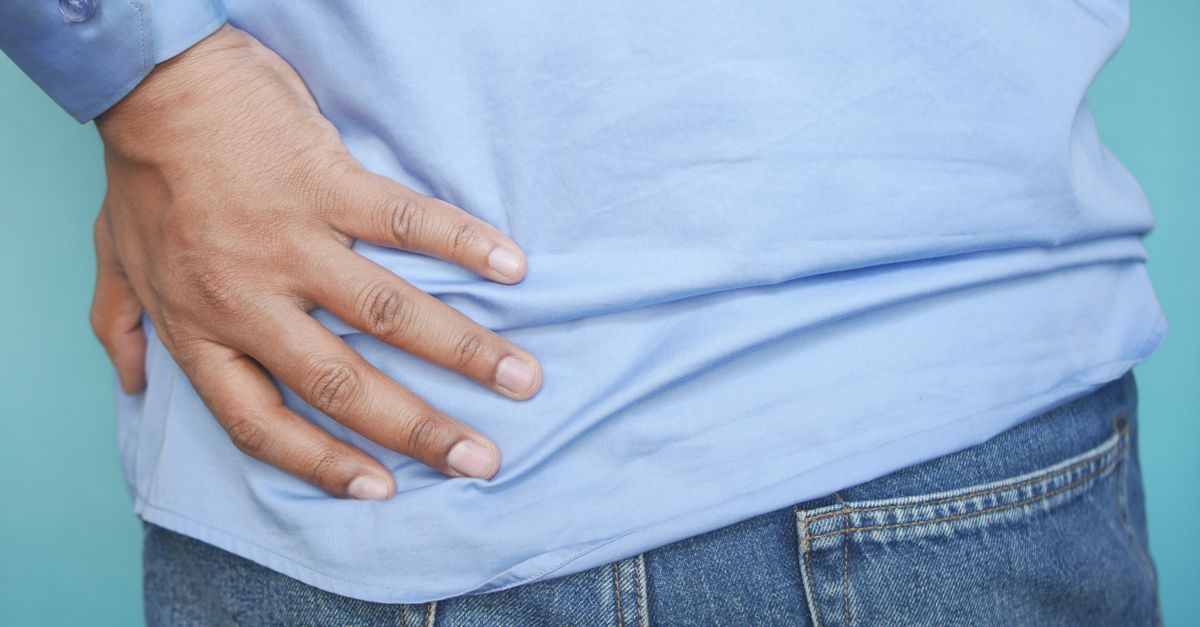
Hip pain after sitting is usually linked to tight hip flexors, stiff glute and piriformis muscles, early hip osteoarthritis, or trochanteric bursitis. Sitting holds the hip bent for long periods, which shortens the muscles at the front of the hip and compresses the muscles of the buttock, so the first steps after standing feel stiff or sore. Regular movement breaks, targeted stretches, and massage to the glutes, hips, and thighs can help with muscle-related stiffness. Groin pain that keeps returning, a limp that does not go away, or hip pain that wakes you at night should be checked by a clinician.
You stand up after a long drive or a two-hour meeting, and your hip catches. Hip pain after sitting is easy to brush off because it fades: the first few steps feel stiff or sharp, then things loosen up and you forget about it until the next time you leave a chair. When it shows up every time you stand, though, it is your body pointing to a specific tissue that is either tight, irritated, or starting to wear.
This guide is for desk workers, commuters, retirees who spend more of the day seated, and anyone who has started bracing before standing up from a low couch. It focuses on the hip itself: the front of the hip, the groin, the outer hip, and the buttock. That is a different problem from lower back pain after sitting, and the two need different approaches. Below, you will find the four most likely causes, how to tell them apart, how to break up sitting time, stretches and a massage routine to try, and the warning signs that mean it is time to see a clinician.
Why Hip Pain After Sitting Happens
When you sit, your hip joint stays bent at roughly a right angle. The muscles at the front of the hip sit in a shortened position, the muscles of the buttock are stretched and pressed against the seat, and the joint itself gets very little movement. Standing up asks all of those tissues to change length and take load at once.
Where you feel the pain is one of the best clues to what is causing it:
- Front of the hip or upper thigh: often tight hip flexors
- Deep in the groin: a common sign that the hip joint itself is involved, including early osteoarthritis
- Outer hip, over the bony point: often trochanteric bursitis or irritated glute tendons
- Deep in the buttock, sometimes with pain down the back of the leg: often glute or piriformis tightness
Tight Hip Flexors
The hip flexors are the muscles that lift your thigh toward your chest. The main ones are the iliopsoas, made up of the psoas major and iliacus, and the rectus femoris, one of the quadriceps muscles that crosses the front of the hip. In a chair, these muscles stay shortened for hours.
When you stand, they have to lengthen quickly, and a stiff muscle resists. Hip flexor pain from sitting usually feels like a pulling or aching sensation at the front of the hip or upper thigh. It tends to ease after a minute or two of walking as the muscle warms and lengthens.
Glute and Piriformis Tightness
The gluteus maximus and gluteus medius spend long periods compressed against the seat while sitting. Beneath them sits the piriformis, a small muscle that runs from the base of the spine to the top of the thigh bone. The sciatic nerve passes beneath it, and in some people runs through it.
When these muscles stiffen, buttock pain after sitting can feel deep and hard to pinpoint. If the piriformis irritates the sciatic nerve, you may notice tingling or aching that travels down the back of the thigh. Sitting on a wallet or a hard surface can make it worse.
Early Hip Osteoarthritis
Mayo Clinic describes osteoarthritis as a condition in which the protective cartilage that cushions the ends of the bones gradually wears down. In the hip, this classically shows up as pain in the groin or front of the thigh rather than the buttock.
A hallmark of early hip arthritis is "start-up" stiffness: pain and tightness when you first move after rest, which loosens as you keep walking. You might also notice trouble putting on socks, getting in and out of a car, or crossing your legs. Arthritis is diagnosed by a clinician through an exam and often imaging, not by symptoms alone.
Trochanteric Bursitis
Mayo Clinic describes bursitis as inflammation of the bursae, the small fluid-filled sacs that cushion bones, tendons, and muscles near joints. The trochanteric bursa sits over the greater trochanter, the bony point on the outside of your hip. This pain is often grouped with irritation of the nearby glute tendons under the name greater trochanteric pain syndrome.
Outer hip pain after sitting from this source often feels tender to the touch over the bony point. It is frequently worse when lying on that side at night, climbing stairs, or standing up from a low seat.
Hip Pain vs. Back Pain From Sitting
Back pain and hip pain overlap, which is why it helps to sort them out before you start stretching. Back pain from sitting too long usually sits at or above the belt line, across the lower spine, and often feels worse with slouching. Pain that starts in the lumbar spine can also travel into the buttock, which makes the buttock a gray zone.
A few signs point more toward the hip than the back:
- Pain centered in the groin or front of the hip
- Pain that worsens when you rotate the thigh, such as crossing your legs or pivoting on that leg
- Tenderness over the bony point on the outside of the hip
- Stiffness that eases as you keep walking, rather than pain that builds the longer you stand
If the picture is unclear, a physical therapist or physician can test hip movement and spinal movement separately to find the source.
Where Massage Fits for Hip Stiffness After Sitting
Muscle-driven hip stiffness responds to movement and blood flow. Long periods of stillness reduce circulation through the large muscles of the hip and thigh, and tissue that has stayed in one position for hours resists being asked to change length. Massage introduces mechanical movement into that tissue while you rest.
Vibration Massage and Oscillation
Massagers are often sold as vibration massagers, and vibration is the term you will see most often while shopping. MedMassager uses oscillating technology to deliver deeper, more controlled vibration than conventional massagers. The Body Massager oscillates in a circular motion, combining vibration with circular rotation through a large, soft, cushioned pad that contours to the body. That pad covers a broad area, which suits the large muscles of the glutes, outer hip, and thighs better than a small contact point.
For hip and thigh tightness, the mechanism is straightforward. Deep oscillation increases local blood flow in large muscle groups, supporting recovery during rest. The Body Massager is an FDA-registered Class I medical device, and the same circular oscillating action with adjustable intensity settings is available across the MedMassager Body Massager collection.
Where to Place the Pad
The handheld design, with slip-resistant handles, lets you apply the pad directly to each area on your own. These are the zones that matter most for hip stiffness after sitting:
- Front of the thigh, midway between hip and knee, for the rectus femoris
- Center and upper buttock, for the gluteus maximus and the area over the piriformis
- Upper outer buttock, for the gluteus medius
- Side of the thigh, below the bony point of the hip
- Hamstrings and back of the thigh, which also stiffen in a seated position
For a deeper look at technique, see this guide on massage for hip pain. If the bony point on your outer hip is tender, keep the pad on the muscle around it rather than pressing directly on it, and ask your clinician about massage near an irritated bursa.
How to Break Up Sitting Time
No stretch or massage routine fully offsets eight uninterrupted hours in a chair. The most direct fix for hip pain when standing up after sitting is to sit in shorter blocks. A reasonable target is to stand and move for a minute or two every 30 to 45 minutes, which keeps the hip flexors from settling into a shortened position.
A few practical ways to build that in:
- Set a recurring timer on your phone or computer as a standing reminder
- Take phone calls standing or walking
- Refill a small water glass instead of a large bottle, so you get up more often
- On long drives, stop every hour or two to walk around the car
- Raise a low couch or chair with a firm cushion so standing up requires less deep hip bending
Your seat matters too. Keep your knees roughly level with or slightly below your hips, sit with both feet on the floor, and avoid crossing your legs for long periods. Remove a back-pocket wallet before you sit, since it tilts the pelvis and presses on the buttock.
Stretches and a Daily Hip Routine
Short, regular stretching helps restore the length that sitting takes away. Pair it with massage and movement breaks, and keep everything pain-free: mild pulling is fine, sharp or pinching pain is a signal to stop.
Stretches for Hip Pain From Sitting
Hold each stretch for about 30 seconds, breathe slowly, and repeat two or three times per side.
- Half-kneeling hip flexor stretch: Kneel on one knee on a cushion with the other foot in front. Tuck your tailbone slightly and shift your weight forward until you feel a stretch at the front of the kneeling hip.
- Seated figure-four stretch: Sitting tall, cross one ankle over the opposite knee and gently lean forward from the hips. This targets the glutes and piriformis. Skip it if it causes groin pain.
- Knee-to-chest stretch: Lie on your back and draw one knee toward your chest with both hands, keeping the other leg relaxed.
- Supported standing quad stretch: Hold a counter or chair for balance, bend one knee, and hold that ankle behind you to stretch the front of the thigh and hip.
- Glute bridge: Lie on your back with knees bent and lift your hips by squeezing your glutes. Do 10 slow repetitions. This strengthens the muscles that sitting tends to switch off.
A Body Massager Routine for the Hips
A reasonable starting point is about 10 minutes total at the lowest setting, once or twice a day, divided across the areas below. The circular oscillating action increases local blood flow in the glutes and thighs while you rest, and using it before stretching can make the stretches feel easier.
- Sit upright in a supportive chair and rest the pad on the front of one thigh, midway between hip and knee, for 1 to 2 minutes.
- Lie on your side, top leg relaxed, and hold the pad against the glute of the top leg for 1 to 2 minutes. Move it slowly between the center and upper outer buttock.
- Move the pad down the outside of the thigh, staying off the bony point of the hip if it is tender.
- Switch sides and repeat.
- Increase intensity gradually over the following week only if the area feels comfortable afterward.
For a focused walkthrough of the front of the hip, this hip flexor massage technique guide covers positioning in more detail. You can compare options in the range of professional-grade body massagers for the hips and thighs.
When Hip Pain After Sitting Needs a Clinician
Stiffness that eases after a few steps and improves with movement breaks is usually muscular. Pain that behaves differently deserves a professional evaluation, because groin pain and limping can signal joint changes that stretching alone will not address.
See a clinician promptly if you notice any of the following:
- Groin pain that keeps returning or steadily worsens over weeks
- A limp that persists after you have been walking for several minutes
- Hip pain that wakes you at night or is present at rest
- Trouble putting weight on the leg
- Pain after a fall or injury
- Numbness, weakness, or tingling that travels down the leg
- Fever, redness, warmth, or swelling around the hip
- Pain that has not improved after two to three weeks of changes to your routine
Seek emergency care for sudden, severe hip pain, an inability to stand, or a hip that looks deformed after a fall. If you have a diagnosed hip condition, a recent hip replacement, a blood clotting disorder, or reduced sensation in your legs, ask your own care team before starting these stretches or any massage routine.
Frequently Asked Questions
Why does my hip hurt when I stand up after sitting?
Sitting keeps the hip bent for long periods, which shortens the hip flexors and compresses the glute and piriformis muscles. When you stand, those tissues have to lengthen and take load quickly, which can cause stiffness or pain for the first few steps. Early hip osteoarthritis and trochanteric bursitis can also cause pain specifically when rising from a chair.
Can sitting too long cause hip flexor pain?
Yes, long periods of sitting hold the iliopsoas and rectus femoris in a shortened position. Over time these muscles become stiff and resist lengthening when you stand or walk. This typically shows up as a pulling ache at the front of the hip or upper thigh that eases after a few minutes of movement.
How do I know if my hip pain is arthritis or a tight muscle?
Muscle tightness usually causes a pulling sensation at the front of the hip or in the buttock that improves quickly with stretching and walking. Hip arthritis more often causes deep groin pain, trouble with tasks like putting on socks, and stiffness that returns after every period of rest. Only a clinician can confirm arthritis, typically with a physical exam and imaging.
Is outer hip pain after sitting a sign of bursitis?
Pain over the bony point on the outside of the hip can point to trochanteric bursitis or irritated glute tendons. This type of pain is often tender to the touch and worse when lying on that side or standing up from a low seat. A clinician can confirm the source and recommend appropriate care.
Does massage help hip pain from sitting?
Massage can help with muscle-related stiffness in the glutes, hips, and thighs by introducing movement into tissue that has stayed still for hours. A Body Massager oscillates in a circular motion through a cushioned pad, and deep oscillation increases local blood flow in large muscle groups, supporting recovery during rest. Massage works best alongside movement breaks and stretching, and it does not replace an evaluation for joint pain.
When should I see a doctor for hip pain from sitting?
See a doctor if you have groin pain that keeps returning, a limp that does not go away, pain at night or at rest, or trouble bearing weight. Numbness, weakness, fever, or swelling around the hip also need prompt attention. Pain that has not improved after two to three weeks of routine changes is worth having checked.
The Bottom Line
Hip pain after sitting usually comes from tight hip flexors, stiff glute and piriformis muscles, early hip osteoarthritis, or trochanteric bursitis, and the location of your pain is the best first clue. Shorter sitting blocks, regular stretching, and attention to how you sit address the muscular causes directly.
Massage to the glutes, hips, and thighs fits naturally into that routine, because deep oscillation increases local blood flow in large muscle groups, supporting recovery during rest. If groin pain, limping, or night pain shows up, get it evaluated before adding anything new.
To add massage to your routine, explore the MedMassager Body Massager for hip and glute tightness, or browse the full MedMassager catalog.
This content is for informational purposes only and is not intended as medical advice, diagnosis, or treatment. Always consult a qualified healthcare professional before starting any new treatment or therapy. MedMassager products are FDA-registered Class I medical devices.


