
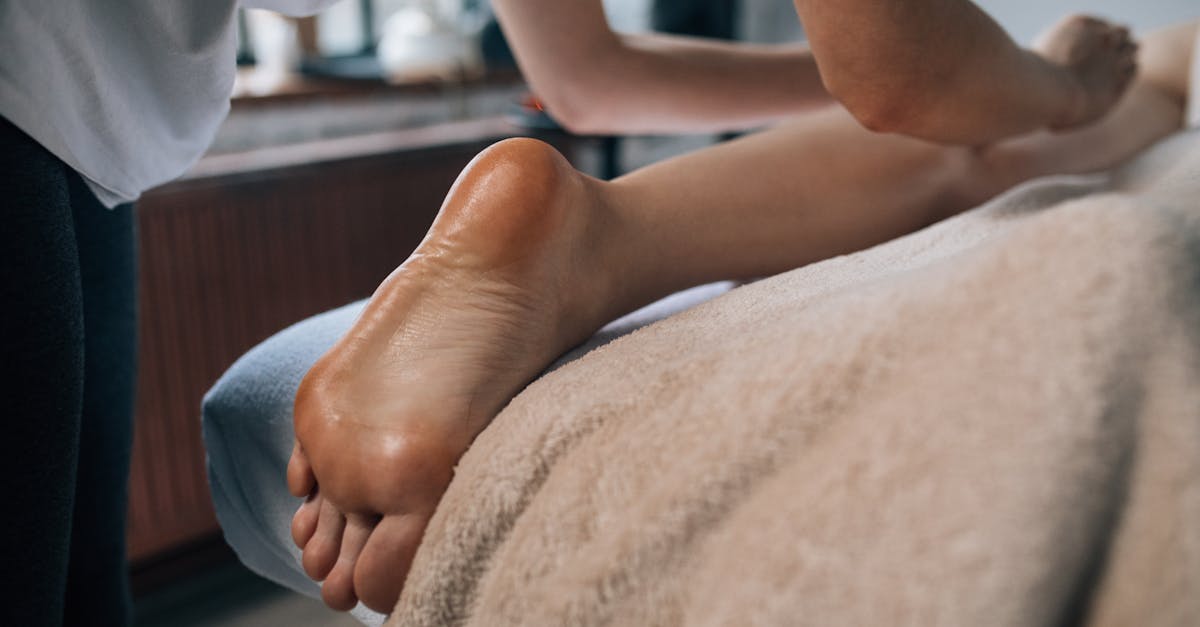
Foot arch massage involves applying direct pressure and movement to the plantar fascia, intrinsic foot muscles, and surrounding soft tissue along the bottom of the foot. It helps stimulate blood flow through the arch, relieve tension in the connective tissue that runs from the heel to the toes, and reduce the stiffness and aching commonly associated with plantar fasciitis and general arch fatigue. Regular arch massage is most effective when practiced consistently, particularly in the morning before the first steps of the day and after prolonged standing or walking.
You step out of bed in the morning and the first thing you feel is that deep, stabbing pull along the bottom of your foot. Or maybe it's a dull ache that builds through a long shift on hard floors and doesn't fully ease until you've been off your feet for an hour. Either way, foot arch pain is one of those problems that makes everything harder — and most people manage it quietly without knowing there are specific, targeted techniques that can genuinely help.
Foot arch massage is one of the most accessible and research-supported approaches to managing arch pain, whether you're dealing with plantar fasciitis, general arch fatigue, or the kind of tightness that comes from spending hours in unsupportive shoes. This post covers why arch pain develops in the first place, how massage works on the underlying tissue, which techniques provide the most relief, and how therapeutic massagers can support your routine at home.
Why Foot Arch Pain Develops
Arch pain rarely appears without a reason. Understanding what's happening beneath the surface makes it much easier to address — and to choose the right approach for relief.
The Plantar Fascia and Its Role
The arch of the foot is supported primarily by the plantar fascia — a thick band of fibrous connective tissue that stretches from the calcaneus (heel bone) to the base of the toes. It functions like a bowstring, absorbing the mechanical load of each step and helping propel the foot forward during the push-off phase of walking.
When this tissue is overloaded — through excessive standing, high-impact activity, inadequate footwear, or sudden increases in activity — it develops microtears. The body responds with inflammation and eventually with fibrosis (scar tissue formation), which causes the characteristic tightening and morning pain associated with plantar fasciitis. According to the American Academy of Orthopaedic Surgeons, plantar fasciitis is one of the most common causes of heel and arch pain in adults.
The Intrinsic Foot Muscles
Beyond the plantar fascia itself, the arch is actively maintained by a group of small intrinsic foot muscles — the flexor digitorum brevis, abductor hallucis, and several others — that run along the sole of the foot. When these muscles fatigue or tighten, they place additional strain on the plantar fascia. Prolonged wearing of rigid or highly cushioned footwear can also cause these muscles to weaken over time, reducing the foot's natural shock-absorbing capacity.
Common Contributing Factors
Several biomechanical and lifestyle factors increase the likelihood of developing arch pain:
- Flat feet (pes planus) or high arches (pes cavus), both of which alter load distribution across the foot
- Tight calf muscles and Achilles tendons, which pull on the heel bone and indirectly increase plantar fascia tension
- Prolonged standing on hard surfaces, particularly without adequate arch support
- Sudden increases in walking or running distance
- Excess body weight, which amplifies the load on the plantar fascia with every step
- Worn-out footwear that no longer provides structural support
Understanding your contributing factors matters because massage, while effective for symptom relief and circulation, works best as part of a broader approach that addresses root causes alongside the tissue itself.
How Foot Arch Massage Helps the Tissue
Massage works on the arch through several distinct physical mechanisms. It isn't simply "rubbing soreness away" — there are real physiological processes happening in the tissue that explain why consistent arch massage produces measurable relief.
Improving Blood Flow to the Arch
The plantar fascia is fibrous connective tissue with naturally limited vascular supply — meaning it receives less blood flow than muscle tissue. This reduced circulation is one of the reasons plantar fasciitis heals slowly. Massage and mechanical stimulation of the foot introduce repeated motion that activates the surrounding musculature and drives fresh, oxygenated blood through the area.
Oscillating motion keeps blood flowing through the foot instead of settling during rest — which is why foot massagers designed for plantar fasciitis focus on continuous, rhythmic movement rather than static compression. For people who spend hours at a desk or on a couch, this kind of passive blood movement matters significantly.
Breaking Down Adhesions and Scar Tissue
After plantar fascia injury, the body lays down collagen fibers in a somewhat disorganized pattern — what clinicians call adhesions or scar tissue. These areas of dense, stiff tissue restrict the fascia's normal flexibility and create focal points of tension and pain. Deep, targeted massage applies shear force to these adhesions, helping realign collagen fibers and gradually restore normal tissue extensibility.
This is the mechanism behind cross-friction massage, a manual therapy technique used by physical therapists in plantar fasciitis rehabilitation. You can approximate this at home using a combination of firm thumb pressure and rolling tools.
Reducing Muscle Tension and Nerve Sensitivity
Consistent arch massage also works on the intrinsic foot muscles that support the arch, helping them release accumulated tension. Taut, overworked muscles compress surrounding nerves and contribute to the hypersensitivity many people experience with chronic arch pain — where even light pressure on the heel or mid-arch feels disproportionately sharp. Relieving that muscular tension can lower the overall sensitivity of the area.
Research published in peer-reviewed physical therapy literature has examined plantar fascia massage alongside stretching programs and found meaningful improvements in pain and function when both are combined — though massage alone also produced positive outcomes in some study designs.
Foot Arch Massage Techniques That Work
Whether you're using your hands, a simple tool, or a therapeutic massager, technique consistency matters more than intensity. Here are the most effective approaches, organized from basic to more advanced.
Manual Thumb Massage
Seated in a chair, cross one foot over the opposite knee. Use both thumbs to apply firm, slow pressure along the arch, working from the heel forward toward the ball of the foot. Hold pressure at points of tenderness for 10-15 seconds before moving forward. Return to the heel and repeat 2-3 times per foot. This technique is particularly good for isolating specific sore spots and applying direct cross-friction pressure to adhesions.
Ball Rolling (Frozen or Firm)
Rolling the arch over a firm ball — a lacrosse ball, golf ball, or a frozen water bottle — is one of the most commonly recommended self-care techniques for plantar fasciitis. The frozen bottle adds the benefit of localized cooling to reduce inflammation alongside the mechanical release.
- Place the ball or bottle on a hard floor (not carpet, which absorbs pressure)
- Set the arch of your foot on top, applying moderate weight — not full body weight
- Roll slowly from heel to ball of the foot, pausing at tender areas
- Continue for 2-3 minutes per foot, once or twice daily
Start with gentle pressure and increase over days as the tissue adapts. Forcing painful pressure too early in a flare can aggravate rather than relieve symptoms.
Towel Scrunches and Toe Flexion
After massage, activating the intrinsic foot muscles helps reinforce the mechanical benefit. Place a small towel flat on the floor and use your toes to scrunch it toward you, then push it away. This exercise directly targets the muscles that support the arch and, when paired with massage, helps the foot maintain the suppleness gained from soft tissue work.
Therapeutic Foot Massagers for Arch Relief
Manual techniques require time, flexibility, and consistent effort — which makes them difficult to sustain for people with mobility limitations, arthritis in their hands, or demanding daily schedules. MedMassager's therapeutic foot massagers are built specifically for this use case: clinic-grade oscillating movement delivered to the sole of the foot without any manual effort required.
The oscillating platform moves in a controlled, rhythmic pattern that stimulates blood flow through the arch, activates the calf pump mechanism, and provides consistent mechanical input to the plantar fascia and surrounding musculature — the same type of stimulation physical therapy clinics use with powered devices. For people living with plantar fasciitis, this kind of passive, consistent arch stimulation is especially valuable during the rest periods when blood naturally stagnates in the feet.
MedMassager's FDA-registered Class I medical devices are designed with variable speed settings that allow users to start gently and progress intensity as the foot adapts — an important feature for anyone managing acute or chronic arch pain.
Building an Effective Arch Massage Routine
Consistency is the most important variable. A modest routine done daily will produce better outcomes than an intense session done occasionally.
Timing Your Sessions
The two most critical windows for arch massage are:
- Morning, before first steps: The plantar fascia tightens overnight. Massaging the arch before standing reduces the micro-tearing that occurs when contracted tissue is suddenly loaded — which is the source of that sharp first-step pain.
- After prolonged standing or walking: This is when blood has pooled in the feet and the soft tissue is most fatigued. Massage at this time accelerates recovery and reduces overnight stiffness.
Session Duration and Pressure
For manual techniques, 3-5 minutes per foot is sufficient for a maintenance routine. For acute flares, keep sessions shorter (2-3 minutes) but gentler — overstimulating inflamed tissue can worsen symptoms temporarily.
For therapeutic foot massagers, 10-15 minutes per session is a typical starting point. Many users living with plantar fasciitis or chronic arch pain use their therapeutic foot massager while watching television or reading — making it easy to build the habit without carving out dedicated time.
Pairing Massage with Calf Stretching
The plantar fascia connects to the Achilles tendon, which connects to the calf muscles. Tight calves are one of the primary drivers of plantar fascia tension. Pairing arch massage with a consistent calf stretching program — particularly the classic standing wall stretch held for 30 seconds — amplifies the benefit of both practices. The Mayo Clinic recommends calf and plantar fascia stretching as a core component of conservative plantar fasciitis treatment.
When to Be Careful — and When to See a Professional
Arch massage is appropriate for most people with general arch fatigue, mild plantar fasciitis, and chronic foot tightness. There are specific situations, though, where caution is warranted.
Conditions Requiring Medical Clearance First
Before beginning a foot arch massage routine, consult a healthcare provider if you have:
- Diabetes — reduced sensation in the feet means you may not accurately perceive pressure intensity, and skin integrity must be monitored carefully
- Peripheral neuropathy — the same concern about altered sensation applies, and aggressive pressure can cause undetected injury
- Active heel stress fracture or bone injury — massage will not help and may worsen the condition
- Deep vein thrombosis (DVT) or known circulatory conditions — mechanical stimulation of the lower limb requires physician approval
- Open wounds, skin infections, or dermatological conditions on the sole of the foot
Signs That Massage Alone Isn't Enough
If arch pain has persisted for more than 6-8 weeks despite consistent stretching and massage, or if pain is worsening rather than improving, a physical therapist or podiatrist can evaluate whether additional interventions are appropriate. Custom orthotics, corticosteroid injection, extracorporeal shockwave therapy, and formal physical therapy are all established options for plantar fasciitis that doesn't respond to conservative care. There's no benefit to delaying that evaluation.
For those managing foot pain alongside other conditions, the full MedMassager product line includes options designed for different body areas and use cases, with the same commitment to therapeutic-grade oscillating technology.
Frequently Asked Questions
How often should I massage my foot arch?
For general maintenance and mild tightness, once daily is sufficient — ideally in the morning before your first steps or after a long day on your feet. For active plantar fasciitis flares, twice daily sessions of shorter duration (2-3 minutes each) tend to work better than one long session. Consistency over days and weeks matters far more than the length of any single session.
Is foot arch massage good for plantar fasciitis?
Yes — arch massage is one of the most commonly recommended self-care approaches for plantar fasciitis. It helps stimulate blood flow to the plantar fascia, relieve tension in the surrounding musculature, and gradually break down adhesions in the connective tissue. It works best when combined with calf stretching, appropriate footwear, and activity modification rather than used in isolation.
Should I massage my foot arch if it hurts?
Mild discomfort during arch massage — particularly over tender spots — is normal and typically indicates you're working on the right tissue. Sharp, worsening pain or pain that persists for more than 24 hours after a session is a signal to reduce pressure and session duration, or to consult a healthcare provider. Always start gently, especially during an active flare, and let pain response guide your intensity.
What is the best way to massage the arch of your foot?
The most effective combination for home arch massage is thumb pressure along the fascia (from heel to ball of the foot), followed by ball rolling on a firm surface, and finished with gentle intrinsic muscle activation like towel scrunches. For passive, consistent stimulation without manual effort, oscillating foot massagers deliver rhythmic mechanical input to the plantar fascia and surrounding tissue throughout a rest period.
Can tight calves cause foot arch pain?
Yes. The calf muscles connect to the Achilles tendon, which attaches to the heel bone — the same point where the plantar fascia originates. When the calf muscles are chronically tight, they pull on the heel and increase tensile load throughout the plantar fascia, often contributing significantly to arch and heel pain. Addressing calf tightness through stretching is an essential complement to arch massage for lasting relief.
Does a foot massager help with arch pain?
A therapeutic foot massager can help with arch pain by delivering consistent oscillating movement to the plantar fascia and surrounding musculature, stimulating blood flow and releasing soft tissue tension without requiring manual effort. This is especially useful during rest periods when blood tends to pool in the feet and the arch tissue stiffens. Look for a device with variable speed settings so you can adjust intensity based on your current level of sensitivity.
How long does it take for foot arch massage to work?
Most people notice temporary relief — reduced stiffness and aching — within the first few sessions. Meaningful, lasting improvement in chronic arch pain typically takes 4-8 weeks of consistent daily practice when massage is combined with stretching and appropriate footwear. Plantar fasciitis in particular is slow to resolve because the plantar fascia has limited blood supply, which makes consistent stimulation over time especially important.
The Bottom Line on Foot Arch Massage
Foot arch massage is one of the most practical, low-barrier tools available for managing arch pain — whether you're in the early stages of plantar fasciitis or simply dealing with the accumulated fatigue of long days on your feet. It works by improving blood flow to tissue that naturally receives limited circulation, relieving intrinsic muscle tension, and gradually breaking down the adhesions that cause chronic stiffness and sensitivity.
The key is consistency. A few minutes of targeted arch massage daily — especially first thing in the morning and after prolonged activity — will outperform sporadic deep sessions every few days. Pairing that routine with regular calf stretching closes the loop on the mechanical chain that drives most arch pain.
For those who want to build a sustainable daily routine without the effort of manual techniques, MedMassager's therapeutic foot massagers deliver clinic-grade oscillating stimulation to the plantar fascia and arch tissue passively — making it easy to stay consistent even on days when energy and motivation are in short supply. If you're also managing pain in other areas alongside foot issues, the MedMassager Body Massager collection offers the same oscillating technology for back, calf, and larger muscle groups.
This content is for informational purposes only and is not intended as medical advice, diagnosis, or treatment. Always consult a qualified healthcare professional before starting any new treatment or therapy. MedMassager products are FDA-registered Class I medical devices.


