
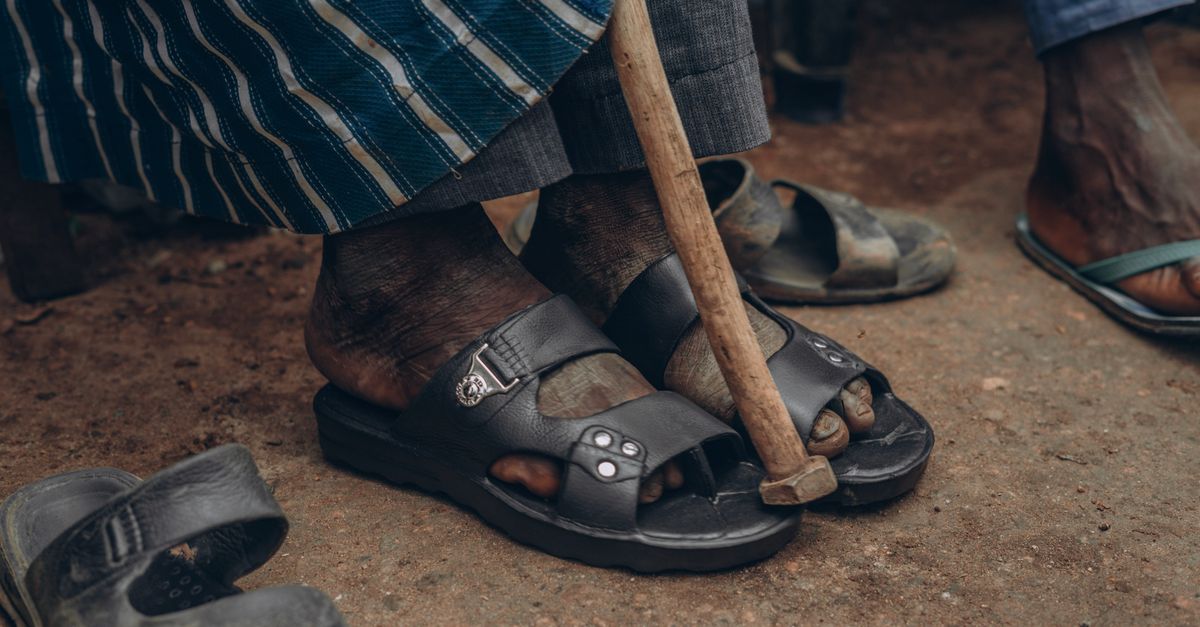
Feet hurt more as you age because the structures that cushion and support them gradually wear down. The fat pads under the heel and ball of the foot thin out, arches flatten as tendons and ligaments lose elasticity, and the small joints of the foot develop arthritis. Circulation and nerve function also decline with age, which can add aching, tingling, and slower recovery after time on your feet. Supportive footwear, daily foot care, regular movement, and timely visits to a podiatrist all help manage age-related foot pain.
Maybe your feet once handled a full day of errands without complaint, and now they ache after an hour in the grocery store. You are not imagining it. If you have been asking why do feet hurt more as you age, the answer is mostly mechanical: the padding, ligaments, joints, nerves, and blood vessels in your feet change after decades of carrying your full body weight.
Those changes are gradual, so the pain often seems to come from nowhere. A heel that feels bruised in the morning, toes that stiffen in cold weather, or arches that throb by evening all have physical explanations. Knowing which change is behind your discomfort makes it easier to choose the right shoes, build better habits, and recognize when something needs a professional's attention.
This guide is written for adults in their 50s and beyond, and for anyone helping an aging parent stay comfortable and mobile. It covers the five main reasons aging feet hurt, how movement and massage help, footwear and daily care, a simple routine, and the warning signs that mean it is time to see a podiatrist.
Five Reasons Feet Hurt More With Age
There is rarely a single answer to why do feet hurt more as you age. Several slow changes tend to overlap, and each one makes the others more noticeable. Here is what happens inside the foot over time.
Thinning Fat Pads Under the Heel and Forefoot
Your heel and the ball of your foot rest on dense pads of fatty tissue that absorb shock with every step. With age, these pads thin and lose some of their spring, a change known as fat pad atrophy. Less padding means more force travels straight into the heel bone and the metatarsal heads behind your toes.
The result is a deep, bruise-like ache, especially when walking barefoot on hard floors or tile. Heel pain with age is frequently tied to this loss of cushioning rather than to an injury. You can read more about the causes and care for heel fat pad syndrome in our dedicated guide.
Flattening Arches and Looser Tendons
Tendons and ligaments contain collagen, which becomes stiffer and less elastic over time. The posterior tibial tendon, which helps hold up the inner arch, can weaken and stretch. As support fades, the arch slowly lowers, and the foot often becomes longer and wider.
A flatter arch places extra strain on the plantar fascia. Mayo Clinic describes plantar fasciitis as inflammation of the thick band of tissue that runs across the bottom of the foot, connecting the heel bone to the toes. Stabbing heel pain with the first steps of the morning is its classic sign, and the condition becomes more likely as arch support declines.
Arthritis in the Small Joints of the Foot
Each foot contains 26 bones and more than 30 joints, and every one of them can develop wear over time. Osteoarthritis, the gradual breakdown of cartilage that cushions the ends of bones, is the type most closely tied to age. Rheumatoid arthritis and gout can also affect the feet. Arthritis-related foot pain tends to show up in a few specific places:
- The big toe joint, where stiffness can make pushing off during walking painful
- The midfoot, where arthritis can create a bony bump on top of the foot
- The ankle, especially after an old sprain or fracture
- The smaller toe joints, where hammertoes often develop alongside joint changes
Arthritic joints typically feel stiffest after rest and in cold or damp weather, then loosen somewhat with gentle movement.
Slower Circulation
Your feet sit farthest from your heart, so blood has the longest trip to reach them and return. With age, arteries can narrow and the vein valves in the legs can weaken, which leads to swelling, cold feet, and a heavy, tired feeling by the end of the day. Less active days make this worse, because the calf muscles act as a pump that pushes blood back upward when they contract.
Nerve Changes
Nerve function changes with age too. The National Institute of Diabetes and Digestive and Kidney Diseases, part of the NIH, describes diabetic neuropathy as nerve damage caused by diabetes that often affects the feet and legs first. Peripheral neuropathy can also stem from vitamin deficiencies, certain medications, and other conditions, causing burning, tingling, or numbness. Skin on aging feet also becomes thinner and drier, so small cracks and sores heal more slowly.
Where Movement and Massage Fit for Aging Feet
Many of these changes cannot be reversed, but the discomfort they cause can often be managed. Two of the most useful levers are keeping blood moving through the feet and keeping the surrounding muscles from stiffening during long periods of rest.
Why Movement Matters for Circulation
Every time your calf muscles contract, they squeeze the veins in your lower leg and push blood back toward your heart. When you sit for hours, that pump slows down, and blood can settle in the feet and ankles. A few simple movements restart it:
- A short walk around the house or yard
- Ankle circles in each direction while seated
- Toe curls and toe spreads
- Calf raises while holding a counter for balance
The challenge is that foot pain makes movement less appealing, which creates a cycle. Sore feet lead to more sitting, and more sitting leads to stiffer, more swollen feet. Seated movement options help break that cycle without adding impact to tender heels or arthritic joints.
Where Oscillation Fits In
Many foot massagers are sold as vibration massagers, and vibration is the category term used on product listings. MedMassager uses oscillating technology to deliver deeper, more controlled vibration than conventional massagers. The MedMassager Foot Massager oscillates in a circular motion across an open, flat platform, with adjustable intensity settings so you can start gently and build up as you get comfortable.
Because it is used seated, the Foot Massager adds movement to your feet and lower legs while your joints stay unloaded. For heel and arch discomfort linked to plantar fasciitis, the oscillating motion keeps blood flowing through the foot instead of settling during rest. It is an FDA-registered Class I medical device, and you can compare options in our therapeutic foot massagers collection.
What Massage Can and Cannot Do
Massage is a supporting habit, not a fix for structural change. It will not rebuild a thinned fat pad or restore cartilage. What it can do is encourage local blood flow, ease the stiff, heavy feeling after sitting, and make it easier to stay active. For a broader look at this topic, see our guide to the benefits of foot massage for seniors.
Footwear and Daily Care for Aging Feet
Shoes and daily habits do more to manage age-related foot pain than almost anything else. Because your feet have lost natural cushioning and arch support, your footwear has to supply some of what is missing.
Shoes That Make Up for Lost Padding
Get your feet measured at least once a year, since flattening arches can change your size and width over time. Shop later in the day, when feet are slightly swollen, so new shoes fit comfortably at their largest. When comparing pairs, look for these features:
- A cushioned, shock-absorbing midsole to stand in for thinning fat pads
- Firm arch support, either built in or from an over-the-counter or custom orthotic
- A wide, deep toe box that leaves room for bunions and hammertoes
- A firm heel counter that keeps the heel from rolling
- A low, broad heel and a non-slip sole for stability
Avoid walking barefoot on hard floors at home. A supportive house shoe or sandal with arch support protects your heels during the hours you spend indoors.
Daily Habits That Protect Your Feet
Wash and dry your feet daily, paying attention to the spaces between your toes. Apply moisturizer to the heels and soles to prevent cracking, but skip the area between the toes, where trapped moisture can lead to fungal infection. Trim toenails straight across to reduce the risk of ingrown nails.
Build short movement breaks into your day, especially after long stretches of sitting. Gentle calf stretches, ankle circles, and toe curls take only a few minutes. Adding a seated session with one of our oscillating foot massager options is another way to keep your feet moving on days when walking feels like too much. The circular oscillating action creates continuous, repetitive movement in the foot and calf, which supports circulation during use.
A Daily Routine When Feet Hurt With Age
Consistency matters more than intensity. A short, predictable routine is easier to stick with and gentler on aging joints. Here is a straightforward plan you can adjust with input from your doctor or podiatrist:
- Check your feet. Look over the tops, soles, heels, and between your toes for cuts, blisters, redness, or color changes. A hand mirror helps if bending is difficult.
- Stretch your calves. Stand facing a wall with one foot behind the other and hold for 20 to 30 seconds per side. Tight calves pull on the plantar fascia, so this step helps the arch as well.
- Move your feet while seated. Do 10 ankle circles in each direction, then 10 toe curls, picking up a towel with your toes if you can.
- Use your massager sitting upright. Sit in a stable chair with your back supported and your feet flat on the platform of the MedMassager Foot Massager. Start with about 10 minutes at the lowest setting, once or twice a day.
- Increase gradually. If the lowest setting feels comfortable after a week, raise the intensity one step at a time. Keep sessions in the 10 to 15 minute range.
- Stop if something changes. End the session if you notice new pain, increased numbness, or tingling that does not fade shortly afterward.
Good times for a session include the end of the day, after a long car ride, or after a stretch of desk work or television. During each session, the circular oscillating action creates continuous, repetitive movement in the foot and calf, which supports circulation while your joints stay unloaded. Pair the routine with supportive footwear during the day for the best overall comfort.
When to See a Podiatrist
Some foot pain is a normal part of aging. Other symptoms signal a problem that needs a professional evaluation, and catching them early can prevent serious complications.
Warning Signs That Need Prompt Attention
Book an appointment with a podiatrist or your primary care provider if you notice any of the following:
- Numbness, burning, or tingling that is new, spreading, or getting worse
- Sores, blisters, or cuts that do not heal within a week or two
- Color changes, such as skin turning pale, blue, purple, or dark red
- One foot that is noticeably swollen, warm, or painful compared to the other
- Pain that wakes you at night or does not improve with rest and better shoes
- A visible change in foot shape or a toe that suddenly looks crooked
Go to the emergency room right away for a foot that suddenly becomes cold and pale, and seek same-day care for a wound with spreading redness, pus, or fever.
If You Have Neuropathy, Diabetes, or Reduced Feeling
Reduced sensation means you may not feel pressure, friction, or a developing sore. If you live with neuropathy, diabetes, or any loss of feeling in your feet, check with your doctor before using any massager, including the Foot Massager. Ask your own care team whether it fits your treatment plan.
If they agree it is appropriate, the device works through circular oscillating action. For neuropathy, continuous movement helps keep blood flowing through the feet when natural movement is limited. For diabetes, repeated foot motion activates the calf muscles, pushing blood upward instead of letting it pool in the feet. Use it alongside whatever your doctor has recommended, and keep up daily foot inspections.
Frequently Asked Questions
Is it normal for feet to hurt more as you get older?
Some increase in foot discomfort is a normal part of aging, because fat pads thin, arches flatten, and joints develop wear. However, normal does not mean you have to accept it without help. Supportive shoes, regular movement, and daily foot care can make a noticeable difference, and new or severe pain should be checked by a podiatrist.
Why do my heels hurt more as I age?
Heel pain with age is often caused by thinning of the fat pad beneath the heel bone, which leaves less natural cushioning. Plantar fasciitis, an inflammation of the tissue running along the bottom of the foot, is another frequent cause. Cushioned shoes, heel cups, and calf stretches help reduce strain on the heel.
Do feet get bigger as you age?
Feet often become longer and wider with age as ligaments and tendons loosen and the arch gradually lowers. Swelling and bunions can also change how shoes fit. Having your feet measured once a year helps you avoid wearing shoes that are too small and cause pressure points.
Why are my feet so stiff in the morning as I get older?
Morning stiffness usually comes from tissues tightening during hours of rest. The plantar fascia shortens overnight, which explains the sharp heel pain of the first steps, and arthritic joints stiffen when they have not moved for a while. Gentle ankle circles and toe stretches before getting out of bed help loosen the foot.
What kind of shoes are best for aging feet?
The best shoes for aging feet have a cushioned midsole, firm arch support, a wide and deep toe box, and a non-slip sole. A firm heel counter adds stability, and a low, broad heel reduces pressure on the forefoot. If arch support in the shoe is limited, an orthotic insert can fill the gap.
Does a foot massager help with aging feet?
A foot massager can help ease stiffness and support circulation in aging feet by adding movement while you sit. The MedMassager Foot Massager oscillates in a circular motion, which keeps the feet and lower legs moving and supports blood flow without putting weight on sore joints. It supports comfort as part of a broader routine but does not reverse structural changes like fat pad thinning or arthritis.
The Bottom Line on Aging Feet
The answer to why do feet hurt more as you age comes down to physical changes: thinner fat pads, flatter arches, joint wear, slower circulation, and shifting nerve function. None of these has to keep you off your feet.
Supportive shoes, daily inspections, regular stretching, and seated movement all help manage the discomfort. Watch for numbness, slow-healing sores, and color changes, and see a podiatrist promptly if they appear. If you want to add seated movement to your routine, explore the MedMassager Foot Massager collection and compare the options. The circular oscillating action creates continuous, repetitive movement in the foot and calf, which supports circulation during use without loading sore joints.
This content is for informational purposes only and is not intended as medical advice, diagnosis, or treatment. Always consult a qualified healthcare professional before starting any new treatment or therapy. MedMassager products are FDA-registered Class I medical devices.


