
Quad strain recovery depends on the grade of the injury. A mild (grade 1) strain often settles within one to three weeks, a moderate (grade 2) partial tear typically needs several weeks to two months, and a complete (grade 3) tear can take several months and may need surgical evaluation. Recovery follows a clear sequence: protection and relative rest for the first 48 to 72 hours, then gentle movement, gradual strengthening, and a staged return to stairs and normal activity. Gentle massage around the injured area belongs after the acute phase, not during it.
You lunged to catch a falling bag, hurried for a bus, or missed a step on the stairs, and felt a sharp grab at the front of your thigh. Now every step down hurts, and you want to know how quad strain recovery actually works and how long it will take. A pulled quad muscle is a frustrating leg injury because the quadriceps does so much of your daily work. It straightens your knee when you stand up from a chair, controls your descent on stairs, and steadies you walking downhill.
Mild and moderate quadriceps strains generally heal well when you follow the right sequence of rest, movement, and patience. This guide is for anyone managing a strained quadriceps at home, whether it happened during exercise, yard work, or an awkward slip. It covers the grades of strain, what to do in the first 48 to 72 hours, when gentle massage fits in, how to return to stairs and activity, and the warning signs that mean you need a clinician.
What Happens When You Pull Your Quad
A quad strain is an overstretch or tear of the muscle fibers at the front of the thigh. Mayo Clinic describes a muscle strain as an injury to a muscle or to the tendon that attaches muscle to bone. Understanding which muscle is involved and how it was injured helps explain your symptoms and your timeline.
The Four Muscles of the Quadriceps
Cleveland Clinic describes the quadriceps as a group of four muscles at the front of the thigh that work together to straighten the knee. The group includes the rectus femoris, vastus lateralis, vastus medialis, and vastus intermedius. The three vastus muscles cross only the knee.
The rectus femoris crosses both the hip and the knee, so it helps lift the thigh as well as straighten the leg. That two-joint role makes it the most vulnerable part of the group. A forceful kick or a sudden stride can stretch it at both ends at once.
How a Quad Strain Happens
Strains happen when the muscle contracts hard while it is being lengthened, or when it is asked to produce sudden force it isn't prepared for. Typical triggers include:
- A sudden sprint, burst of speed, or quick change of direction
- Kicking a ball or swinging the leg forcefully
- A deep lunge or squat, including catching yourself during a slip
- Jumping or landing awkwardly
- Exercising with cold, fatigued, or tight thigh muscles
- A previous strain in the same muscle that never fully regained strength
Typical Symptoms
A strained quadriceps usually announces itself with sudden pain at the front of the thigh, sometimes with a pulling or popping sensation. Tenderness, swelling, and stiffness follow over the next several hours. Bruising may appear a day or two later and can track down toward the knee as it settles.
Pain tends to increase when you straighten the knee against resistance, lift the leg while seated, or walk down stairs. Stiffness is often worst after sitting still for a while or first thing in the morning.
Quad Strain Recovery by Grade
Clinicians grade muscle strains by how much of the muscle is damaged. The grade is the single biggest factor in your thigh strain recovery time, so it is worth estimating honestly before you plan your return to activity. A clinician can confirm the grade through examination and, when needed, imaging.
Grade 1: Mild Strain
A small number of fibers are overstretched or torn. You feel tightness and soreness but can walk normally or with only a slight limp, and strength is close to normal. Mild strains often settle within one to three weeks.
Grade 2: Partial Tear
A larger portion of the muscle is torn. Walking is painful, you may limp noticeably, bruising is common, and straightening the knee against resistance is weak and sore. Recovery often takes several weeks and can stretch to two months or more, depending on the size of the tear.
Grade 3: Complete Tear
The muscle or tendon is torn through. Expect severe pain, significant bruising and swelling, and possibly a visible dent or bulge in the thigh. This grade needs prompt medical evaluation, and some complete tears require surgical repair followed by months of rehabilitation.
Several factors can lengthen or shorten your timeline within any grade:
- Location of the tear, since injuries near the tendon tend to heal more slowly
- Whether the strain is a first injury or a repeat
- How carefully the first 72 hours were managed
- Age, general health, and circulation in the legs
- Whether you rush back to activity before strength returns
The First 48 to 72 Hours
The early phase sets up everything that follows. Damaged blood vessels in the muscle bleed into the surrounding tissue, and the body begins forming new fibers that are fragile at first. Your goal during these days is to protect that process.
Protect, Rest, and Calm the Area
Quad strain treatment at home starts with a few simple steps:
- Relative rest. Avoid the movements that caused the injury and anything that produces sharp pain. Gentle walking around the house is fine if it doesn't hurt.
- Ice. Apply a cold pack wrapped in a thin cloth for 15 to 20 minutes, a few times a day. Never put ice directly on skin.
- Compression. An elastic bandage wrapped snugly around the thigh can limit swelling. Loosen it if your leg tingles, throbs, or changes color.
- Elevation. Rest with the leg supported above heart level when you can.
- Support if needed. If you cannot walk without limping, crutches for a few days take load off the healing muscle.
Ask your doctor or pharmacist which pain relief options are appropriate for you.
What to Avoid Early On
Some well-meant habits can increase bleeding and swelling in a fresh strain. For the first two to three days, skip heat packs, hot baths, and saunas. Avoid alcohol, running, and forceful stretching.
Hold off on massage directly over the injury as well. Pressure and movement on freshly torn tissue can aggravate the bleeding you are trying to settle. Massage has a useful role, but it comes later.
When Gentle Massage Fits Into Recovery
Once the acute phase has passed, gentle massage around a strained quadriceps can help the thigh feel less stiff and guarded. The key words are gentle and around. You are working with the healing tissue, not pressing through it.
Timing: After the Acute Phase
A reasonable signal that you're ready is when swelling has stopped increasing, walking is comfortable, and the thigh is no longer warm to the touch. For a mild strain, that may be a few days after the injury. For a moderate tear, it may take longer, so check with your care team before starting.
For a broader look at timing and technique, see our guide on how massage fits into pulled muscle care.
How Oscillation Works on the Thigh
A conventional vibration massager relies on a motor shaking the unit. MedMassager uses oscillating technology to deliver deeper, more controlled vibration than conventional massagers. The Body Massager oscillates in a circular motion, combining vibration with circular rotation through a large, soft, cushioned contouring pad that forms to the thigh.
For thigh and quad pain, the physical action matters. Deep oscillation increases local blood flow in large muscle groups, supporting recovery during rest. The MedMassager Body Massager for thigh muscles is an FDA-registered Class I medical device with variable speed, so you can begin at the lowest intensity and adjust gradually as the area tolerates more.
Where to Place the Pad
Early on, keep the pad near the strain rather than on the tender spot itself. Good starting areas include:
- The outer thigh over the vastus lateralis
- The inner thigh just above the knee, over the vastus medialis
- The upper thigh near the hip, if the strain is lower down
- The hamstrings and calves, which often tighten when you limp (skip the calf if it is swollen, warm, or tender, and call your doctor)
As tenderness fades, you can move the pad closer to the injured area. If the strain sits high in the front of the thigh, our article on massaging the rectus femoris explains how to work that two-joint muscle safely.
Quad Strain Recovery: Return to Stairs and Activity
Recovering from a quadriceps strain is a gradual process of reloading the muscle. Pain is your guide. Mild discomfort that fades quickly is acceptable, while sharp pain or a limp that lingers into the next day means you progressed too fast.
Stairs: Up With the Good Leg
Stairs are hard on a pulled thigh muscle because the quadriceps works hardest controlling your body on the way down. Until stairs feel normal:
- Lead with your uninjured leg when going up
- Lead with your injured leg when going down, so the healthy quad does the lowering
- Use the handrail and take one step at a time
- Return to alternating steps only when you can do so without pain or hesitation
A Staged Return to Movement
Move to each stage only when the previous one feels easy and pain-free:
- Quad sets. Sit with your leg straight, tighten the thigh to press the back of the knee down, hold for 5 seconds, and repeat 10 times.
- Heel slides and straight leg raises. These restore knee bend and lift strength without heavy load.
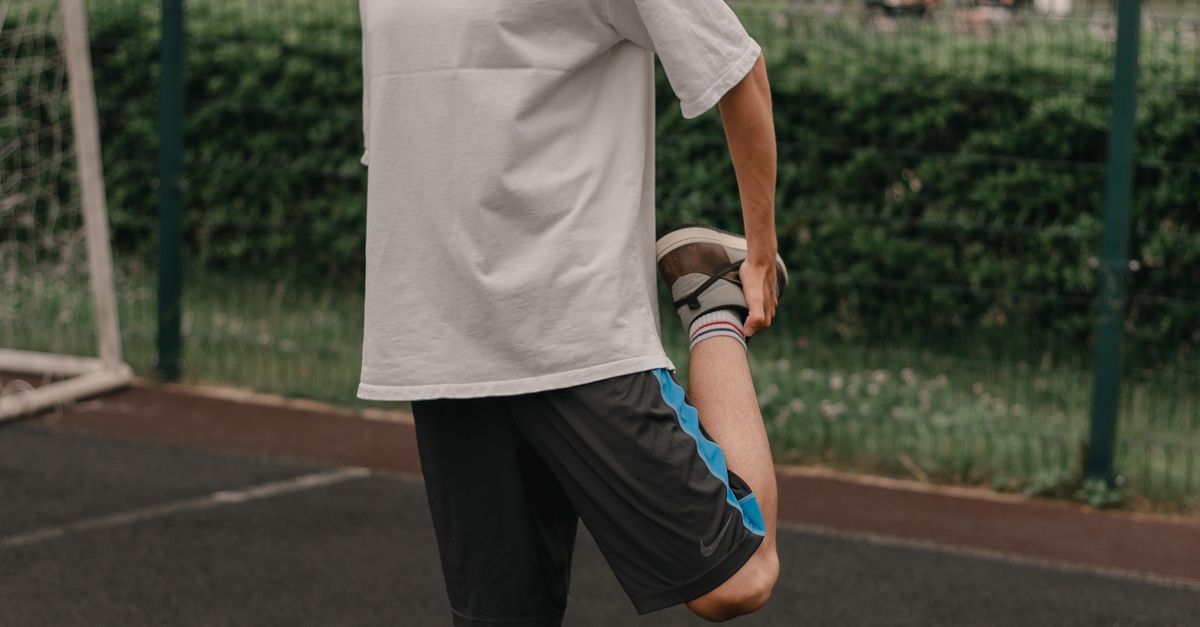
- Gentle stretching. Ease into a light quad stretch, holding without bouncing and stopping short of pain.
- Bodyweight strength. Add mini squats, bridges, and low step-ups.
- Return to activity. Resume brisk walking, then jogging, hills, or sport, building volume over one to two weeks.
Fitting the Body Massager Into Your Routine
A reasonable starting point is about 5 to 10 minutes at the lowest setting, once or twice a day, seated or lying down with the pad resting on the thigh around the strain. Increase intensity in small steps over several days only if the area feels better afterward. Because the circular oscillating action creates continuous, repetitive movement through the thigh muscles and supports local blood flow, a short session before your exercises can make the thigh feel less stiff going in.
You can compare options in our collection of cushioned-pad body massagers, or browse the full MedMassager catalog to see where the oscillating Body Massager sits alongside our other therapeutic massagers.
Signs You're Ready for Full Activity
You are close to ready when you can walk and take stairs normally, bend the knee fully without pain, and do a single-leg squat on the injured side that feels like the other side. Strength should feel even between legs. Returning before then raises the risk of straining the same muscle again.
Red Flags That Need a Clinician
Home care works for mild and moderate strains, but some signs suggest a more serious injury. Contact a doctor promptly if you notice any of the following, and seek emergency care right away for a cold, pale leg or calf pain with swelling:
- A large or rapidly spreading bruise
- A visible gap, dent, or bulge in the thigh muscle
- Inability to straighten your knee or lift your leg
- Severe swelling, or a loud pop at the moment of injury
- Numbness, tingling, or a cold, pale leg
- Calf pain, warmth, or swelling, which can signal a blood clot
- Pain that is not improving after one to two weeks
A clinician can examine the muscle, order imaging if needed, and guide a rehabilitation plan matched to the grade of your injury.
Frequently Asked Questions
How long does a quad strain take to heal?
Healing time depends on the grade. A mild strain often settles within one to three weeks, a partial tear can take several weeks to two months, and a complete tear may take several months with possible surgery. Rushing back before strength returns lengthens the process.
Is it OK to walk with a pulled quad?
Gentle walking is usually fine if it does not cause sharp pain or a limp. If you cannot walk normally, use crutches for a few days to protect the healing muscle. Increase walking distance gradually as the thigh feels stronger.
Should I use ice or heat for a quad strain?
Use ice during the first 48 to 72 hours, applied for 15 to 20 minutes at a time with a cloth barrier. Avoid heat during this period because it can increase swelling. After the acute phase, gentle warmth can help a stiff thigh feel looser before exercise.
Should you massage a pulled quad muscle?
Avoid massage directly over a fresh strain for the first two to three days. Once swelling has settled and walking is comfortable, gentle massage around the area can help the thigh feel less tight. Start light, stay off the most tender spot at first, and stop if pain increases.
Can you stretch a strained quadriceps?
Hold off on stretching for the first few days while the torn fibers begin to heal. After that, light stretches held without bouncing can restore flexibility. Stop short of pain and never force the stretch.
Can I use a body massager on a quad strain?
Yes, once the acute phase has passed and with your care team's agreement. The MedMassager Body Massager oscillates in a circular motion, and deep oscillation increases local blood flow in large muscle groups, supporting recovery during rest. Begin around the injured area at the lowest setting for about 5 to 10 minutes.
The Bottom Line
Successful quad strain recovery comes down to sequence: protect the muscle for the first 48 to 72 hours, add gentle massage and movement once the acute phase passes, and rebuild strength before returning to stairs and full activity.
Know your grade, respect the red flags, and let pain guide each step. If you want a way to keep the thigh comfortable between exercises, explore the oscillating Body Massager collection and use it alongside whatever your doctor or physical therapist has recommended. The circular oscillating action creates continuous, repetitive movement in the thigh muscles, which supports circulation during use.
This content is for informational purposes only and is not intended as medical advice, diagnosis, or treatment. Always consult a qualified healthcare professional before starting any new treatment or therapy. MedMassager products are FDA-registered Class I medical devices.


