
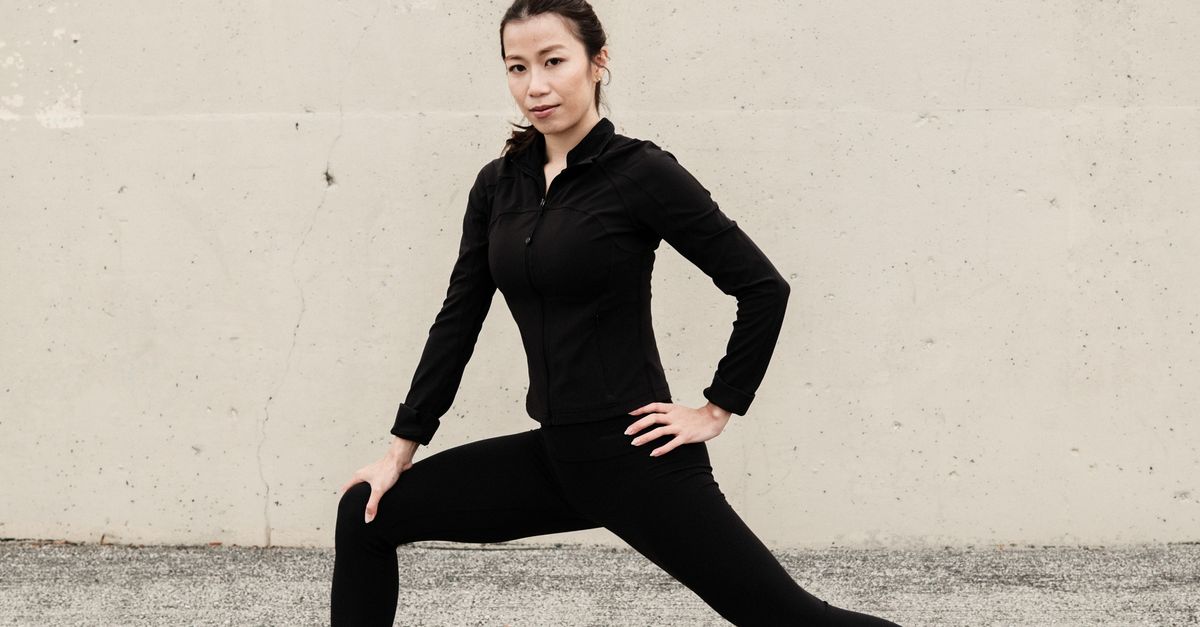
Adductor muscle pain is pain in the inner thigh or groin that comes from the group of five muscles that pull the legs toward the body's midline. The most frequent cause is a strain, which happens when these muscles are overstretched or forcefully contracted during a sudden direction change, a kick, or a slip. Mild strains are managed with a short period of relative rest followed by gradual, pain-free movement. A visible groin bulge, significant swelling, or groin pain with fever should be evaluated by a healthcare professional.
You planted your foot to change direction, slid on a wet floor, or reached a leg out too far, and now the inside of your thigh aches every time you take a step. Adductor muscle pain can make simple movements feel unreliable: getting out of a car, climbing stairs, or crossing one leg over the other. Inner thigh and groin pain is easy to misread, because several structures sit close together in that region and they don't all call for the same response.
This guide is for anyone dealing with a pulled groin muscle or a persistent inner thigh ache, whether it started on a sports field or in a kitchen. It covers how the adductor muscles are built, what typically injures them, how to time rest and gentle movement, which symptoms point to something other than a strain, and how massage fits in once the early phase has passed.
What the Adductor Muscles Actually Do
The adductors are a fan-shaped group of muscles running along the inside of the thigh. Most of them start on the pubic bone at the front of the pelvis and attach along the back of the femur, the long bone of the thigh. Together they form most of the muscle mass you can feel when you grip your inner thigh.
The Five Muscles in the Group
The adductor group includes five muscles:
- Adductor longus: the most superficial of the group and the one most often strained, sitting just below the groin crease.
- Adductor brevis: a shorter muscle lying underneath the adductor longus.
- Adductor magnus: the largest and deepest adductor, with a portion that behaves much like a hamstring.
- Gracilis: a long, thin muscle that crosses both the hip and the knee, attaching just below the inner knee.
- Pectineus: a small, flat muscle at the very top of the inner thigh, close to the hip joint.
Their Job in Everyday Movement
The main action of these muscles is adduction, which means drawing the leg inward toward the body's center. They also do quieter work you rarely notice. The adductors help stabilize the pelvis while you walk, keep your knees from drifting outward when you land, and assist with flexing and extending the hip.
That stabilizing role explains why inner thigh muscle pain shows up during so many ordinary tasks. Every step on uneven ground, every pivot, and every attempt to catch your balance asks the adductors to fire quickly and hold the pelvis steady.
What Causes Adductor Muscle Pain?
Cleveland Clinic describes a groin strain as an injury to the adductor muscles of the inner thigh, and strains account for a large share of adductor complaints. The injury usually happens at the point where muscle blends into tendon, near the pubic bone. However, overuse and nearby structures can produce similar pain, so the cause is worth understanding before choosing a response.
Strains From Sudden Load
An adductor strain occurs when the muscle is stretched beyond its capacity while it is also trying to contract. That combination is what makes certain movements risky:
- Sudden direction changes or cutting movements
- Kicking, especially with a long reach
- Slipping on ice, a wet floor, or loose gravel, where one leg slides outward
- Sprinting starts or a fast lunge
- Skating and other side-to-side push-off motions
Sports like soccer, hockey, and tennis involve these movements repeatedly. A slip is just as capable of causing a groin strain, though, because the leg splays outward faster than the muscle can control it.
How Strains Are Graded
Muscle strains are graded on a three-level scale. A grade 1 strain involves overstretching with minimal fiber damage, producing tightness and mild pain. A grade 2 strain is a partial tear, often with noticeable weakness, bruising, and pain when squeezing the knees together. A grade 3 strain is a complete or near-complete tear, sometimes with a felt or heard pop and significant loss of function.
Overuse and Other Sources
Not every case starts with a single moment. Repeated loading can irritate the adductor tendon where it attaches to the pubic bone, producing a gradual, nagging ache known as adductor tendinopathy. Long periods of sitting with tight hips, or a sudden jump in walking or training volume, can also leave the inner thigh sore and stiff.
Groin pain can also come from structures that aren't muscle at all, including the hip joint, an inguinal or sports hernia, or irritation where the two pubic bones meet. Those possibilities are covered in the red flags section below.
Recognizing Adductor Strain Symptoms
A strained adductor tends to announce itself in predictable ways. Pain usually sits high on the inner thigh, close to the groin crease, though it can spread down toward the knee. Symptoms to watch for include:
- Sharp pain at the moment of injury, sometimes followed by a dull ache
- Pain when squeezing the knees together or bringing the leg across the body
- Tenderness when pressing on the inner thigh
- Groin pain when walking, climbing stairs, or getting in and out of a car
- Bruising that appears a day or two later, sometimes tracking down the thigh
- Stiffness first thing in the morning or after sitting
The squeeze test is a simple clue. If pressing your knees together against resistance reproduces the pain, the adductors are a likely source. Pain that feels deep in the hip joint or catches when you rotate the leg may point elsewhere.
Rest vs. Gentle Movement: Timing Matters
One of the most confusing parts of a pulled groin muscle is knowing when to protect it and when to start moving it. Too much activity too early can turn a mild strain into a worse one. Too much rest, on the other hand, can leave the muscle stiff and weak.
The First Few Days
The acute phase generally covers the first two to three days after a strain, when inflammation and tenderness are highest. During this window, the goal is protection rather than complete immobility. Avoid the movements that provoked the injury, skip stretching into pain, and walk only as much as feels comfortable. Cold packs applied for short periods can help manage swelling in this window.
Transitioning to Movement
Once the sharp pain eases and you can walk without limping, gentle movement helps the muscle regain its range and strength. A reasonable progression looks like this:
- Pain-free walking on flat ground, increasing distance gradually.
- Gentle isometric squeezes, such as pressing a pillow between your knees at low effort for a few seconds.
- Easy range-of-motion work, like slowly sliding the leg out to the side while lying down.
- Light stretching only once the above feels comfortable, stopping well short of pain.
- Gradual return to faster or rotational movement, guided by a physical therapist for moderate or severe strains.
For more detail on how this timeline applies to strains anywhere in the body, see this guide on when and how to massage a pulled muscle.
Where Massage Fits With Adductor Muscle Pain
Massage is not an early-phase measure for a fresh strain. Pressing on torn, inflamed tissue in the first days can aggravate it. After the acute phase has passed, though, massage becomes a reasonable complement to gentle movement and whatever plan your care team has recommended.
Why Timing Changes the Picture
As a strain settles, the surrounding muscle often stays guarded and stiff. Reduced movement in the thigh also means less of the muscle pumping action that normally keeps blood moving through the leg. Gentle massage at this stage addresses tightness and local circulation without forcing the injured fibers to stretch.
Oscillation vs. Standard Vibration
A conventional handheld vibration massager is built around a motor that shakes the unit. MedMassager uses oscillating technology to deliver deeper, more controlled vibration than conventional massagers. The Body Massager oscillates in a circular motion, combining vibration with circular rotation so the oscillation reaches deep muscle layers.
For thigh and adductor pain, the relevant mechanism is straightforward. Deep oscillation increases local blood flow in large muscle groups, supporting recovery during rest. The Body Massager is an FDA-registered Class I medical device, and the products in the MedMassager Body Massager collection are designed for this kind of targeted, adjustable use.
What Massage Won't Do
Massage has clear limits, and it helps to know them before you reach for a massager. It will not:
- Repair torn muscle fibers
- Replace a structured rehabilitation plan
- Address pain that comes from a hernia, the hip joint, or the pubic bone
Treat it as one tool alongside rest, graded movement, and professional guidance.
Using the Body Massager on the Thigh
The Body Massager has easy-to-hold, slip-resistant handles and a large, soft, cushioned pad that contours to the body. That shape makes it practical for the curved surfaces of the inner and front thigh. Use it seated or lying down, and only after the acute phase has passed and walking is comfortable.
A Starting Routine
- Sit with your leg supported and slightly turned out, or lie on your back with the knee bent and resting outward on a pillow.
- Set the massager to its lowest intensity before placing it on the leg.
- Rest the cushioned pad on the middle of the inner thigh, on the muscle belly, well away from the groin crease and pubic bone.
- Hold it in place or move it slowly along the inner thigh toward the knee for a few minutes.
- Shift the pad to the front of the thigh and repeat for a few more minutes.
- Stop if pain sharpens, and keep the pad off any bruised or swollen area.
Start with about 5 to 10 minutes total at the lowest setting, once or twice a day. Increase intensity only gradually, and only if the area feels looser rather than more irritated afterward.
Why the Front Thigh Matters Too
The front thigh muscles, especially the rectus femoris, work closely with the adductors during hip flexion and often tighten when you guard an injured groin. This walkthrough on rectus femoris massage technique covers that muscle in more depth. The circular oscillating action of the cushioned-pad Body Massager creates continuous, repetitive movement in the thigh muscles, which keeps blood moving through the surrounding tissue while the adductors settle.
Areas to Avoid
The upper inner groin crease contains the femoral artery, vein, and nerve close to the surface. Keep the pad off that crease and off the pubic bone itself. Do not massage a leg that is swollen, warm, red, or unusually painful, since those signs can indicate a blood clot rather than a muscle problem. Contact a doctor the same day if you notice them.
Red Flags That Need Medical Attention
Most inner thigh strains improve with time and sensible activity changes. Some symptoms, however, suggest a different problem or a more serious injury. Contact a healthcare professional promptly if you notice any of the following:
- A bulge in the groin that grows when you cough, strain, or stand, which can indicate a hernia
- Significant swelling or bruising that spreads quickly
- Groin pain accompanied by fever or chills
- A pop at the time of injury followed by an inability to walk or bear weight
- Thigh swelling with warmth, redness, or tenderness along the leg
- Numbness, tingling, or weakness extending down the leg
- Pain that isn't improving after two to three weeks of sensible care
Deep, catching pain inside the hip joint, pain at night, or pain in men that involves the testicles also deserves a professional evaluation. These patterns point away from a simple muscle strain.
Frequently Asked Questions
How long does an adductor strain take to heal?
Healing time depends on the grade of the strain. Mild strains often settle within a few weeks with relative rest and gradual movement. Partial tears can take several weeks to a couple of months, and complete tears may need surgical evaluation and a longer rehabilitation period.
Is a groin strain the same as a hernia?
No, they are different injuries. A groin strain is damage to the adductor muscles or tendons, while a hernia occurs when tissue pushes through a weak spot in the abdominal wall. A hernia often produces a visible or palpable bulge that changes with coughing or standing, and it should be assessed by a healthcare professional.
Why does my inner thigh hurt when I walk?
The adductors help stabilize the pelvis with every step, so a strained or irritated adductor often hurts during walking. Pain can also come from adductor tendinopathy near the pubic bone or from the hip joint itself. If walking pain persists beyond a couple of weeks or comes with swelling, get it evaluated.
Should I use ice or heat for adductor muscle pain?
Cold is generally used in the first few days after a strain to help manage swelling and pain. Once the acute phase passes, gentle warmth can help a stiff muscle feel looser before movement. Avoid heat on an area that is still swollen or bruising.
Can you stretch a pulled groin muscle?
Stretching should wait until sharp pain has eased and you can walk comfortably. Early aggressive stretching can strain the healing fibers further. When you do begin, stretch gently and stop well short of pain.
Does a body massager help with inner thigh pain?
A body massager can be a useful complement once the acute phase of a strain has passed. The MedMassager Body Massager oscillates in a circular motion, and deep oscillation increases local blood flow in large muscle groups, supporting recovery during rest. It should be used at low intensity on the muscle belly, away from the groin crease, and alongside the plan your care team recommends.
The Bottom Line on Inner Thigh Pain
Adductor muscle pain usually comes from a strain caused by a sudden direction change, kick, or slip, and it typically responds to a short period of protection followed by gradual, pain-free movement. Knowing the anatomy helps you tell a muscle strain apart from a hernia, hip problem, or blood clot, each of which needs a different response.
Once the early phase has passed, low-intensity massage on the inner and front thigh can support local circulation while you rebuild strength. The Body Massager's circular oscillating action creates continuous, repetitive movement in the thigh muscles, which supports circulation during use. Watch for red flags like a groin bulge, rapid swelling, or pain with fever, and ask your own care team before adding any new therapy.
When you're ready, explore therapeutic Body Massagers for thigh and leg muscles, or browse the full lineup of MedMassager therapeutic massagers to compare options.
This content is for informational purposes only and is not intended as medical advice, diagnosis, or treatment. Always consult a qualified healthcare professional before starting any new treatment or therapy. MedMassager products are FDA-registered Class I medical devices.


