
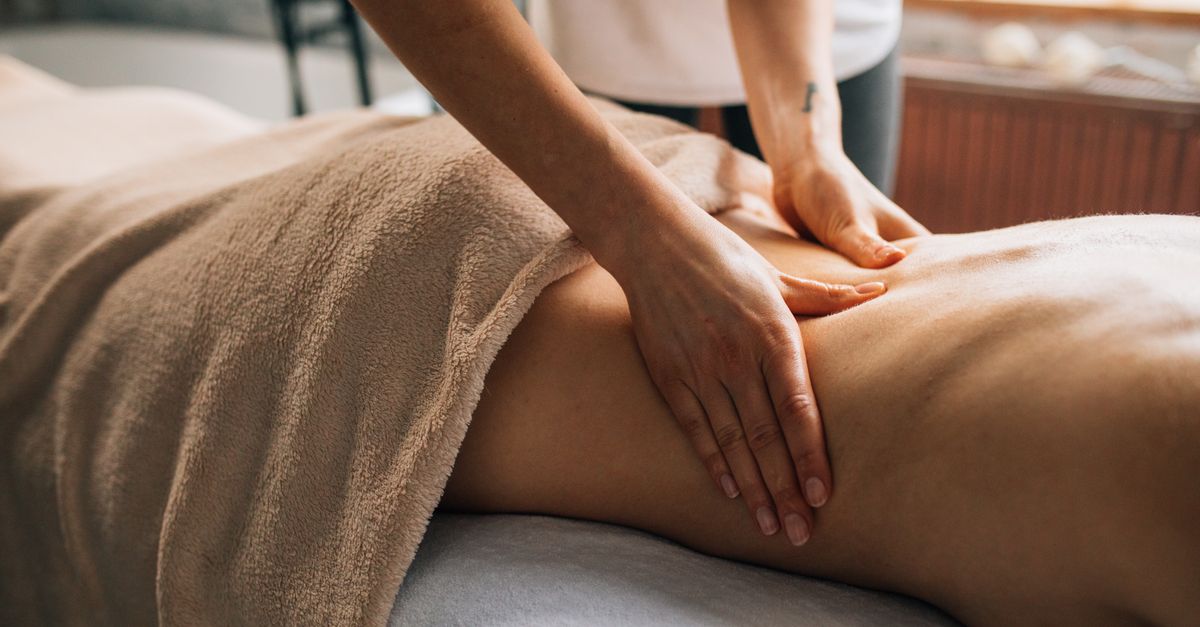
The best massager for hip bursitis is one that works the muscles around the hip, not the bony point itself. A handheld massager with a large, cushioned pad and adjustable intensity lets you treat the gluteal muscles and outer thigh at low intensity while staying off the inflamed bursa over the greater trochanter. Small-headed massage guns, hard massage balls, and foam rollers concentrate force on a small area and can easily press on the sore spot. Check with your doctor or physical therapist before starting any massage routine for hip bursitis.
If you have trochanteric hip bursitis, you probably know the moment well: you roll onto your side at 2 a.m., and a sharp ache at the outside of your hip wakes you up. Shopping for the best massager for hip bursitis seems like a reasonable next step, but the wrong device used the wrong way can press directly on the tissue that's already irritated. Much of what gets marketed as hip massage involves hard, focused pressure, and that is the opposite of what an inflamed bursa needs.
This guide is for people who have been diagnosed with trochanteric bursitis, or whose clinician suspects it, and who want to add massage to their plan safely. It explains why the bony point of the hip should be left alone and why the surrounding glute and outer thigh muscles are the real target. It also compares massage guns, foam rollers, shiatsu units, and cushioned oscillating massagers, then walks through a low-intensity routine you can review with your clinician.
What Is Trochanteric Hip Bursitis?
To choose a massager wisely, start with what is actually irritated and where it sits. Trochanteric bursitis involves a specific structure at a specific spot on the outside of the hip, and that location determines where massage should and shouldn't go.
The Bursa Over the Greater Trochanter
Mayo Clinic describes bursitis as a painful condition affecting the bursae, small fluid-filled sacs that cushion the bones, tendons, and muscles near your joints. In trochanteric bursitis, the affected bursa sits over the greater trochanter. This is the bony bump you can feel on the outside of your upper thigh, just below the hip.
That bump sits close to the skin with little muscle covering it. Because of this, anything that presses on the outer hip, whether a mattress, a car door, or a massage tool, pushes almost straight onto the bursa.
Why the Gluteal Tendons Are Often Involved
Clinicians increasingly use the broader term "greater trochanteric pain syndrome" for outer hip pain in this area. That is because the tendons of the gluteus medius and gluteus minimus attach right at the greater trochanter. Irritation of those tendons often happens alongside bursitis, or is mistaken for it.
For massage purposes, the takeaway is the same either way. The tender point is a tendon-and-bursa junction on bone. The muscles that pull on that junction sit above, behind, and below it.
Common Triggers and Contributing Factors
Trochanteric bursitis commonly affects middle-aged and older adults, and women more often than men. Typical contributing factors include:
- Repeated pressure on the outer hip, such as sleeping on the affected side
- Repetitive activity like stair climbing, running, or long periods of standing
- Weakness in the hip abductor muscles, especially the gluteus medius
- A fall onto the side of the hip or a direct blow
- Differences in leg length or changes in gait from knee, back, or hip problems
Many people find the pain worse at night. Lying on the affected side compresses the bursa between the bone and the mattress for hours at a stretch.
Why You Shouldn't Massage the Hip Point
The instinct with any sore spot is to press on it. With trochanteric bursitis, that instinct works against you. The bursa is already inflamed, and adding mechanical pressure on top of the greater trochanter compresses the same tissue that hurts when you lie on it.
Direct pressure on the hip point creates several problems:
- It squeezes the inflamed bursa against bone, which can provoke a flare
- It loads the gluteal tendon attachments that may already be irritated
- It gives you no useful work on the muscles, because there is very little muscle at that spot
- It makes it hard to tell whether lingering soreness came from your condition or from the massage itself
This is why hip bursitis massage should be indirect. You work around the bony point, never on it. A device that makes it easy to drift onto the trochanter, or that concentrates force into a small contact point, is a poor fit no matter how powerful it is.
How Massage Helps the Muscles Around Bursitis
Massage cannot reach inside a bursa and calm it down, and no massager treats bursitis. What massage can do is help the muscles around the hip, which often tighten and guard in response to pain.
The Real Targets: Glutes and Outer Thigh
The muscles that matter most for outer hip comfort surround the trochanter rather than sitting on it. These include:
- Gluteus medius and minimus: the muscles on the upper outer buttock, above and behind the hip point
- Gluteus maximus: the large muscle forming the bulk of the buttock
- Tensor fasciae latae (TFL): a small muscle at the front-outer hip, forward of the trochanter
- Vastus lateralis: the outer quadriceps muscle running down the side of the thigh, well below the bony point
When these muscles stay tense, they can add tension around the trochanter. Gentle work on the muscle bellies, away from the bone, addresses that tension without loading the bursa.
How Oscillation Works on Large Muscle Groups
The MedMassager Body Massager oscillates in a circular motion through a large, soft, cushioned contouring pad that forms to the body. For people managing hip bursitis, the pad is applied to the glutes and outer thigh rather than the hip point. Deep oscillation increases local blood flow in large muscle groups, supporting recovery during rest.
The large pad matters as much as the motion. Spreading the contact across a broad, cushioned surface means the gluteal muscles get worked without any single point of force digging in. Combined with low intensity settings, this suits tissue that sits close to a sensitive area.
Choosing the Best Massager for Hip Bursitis
Each device type applies force differently, and that difference decides how safely it can be used near an inflamed bursa. The table below compares the most common options for hip bursitis massage.
| Device type | How it applies force | Risk to the hip point | Fit for hip bursitis |
|---|---|---|---|
| Massage gun | Small head strikes tissue repeatedly | High: easy to hit bone | Poor near the trochanter |
| Foam roller | Your body weight presses onto the roller | High: rolling the side of the hip loads the bursa | Poor for the outer hip |
| Massage ball | Body weight concentrated on one point | Moderate to high | Only for glutes, with caution |
| Shiatsu massager | Rotating nodes press into tissue | Moderate | Limited reach to glutes and thigh |
| Cushioned oscillating massager | Broad padded surface, circular oscillation | Low when kept off the bone | Good for glutes and outer thigh |
Massage Guns and Foam Rollers
Massage guns are popular, but their small, hard head is designed for focused, forceful contact. On the outer hip, it takes only a slight drift for that head to land on the greater trochanter. Many people with hip bursitis find massage guns too aggressive anywhere near the joint.
Foam rolling the side of the thigh, often called "rolling the IT band," is common advice for hip pain. For trochanteric bursitis, it means lying on the sore hip with your full body weight pressing into it. A clinician may suggest other positions, but rolling directly over the outer hip is generally one to skip.
Vibration Massagers vs. Oscillating Massagers
Many shoppers search for a vibration massager for hip pain. Standard vibration massagers typically rely on a motor shaking the unit, and the effect is often felt mostly at the surface. MedMassager uses oscillating technology to deliver deeper, more controlled vibration than conventional massagers, combining vibration with circular rotation through a cushioned pad.
For hip bursitis, that control matters. You want enough movement to reach the gluteal muscles, delivered gently enough to keep the area around the trochanter comfortable. The circular oscillating action moves the muscle tissue of the glutes and outer thigh, which supports blood flow in those muscles during use.
What to Look For
Whichever device you consider, check it against these criteria:
- A large contact surface, so a broad pad spreads force instead of concentrating it
- Soft cushioning, which is more forgiving near bony areas
- A low starting intensity, with adjustable settings that let you start gently and stay there if needed
- Easy self-positioning, with secure handles that help you reach the glutes on your own
- Medical device status, since an FDA-registered Class I medical device is intended for therapeutic use rather than general novelty
MedMassager's handheld body massagers with a cushioned contouring pad meet these criteria, with slip-resistant handles and variable speed. If you want to see how they sit alongside other options, you can compare professional-grade therapeutic massagers in the full catalog.
How to Massage for Hip Bursitis Safely
Review this routine with your doctor or physical therapist before you start, especially if you are in an active flare. The goal is gentle muscle work around the hip, never pressure on the hip point.
Step-by-Step Routine With the Body Massager
- Find the bony point first. Locate the greater trochanter with your fingers so you know exactly which spot to avoid.
- Get into position. Lie on your unaffected side with a pillow between your knees, or sit upright in a supportive chair. Do not lie on the sore hip.
- Start at the lowest intensity. Set the Body Massager to its lowest setting before placing the pad.
- Work the glutes. Hold the pad on the upper outer buttock, above and behind the hip point, for 3 to 5 minutes. Keep the edge of the pad away from the trochanter.
- Move to the outer thigh. Place the pad on the side of the thigh, starting a hand's width below the bony point, for another 3 to 5 minutes.
- Stop and reassess. Keep total time to about 10 to 15 minutes, and stop if the outer hip pain sharpens.
Because the pad oscillates in a circular motion through a broad, cushioned surface, it reaches the gluteal muscles without focusing force on one point. That continuous, repetitive movement in the muscle supports circulation in the glutes and outer thigh during use.
Frequency and Intensity
Once or twice a day is a reasonable starting frequency for most people, unless your clinician advises otherwise. Stay at low intensity for the first week. Increase only if the session feels comfortable during use and the hip feels no worse the next morning.
Some people find an evening session helpful as part of a wind-down routine. For position changes, pillow setups, and other approaches focused on rest, see our guide to trochanteric hip bursitis relief and sleep.
When to Talk to Your Clinician First
Most trochanteric bursitis is managed conservatively with activity changes, strengthening exercises, and sometimes medication or injections. Massage can fit alongside that plan, but some situations call for a conversation with your doctor before you use any massager.
Contact a healthcare provider promptly if you notice any of the following:
- Fever, warmth, or redness over the hip, which can signal an infected bursa
- Significant swelling at the outer hip
- Inability to bear weight or walk normally
- Pain that began after a fall or direct impact
- Numbness, tingling, or pain spreading down the leg
If you have recently received a corticosteroid injection, ask your clinician how long to wait before using a massager near the area. Massage also works best as a complement to the hip strengthening exercises a physical therapist prescribes, since weak hip abductors often contribute to the problem.
If other areas such as your lower back are also tight from guarding the hip, the full range of MedMassager therapeutic massagers covers options for the back, legs, and more. The Body Massager applies a circular oscillating action through a cushioned pad, moving the muscle tissue and supporting blood flow in the area during use.
Frequently Asked Questions
Is it OK to massage hip bursitis?
Gentle massage of the muscles around the hip is generally considered acceptable for many people, but the bursa itself should not be massaged directly. Pressing on the bony point of the outer hip compresses inflamed tissue and can make symptoms worse. Ask your doctor or physical therapist before starting, particularly during a flare.
What is the best massager for hip bursitis?
The best massager for hip bursitis has a large, cushioned contact surface and adjustable low intensity, so you can work the glutes and outer thigh without pressing on the hip point. A handheld oscillating massager with a soft contouring pad fits this description better than small-headed or hard tools. The MedMassager Body Massager oscillates in a circular motion through a broad cushioned pad, and deep oscillation increases local blood flow in large muscle groups, supporting recovery during rest.
Should I use a massage gun on hip bursitis?
Massage guns are usually a poor choice near trochanteric bursitis because their small, hard head delivers concentrated force. It is easy to drift onto the greater trochanter, which presses directly on the inflamed bursa. If you use one at all, keep it on the meaty part of the buttock and well away from the outer hip, and only with your clinician's approval.
What muscles should I massage for hip bursitis?
Focus on the gluteus medius and minimus on the upper outer buttock, the gluteus maximus, the tensor fasciae latae at the front of the hip, and the outer quadriceps along the side of the thigh. These muscles surround the greater trochanter without sitting directly on it. Working them gently addresses muscle tension while leaving the bursa alone.
Can foam rolling make hip bursitis worse?
Foam rolling the side of the hip can aggravate trochanteric bursitis because it places your body weight directly on the inflamed bursa. The common advice to roll the IT band involves lying on exactly the spot that hurts. A physical therapist can suggest alternative positions or exercises that avoid loading the outer hip.
Why does hip bursitis hurt more at night?
Hip bursitis often hurts more at night because lying on the affected side compresses the bursa between the greater trochanter and the mattress for long periods. Lying on the unaffected side can also strain the painful hip if the top leg drops forward across the body. Placing a pillow between your knees helps keep the hips level and reduces that strain.
The Bottom Line
The best massager for hip bursitis is one that keeps force off the bony point of the hip and puts gentle, broad pressure on the glutes and outer thigh instead. Small-headed massage guns and foam rollers make it too easy to load the inflamed bursa, while a cushioned pad at low intensity lets you work the surrounding muscles with more control.
Use massage alongside the exercises, rest strategies, and treatments your clinician recommends, not in place of them. When you're ready, explore the MedMassager Body Massager collection to find an FDA-registered option for working the muscles around your hip. Its circular oscillating action moves the gluteal and outer thigh muscles through a broad cushioned pad, supporting blood flow in the tissue around the hip during use.
This content is for informational purposes only and is not intended as medical advice, diagnosis, or treatment. Always consult a qualified healthcare professional before starting any new treatment or therapy. MedMassager products are FDA-registered Class I medical devices.


