
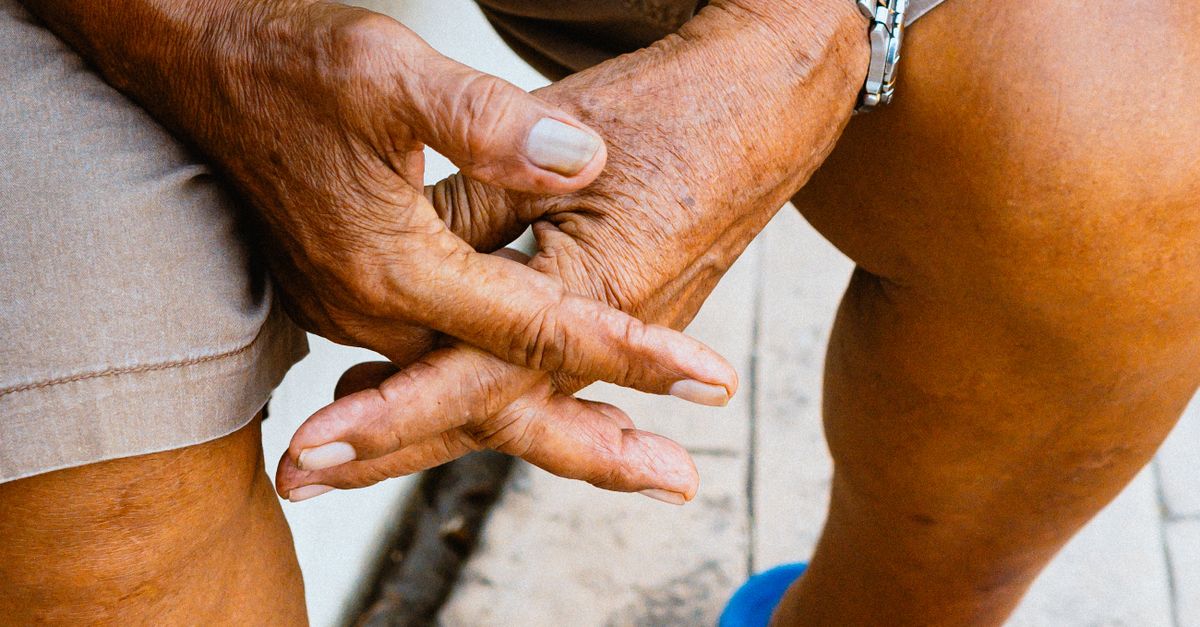
Swollen legs in elderly adults are most often caused by reduced mobility, age-related venous changes, and medication side effects, though heart failure, kidney disease, and liver disease can also cause fluid to build up in the lower legs. Sitting or lying down for long stretches allows fluid to pool around the ankles and calves because aging veins and inactive calf muscles are less efficient at pushing blood back toward the heart. Sudden swelling in one leg only, swelling paired with shortness of breath or chest pain, or swelling accompanied by unexplained weight gain all warrant prompt medical evaluation. Most age-related leg swelling responds to movement, elevation, and circulation support, but new or rapidly worsening swelling should never be dismissed as ordinary aging.
If you've noticed your parent's ankles look puffy by evening, or their shoes suddenly fit tighter than they used to, you're not imagining it. Swollen legs in elderly parents are common enough that many families assume it's just part of getting older, and often it is something manageable. But swelling can also be one of the first visible signs of a heart, kidney, or circulation issue that needs a doctor's attention. Sorting the harmless from the serious means knowing why swollen legs in elderly adults happen, which symptoms mean it's time to call a doctor, and what gentle movement and seated massage can realistically do in the meantime.
Why Elderly Adults Develop Swollen Legs
Leg swelling, known clinically as peripheral edema, happens when fluid leaks out of small blood vessels and collects in the surrounding tissue faster than the body can drain it away. Several age-related changes make this more likely, and they often overlap in the same person.
Reduced Mobility and the Calf Muscle Pump
Walking activates the calf muscles, which squeeze the veins in the lower leg and push blood upward against gravity. Mayo Clinic's patient education materials describe this as one reason prolonged sitting or standing contributes to fluid pooling in the lower legs and feet. When an older adult spends more time sitting, recovering from a fall, or dealing with arthritis pain that limits walking, that pumping action happens far less often. Fluid then has more opportunity to settle around the ankles.
Venous Changes With Age
The veins in the legs contain one-way valves that keep blood moving toward the heart. Over decades of use, those valves can weaken or leak, a condition called chronic venous insufficiency. Blood backs up in the lower leg veins instead of moving forward, and the added pressure pushes fluid into the surrounding tissue. This is a common, largely mechanical cause of swollen legs in elderly adults, and it tends to worsen gradually rather than appear overnight.
Medication Side Effects
Several medications commonly prescribed to older adults list leg swelling as a known side effect. Review your parent's medication list with their doctor or pharmacist if swelling started after a new prescription. Common culprits include:
- Calcium channel blockers used for blood pressure, such as amlodipine
- NSAIDs like ibuprofen or naproxen, taken regularly for arthritis pain
- Corticosteroids, including prednisone
- Certain diabetes medications in the thiazolidinedione class
- Some antidepressants and hormone therapies
When Swollen Legs Signal a Serious Problem
Most leg swelling in older adults is uncomfortable but not dangerous. Certain patterns, however, point to a heart, kidney, liver, or vascular problem that needs medical attention rather than home care.
Signs That Need Same-Day Medical Care
Sudden swelling in just one leg, especially with pain, warmth, or redness in the calf, can indicate a blood clot known as deep vein thrombosis. The American Heart Association notes that swelling in both legs combined with shortness of breath, a rapid heartbeat, or difficulty lying flat can point toward heart failure, since the heart isn't pumping efficiently enough to keep fluid from backing up in the legs and lungs. Either of these patterns should prompt a same-day call to a doctor or a trip to urgent care.
Heart, Kidney, and Liver-Related Swelling
The National Kidney Foundation notes that failing kidneys can allow the body to retain excess sodium and fluid, which often shows up first as swelling in the legs and around the eyes. Liver disease can produce a similar pattern along with abdominal swelling or yellowing of the skin. Because these conditions share overlapping symptoms, a doctor typically needs bloodwork or imaging to identify the actual cause rather than relying on the swelling alone.
Symptoms Worth Flagging to a Doctor Soon
- Swelling that leaves a deep indentation when pressed and is slow to bounce back
- Skin that looks shiny, stretched, or has started to break down
- Swelling that worsens steadily over days rather than fluctuating with activity
- New shortness of breath, chest tightness, or unexplained fatigue
- Sudden weight gain of several pounds within a few days
None of this is meant to cause alarm over ordinary end-of-day puffiness. It's meant to help you recognize the difference between swelling that's a normal consequence of sitting or standing and swelling that reflects something happening inside the body.
How Gentle Movement Supports Leg Circulation
Once a doctor has ruled out a heart, kidney, or clotting problem, gentle movement is one of the most practical ways to support circulation in legs that swell from inactivity or venous changes. Many families searching for relief come across vibrating leg massagers marketed for swelling, so it helps to understand what the mechanism does and does not do. MedMassager uses oscillating technology to deliver deeper, more controlled vibration than conventional massagers, moving in a circular oscillating action rather than a simple buzz against the skin.
What Oscillation Does Physically
Repeated foot motion activates the calf muscles, pushing blood upward instead of letting it pool in the feet and ankles. This mimics, in a passive and seated way, some of what walking normally does for circulation. For an older adult who can't walk long distances anymore, a seated session on a therapeutic foot massager built for circulation support gives the calf muscles something to respond to without requiring balance or standing.
Extending the Same Mechanism to the Legs and Thighs
For swelling that extends up into the calves and thighs, oscillation reaches deeper muscle layers, supporting local blood flow in muscles affected by prolonged sitting. A body massager designed for larger muscle groups can be used against the calves or thighs while seated. Check with a physical therapist before adding it to the routine if your parent has:
- Known chronic venous insufficiency
- A history of deep vein thrombosis or other blood clots
- Thin, fragile, or broken skin on the lower legs
If your parent's main question is technique, like where and how long to apply pressure to swollen feet, our guide on how to massage swollen legs and feet safely covers that in more detail.
What Helps Manage Swollen Legs at Home
Beyond movement, a handful of low-effort habits make a real difference for age-related leg swelling. None of these replace a medical workup if red-flag symptoms are present, but they're reasonable first steps once a doctor has confirmed the swelling isn't from a heart or kidney issue.
Elevation and Positioning
Raising the legs above heart level for 15 to 20 minutes, a few times a day, uses gravity to help drain fluid that's collected around the ankles. A recliner or a couple of pillows under the calves while lying down works well. This simple habit pairs naturally with a seated massage session, since the legs are already elevated and at rest. The circular oscillating action keeps the calf muscles engaged while the legs are raised, which supports circulation during use.
Compression, Hydration, and Salt
Beyond elevation, three habits do most of the work:
- Compression stockings fitted by a pharmacist or medical supply store, which apply steady pressure that helps veins move blood back toward the heart
- Steady hydration throughout the day
- Less added salt from packaged and restaurant food, which limits how much fluid the body retains overall
The hydration point may sound counterintuitive. Dehydration, though, can prompt the body to hold onto more sodium and fluid rather than release it.
Comfort Support Between Doctor Visits
For general end-of-day heaviness that isn't linked to a medical condition, our piece on relief for heavy legs after a long day covers habits that apply to adults of any age. For seniors specifically, the same seated, low-impact approach applies, just with more attention paid to red flags and a shorter, gentler session length.
Daily Steps for Elderly Adults With Swollen Legs
A consistent, low-effort routine tends to help more than an occasional intense session. The following sequence works for most older adults managing ordinary, mobility-related swelling, always performed while seated.
- Start the day with legs elevated for 10 to 15 minutes before getting up, especially after a night of limited movement.
- Take short seated breaks every hour to flex the ankles and point the toes, encouraging the calf muscle pump.
- Use a seated foot or leg massager for 15 to 20 minutes in the afternoon or evening, when swelling is often at its worst.
- Elevate the legs again after the session to help drain the fluid the movement has mobilized.
- Check in on fluid intake and sodium for the day, adjusting with a doctor's guidance if kidney or heart function is a concern.
Consistency matters more than intensity here. The circular oscillating action creates continuous, repetitive movement in the foot and calf, which supports circulation during use. A short daily session on a seated therapeutic foot massager combined with regular elevation tends to produce more noticeable comfort than an occasional long session.
Special Considerations for Common Health Conditions
Leg swelling doesn't affect every older adult the same way, and a few groups need extra caution.
Diabetes and Skin Sensitivity
Older adults with diabetes often have reduced sensation in the feet, which means skin irritation or pressure sores can develop without being noticed right away. Keep massage sessions gentle rather than intense, and check the skin on swollen feet and ankles regularly for:
- Redness or warmth over a specific spot
- Cracking or dry, flaking skin
- Blisters, sores, or any break in the skin
Heart Failure and Fluid Monitoring
For seniors already diagnosed with heart failure, daily weight tracking is often part of their care plan, since sudden weight gain can mean fluid is building up faster than usual. Any home comfort routine should be layered on top of, not instead of, whatever fluid and medication plan their cardiologist has set.
Frequently Asked Questions
Why do elderly people get swollen legs and ankles?
Swollen legs and ankles in older adults are usually caused by reduced mobility, weakened vein valves, or medication side effects that allow fluid to collect in the lower legs. Less commonly, swelling can stem from heart, kidney, or liver conditions that affect how the body manages fluid and sodium. The specific pattern of swelling, along with any accompanying symptoms, usually points a doctor toward the underlying cause.
Is leg swelling in elderly parents always a sign of heart failure?
No, most leg swelling in older adults is related to inactivity or venous changes rather than heart failure. Heart-related swelling typically appears in both legs and comes with additional symptoms like shortness of breath, fatigue, or difficulty lying flat. If those additional symptoms aren't present, the swelling is more likely coming from a mechanical or medication-related cause.
What medications cause swollen legs in the elderly?
Calcium channel blockers used for blood pressure, NSAIDs taken regularly for pain, corticosteroids, and certain diabetes medications are among the most common drugs linked to leg swelling in older adults. Some antidepressants and hormone therapies have also been associated with fluid retention. A doctor or pharmacist can review a full medication list to identify likely contributors.
Should I take my elderly parent to the doctor for swollen legs?
Yes, if the swelling appeared suddenly, affects only one leg, or comes with shortness of breath, chest pain, or unexplained weight gain, it needs same-day medical attention. For gradual, symmetrical swelling that worsens with sitting and improves with elevation, a routine doctor visit is still worthwhile to rule out underlying causes. It's reasonable to mention any new swelling at the next scheduled appointment even without red-flag symptoms.
Can a vibrating foot massager help with leg swelling in seniors?
A seated foot massager can support circulation by encouraging the calf muscle pump that normally moves blood back toward the heart during walking. Oscillating models apply a controlled, deeper motion than simple buzzing vibration, which some older adults find more comfortable for sensitive feet. It supports comfort and circulation rather than treating the underlying cause of the swelling, so it works best alongside, not instead of, a doctor's evaluation.
How can seniors reduce leg swelling naturally at home?
Elevating the legs above heart level for 15 to 20 minutes several times a day, wearing properly fitted compression stockings, and staying hydrated while limiting added sodium are the most practical home measures. Gentle, regular movement, even short seated ankle flexes, helps activate circulation that prolonged sitting slows down. These habits work best once a doctor has confirmed the swelling isn't linked to a heart, kidney, or clotting issue.
The Bottom Line on Leg Swelling
Swollen legs in elderly adults have several possible causes, ranging from simple inactivity and vein changes to medication side effects and, less often, heart, kidney, or liver conditions. The pattern of the swelling and any accompanying symptoms usually tell you whether it's something to manage at home or something that needs a doctor's attention right away.
Once serious causes have been ruled out, gentle daily movement, leg elevation, and a seated massage routine can offer real comfort support for the swelling that comes with reduced mobility. The circular oscillating action creates continuous, repetitive movement in the foot and calf, which supports circulation during use. Explore MedMassager's collection of seated therapeutic foot massagers to find an option built for daily circulation support at home.
This content is for informational purposes only and is not intended as medical advice, diagnosis, or treatment. Always consult a qualified healthcare professional before starting any new treatment or therapy. MedMassager products are FDA-registered Class I medical devices.


