
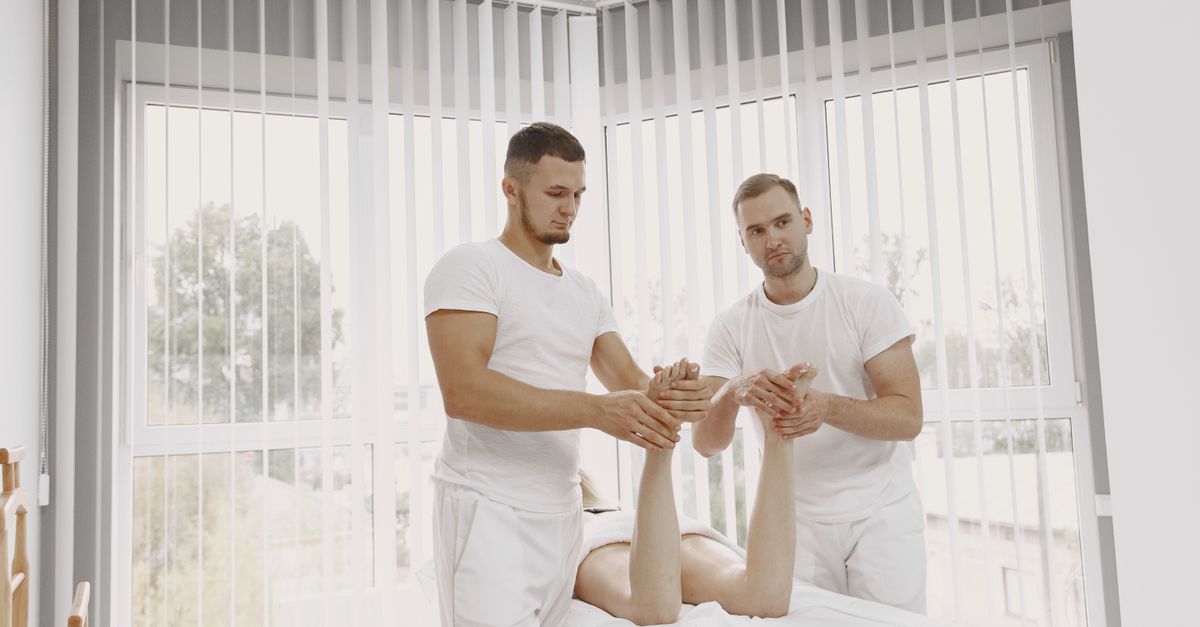
Most surgeons clear the use of a foot massager after knee replacement once early wound healing is confirmed and any blood clot risk has been assessed, which usually happens at a post-operative follow-up appointment rather than on a fixed calendar date. The surgical team's clearance, not a general timeline, determines when it is safe to resume this kind of at-home device. Once cleared, a foot massager may be used to support circulation in the lower leg during periods of reduced mobility. Anyone experiencing calf swelling, warmth, or pain in one leg should stop use and contact their surgical team immediately rather than waiting to see if it resolves.
If you're a few weeks out from a total knee replacement, you've probably already asked your surgeon or physical therapist when normal routines can come back into the picture. Using a foot massager after knee replacement is a common question, especially for people who relied on one before surgery and miss it during recovery. This isn't the same situation as using a foot massager after a routine outpatient procedure.
Knee replacement involves a longer recovery arc, real blood clot risk in the lower leg, and specific instructions from an orthopedic team that vary from patient to patient. What follows covers why circulation becomes a bigger concern after this particular surgery, what cleared use tends to look like, and the warning signs that mean stopping immediately and calling your surgical team.
Why Circulation Concerns Follow Knee Replacement
Total knee replacement, also called total knee arthroplasty, is a major orthopedic procedure. It involves cutting through soft tissue, temporarily restricting normal leg movement, and a recovery period where the operated leg moves far less than usual. That combination changes how blood moves through the lower leg, at least for a while.
Reduced Mobility Slows Blood Flow
The calf muscles work as a secondary pump, squeezing the veins in the lower leg to help push blood back up toward the heart. When someone spends more time sitting, reclining, or resting after surgery, that pumping action happens far less often. Blood can move more sluggishly through the calf and ankle as a result, which is one reason surgical teams pay close attention to the lower leg during the weeks after a knee replacement.
Blood Clot Risk After Knee Surgery
The American Academy of Orthopaedic Surgeons identifies deep vein thrombosis, or DVT, as one of the more serious risks following knee replacement surgery. That is why most patients are prescribed blood thinners, compression stockings, or sequential compression devices during early recovery. A DVT is a blood clot that forms in a deep vein, most often in the calf, and it requires prompt medical attention because a piece of the clot can travel to the lungs.
This is precisely why any at-home device involving the lower leg needs sign-off from the surgical team rather than a generic recovery timeline. Factors that can influence an individual patient's clot risk include:
- Limited mobility in the days immediately following surgery
- A personal or family history of blood clots
- Certain medications, including hormone therapy
- Obesity or other circulation-related health conditions
Swelling Is Common, But Not All Swelling Is the Same
Some swelling in the knee, ankle, and foot is a normal part of healing after joint replacement, and it can persist for weeks or even months. The difference between expected post-surgical swelling and a warning sign usually comes down to whether it's affecting both legs evenly or just one, and whether it's paired with warmth, redness, or pain. That distinction matters enormously, and it's covered in more detail below.
How Oscillation and Vibration Support Circulation
Many people search for a vibration foot massager when researching circulation support, since vibration is the term most massagers are marketed under. MedMassager uses oscillating technology to deliver deeper, more controlled vibration than conventional massagers. That control matters when the goal is gentle, consistent movement rather than a jarring sensation.
What Oscillation Physically Does
Oscillating motion moves the foot and ankle in a controlled, rhythmic circular pattern. That repeated motion engages the muscles surrounding the ankle and lower calf, encouraging blood to keep moving through the lower leg rather than settling in one place during long stretches of rest. It's the same mechanical principle behind ankle pumps and calf raises, the exercises physical therapists commonly recommend after joint surgery, just delivered passively through a device.
Why Gentle, Cleared Use Matters More Than Intensity
After a knee replacement, the goal isn't a deep-tissue or high-intensity session. It's low-level, consistent movement that supports normal circulation while tissue around the knee is still healing. When a surgical team clears a patient to use a device like MedMassager's professional-grade foot massager collection, they often attach specific limits:
- A lower intensity or speed setting than the patient used before surgery
- A shorter session length, sometimes only a few minutes at a time
- Foot positioning that keeps pressure away from the incision site
The device itself doesn't diagnose or treat any surgical complication. Its role is limited to supporting normal movement and circulation once a doctor has confirmed it's appropriate.
Getting Surgeon Clearance for Foot Massager Use
There is no universal week-by-week timeline for when a foot massager becomes appropriate after knee replacement, and any article that hands you a fixed number of days is skipping the part that actually matters. Every recovery is different depending on the patient's age, overall health, the surgical technique used, and how healing is progressing at follow-up visits.
What Surgeons Evaluate Before Clearing Use
At post-operative check-ins, surgical teams generally assess incision healing, range of motion, swelling patterns, and whether blood clot risk has decreased enough to reduce or stop blood thinners. These are the same factors that inform when a patient can resume other activities like driving or returning to work. A foot massager fits into that same category of "ask before resuming," not a default part of early recovery. Questions worth bringing to that appointment include:
- Is it safe to use a foot massager on the surgical leg specifically, or only the non-surgical leg for now?
- Are there recommended intensity or duration limits for early use?
- Should the device avoid direct contact with the incision site?
- Does current use of blood thinners or compression devices change the recommendation?
Why This Differs From General Post-Surgical Guidance
Recovery advice for a minor outpatient procedure doesn't transfer directly to a major joint replacement. Knee replacement involves a longer healing window, a higher baseline concern for lower-leg blood clots, and a rehabilitation plan usually managed by both a surgeon and a physical therapist. Deferring to that specific care team, rather than a general recovery timeline, is the safest approach for this procedure.
Using a Foot Massager After Knee Replacement
Once a surgical team has given the go-ahead, patients often start with short, low-intensity sessions rather than jumping back into a previous routine. The exact details should always come from the surgeon or physical therapist, but there are general patterns worth knowing so you can ask informed questions.
Starting Slow After Clearance
- Start with the lowest available intensity setting and a shorter session, often a few minutes rather than a full-length session.
- Position the foot and ankle as instructed, keeping the device away from the incision site and any surgical hardware.
- Watch how the leg responds in the hours afterward, not just during the session itself.
- Increase duration or intensity only with the surgical team's input, not based on how good it feels in the moment.
- Keep using any prescribed compression stockings or movement exercises alongside the massager rather than in place of them.
Surgical Leg Versus Non-Surgical Leg
Some surgical teams are comfortable with patients using a foot massager on the non-surgical leg earlier in recovery, since that leg isn't dealing with incision healing or hardware. Others prefer to wait until both legs have been evaluated at a follow-up visit. Either way, the surgical team's specific instructions override any general guidance found online, including this article.
That appointment is also a good time to ask whether oscillating foot massagers built for circulation support fit into your particular rehabilitation plan.
Warning Signs: Stop and Call Your Team
This is the section that matters most. Some symptoms after knee replacement are a normal part of healing, and others require immediate medical attention. Knowing the difference, and acting on it quickly, is part of safe recovery.
Signs That Warrant an Immediate Call
The Mayo Clinic and the CDC both list calf swelling, warmth, and pain in one leg as classic warning signs of a deep vein thrombosis, and these symptoms should never be brushed off as "just soreness" during knee replacement recovery. If you notice any of the following, stop using the foot massager and contact your surgical team the same day:
- Swelling in one calf that's noticeably worse than the other leg
- Warmth or redness over the calf or behind the knee
- New or worsening pain in one leg that doesn't match your usual post-surgical discomfort
- Sudden shortness of breath or chest pain, which can indicate a clot has traveled to the lungs and requires emergency care
Why This Isn't a "Wait and See" Situation
Unlike general muscle soreness, DVT symptoms tend to be localized to one leg and don't improve with rest or elevation the way normal post-surgical swelling does. Because a portion of a leg clot can break loose and travel to the lungs, causing a pulmonary embolism, calling the surgical team promptly matters more than trying to identify the cause yourself. If your surgical team is unreachable and you're experiencing chest pain or difficulty breathing, seek emergency care right away.
Frequently Asked Questions
When can I use a foot massager after knee replacement?
There's no fixed number of weeks that applies to everyone, since it depends on how your incision is healing, your individual blood clot risk, and what your surgeon observes at follow-up visits. Most patients get this clearance during a scheduled post-operative appointment rather than on a set calendar date. Always confirm directly with your surgical team before resuming use.
Is it safe to use a foot massager on the surgical leg?
This depends entirely on your individual healing progress, incision status, and whether you're still on blood thinners, so it's a question only your surgical team can answer accurately. Some patients are cleared to use a device on the surgical leg earlier than others, depending on how recovery is progressing. Ask specifically about the surgical leg at your next follow-up appointment rather than assuming general guidance applies to your case.
Can a foot massager help prevent blood clots after knee surgery?
A foot massager is not a substitute for prescribed blood clot prevention methods like compression stockings, blood thinners, or sequential compression devices, and it should never be used in place of those. Once cleared by a surgeon, gentle foot movement can support normal circulation in the lower leg during periods of reduced mobility. Any concerns about blood clot prevention should go to your surgical team, since they manage your specific risk factors and prevention plan.
What does calf swelling after knee replacement mean?
Some calf and ankle swelling is a normal part of healing after knee replacement and can last for weeks. Swelling that's noticeably worse in one leg than the other, especially when paired with warmth, redness, or pain, can signal a deep vein thrombosis and needs prompt medical evaluation. If you're unsure which category your swelling falls into, contact your surgical team rather than waiting to see if it improves.
Should I use a foot massager on both feet or just the surgical side?
This is another detail that varies by patient and should come from your surgical team rather than general guidance. Some surgeons are comfortable with earlier use on the non-surgical leg since it isn't dealing with incision healing, while others prefer to evaluate both legs before clearing either one. Bring this specific question to your next appointment.
How do I know if my surgeon has cleared me for a foot massager?
Clearance typically comes as a direct statement from your surgeon or physical therapist during a post-operative visit, often alongside guidance on intensity, duration, and positioning. If it hasn't come up, ask directly rather than assuming it's fine to resume based on how you feel. Written discharge instructions don't always cover at-home devices, so a direct conversation is the most reliable way to confirm.
Can foot massagers replace compression devices after knee surgery?
No, a foot massager is not designed to replace prescribed compression stockings or sequential compression devices used for blood clot prevention after knee replacement. These devices work through different mechanisms and are prescribed based on your individual clot risk assessment. Any changes to your prescribed circulation support equipment should be discussed with your surgical team first.
Bottom Line
Using a foot massager after knee replacement can be a reasonable part of recovery once your surgical team confirms it's appropriate for your specific healing progress. Circulation concerns in the lower leg are taken seriously after this procedure for good reason, and that's exactly why clearance, positioning, and intensity should come from your surgeon or physical therapist rather than a general timeline.
Watch for calf swelling, warmth, or pain in one leg throughout recovery, and treat any of those as a reason to stop and call your care team the same day. When you do get the green light, MedMassager's FDA-registered therapeutic foot massagers use oscillating motion to support gentle circulation in the feet and lower legs, and our full range of therapeutic massagers can be a useful resource as you rebuild your recovery routine.
This content is for informational purposes only and is not intended as medical advice, diagnosis, or treatment. Always consult a qualified healthcare professional before starting any new treatment or therapy. MedMassager products are FDA-registered Class I medical devices.


