
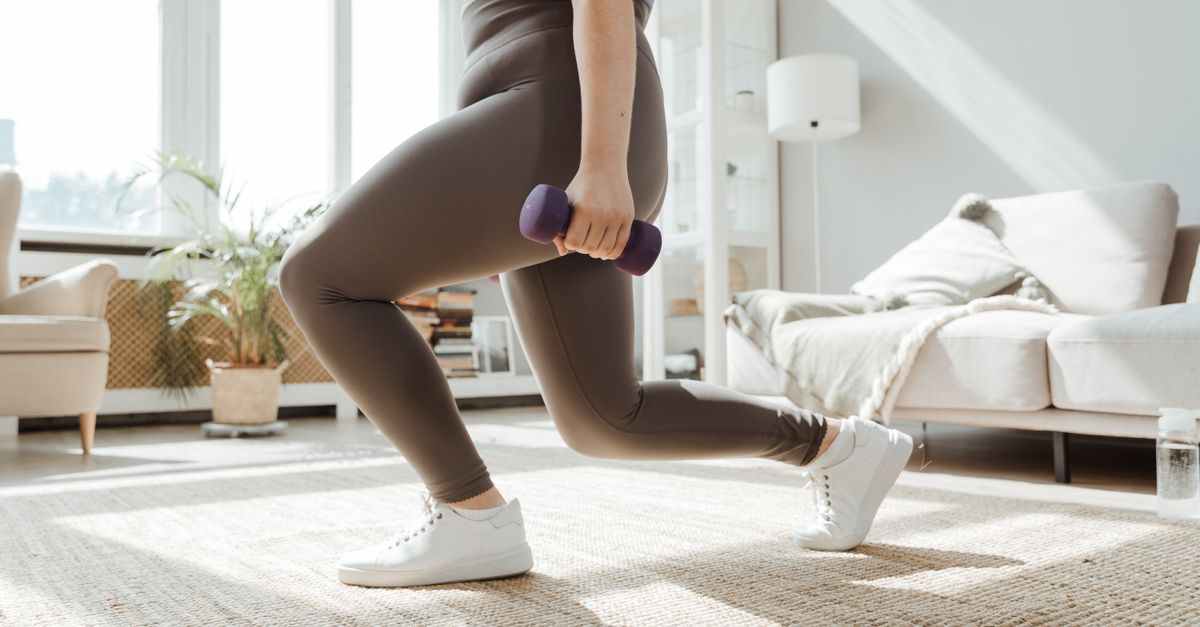
Exercising with poor circulation in the legs is generally safe and often beneficial when approached with gradual, low-impact movement such as walking, ankle pumps, and seated leg exercises. Movement activates the calf muscle pump, which pushes blood back toward the heart and reduces pooling in the lower legs. People with poor leg circulation should start with short sessions, watch for cramping or pain that resolves with rest, and stop and consult a doctor if that pattern appears repeatedly. Rest-day circulation support, including seated massage using oscillating motion, can complement an exercise routine without replacing it.
If your legs feel heavy, achy, or tight by mid-afternoon even on days you haven't done much, exercising with poor circulation in legs probably sounds like the last thing you want to do. That instinct is backwards. Movement is one of the few interventions that directly addresses the underlying problem rather than masking the discomfort.
This guide is for adults who've noticed sluggish blood flow in their legs, whether from a sedentary job, aging, or a diagnosed vascular condition, and who want a safe way to start moving again. You'll learn what's happening physiologically, how to progress exercise safely, which warning signs mean it's time to talk to a doctor, and how to support circulation on the days you're not exercising.
What Causes Sluggish Circulation in the Legs
Poor leg circulation isn't a single condition. It's a symptom that can come from several different mechanisms, some benign and some that need medical attention. Understanding which one applies to you shapes how aggressively you can exercise and what precautions matter most.
Peripheral Artery Disease
Peripheral artery disease, or PAD, occurs when arteries carrying blood to the legs narrow due to plaque buildup. Mayo Clinic describes PAD as a circulatory condition in which narrowed arteries reduce blood flow to the limbs, most commonly the legs. This is the condition most closely tied to exercise-induced leg cramping, because narrowed arteries can't deliver enough oxygenated blood to working muscles during activity.
Venous Insufficiency
Venous insufficiency is the opposite plumbing problem. Instead of arteries failing to deliver blood in, the valves in leg veins fail to push blood back out efficiently, causing it to pool below the knee. This often shows up as swelling, heaviness, and visible varicose veins rather than the sharp cramping associated with arterial issues.
Prolonged Sitting and Deconditioning
Prolonged sitting slows blood flow through the lower legs regardless of whether an underlying vascular condition exists. Muscles that aren't contracting don't help move blood upward, so it collects in the calves and feet. Common contributors to sluggish leg circulation include the following:
- Desk jobs or long commutes with limited movement
- Diabetes, which affects blood vessels and nerve signaling over time
- Smoking, which narrows blood vessels
- Obesity, which increases pressure on leg veins
- Aging, which naturally reduces vessel elasticity
Why Movement Is the Primary Therapy
The Calf Muscle Pump
Exercise is not just tolerated with poor leg circulation, it's often the frontline approach. The calf functions as a secondary pump for the circulatory system, and sitting still removes that pump from the equation entirely. That's why symptoms often worsen with inactivity rather than exercise.
Each contraction of the calf follows the same sequence:
- The calf muscle tightens and squeezes the deep veins running through it.
- Blood is pushed upward against gravity, back toward the heart.
- One-way valves in the veins close to keep it from sliding back down.
- The muscle relaxes, the veins refill, and the cycle repeats.
Building Collateral Circulation
Walking, cycling, and other rhythmic leg movements repeat this contraction-relaxation cycle hundreds of times per session. Over weeks, the body responds by developing more efficient blood flow pathways around narrowed sections of artery, a process sometimes called collateral circulation. This is part of why supervised walking programs are commonly recommended for people managing PAD-related leg pain.
Where Rest-Day Massage Fits In
If you've looked at a vibration foot massager for circulation support on rest days, here's how that mechanism compares to a workout. MedMassager uses oscillating technology to deliver deeper, more controlled vibration than conventional massagers, and that circular oscillating motion activates the same calf muscles used during walking, without requiring you to stand. Repeated foot motion activates the calf muscles, pushing blood upward instead of letting it pool in the feet.
For people easing back into activity, a session on a seated therapeutic foot massager on non-exercise days can supplement the muscle-pump effect exercise provides. Thigh and hamstring muscles benefit from the same principle, which is where a body massager built for larger muscle groups fits into a rest-day routine.
Safe Exercise Progression for Poor Circulation
The right starting point depends on your current activity level and whether you've been diagnosed with a vascular condition. The goal is consistent, gradual loading, not intensity.
Week One: Establish a Baseline
Start with short walks, five to ten minutes, at a pace where you can hold a conversation. If cramping appears, stop, rest until it resolves, and note how long that took. This baseline tells you and your doctor how your legs currently respond to activity.
Weeks Two Through Six: Build Duration Before Speed
Add two to three minutes per session every few days rather than increasing your pace. Many walking programs designed for claudication use an interval approach: walk until discomfort begins, rest briefly, then resume. This structure trains the legs to tolerate more activity over time without forcing through pain.
Choosing the Right Activities
Low-impact, rhythmic movements are generally the safest starting point. Consider these options:
- Walking on flat, even surfaces
- Stationary cycling at low resistance
- Seated leg extensions and ankle pumps
- Water walking, which reduces joint load while still working the calf pump
Avoid starting with high-impact activities like running or stair climbing until you've built a tolerance base through weeks of lower-intensity work.
Warning Signs to Stop and Call a Doctor
Exercise-related leg discomfort isn't automatically a reason to quit, but certain patterns need medical evaluation before you continue.
Intermittent Claudication
The single most important pattern to recognize is cramping, aching, or tightness that appears predictably during activity and resolves within a few minutes of rest. This is known clinically as intermittent claudication, and Mayo Clinic identifies it as a hallmark symptom of peripheral artery disease. If this pattern shows up consistently, at a similar distance or duration each time, talk to your doctor before increasing your exercise volume further, even if the pain goes away once you sit down.
Other Red Flags
Other signs that warrant stopping a session and seeking guidance include:
- Pain that does not ease within several minutes of rest
- Numbness or a cold sensation in one leg that doesn't match the other
- Skin discoloration, especially a bluish or pale tone in the foot or toes
- Sudden swelling in one leg only
- Wounds or sores on the feet that aren't healing
None of these signs mean you should abandon exercise altogether. They mean the type, intensity, or medical oversight of your routine needs adjustment.
Rest-Day Circulation Support
Exercise days build tolerance. Rest days are where a lot of people undo that progress by sitting still for hours, letting blood pool again in the lower legs. A simple rest-day routine can help maintain the gains from your exercise sessions.
A Simple Rest-Day Routine
- Elevate your legs above heart level for 10 to 15 minutes in the morning or evening.
- Use a seated foot massager for 15 to 20 minutes, keeping feet flat on the platform throughout the session.
- Perform ankle pumps and circles for two to three minutes every hour if you're seated for long stretches.
- Stay hydrated, since dehydration thickens blood and makes circulation less efficient.
How Seated Massage Fits In
The mechanism behind seated massage on rest days is the same calf-pump principle exercise relies on, just delivered passively. Oscillating motion moves the foot and lower leg in a controlled circular pattern, which mimics some of the muscle activation exercise produces without adding exercise-day fatigue on top of it. This makes it a reasonable complement for days when you're deliberately not doing cardiovascular work but still want to support blood flow.
For more general daily habits that support circulation beyond exercise days, our guide on improving circulation in the feet covers additional non-exercise strategies. If you're specifically researching massager options after a diagnosis of poor circulation, our detailed breakdown on using a foot massager for poor circulation covers product-specific mechanism details in more depth.
Special Considerations by Population
Not everyone with poor leg circulation should follow the same progression. A few groups need adjusted guidance.
People Managing Diabetes
Diabetes affects both blood vessels and nerve sensation in the feet, which changes how cramping or injury is felt during exercise. The circular oscillating action of a seated massager creates continuous, repetitive movement in the foot and calf, which supports circulation during use, and that is one reason seated circulation tools can complement exercise for this group. Daily foot checks for cuts or sores are essential before and after activity, since reduced sensation can mask minor injuries.
Older Adults
Balance and joint stability often matter as much as circulation when choosing exercise type for older adults. Options that reduce fall risk while still engaging the calf pump include:
- Stationary cycling at low resistance
- Seated leg exercises such as ankle pumps and extensions
- Supported walking, using a rail or walking aid
Post-Surgical Recovery
Anyone recovering from leg or vascular surgery should follow their surgeon's specific activity timeline rather than a general progression. Early mobility is often encouraged in small doses, but the pace is individualized and should not be self-directed.
Frequently Asked Questions
Is it safe to exercise with poor circulation in the legs?
For most people, yes, exercise is one of the primary recommended approaches for improving leg circulation over time. The exception is when cramping follows a predictable pattern that resolves with rest, which should be evaluated by a doctor before continuing an exercise program unsupervised. Starting slowly and progressing gradually is the safest approach for anyone with diagnosed or suspected circulation issues.
Why do my legs cramp when I exercise but feel fine at rest?
This pattern, called intermittent claudication, happens when narrowed arteries can't deliver enough oxygenated blood to leg muscles during the increased demand of activity. The cramping typically eases within minutes once you stop moving and demand drops back to resting levels. This specific pattern is considered a hallmark sign of peripheral artery disease and is worth discussing with a doctor.
What is the best exercise for poor circulation in the legs?
Walking is generally considered the most accessible and effective starting activity because it repeatedly engages the calf muscle pump without high joint impact. Stationary cycling and water walking are good alternatives for people who need lower joint stress. Seated ankle pumps and leg extensions can supplement these activities on days when standing exercise isn't practical.
How long does it take to improve circulation through exercise?
Many people notice some improvement in exercise tolerance within several weeks of consistent activity, though timelines vary based on the underlying cause and starting fitness level. Structured walking programs often build duration gradually over four to twelve weeks rather than producing overnight change. Consistency matters more than intensity for building lasting improvement.
Can a foot massager help with poor leg circulation?
A seated foot massager that uses oscillating motion can support blood flow by activating the calf muscles in a manner similar to walking, without requiring you to stand. This makes it a reasonable complement to an exercise routine on rest days, though it isn't a replacement for the muscle-building benefits of active movement. The mechanism works by repeated motion that pushes blood upward through the lower leg rather than letting it settle during inactivity.
Should I stop exercising if my legs swell afterward?
Mild, temporary swelling after activity is common, especially if you're new to exercise or have venous insufficiency. However, sudden swelling in one leg only, or swelling accompanied by pain, warmth, or redness, should prompt an immediate call to a doctor since it can signal a blood clot. Routine, symmetrical swelling that eases with elevation is generally less concerning but still worth mentioning at your next checkup.
Does sitting all day make leg circulation worse?
Yes, prolonged sitting reduces the calf muscle activity that normally helps push blood back toward the heart, allowing it to pool in the lower legs. This effect compounds over a workday and can offset some of the benefit gained from a morning workout. Standing briefly, walking for a few minutes each hour, or doing seated ankle pumps can help counteract this during long sitting periods.
Exercising With Poor Circulation in Legs: Bottom Line
Exercising with poor circulation in legs is safe for most people when approached with gradual progression, and it's often the most direct way to improve how your legs feel day to day. Start with short, low-impact sessions, build duration before intensity, and pay close attention to any cramping pattern that resolves predictably with rest. That specific warning sign deserves a conversation with your doctor rather than being pushed through. On rest days, seated circulation support can complement your progress without replacing the muscle-building work exercise provides.
If you're building a rest-day routine to go alongside your exercise plan, explore MedMassager's collection of seated foot massagers designed around circular oscillating motion for the lower legs and feet. The circular oscillating action creates continuous, repetitive movement in the foot and calf, which supports circulation during use.
This content is for informational purposes only and is not intended as medical advice, diagnosis, or treatment. Always consult a qualified healthcare professional before starting any new treatment or therapy. MedMassager products are FDA-registered Class I medical devices.


