
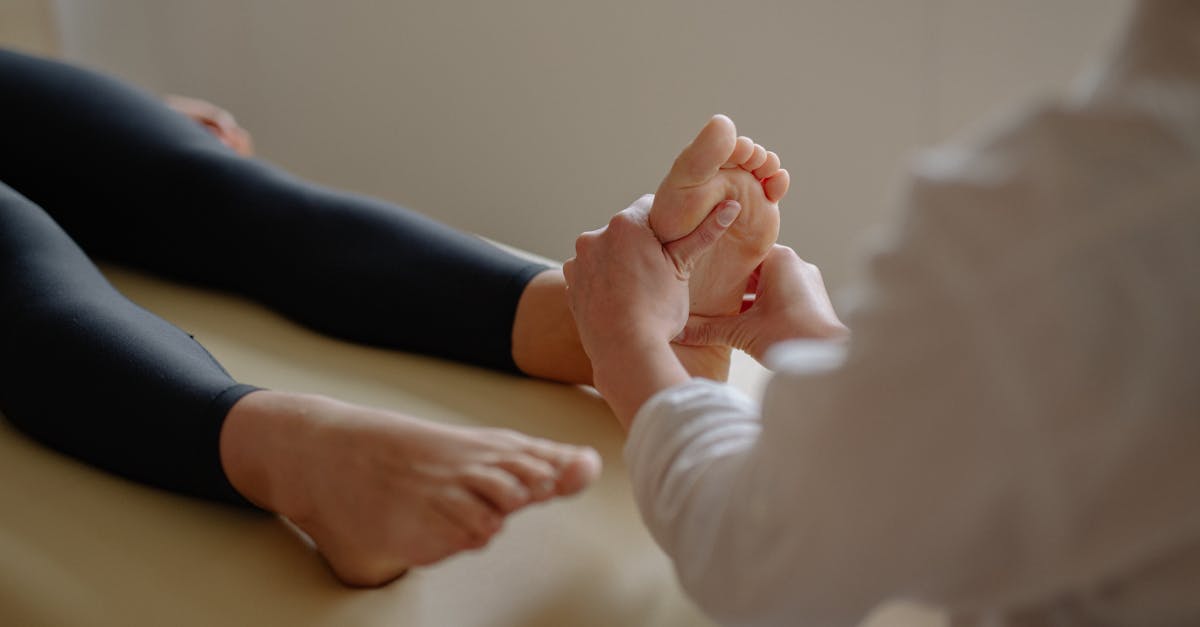
A foot massager for poor circulation works by stimulating repeated muscle movement in the feet and calves, which pushes blood upward through the lower extremities and helps prevent pooling. Oscillating foot massagers are particularly effective because they deliver continuous, controlled movement that activates the calf muscle pump without requiring active exercise. MedMassager's FDA-registered Class I therapeutic foot massagers are built specifically for people managing poor circulation, neuropathy, diabetes, and related conditions. When used consistently, a quality foot massager can support blood flow in the feet and lower legs as part of a broader circulation management routine.
Your feet are the farthest point from your heart — and when circulation is already compromised, that distance matters. If you've noticed persistent coldness in your feet, swelling around the ankles, numbness that doesn't resolve after sitting, or skin that looks pale or discolored at the end of the day, poor circulation is likely the common thread. Finding the right foot massager for poor circulation isn't just about comfort. For many people, it's a daily management strategy that directly affects how their legs and feet feel.
This guide breaks down how poor circulation develops, what to look for when choosing a therapeutic foot massager, and why oscillation technology outperforms standard vibrating massagers for people with circulation concerns.
What Causes Poor Circulation in the Feet?
Poor circulation in the feet and lower legs rarely has a single cause. It typically develops from a combination of underlying conditions, lifestyle patterns, and anatomical realities that compound over time.
Underlying Medical Conditions
Several common conditions directly impair blood flow to the extremities. Peripheral artery disease (PAD) narrows the arteries that supply the legs and feet, reducing blood delivery even at rest. Diabetes damages both blood vessels and nerves, making poor foot circulation one of the most serious long-term complications of the disease. Chronic venous insufficiency — where the veins struggle to return blood upward from the lower legs — causes blood to pool and leads to swelling, heaviness, and skin changes around the ankles.
Raynaud's disease causes episodes of dramatically reduced blood flow in response to cold or stress, turning fingers and toes white or blue. Peripheral neuropathy, which frequently accompanies diabetes, compounds the problem by reducing the natural muscle activity that supports circulation in the lower leg.
Lifestyle and Postural Factors
Even without a diagnosed condition, prolonged sitting is one of the most common drivers of poor foot circulation. When the legs are still for hours, the calf muscle pump — which normally squeezes veins to push blood back toward the heart — becomes inactive. Blood settles in the lower legs and feet, producing the swelling and heaviness that many office workers and frequent travelers recognize immediately.
- Prolonged sitting or standing without movement
- Sedentary lifestyle with limited daily walking
- Smoking, which constricts blood vessels throughout the body
- Obesity, which increases pressure on veins in the lower extremities
- Cold environments that cause peripheral vasoconstriction
Age-Related Changes
As people age, blood vessels naturally lose some elasticity and the heart pumps with less force. The calf muscles — which play a critical role in venous return — also weaken with age and reduced activity. This is why poor circulation in the feet becomes significantly more common after age 50, and why many older adults describe persistent cold feet, nighttime cramping, and foot heaviness that wasn't present in earlier decades.
How a Foot Massager Supports Circulation
The core problem with poor foot circulation is inactivity — specifically, the failure of the calf muscle pump to move blood back toward the heart. A therapeutic foot massager addresses this directly by introducing mechanical movement that substitutes for natural walking activity.
The Calf Muscle Pump Mechanism
When you walk, your calf muscles contract and release in a rhythmic pattern that squeezes the deep veins of the lower leg, pushing blood upward against gravity. This is called the calf muscle pump, and it's responsible for a significant portion of venous return from the legs. When you're sitting at a desk, reclining on a couch, or recovering in bed, this pump stops working — and blood begins to pool.
A foot massager that delivers oscillating movement to the feet triggers repeated muscle contractions in the feet and calves. This reactivates the pump mechanism passively, even while the rest of the body is at rest. The result is the same blood-moving effect achieved through walking, without requiring active effort from the user.
Oscillation vs. Standard Vibration
Most consumer foot massagers use basic vibration — a rapid back-and-forth motor movement that creates surface-level sensation. This can feel pleasant, but it doesn't penetrate deeply enough to activate muscle tissue in a meaningful way.
Oscillating technology is fundamentally different. Rather than producing random surface vibration, oscillation delivers a controlled, rhythmic movement pattern that travels through muscle tissue more effectively. MedMassager uses oscillating technology to deliver deeper, more controlled vibration than conventional massagers — reaching the muscle layers that drive the calf pump rather than just stimulating skin-level sensation. This mechanical depth is particularly important for people managing diabetes, neuropathy, or venous insufficiency, where superficial stimulation is insufficient.
Research on Mechanical Foot Massage
The connection between mechanical foot stimulation and improved lower limb circulation is supported by published research. Studies examining the effect of mechanical foot massage on venous return have shown measurable improvements in blood flow velocity in the lower extremities. This mechanism is also why physical therapy clinics have used therapeutic-grade oscillating massagers as part of circulation support protocols for decades, particularly for patients with limited mobility.
MedMassager's therapeutic foot massagers are built specifically around this oscillating mechanism, which is what separates them from the broad category of consumer vibrating foot massagers available at general retailers.
What to Look for in a Foot Massager
Not all foot massagers are designed with circulation in mind. If you're buying specifically to manage poor circulation — whether from diabetes, PAD, venous insufficiency, or prolonged inactivity — several features separate a genuinely therapeutic device from a comfort product.
Oscillation Technology and Vibration Depth
Oscillation penetrates muscle tissue more effectively than surface vibration. When comparing foot massagers, look for products that explicitly describe oscillating or therapeutic oscillation technology rather than generic "vibration intensity levels." The distinction matters because depth of movement drives the calf muscle activation that supports circulation — a device that only stimulates the skin surface won't produce the same effect.
Variable Speed Control
People managing circulation problems often have complicating conditions — diabetes, neuropathy, or vascular disease — that require careful control over intensity. A massager with a wide range of speed settings allows users to start at low intensity and work upward gradually, which is important for both safety and comfort. MedMassager's Foot Massager offers multiple speed settings for this reason, making it appropriate for people with sensitive feet as well as those seeking stronger therapeutic stimulation.
FDA Registration and Build Quality
For anyone using a massager as part of a circulation management routine — particularly people with diabetes, PAD, or neuropathy — the device's regulatory status matters. Look for products classified as FDA-registered Class I medical devices. This designation means the product has been reviewed and registered as a therapeutic device, not simply marketed as a consumer wellness product. MedMassager's Foot Massager carries this classification.
Durability matters just as much as regulatory standing. Circulation management requires consistency — a foot massager used once a week produces minimal benefit. Look for devices built for daily, multi-session use rather than occasional relief. Consumer-grade massagers with light motors often degrade quickly under daily use; clinic-grade construction is worth the investment for long-term users.
Platform Size and Surface Coverage
Effective circulation support requires adequate contact area. A massager platform that covers the full foot and stimulates the arch, ball, and heel provides more complete muscle activation than a small puck-style device targeting only the arch or sole. Larger surface area means more muscle tissue engaged per session and more consistent calf pump activation.
- Oscillating mechanism: activates muscle tissue, not just skin surface
- Variable speed settings: essential for sensitive or diabetic feet
- FDA-registered classification: confirms therapeutic intent and regulatory review
- Full-foot platform: broader contact area for more complete muscle activation
- Clinic-grade build quality: supports daily use without motor degradation
Daily Routine for Circulation Support
Getting the most from a therapeutic foot massager requires consistency and correct technique. The calf pump benefits of oscillating massage accumulate over repeated sessions — a single use produces short-term benefit, but a daily routine creates longer-term improvement in how your feet and legs feel.
Setting Up for a Session
- Choose a stable seated position. Sit in a chair that allows your feet to rest flat on the massager platform without straining your lower back or knees. Avoid using the massager while lying down in a position that puts tension on your ankles.
- Start at the lowest speed setting. This is especially important for people with neuropathy or diabetes, who may have reduced sensation in the feet. Beginning slowly allows you to assess comfort and response before increasing intensity.
- Allow 15 to 30 minutes per session. Research on lower limb circulation and mechanical massage generally supports session lengths in this range for meaningful circulatory effect. Sessions shorter than 10 minutes may produce less consistent results for circulation specifically.
- Gradually increase speed to your comfortable therapeutic level. Most users managing circulation concerns find a moderate speed setting delivers the right balance of muscle activation and comfort.
- Finish with a brief walk. Even a 5-minute walk immediately after your session extends the circulatory benefit by continuing the calf pump activity the massager initiated.
Frequency and Timing
For circulation support, daily use is more beneficial than occasional longer sessions. Morning use — before prolonged sitting — can prime blood flow for the hours ahead. Evening use — after a day of sitting or standing — helps clear pooled blood and reduce end-of-day swelling and heaviness. Many users managing venous insufficiency or diabetic circulation concerns use their foot massager twice daily: once in the morning and once in the evening.
Safety Notes for High-Risk Users
People managing diabetes, peripheral artery disease, or active deep vein thrombosis (DVT) should consult a physician before beginning regular foot massage therapy. Diabetic neuropathy reduces the ability to feel pain or pressure, which means users may not immediately notice if intensity is too high. Starting at the lowest speed and checking the feet visually after each session is essential practice for diabetic users. Anyone with an active DVT diagnosis should not use a foot massager without explicit medical clearance.
MedMassager vs. Consumer Foot Massagers
If you've used a standard foot massager from a big-box retailer and found the results underwhelming, the technology gap is likely why. The therapeutic foot massager market spans everything from inexpensive plastic platforms to professional clinic-grade devices — and the difference in clinical utility is significant.
Motor Power and Penetration Depth
Consumer foot massagers are typically built with low-wattage motors designed to produce surface sensation. They feel active, but the movement doesn't penetrate deeply enough to engage the muscle tissue responsible for calf pump activation. MedMassager's Foot Massager uses a professional-grade motor operating at the same power levels used in physical therapy clinics, delivering oscillation that reaches the muscle layers driving circulation rather than just producing surface-level vibration.
Regulatory Standing
The vast majority of consumer foot massagers are classified as general wellness products, which face minimal regulatory scrutiny. MedMassager's FDA-registered foot massagers are classified as Class I medical devices — a meaningful distinction for people using the product to manage real medical conditions. This classification reflects the device's design intent and construction standards, not just a marketing label.
Build Quality for Long-Term Use
After more than 15 years of building therapeutic massagers, MedMassager designs its products for the demands of daily clinical and home use. The motors, platforms, and speed controls are built to withstand multiple sessions per day over years — not the occasional 20-minute weekend use that consumer-grade products are typically designed around.
For people who need a foot massager as part of an ongoing circulation routine rather than occasional comfort, that durability difference becomes financially significant over time. One professional-grade device that lasts years outperforms a cycle of budget replacements in both cost and therapeutic consistency.
You can explore MedMassager's full range of therapeutic massagers for circulation support to find the right option for your needs. For those managing circulation concerns in the back, legs, or shoulders alongside foot issues, the Body Massager collection uses the same oscillating technology in a handheld format.
Frequently Asked Questions
Can a foot massager really improve circulation?
Yes — a therapeutic foot massager can support circulation by activating the calf muscle pump through repeated mechanical movement. This substitutes for the natural muscle contractions that occur during walking, helping push blood upward from the feet and lower legs. Oscillating massagers that reach deeper muscle tissue are more effective for circulation than surface-level vibrating devices, and consistent daily use produces more benefit than occasional sessions.
How long should I use a foot massager for circulation?
Sessions of 15 to 30 minutes are generally appropriate for circulation support. Shorter sessions under 10 minutes may not provide sufficient calf muscle activation to produce meaningful circulatory benefit. Daily use — ideally morning and evening — is more effective than single long sessions several times per week. Always consult your physician if you have diabetes, PAD, or any condition that affects blood flow in the lower extremities.
Is a foot massager safe for people with diabetes?
Many people with diabetes use therapeutic foot massagers as part of their circulation management routine, but caution is required. Diabetic neuropathy can reduce sensation in the feet, meaning users may not feel discomfort that would otherwise signal too much pressure or intensity. Starting at the lowest speed setting, checking the feet visually after each session, and consulting a physician before beginning regular use are all essential steps for diabetic users.
What is the difference between oscillation and vibration in a foot massager?
Standard vibration in most consumer massagers produces rapid surface-level movement that stimulates the skin and superficial tissue. Oscillation delivers a controlled, rhythmic movement pattern that penetrates more deeply into muscle tissue, which is what drives calf muscle activation and supports the venous return mechanism. For circulation purposes, oscillating technology is more effective because it engages the deeper muscle layers responsible for pushing blood upward through the lower legs.
Can I use a foot massager if I have varicose veins or venous insufficiency?
Many people managing chronic venous insufficiency use foot massagers to help reduce the pooling and swelling associated with poor venous return. However, varicose veins and venous insufficiency exist on a spectrum of severity, and individual circumstances vary significantly. Consulting a vascular specialist or physician before starting regular foot massage therapy is strongly recommended if you have a diagnosed venous condition.
How does a foot massager help with cold feet caused by poor circulation?
Cold feet from poor circulation result from insufficient blood flow delivering warmth to the extremities. A foot massager stimulates repeated muscle movement that activates the calf pump and increases local blood flow in the feet and lower legs. As circulation improves during and after a session, warmth returns as a direct result of increased blood delivery. Consistent daily use helps reduce the frequency and severity of cold feet in people managing chronic circulation issues.
Does using a foot massager replace exercise for circulation?
A therapeutic foot massager supports circulation through mechanical calf pump activation — the same mechanism engaged during walking — but it is not a replacement for regular physical activity. For people with limited mobility, post-surgical recovery restrictions, or conditions that make walking difficult, a foot massager provides meaningful circulatory support that would otherwise be absent. For those who can exercise, foot massage works best as a complement to activity, not a substitute.
The Bottom Line
For people managing poor circulation in the feet and lower legs, the right therapeutic foot massager is more than a comfort product — it's a daily tool for activating the calf muscle pump and supporting blood flow that the body struggles to maintain on its own. The key distinction is technology: oscillating massagers that engage deep muscle tissue outperform basic vibrating devices for genuine circulation support.
MedMassager's FDA-registered Foot Massager is built specifically for this purpose — with professional-grade motor power, variable speed control, and the clinical construction needed for consistent daily use over years, not months.
If you're ready to invest in a therapeutic device designed for people managing real circulation concerns, explore MedMassager's full collection of foot massagers for poor circulation to find the right fit for your needs.
This content is for informational purposes only and is not intended as medical advice, diagnosis, or treatment. Always consult a qualified healthcare professional before starting any new treatment or therapy. MedMassager products are FDA-registered Class I medical devices.


