
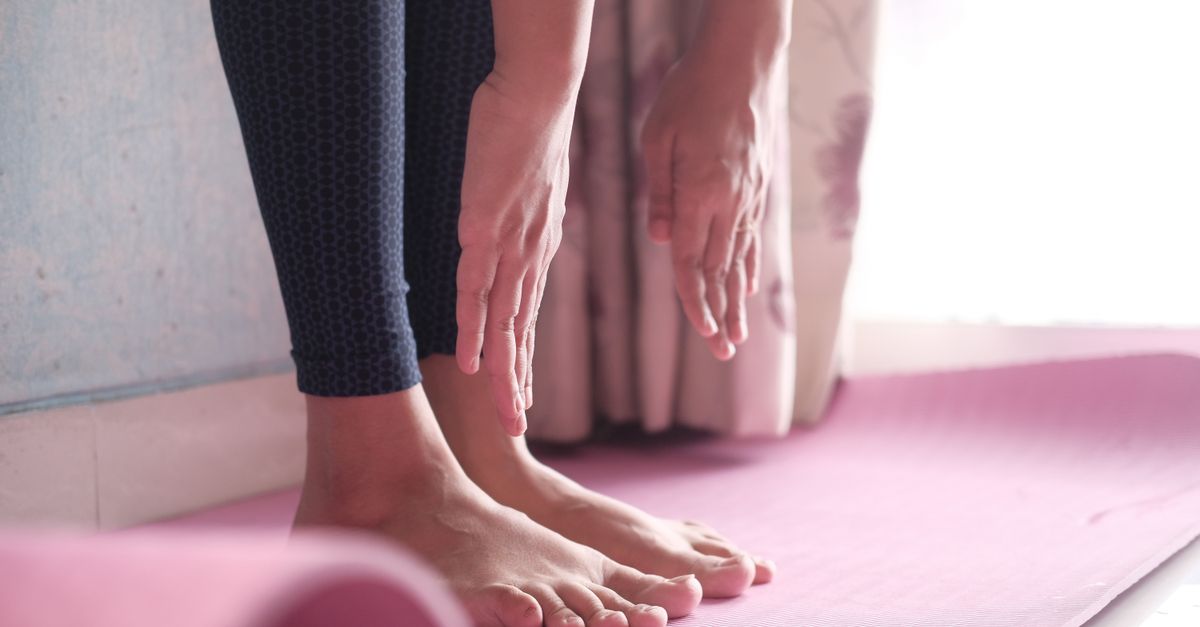
Standing desk sore feet develop because static standing keeps weight concentrated on the same points of the foot without the muscle-pumping action that walking provides. Unlike occupational standing where workers move between tasks, desk-based standing often means staying nearly motionless for long stretches, which slows blood return from the feet and lower legs. The fix involves alternating sitting and standing on a set schedule, using proper footwear and mat support, and giving the feet active recovery in the evening rather than just rest.
If you switched to a standing desk expecting less back strain and instead ended up with aching arches by 3 p.m., you're not imagining it. Standing desk sore feet are common enough that most people who make the switch experience some version of foot discomfort in the first few weeks, and for some it never fully resolves. This is a different problem than the foot pain that comes from working a retail or restaurant shift on your feet all day, and it's also different from the lower back pain that desk workers get from sitting too long. This guide covers why static standing at a desk affects your feet the way it does, how to set up your workspace to reduce it, and what an evening recovery routine, including seated massage, can do once the workday is over.
Why Standing Desks Leave Your Feet Sore
It seems logical that standing should be easier on the body than sitting all day, but standing motionless is its own category of stress on the feet. The problem isn't standing itself. It's standing without moving.
Static Standing vs. Walking Mechanics
When you walk, your foot rolls through a cycle: heel strike, midfoot contact, and toe-off. Each phase distributes pressure across a different part of the foot and activates the calf muscles in sequence. Standing still at a desk removes that cycle entirely. Your weight settles into one position, usually the heel and midfoot, for minutes or hours at a time, concentrating pressure on the plantar fascia and the small stabilizing muscles of the arch.
What Happens to Blood Flow When You Stand Still
The veins in your lower legs rely on the calf muscle contracting and relaxing to push blood back up toward the heart, a mechanism sometimes called the calf-muscle pump. Walking activates this pump continuously. Standing still barely activates it at all. Mayo Clinic describes prolonged standing as a contributor to blood pooling in the lower legs, which shows up as swelling, heaviness, and aching by the end of the day.
Common Foot Problems Standing Desk Users Develop
Desk workers who switch to standing setups tend to report a fairly consistent set of complaints. These typically include:
- Arch fatigue and a dull, deep ache through the midfoot
- Heel pain that worsens toward the end of the workday
- Mild swelling around the ankles by late afternoon
- Tightness in the calves from static loading
- Early signs of plantar fasciitis, particularly first thing in the morning
This is a distinct pattern from foot pain caused by standing all day in a job like retail or nursing, where the issue is often total hours on the feet rather than a lack of movement. If your work involves that kind of continuous occupational standing, our guide to foot pain from standing all day addresses that scenario in more depth.
How Seated Massage Helps After Standing
A lot of standing desk advice focuses on preventing pain during the workday, but what you do after you sit down matters just as much. Vibration-based foot massagers are a common recovery tool for this kind of fatigue, and MedMassager uses oscillating technology to deliver deeper, more controlled vibration than conventional massagers, rather than the surface-level buzz you get from a basic vibrating pad.
The mechanism is straightforward. The circular oscillating action creates continuous, repetitive movement in the foot and calf, which supports circulation during use. That movement keeps blood flowing through the foot instead of settling during rest, which is exactly the process that stalls out when you've been standing motionless for hours. For someone dealing with early plantar fasciitis symptoms from desk standing, that continuous movement addresses the same circulatory gap that walking would normally fill during the day.
Using a seated foot massager in the evening isn't about replacing movement during work hours. It's about giving the feet an active recovery period after a day of absorbing static load, which targets what desk standing leaves behind:
- Blood that has settled in the feet and lower legs
- Calf tightness from hours of static loading
- Arch fatigue from pressure concentrated in the same spots
This is an FDA-registered Class I medical device category, not a gimmick appliance, and the mechanism is consistent whether the fatigue comes from a desk job or a job that requires standing all shift.
Mats, Footwear, and Desk Setup Basics
Before you get to recovery, look at what's happening at your feet during the workday itself. Small setup changes reduce how much strain accumulates in the first place.
Anti-Fatigue Mats: What They Do and Don't Do
Anti-fatigue mats add a compressible surface that encourages tiny shifts in foot position, which helps offset some of the static loading problem. They don't eliminate it. A mat changes the surface you're standing on; it doesn't restore the calf-muscle pump activity that walking provides. If you're deciding between a mat and a massager for recovery, our anti-fatigue mat vs. foot massager comparison breaks down what each tool actually addresses.
Footwear Choices for All-Day Standing
Footwear at a standing desk should prioritize structure over cushioning alone. Overly soft shoes let the foot roll and destabilize over hours of static standing, which can aggravate arch and heel pain. Look for:
- Firm arch support that holds the midfoot in position
- A structured heel counter that limits heel roll
- A low heel and a sole that doesn't flex easily under load
Supportive shoes with these features keep your stance more stable through a full desk day than slippers or minimalist shoes.
Desk Height and Monitor Position
Poor desk height indirectly worsens foot pain because it changes how you distribute weight. A desk set too high encourages shifting weight onto the toes and forefoot; too low encourages slouching, which shifts pressure unevenly through the arch. Setting the desk so your elbows rest at roughly a 90-degree angle keeps your stance more neutral and your weight more evenly distributed.
Finding the Right Sit-Stand Ratio
The single biggest factor in standing desk foot pain isn't the desk, the mat, or the shoes. It's how long you stay in one position without changing it.
How Often to Switch Positions
A commonly recommended starting pattern is alternating roughly 30 minutes of sitting with 15 to 30 minutes of standing throughout the day, adjusting based on how your feet feel. People newer to standing desks often need a lower standing ratio at first, building up gradually rather than standing for hours on day one. There's no single ratio that works for everyone, since it depends on your baseline foot health and how physically demanding the rest of your day is.
Micro-Movements While Standing
Even within a standing block, you don't need to stay perfectly still. Small movements reintroduce some of the calf-pump activity that static standing removes. Useful options include:
- Shifting weight from heel to forefoot every few minutes
- Doing slow calf raises a few times per standing block
- Taking short walking breaks every 30 to 45 minutes
- Marching in place briefly if the workspace allows it
These small adjustments aren't a substitute for a proper sit-stand ratio, but they reduce how much static load accumulates during each standing interval.
Evening Recovery for Standing Desk Sore Feet
Once the workday ends, the goal shifts from prevention to active recovery. A simple, repeatable routine works better than sporadic effort.
- Sit down and remove shoes to let the feet decompress from the day's pressure points.
- Elevate the feet for 5 to 10 minutes if swelling or heaviness is noticeable.
- Use a seated foot massager session for 10 to 20 minutes, feet resting flat on the platform, starting at a lower intensity and adjusting up as tolerated.
- Stretch the calves and plantar fascia gently afterward while the muscles are warm.
- Repeat most evenings you've had a heavy standing day rather than only when pain is severe.
This routine is intended for seated use only; the platform is designed for feet resting on it while seated, not for standing exercises. Consistency matters more than duration here. A short, regular session most evenings does more for recovery than an occasional long one after pain has already built up.
Standing Desks and Aging Feet
Standing desk foot pain doesn't affect every age group the same way, and older readers dealing with this issue often have a different underlying picture.
Circulation Changes With Age
Vein valve function and skin elasticity in the lower legs gradually decline with age, which is part of why swelling and heaviness after standing tend to become more noticeable later in life. Older adults transitioning to a standing desk may need a more conservative sit-stand ratio than a younger colleague doing the identical job. Fat padding in the heel and forefoot also thins somewhat with age, reducing natural shock absorption during standing.
When Foot Pain Signals Something More
Occasional end-of-day soreness is a normal response to a new standing routine. Some symptoms, though, are worth discussing with a podiatrist or physician rather than managing on your own:
- Heel pain that persists after a few weeks of adjustment
- Numbness or tingling in the feet
- Swelling that doesn't go down overnight
This is especially true for people managing diabetes or circulatory conditions, where foot symptoms deserve closer attention.
Frequently Asked Questions
Why do my feet hurt more with a standing desk than sitting all day?
Standing still concentrates pressure on the same points of the foot for extended periods without the muscle-pumping motion that walking provides. Sitting has its own downsides for posture and lower back health, but it doesn't load the plantar fascia and arch the way static standing does. The discomfort from a standing desk tends to show up as foot and calf fatigue rather than the back and hip stiffness typical of prolonged sitting.
How long does it take to adjust to a standing desk?
Most people need two to four weeks of gradual adjustment before standing periods stop causing significant foot soreness. Starting with shorter standing blocks and slowly increasing standing time gives the feet and calves time to adapt. Jumping straight to standing most of the day in week one is a common reason people give up on standing desks entirely.
What is a good sit-stand ratio for beginners?
A common starting point is roughly 30 minutes of sitting for every 15 to 20 minutes of standing, adjusted based on how the feet feel by the afternoon. Beginners generally do better starting with less standing time than they think they need and building up over several weeks. The right ratio depends on your baseline foot health, footwear, and how much walking you already do outside of work.
Does an anti-fatigue mat actually help with standing desk foot pain?
Anti-fatigue mats can reduce discomfort by encouraging small shifts in foot position and softening the standing surface. They don't restore the calf-muscle pump activity that comes from actual movement, so they work best as one part of a broader routine rather than a complete fix. Pairing a mat with scheduled position changes and evening recovery tends to produce better results than relying on the mat alone.
Can a foot massager help with standing desk foot pain?
Yes, a seated foot massager can support circulation in the feet after a day of static standing by keeping blood moving through the muscles and tissue that stayed still during work hours. MedMassager's circular oscillating foot massagers are used seated, with the feet resting on the platform, and are intended for this kind of evening recovery rather than active workday use. The circular oscillating action creates continuous, repetitive movement in the foot and calf, which supports circulation during use.
Should I stand on a cushioned mat or a hard floor at my desk?
A cushioned or anti-fatigue mat is generally more comfortable for standing desk use than a hard floor, since it encourages small postural shifts and reduces direct impact on the heel and arch. Hard floors concentrate pressure more consistently in the same spots, which tends to worsen arch and heel fatigue over a full standing session. A supportive mat combined with proper footwear addresses more of the problem than either change alone.
Is standing desk foot pain a sign of plantar fasciitis?
Foot pain from a new standing desk routine can be an early sign of plantar fasciitis, particularly if the pain is sharpest in the heel first thing in the morning. Mayo Clinic describes plantar fasciitis as inflammation of the band of tissue connecting the heel to the toes, which is aggravated by prolonged static loading. If heel pain persists beyond a few weeks of adjusting your standing routine, it's worth having it evaluated rather than assuming it will resolve on its own.
The Bottom Line on Standing Desk Foot Pain
Standing desk sore feet come down to one core issue: static standing removes the muscle-pumping motion that walking normally provides, which lets blood pool and pressure concentrate in the same spots for hours. Adjusting your sit-stand ratio, choosing supportive footwear, and using a mat address the workday side of the problem. Evening recovery, including a seated massage session that uses circular oscillating motion to keep blood moving through the feet, addresses what accumulates after the desk is off for the day. Neither piece works well in isolation.
If your feet are still sore after a few weeks of adjustment, that's a reasonable point to add a recovery routine or talk to a healthcare provider. The MedMassager Foot Massager collection is designed for exactly this kind of seated, end-of-day use.
This content is for informational purposes only and is not intended as medical advice, diagnosis, or treatment. Always consult a qualified healthcare professional before starting any new treatment or therapy. MedMassager products are FDA-registered Class I medical devices.


