
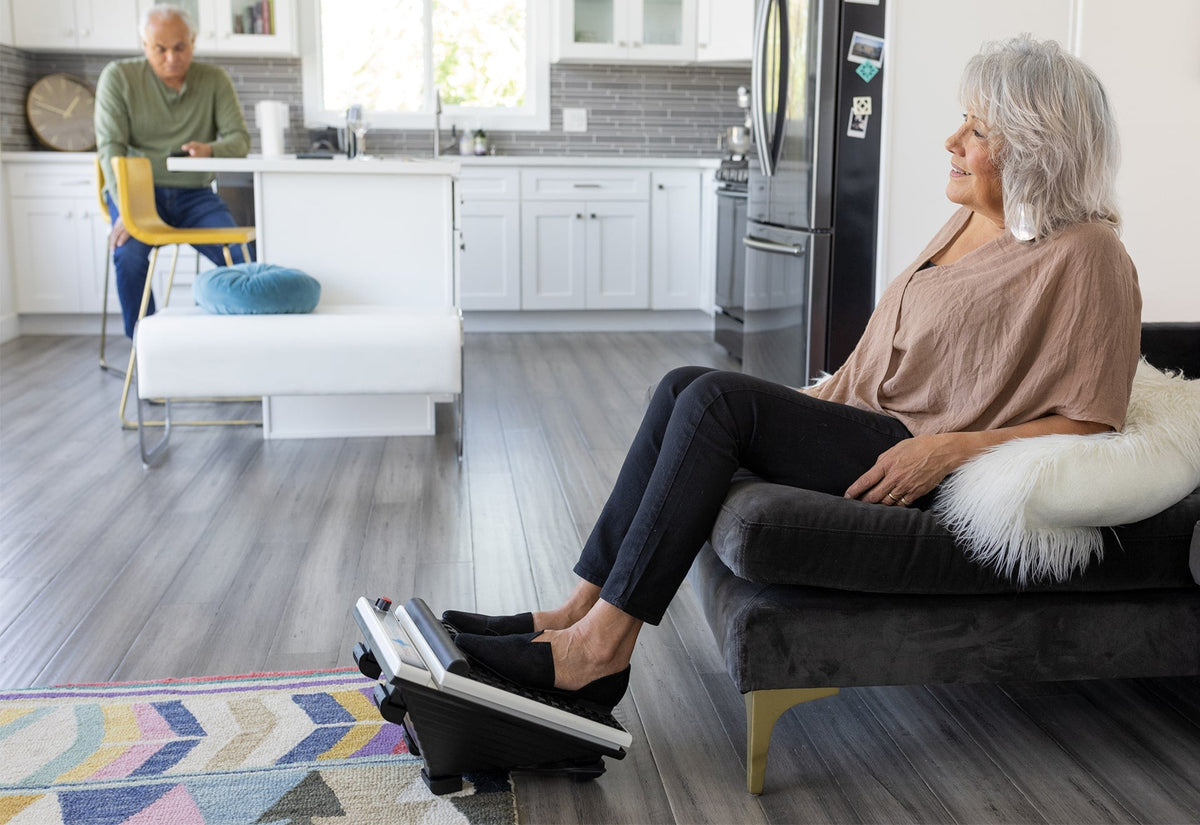
Leftover FSA money can typically be spent on FDA-registered medical devices, over-the-counter medications, first-aid supplies, vision and dental care items, and therapeutic massagers purchased for a documented medical purpose. Common eligible purchases include foot and body massagers, blood pressure monitors, orthopedic braces, and diagnostic tools. Some purchases, including certain massagers, may require a letter of medical necessity from a healthcare provider before they qualify for reimbursement. Account holders should always confirm eligibility with their specific plan administrator before their plan's use-it-or-lose-it deadline.
If you're staring at an FSA balance in November wondering what to buy with leftover FSA money before it disappears, you're not the only one. Every year, account holders reach December with unspent funds and a shrinking window to spend them before the money reverts to their employer. Some plans offer a grace period or a small carryover, but many don't, which turns this into an annual scramble for anyone with a flexible spending account.
This guide is for FSA holders who need a practical shopping list, not another explainer on deadline mechanics. It covers the categories of FSA-eligible purchases worth considering, where therapeutic massagers fit into that list, and how documentation requirements like a letter of medical necessity work in practice.
How FSA Eligibility Works
A flexible spending account only covers items the IRS classifies as qualified medical expenses. The IRS outlines these categories in Publication 502, which covers everything from prescription copays to certain medical equipment. Not every health-adjacent purchase qualifies automatically, and some require extra documentation before your plan administrator will approve reimbursement.
What Typically Qualifies Without Extra Paperwork
Many everyday health purchases are eligible without any special documentation. These tend to be items with an obvious, direct medical use.
- Over-the-counter pain relievers and allergy medications
- Bandages, thermometers, and first-aid kits
- Reading glasses and contact lens solution
- Blood pressure monitors and glucose test strips
What Requires a Letter of Medical Necessity
Some purchases sit in a gray area. Items that could be used for general wellness as easily as for a specific medical condition often require a letter of medical necessity, or LMN, signed by a healthcare provider. This documentation confirms the purchase is being made to manage a diagnosed condition rather than for general comfort. If you're considering a therapeutic massager, the section on LMN basics later in this guide walks through what that letter needs to include.
Best Categories for Leftover FSA Money
Once you know the basic eligibility rules, the next question is where to direct leftover FSA money before it expires. Most FSA holders overlook several eligible categories simply because they don't think to check.
- Pain management devices: TENS units, heating pads, and therapeutic massagers designed for circulation support
- Vision care: prescription eyewear, contact lenses, and LASIK consultations
- Dental care: orthodontia, deep cleanings, and dental guards
- Orthopedic support: braces, compression sleeves, and posture correctors
- Diagnostic tools: blood pressure monitors, pulse oximeters, and glucose meters
- Sun protection: sunscreen rated SPF 15 or higher
Therapeutic massagers deserve a closer look here. They're one of the more substantial purchases FSA holders can make with year-end funds, and one of the categories people are least aware qualifies at all.
How Therapeutic Massagers Qualify as FSA Purchases
Documented Condition vs. General Comfort
Therapeutic massagers can qualify as an FSA purchase when they're bought to manage a documented medical condition rather than for general relaxation. This is the distinction plan administrators are checking for, and it's why an LMN sometimes matters for this category. A device marketed purely as a comfort product reads differently to a plan administrator than one purchased to support circulation for a diagnosed condition.
Conditions commonly cited when a massager purchase is tied to a medical purpose include:
- Peripheral neuropathy affecting the feet
- Plantar fasciitis
- Chronic lower back tightness from prolonged sitting
- Circulation concerns in the feet and lower legs
Why Oscillating Vibration Is the Distinction
Most people shopping for a vibration foot massager are searching for the same thing: a device that does more than buzz against the soles. MedMassager uses oscillating technology to deliver deeper, more controlled vibration than conventional massagers. Foot massagers in the MedMassager foot massager collection oscillate in a circular motion rather than shaking, which is why they're positioned differently than the massagers sold at a general retailer.
For someone managing plantar fasciitis, the circular oscillating action keeps the foot and calf muscles moving so blood keeps flowing through the foot instead of settling during rest. That is the physical mechanism an LMN would typically reference. Body massagers work on the same principle for larger muscle groups, engaging deeper muscle layers and supporting local blood flow in muscles affected by prolonged sitting. The MedMassager body massager collection covers this category if a foot-specific device isn't the right fit for your situation.
Choosing Between Foot, Body, and Neck Massagers
Not every therapeutic massager targets the same part of the body, so matching the device to the actual complaint matters more than picking whatever is on sale. The three main categories each address a different area.
- Foot Massagers for neuropathy, plantar fasciitis, and foot or ankle circulation concerns
- Body Massagers for the back, legs, and arms
- Neck Massager for neck and upper trapezius tension
Foot Massagers are seated-use devices with an open, flat platform that oscillates in a circular motion under the feet. That continuous, repetitive movement engages the foot and calf muscles and supports circulation during use, which is why this category comes up so often for neuropathy and plantar fasciitis. Body Massagers rely on the same circular oscillating action for the back, legs, and arms, and suit tightness from prolonged sitting or general muscle stiffness.
The Neck Massager works on a different mechanism. It uses dual-direction rotating massage nodes with built-in heat, designed specifically for neck and upper trapezius tension rather than the feet or torso. If your primary complaint is neck stiffness from screen time or posture, the Neck Massager with built-in heat is the more relevant purchase than a body massager. For lower-body circulation concerns, a foot massager is usually the more direct fit.
How to Spend Leftover FSA Money Before Deadline
Once you've identified what you need, spending leftover FSA money comes down to a few concrete steps. Waiting until the final week narrows your options and can leave you without enough time to gather documentation if an LMN is required.
- Log into your FSA portal and confirm your exact remaining balance and your plan's specific deadline or grace period.
- Review your plan's eligible items list or call your administrator directly if a purchase category is unclear.
- If you're considering a therapeutic massager for a diagnosed condition, ask your healthcare provider about a letter of medical necessity before you buy, not after.
- Submit any required documentation alongside your claim rather than assuming it will be requested later.
- Keep an itemized receipt for every purchase in case your plan requires substantiation.
The specific rules around deadlines, grace periods, and forfeiture vary significantly by employer plan. Some employers allow a grace period of a few months into the new year, others permit a limited carryover, and some offer neither. Your plan documents or a quick call to your administrator will tell you which applies to you.
Letter of Medical Necessity Basics
An LMN is a short document, typically signed by a physician or other licensed provider, that connects a specific purchase to a diagnosed condition. It doesn't guarantee reimbursement. Your plan administrator makes the final call, and requirements differ between employers and between FSA administrators even within the same company.
A typical LMN includes three elements:
- The patient's diagnosis
- The recommended item or device
- A brief statement from the provider explaining why the item is medically necessary
Because the process can take a few days to a couple of weeks depending on your provider's availability, start this conversation well before your plan's deadline. Bring your plan's eligible items list to the appointment so your provider knows what the administrator will expect to see.
Frequently Asked Questions
What can I buy with leftover FSA money?
Leftover FSA money can generally go toward over-the-counter medications, first-aid supplies, vision and dental care, diagnostic tools like blood pressure monitors, and medical devices such as therapeutic massagers. Some of these purchases require no extra documentation, while others may need a letter of medical necessity depending on your plan. Checking your specific plan's eligible items list before buying is the most reliable way to confirm coverage.
Do therapeutic massagers qualify for FSA reimbursement?
Therapeutic massagers can qualify when purchased to manage a documented medical condition rather than for general relaxation. Many plans require a letter of medical necessity for this category since massagers can be used for both medical and general wellness purposes. Confirming eligibility with your plan administrator before purchase is the safest approach.
How do I get a letter of medical necessity?
A letter of medical necessity is typically requested from your physician or another licensed healthcare provider who is familiar with your condition. The letter usually states your diagnosis, the recommended item, and a brief explanation of why it's medically necessary. Processing time varies by provider, so it helps to request the letter before your FSA deadline rather than after.
Is it too late to spend FSA money at the end of the year?
It's rarely too late as long as your plan's deadline hasn't passed, though the exact cutoff depends on whether your employer offers a grace period or carryover. Waiting until the final days does limit your options, particularly if a purchase requires a letter of medical necessity. Checking your specific deadline early gives you the most flexibility in what you can buy.
Can I use FSA funds on a foot massager or body massager?
FSA funds can often be used on a foot massager or body massager when the purchase is tied to a documented medical condition such as neuropathy, plantar fasciitis, or chronic muscle tightness, since the device's circular oscillating action supports circulation and muscle movement during seated use. Some plans require a letter of medical necessity for this category before approving reimbursement. Contacting your plan administrator before purchase is the most reliable way to confirm your specific coverage.
What happens to unused FSA money?
Unused FSA money is generally forfeited back to your employer once your plan's deadline passes, unless your plan offers a grace period or a limited carryover amount. The specific rules depend entirely on your employer's plan design. Reviewing your plan documents or contacting your administrator directly is the only way to know your exact terms.
Bottom Line on Leftover FSA Money
Deciding what to buy with leftover FSA money comes down to matching an eligible category to a real need rather than making a last-minute purchase just to use the funds. Over-the-counter essentials, vision and dental care, diagnostic tools, and therapeutic massagers all fall within common FSA-eligible categories, though some require a letter of medical necessity before reimbursement is approved. Foot massagers, body massagers, and the Neck Massager each target different parts of the body, so choosing the right one depends on where you're managing discomfort.
None of this guarantees reimbursement, since final approval always rests with your plan administrator. If a therapeutic massager fits your situation, the MedMassager foot massager collection and the full massager catalog are worth reviewing before your FSA deadline arrives.
This content is for informational purposes only and is not intended as medical advice, diagnosis, or treatment. Always consult a qualified healthcare professional before starting any new treatment or therapy. MedMassager products are FDA-registered Class I medical devices.


