
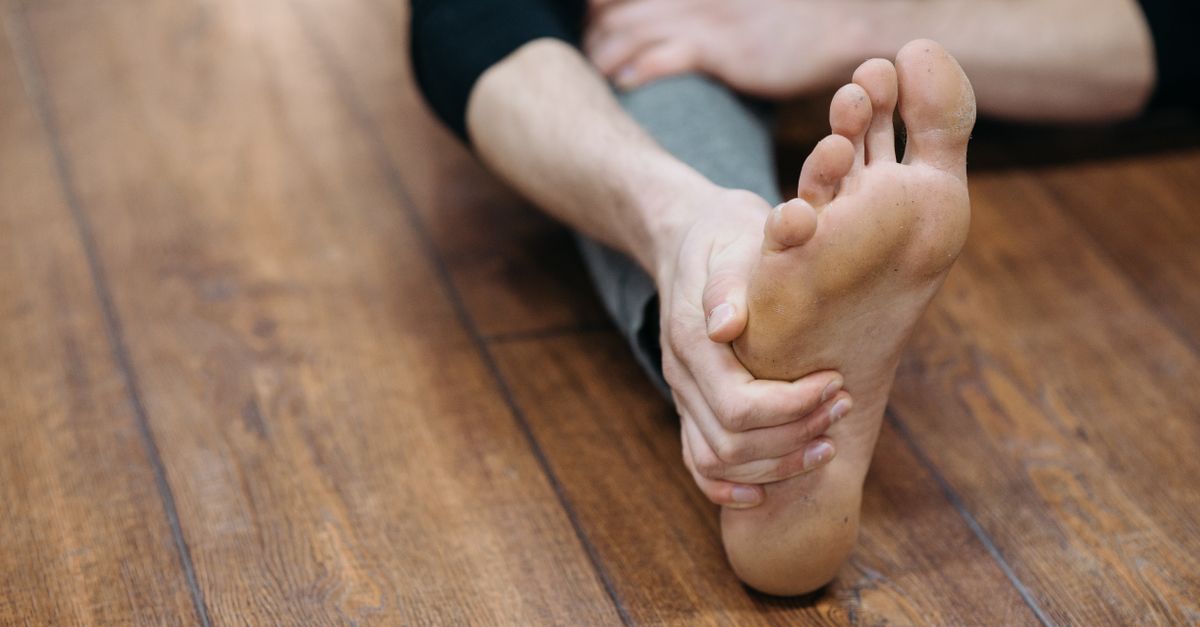
Pain on the outside of the foot, also called lateral foot pain, is commonly caused by peroneal tendon irritation, a fracture or stress fracture of the fifth metatarsal, a tailor's bunion, or footwear that overloads the outer edge of the foot. Where the pain sits, how it started, and whether you can bear weight are the clearest clues to the cause. Sudden pain after rolling the ankle, rapid swelling, bruising, or difficulty walking should be evaluated by a doctor, because some fifth metatarsal fractures heal slowly without proper care.
You notice it on the walk from the parking lot, or the moment you slide into a pair of shoes that felt fine last month: a sharp or nagging ache along the outer edge of your foot. Pain on the outside of the foot can come from a tendon, a bone, a bony bump, or the shoes you wear every day, and each of those calls for a different response. Because the outer foot takes load every time you step and push off, the problem tends to linger if you keep repeating whatever triggered it.
This guide is for anyone trying to understand lateral foot pain before booking an appointment, and for anyone already diagnosed who wants a clearer picture of what helps day to day. Below, you'll find the main causes, how to match symptoms to each one, the red flags that need prompt attention, and a practical routine built around footwear changes and seated massage.
What Causes Outside Foot Pain?
The outer border of the foot is sometimes called the lateral column. It includes the heel bone (calcaneus), the cuboid, the fourth and fifth metatarsals, and the tendons that wrap around the outer ankle. Pain on the outside of the foot usually traces back to one of these structures being overloaded, injured, or compressed.
Peroneal Tendon Irritation
Two muscles, the peroneus longus and peroneus brevis, run down the outside of your lower leg. Their tendons curve behind the bony knob of the outer ankle, called the lateral malleolus. The peroneus brevis attaches to the base of the fifth metatarsal, while the peroneus longus passes under the foot to the inner side. Together they steady the ankle and turn the foot outward.
When these tendons become irritated, the result is peroneal tendonitis or tendinopathy. Pain and swelling tend to sit behind or just below the outer ankle bone, worsen with activity, and sometimes come with a sense that the ankle is weak or wants to give way. Repeated ankle sprains, high arches, and a sudden jump in walking or time on uneven ground all raise the load on these tendons. For a deeper look at this specific condition, see our guide to peroneal tendonitis and massage.
Fracture or Stress Fracture of the Fifth Metatarsal
The fifth metatarsal is the long bone leading to your little toe, and it is one of the most frequently injured bones on the outer foot. An avulsion fracture happens at the base of the bone, often when you roll your ankle and the tendon attached there pulls off a small fragment. A Jones fracture occurs slightly farther along, in an area with a relatively limited blood supply, which is why these breaks can be slow to heal.
Stress fractures develop differently. Instead of one dramatic moment, repeated load creates tiny cracks over weeks. Pain often starts as a dull ache that worsens with walking and eases with rest, then becomes pinpoint tenderness along the bone. Early stress fractures do not always show on a first X-ray, so persistent bone pain deserves follow-up even after a normal image.
Tailor's Bunion (Bunionette)
The American Academy of Orthopaedic Surgeons describes a tailor's bunion, or bunionette, as a bony prominence on the outside of the foot at the base of the little toe. It forms at the head of the fifth metatarsal, either from inherited foot structure or from the bone angling outward over time. Narrow shoes press directly on the bump, causing redness, swelling, calluses, and pain on the outer edge of the foot near the toes. Our article on tailor's bunion footwear, padding, and massage covers practical ways to reduce that pressure.
Other Causes Worth Knowing
Several less familiar conditions also produce outer foot pain:
- Cuboid syndrome, where the cuboid bone shifts slightly out of position, often after an ankle sprain, causing pain in the middle of the outer foot
- Lingering effects of a lateral ankle sprain, including ligament laxity that keeps the ankle unstable
- Sural nerve irritation, which tends to feel like burning, tingling, or numbness along the outer foot rather than an ache
- Arthritis in the joints of the midfoot or between the heel and cuboid
- Corns and calluses from repeated pressure on the outer edge
Where Does It Hurt? Reading the Clues
The exact location of your pain narrows the possibilities considerably. Use this as a rough map before you see a clinician, not as a diagnosis:
- Behind or below the outer ankle bone: peroneal tendon irritation is the leading suspect, especially if it worsens with activity.
- The bony bump halfway along the outer edge: this is the base of the fifth metatarsal, a classic site for avulsion and Jones fractures.
- Along the shaft of the long outer bone: a stress fracture is possible, particularly if pain built gradually with increased walking.
- Beside the little toe: a tailor's bunion or shoe pressure on the fifth metatarsal head.
- The middle of the outer foot, deep inside: cuboid syndrome or midfoot arthritis.
- Burning or tingling along the outer edge: a nerve source such as sural nerve irritation.
Pressing gently along the outer edge can help you locate the sorest spot. If pressing directly on bone produces sharp, pinpoint pain, treat it as a possible fracture until a doctor rules it out.
How Footwear Drives Lateral Foot Pain
Shoes are often the hidden accelerant behind outer foot pain. If you have high arches or a supinated gait, your weight already rolls toward the outer edge. A shoe that is worn down on the outside of the heel tips you even further in that direction, increasing strain on the peroneal tendons and the fifth metatarsal with every step. Flip over a pair you wear daily; wear that runs heavily along the whole outer edge, not just the usual outer corner of the heel, is a strong hint.
Narrow toe boxes create a different problem. They squeeze the fifth metatarsal head, which aggravates a tailor's bunion and builds calluses. Flimsy sandals and very flexible flats let the ankle roll, which matters if you have a history of sprains. When choosing shoes, check for:
- A wide, rounded toe box with room beside the little toe
- A firm heel counter that holds the heel upright
- A midsole that resists twisting when you wring the shoe
- Laces or straps that secure the midfoot
- Soles without lopsided outer-edge wear
Red Flags for Outside Foot Pain
Some lateral foot pain can be managed with rest and shoe changes. Other presentations need a prompt medical evaluation, often with an X-ray. Contact a doctor or urgent care if you notice any of the following:
- A pop, snap, or sudden sharp pain after rolling or twisting your foot
- Difficulty taking more than a few steps or putting weight on the foot
- Rapid swelling, significant bruising, or a visible change in the foot's shape
- Pinpoint tenderness directly on bone, especially at the base of the fifth metatarsal
- Numbness, tingling, coldness, or color changes in the foot or toes
- Redness, warmth, fever, or an open wound, which can signal infection
- Pain that wakes you at night or does not improve after a week or two of rest and better footwear
Avoid massaging any area you suspect is fractured, and hold off on home routines until your care team has cleared you. Pushing through a fifth metatarsal fracture can slow healing.
Where Oscillation Fits With Lateral Foot Pain
Once serious injury has been ruled out, massage can play a supporting role alongside footwear changes and whatever your doctor or physical therapist has recommended. It works on the soft-tissue side of the problem rather than the structural side.
What Massage Can and Cannot Do
Massage will not mend a fracture or reshape a bony prominence. What it can address is the muscle tension, stiffness, and reduced blood flow that build up around an irritated area, especially when you spend long stretches sitting. For foot and ankle injuries, including peroneal tendon irritation, repeated muscle movement helps keep blood moving through the lower leg without stressing the joint. That distinction matters: the goal is circulation and comfort during rest, not forcing pressure into an injured spot.
Vibration vs. Oscillation
Many foot massagers are sold as vibration massagers, which typically rely on a motor shaking the unit. MedMassager uses oscillating technology to deliver deeper, more controlled vibration than conventional massagers. For the outer edge of the foot specifically, that difference shows up in three ways:
- The MedMassager Foot Massager oscillates in a circular motion rather than a less controlled shaking action
- The open flat platform lets the outer edge of your foot receive the same movement as the arch and heel
- Adjustable intensity settings let you start gently and build up as comfort allows
The Foot Massager is an FDA-registered Class I medical device and is used seated, with your feet resting on the platform. You can view the full collection of therapeutic foot massagers.
A Daily Routine for Lateral Foot Pain
This routine assumes red flags have been ruled out and your care team has not advised against these steps. Ask your doctor or physical therapist before starting if you are recovering from a fracture or tendon injury.
Step-by-Step Routine
- Check your shoes each morning. Choose the pair with the widest toe box and least outer-edge wear, and retire shoes that tip outward.
- Use seated massage. Sit upright in a stable chair with both feet flat on the platform of the MedMassager Foot Massager. Start with about 10 minutes at the lowest setting, once or twice a day.
- Add gentle ankle mobility. While seated, trace slow circles or the alphabet with each foot to move the ankle through its range.
- Stretch your calves. Hold a gentle calf stretch for about 30 seconds, two or three times, without bouncing.
- Strengthen as directed. Resisted eversion with an elastic band strengthens the peroneal muscles, but ask your physical therapist about timing and resistance.
- Ice after activity if swelling appears. Apply a wrapped cold pack for 10 to 15 minutes, never directly on skin.
Adjusting Over Time
Increase massage intensity one level at a time, and only if the previous setting felt comfortable throughout. The circular oscillating action creates continuous, repetitive movement in the foot and calf, which supports circulation during use, so steady, moderate sessions serve the purpose better than high intensity when peroneal tendon irritation is the issue. Stop any step that produces sharp pain, and note your symptoms each day so you can share a clear picture with your clinician.
Special Considerations for Diabetes and Neuropathy
If you live with diabetes or peripheral neuropathy, outer foot pain deserves extra caution. High arches and supination concentrate pressure along the lateral edge, which is a site where calluses and sores can form. With reduced sensation, you may not feel a blister or wound developing until it becomes serious. A foot that is suddenly warm, red, and swollen in someone with neuropathy needs same-day medical evaluation.
Seated massage can still be part of your routine with your care team's input. The Foot Massager's circular oscillating action creates continuous, repetitive movement in the foot and calf, which supports circulation during use. For people managing diabetes, that repeated foot motion activates the calf muscles, pushing blood upward instead of letting it pool in the feet.
For neuropathy, continuous movement helps keep blood flowing through the feet when natural movement is limited. Keep these precautions in mind:
- Inspect the outer edge and sole of each foot daily, using a mirror if needed
- Never use a massager over open wounds, sores, or infected skin
- Stay at lower intensity settings, since reduced sensation makes it harder to judge pressure
- Ask your doctor or podiatrist whether massage fits your treatment plan
You can review the MedMassager foot massager options and bring the details to your next appointment.
Frequently Asked Questions
Why does the outside of my foot hurt when I walk?
Outer foot pain when walking is often linked to peroneal tendon irritation, a stress fracture of the fifth metatarsal, or shoes that tilt your weight onto the outer edge. High arches and a history of ankle sprains also increase load on the lateral side. If the pain is pinpoint on bone or makes walking difficult, get an X-ray.
How do I know if lateral foot pain is a stress fracture?
Stress fracture pain usually builds gradually, worsens with weight-bearing, and eases with rest. Pressing directly on the bone produces sharp, localized tenderness rather than a broad ache. Early stress fractures may not appear on a first X-ray, so a doctor may order follow-up imaging if pain persists.
Can shoes cause pain on the outside of the foot?
Yes, footwear is a frequent contributor to pain on the outside of the foot. Narrow toe boxes press on the fifth metatarsal head, and shoes worn down on the outer heel push your weight further onto the lateral edge. Switching to shoes with a wide toe box, firm heel counter, and even sole wear often reduces symptoms.
What does peroneal tendonitis feel like?
Peroneal tendonitis typically causes pain and swelling behind or just below the outer ankle bone. The pain tends to worsen with activity, walking on uneven ground, or turning the foot outward. Some people also notice a feeling of ankle weakness or instability.
Is it safe to massage the outside of the foot when it hurts?
Massage is generally reasonable for muscle tightness and stiffness once a fracture, severe sprain, or infection has been ruled out. Avoid massaging over suspected broken bones, open wounds, or areas that are hot, red, and swollen. Start gently and stop if the pain becomes sharp.
How long does lateral foot pain take to heal?
Healing time depends entirely on the cause. Mild tendon irritation or shoe-related pain may settle within weeks once the aggravating load is reduced. Fifth metatarsal fractures, especially Jones fractures, can take considerably longer and may require a boot, crutches, or surgical evaluation.
Bottom Line on Outside Foot Pain
Pain on the outside of the foot usually points to the peroneal tendons, the fifth metatarsal, a tailor's bunion, or footwear, and the location of the pain is your best first clue. Red flags such as a pop, bruising, pinpoint bone tenderness, or trouble walking call for prompt medical evaluation.
Once serious injury is ruled out, better shoes, gentle mobility work, and seated massage can support comfort and circulation alongside your care team's plan. The Foot Massager's circular oscillating action creates continuous, repetitive movement in the foot and calf, which supports circulation during use. To see how that fits into a daily routine, explore the MedMassager Foot Massager collection.
This content is for informational purposes only and is not intended as medical advice, diagnosis, or treatment. Always consult a qualified healthcare professional before starting any new treatment or therapy. MedMassager products are FDA-registered Class I medical devices.


