
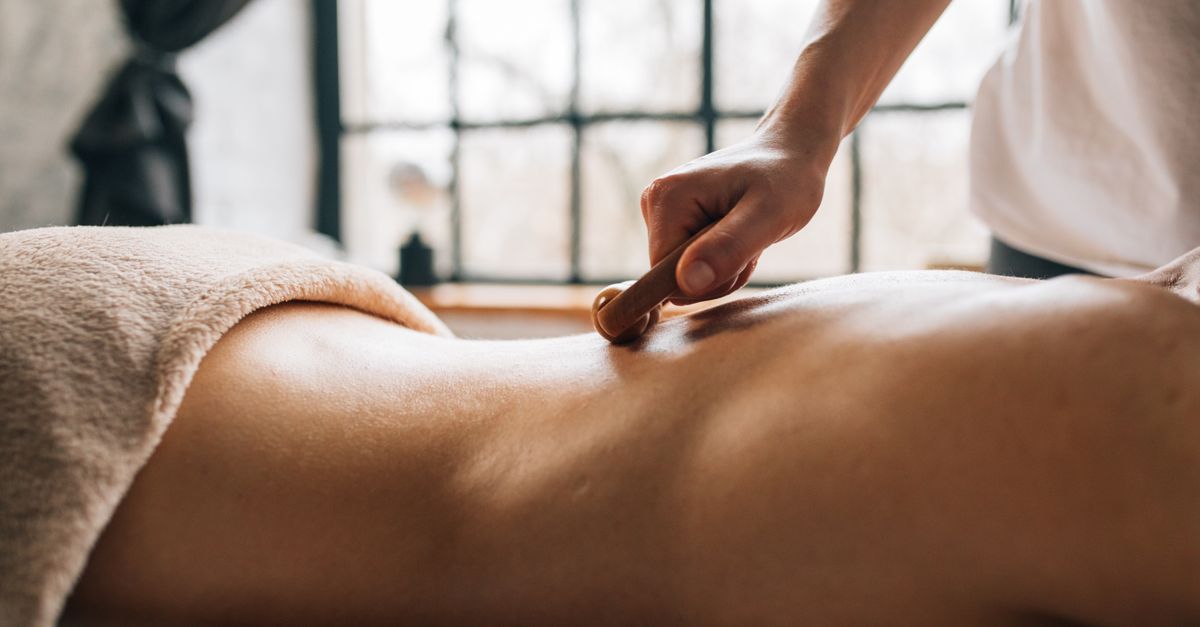
Massage is generally safe during menstruation for most healthy individuals. Light to moderate massage on the lower back, abdomen, and legs can help ease muscle tension and discomfort associated with menstrual cramps. Certain pressure points and very deep abdominal massage are best avoided during menstruation, particularly if you have conditions like endometriosis or fibroids. If your menstrual pain is severe, worsening cycle over cycle, or accompanied by unusual symptoms, consult a healthcare provider before relying on self-managed approaches.
You're dealing with cramps, lower back tension, or that heavy, achy feeling that settles in during your period — and you're wondering whether reaching for a massager or booking a session is actually a good idea. It feels like it should help, but there's also a persistent worry that massage might somehow make things worse. Is it safe to massage during your period? For most people, the short answer is yes — with some straightforward guidance on what tends to feel better, what to ease off on, and when pain signals something worth talking to a doctor about. This covers the safety picture, the comfort considerations by body area, and the specific approaches that work best for menstrual cramping.
Why Menstrual Pain Happens
Understanding the source of period discomfort helps clarify why massage can help — and where its limits are. Menstrual pain isn't random. It has a specific physiological cause rooted in how the uterus sheds its lining each cycle.
The Role of Prostaglandins
When menstruation begins, the uterine lining releases compounds called prostaglandins. These hormone-like chemicals trigger uterine muscle contractions that help expel the lining. Higher prostaglandin levels are associated with stronger contractions and more intense pain — which is why some people experience mild discomfort while others are temporarily incapacitated.
Prostaglandins can also enter the bloodstream in small amounts and affect nearby smooth muscle, contributing to the nausea, loose stools, and general malaise that sometimes accompany the first one to two days of a period. This systemic effect is part of why period pain can feel whole-body rather than localized to the uterus alone.
Muscle Tension and Referred Pain
Beyond the uterus itself, the muscles of the lower back, hips, and inner thighs often tighten in response to uterine cramping. This is referred pain — the nervous system maps discomfort from the uterus onto surrounding muscle tissue. The result is that back and hip ache during menstruation is often as much a muscular problem as a uterine one, which is exactly why massage can provide meaningful relief in those areas.
When Pain Is Not Typical: Dysmenorrhea
Clinicians distinguish between primary dysmenorrhea — painful periods without underlying pathology — and secondary dysmenorrhea, which is period pain caused by conditions like endometriosis, fibroids, adenomyosis, or pelvic inflammatory disease. According to the American College of Obstetricians and Gynecologists, secondary dysmenorrhea often produces pain that is more severe, starts earlier in the cycle, and may not respond to conventional relief measures.
This distinction matters for massage safety: what is appropriate self-care for primary dysmenorrhea may be insufficient — or occasionally contraindicated — for secondary causes.
Is Massage During Your Period Safe?
For most people without underlying pelvic conditions, massage during menstruation is considered safe and is commonly used for symptom management. Research on the topic is limited but consistently supportive of gentle to moderate massage for menstrual discomfort, particularly lower back and abdominal approaches.
What Research Indicates
Several small studies have examined massage for primary dysmenorrhea, generally finding that light to moderate massage of the abdomen and lower back reduces self-reported pain intensity during menstruation. The findings align with what is known about how massage affects muscle tension and circulation — neither of which is negatively impacted by menstruation itself.
The uterus is a muscular organ, and like other muscles in the body, increased local circulation and reduced surrounding muscle tension can support comfort. Massage does not increase menstrual bleeding in clinically meaningful ways in healthy individuals — a common concern that the evidence does not support.
What Actually Warrants Caution
The caution around massage during menstruation is largely about pressure depth and location, not about massage itself being contraindicated. A few specific considerations apply:
- Deep abdominal pressure: Firm, deep pressure directly over the lower abdomen is best avoided during the heaviest flow days, particularly for anyone with a history of fibroids, ovarian cysts, or endometriosis.
- Certain acupressure points: Points including Spleen 6 (SP6), located above the inner ankle, are traditionally avoided during pregnancy and are sometimes cautioned during menstruation by practitioners. Let your massage therapist know you are menstruating.
- High-intensity vibration over the abdomen: Aggressive mechanical massage directly over the uterine area during active cramping is not well-studied and is generally not recommended.
- Pre-existing pelvic conditions: Anyone with diagnosed endometriosis, fibroids, or pelvic inflammatory disease should discuss massage approaches with their gynecologist before using them for menstrual pain management.
Outside of these specific considerations, the concern that massage will "disrupt" a period or cause harm is not supported by evidence for healthy individuals.
Where Massage Helps Most During Your Cycle
Knowing which areas respond well to massage during menstruation helps you focus on what actually relieves discomfort. The most effective areas are those where referred pain and muscular tension accumulate — not the uterus itself.
Lower Back
The lumbar region is one of the most consistently effective areas to address during menstruation. The erector spinae muscles and the muscles surrounding the sacrum tighten in response to uterine cramping, and gentle to moderate massage of this area — using circular pressure, sustained holds, or a therapeutic body massager held against the lower back — can meaningfully reduce that tension.
A heating pad combined with massage is a particularly effective combination here. Heat relaxes muscle tissue and increases local circulation, which makes the tissue more responsive to massage pressure.
Hips and Sacrum
The sacroiliac joint area and the outer hip muscles — particularly the piriformis and gluteus medius — are common sites of referred menstrual pain. Gentle pressure and circular massage strokes over these areas are generally well-tolerated and can interrupt the referred pain cycle. Lying on one side and applying massage to the hip and sacral area is a comfortable position for many people during the first two days of their period.
Abdomen: Light Touch Only
Light, circular massage of the lower abdomen — using fingertips rather than deep pressure — is a technique supported by several small clinical studies on primary dysmenorrhea. The motion typically follows the direction of the large intestine: up the right side, across the upper abdomen, and down the left side. This approach applies gentle stimulation rather than deep tissue pressure.
If abdominal touch during cramping feels worse rather than better, stop. Not everyone finds direct abdominal massage comfortable during active cramping, and lower back work alone may be more effective.
Legs and Thighs
The inner thighs are a common site of referred menstrual pain due to shared nerve pathways. Light to moderate massage of the inner thigh, hamstrings, and calves can reduce overall tension and support circulation in the lower body during menstruation. Using a foot massager during your period can also help — the oscillating vibration activates calf muscles and supports blood flow upward through the lower leg, easing the heavy, congested feeling some people experience during menstruation.
How to Massage for Menstrual Cramps
If you want to use massage specifically for cramping, technique and positioning matter. The goal is muscular relief and improved circulation — not deep tissue work on the uterine area itself.
Lower Back Routine
- Find a comfortable position. Lying face-down on a soft surface works well, or sitting forward in a chair with the lower back accessible. A side-lying position with a pillow between the knees is also comfortable during heavy flow days.
- Apply heat first. A heating pad on the lower back for 10 to 15 minutes before massage loosens the tissue and increases the effectiveness of massage pressure.
- Use circular pressure on the sacrum. Using your thumbs, fingertips, or a handheld body massager, apply gentle circular pressure on either side of the sacrum and across the lower lumbar spine. Avoid pressing directly on the spine itself.
- Work outward to the hips. Move pressure from the sacrum outward toward the hip bones and into the outer glute area. Five to ten minutes on the lower back and sacral area is typically sufficient.
- Adjust pressure to tolerance. During the heaviest days of your period, lighter pressure is usually more comfortable than deep tissue work. Let your body guide the intensity.
Abdominal Routine
- Lie on your back with knees bent. This reduces tension in the abdominal wall and makes light massage more comfortable.
- Use very light fingertip pressure only. Place your fingertips just below the navel and apply gentle, circular strokes moving clockwise — up the right side, across the upper abdomen, down the left side.
- Keep sessions short. Two to five minutes is generally enough for abdominal massage during menstruation. This is not a technique that benefits from extended duration during active cramping.
- Stop if discomfort increases. Abdominal massage during active cramping does not feel good for everyone. If pressure makes cramping worse, shift entirely to lower back work.
Using a Massager Device
A handheld body massager can be an effective tool for lower back and hip relief during menstruation. The oscillating motion of a device like the MedMassager Body Massager penetrates deep into the erector spinae and surrounding musculature without requiring a partner or uncomfortable positions. Apply the device to the lower back and sacral area at a low to moderate speed setting during the first two days of your cycle, and increase intensity only as your tolerance allows. Avoid applying any powered massager device directly over the lower abdomen during active cramping.
Symptoms That Mean You Should See a Doctor
Massage is a reasonable first-line comfort measure for typical menstrual discomfort. It is not a substitute for medical evaluation when certain warning signs are present. Knowing the difference is an important part of safe self-management.
- Pain that is worsening cycle over cycle: Primary dysmenorrhea tends to improve with age and after pregnancy. Increasing pain over successive cycles may indicate an underlying condition like endometriosis or fibroids.
- Pain that begins before menstruation and continues after it ends: Typical menstrual cramping is concentrated in the first one to two days of flow. Pain that extends several days before the period begins or persists well after bleeding stops warrants evaluation.
- Pain that does not respond to OTC medications or massage: When standard approaches — ibuprofen, heat, massage — provide little to no relief, that lack of response can itself indicate secondary dysmenorrhea.
- Unusually heavy bleeding: Soaking more than one pad or tampon per hour for several consecutive hours is considered heavy bleeding and warrants medical attention regardless of pain level.
- Pelvic pain outside of menstruation: Pain during intercourse, during bowel movements, or at other points in the cycle is not a normal feature of primary dysmenorrhea.
- Sudden severe pain: A sudden onset of severe pelvic pain during or outside of menstruation should be evaluated promptly, especially if accompanied by fever, nausea, or vomiting.
These symptoms don't mean massage has caused harm — they mean the underlying cause of the pain needs to be identified by a healthcare provider before self-management is the right approach.
Frequently Asked Questions
Is it safe to get a professional massage while on your period?
Yes, for most people without underlying pelvic conditions, getting a professional massage during menstruation is safe. Let your massage therapist know you are menstruating so they can adjust pressure depth, avoid certain acupressure points, and focus on areas most likely to provide comfort. A professional therapist will typically lighten abdominal work during menstruation and emphasize lower back and hip techniques.
Can massage make period cramps worse?
Deep or firm pressure applied directly over the lower abdomen during active cramping can increase discomfort for some people. Light abdominal massage and lower back massage are generally well-tolerated, but individual responses vary. If any massage approach makes cramping feel worse, stop that technique and shift to a different area or reduce pressure intensity.
Does massage increase menstrual bleeding?
There is no strong clinical evidence that general body massage meaningfully increases menstrual bleeding in healthy individuals. The physiology of menstruation is controlled by uterine contractions and hormonal signals, not by external massage of the back, hips, or legs. If you notice a change in bleeding that concerns you, consult a healthcare provider.
What type of massage is best for period cramps?
Light to moderate massage of the lower back and sacral area is the most consistently effective approach for menstrual cramp relief. Light circular massage of the lower abdomen is also used for primary dysmenorrhea, though not everyone finds direct abdominal touch comfortable during active cramping. Heat applied before or alongside massage tends to improve results either way.
Should I avoid massage if I have endometriosis?
People with endometriosis should discuss massage approaches with their gynecologist before using them for menstrual pain management. Deep abdominal massage can be contraindicated depending on the location and extent of endometrial tissue involvement. Light lower back and hip massage may still be appropriate, but medical guidance specific to your diagnosis is the right starting point.
How often should I use massage for menstrual cramps?
Most people find that 10 to 20 minutes of lower back or abdominal massage during the first one to two days of menstruation — when cramping is typically most intense — provides meaningful relief. Sessions can be repeated as needed throughout the day. Using a body massager makes it practical to do multiple shorter sessions rather than one prolonged session.
Is it safe to use a massager device during your period?
Yes, using a handheld or electric massager on the lower back and hips during your period is generally safe for healthy individuals. Avoid applying a powered massage device directly over the lower abdomen during active cramping. For the lower back, sacral area, and outer hips, a body massager at a low to moderate intensity setting is a practical and effective option for managing menstrual muscle tension.
The Bottom Line on Massage During Your Period
For most people, massage during menstruation is not only safe — it is one of the more practical tools for managing the muscle tension and discomfort that accompany a typical period. The key is focusing on the right areas (lower back, hips, sacrum, and light abdominal touch) at appropriate pressure levels, and recognizing that the uterus itself is not a massage target.
Where massage helps most is in the referred pain and muscular tension that build up around the uterus — the lower back that aches, the hips that tighten, the inner thighs that carry cramping. These are muscle and circulation problems that respond well to the same approaches that work for muscle tension in any other context.
The safety line is clear: typical primary dysmenorrhea is appropriate for self-managed relief including massage. Pain that is severe, worsening, or accompanied by other symptoms belongs in a clinical conversation first. If you are looking for a tool to support lower back and hip relief during your cycle, explore the MedMassager Body Massager collection — built for the kind of sustained, targeted relief that a heating pad alone can't provide.
This content is for informational purposes only and is not intended as medical advice, diagnosis, or treatment. Always consult a qualified healthcare professional before starting any new treatment or therapy. MedMassager products are FDA-registered Class I medical devices.


