
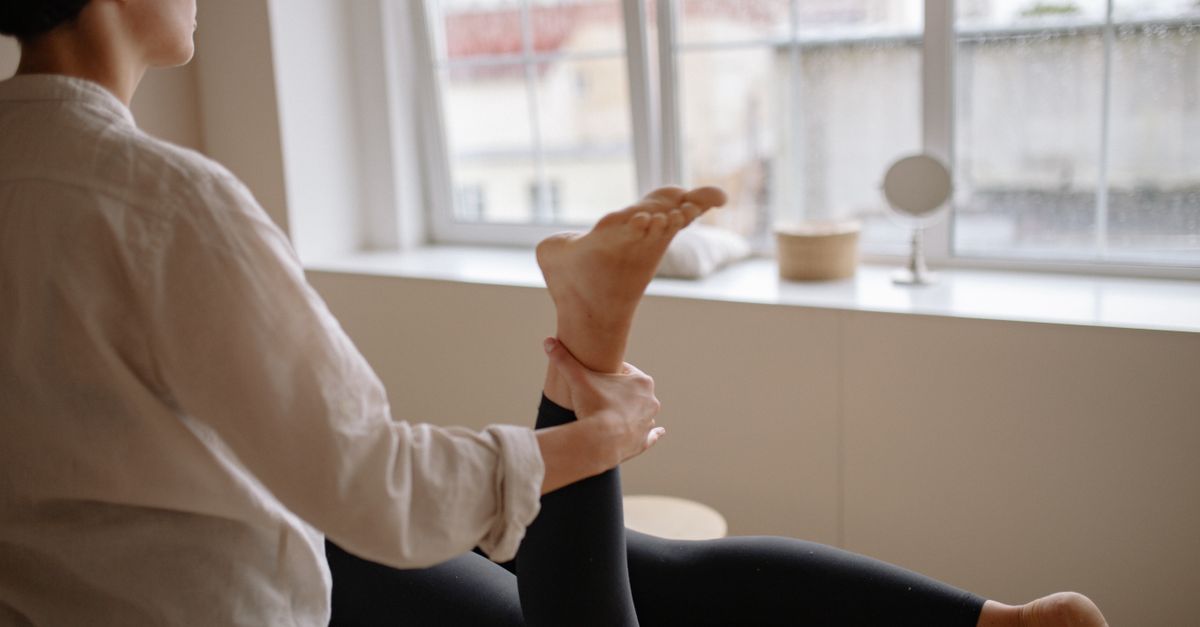
Circulation can be improved without traditional exercise through seated movements such as ankle pumps and seated marching, leg elevation above heart level, adequate hydration, warmth, properly fitted compression garments, and mechanical seated massage. These methods activate the calf muscle pump and support venous blood return without requiring standing, walking, or high-impact activity. People with limited mobility due to age, injury, disability, or long-term wheelchair use can use these seated and passive strategies as a practical alternative to conventional exercise. Consistency and frequency throughout the day matter more than intensity when exercise capacity is limited.
If a doctor has told you to "move more" for your circulation but standing up, walking, or exercising simply isn't realistic right now, you're not alone. Figuring out how to improve circulation without exercise is a daily reality for millions of people who manage blood flow from a wheelchair, a recliner, a hospital bed, or a chair they can't safely leave unassisted for long. For them, the question is less about willpower and more about finding methods that work within real physical limits.
This guide is written for seniors, wheelchair users, people recovering from surgery or stroke, and anyone whose joints, muscles, or condition rule out traditional workouts. It covers seated movements, positioning habits, hydration, warmth, compression basics, and seated massage techniques that support blood flow when walking isn't an option, along with honest guidance on where light movement still helps.
Why Circulation Slows When Movement Is Limited
The Calf Muscle Pump
Blood circulation in the lower legs depends heavily on muscle activity, not just the heart. With every step, the calf muscles contract and squeeze the veins running through them, pushing blood upward against gravity and back toward the heart. This mechanism is sometimes called the calf muscle pump, and it does much of the work of moving blood out of the legs. When a person sits or lies down for extended periods without engaging these muscles, that pump slows down and blood has a harder time moving against gravity.
Common Causes of Reduced Circulation
Mayo Clinic describes peripheral edema, or swelling in the lower legs and feet, as fluid buildup in the tissues that becomes more noticeable during long periods of inactivity. This is one of the most visible signs that circulation has slowed. Several factors commonly reduce circulation for people who cannot exercise conventionally.
- Long-term wheelchair use, which removes the walking motion that normally activates the calf pump
- Bed rest following surgery, illness, or injury
- Arthritis or joint pain that limits ankle and knee movement
- Neurological conditions such as stroke or multiple sclerosis that affect muscle control in the legs
- Advanced age, which can reduce vein elasticity and slow overall blood flow
None of these situations mean circulation cannot be supported. It simply means the strategy has to work around, rather than depend on, standing exercise.
How Seated Movement Supports Circulation Without Exercise
The goal of seated circulation work is to reproduce, in a smaller and safer way, what the calf muscle does during walking. Even small, repeated contractions of the foot and calf muscles can help move blood upward when done consistently throughout the day.
Ankle Pumps and Circles
These two movements are the foundation of seated circulation work because they target the calf directly. Both can be done from a wheelchair, recliner, or hospital bed without standing.
- Ankle pumps: flex the foot up and down repeatedly, similar to pressing a gas pedal
- Ankle circles: rotate the foot slowly in one direction, then the other, to work the muscles from a different angle
Seated Marching
Seated marching means lifting one knee at a time while sitting, as if marching in place without leaving the chair. This activates the thigh and hip muscles in addition to the lower leg, giving a broader circulation benefit for people who can safely lift their legs.
Seated Massage as Mechanical Movement Support
For people who cannot reliably perform active leg movement, or who need a supplement to it, mechanical seated massage offers a passive alternative. These are sometimes marketed as vibration foot massagers, but MedMassager uses oscillating technology to deliver deeper, more controlled vibration than conventional massagers, moving in a circular oscillating action rather than a simple surface buzz. The circular oscillating action creates continuous, repetitive movement in the foot and calf, which supports circulation during use.
That continuous movement helps keep blood flowing through the feet when natural movement is limited, which makes it a practical option for people managing arthritis, stroke recovery, or long-term wheelchair use. The seated foot massager collection is designed for exactly this kind of feet-on-the-platform use. Our guide to foot massagers for wheelchair users covers device-specific setup for people using a wheelchair full time.
Elevation, Hydration, and Warmth Support Circulation
Beyond muscle activation, a few daily habits influence how easily blood moves through the lower body. None of these require exercise, and all can be done from a seated or reclined position.
Leg Elevation
Raising the legs above heart level allows gravity to assist venous blood flow back toward the core instead of working against it. This is particularly useful for anyone who spends most of the day seated, since blood tends to pool in the lower legs and feet during long periods without elevation. Several everyday setups make this possible without special equipment.
- A firm cushion or pillow under the calves while lying back
- A footrest or ottoman paired with a reclining chair
- An adjustable bed raised at the foot end
Hydration
Blood is largely water, and thicker, more concentrated blood moves less efficiently through small vessels. Drinking water consistently throughout the day, rather than in large amounts infrequently, supports easier blood flow through the capillaries in the hands and feet.
Warmth
Cold temperatures cause blood vessels near the skin's surface to narrow, a process called vasoconstriction, which reduces blood flow to the extremities. Keeping the feet and hands warm with socks, blankets, or a warm room helps blood vessels stay more open, particularly for people who already have naturally reduced circulation.
Daily Seated Routine to Improve Circulation Without Exercise
Consistency throughout the day matters more than any single session. The following routine can be adapted to a wheelchair, recliner, or bed, and adjusted based on comfort and physical ability.
- Perform ankle pumps and ankle circles for two to three minutes at the start of each hour you are seated or reclined.
- Add seated marching for five minutes once or twice a day if hip and knee movement is comfortable.
- Elevate the legs above heart level for 15 to 20 minutes, twice daily, using a cushion, footrest, or adjustable bed.
- Use a seated foot massager for 10 to 15 minutes once or twice a day, feet resting flat on the platform.
- Drink water steadily throughout the day rather than all at once.
- Keep feet and hands covered or warmed, especially in air-conditioned or cold environments.
Where standing or walking is genuinely possible, even briefly, light movement remains one of the most direct ways to support circulation, and this routine is not meant to discourage it. The point is that meaningful circulation support does not require it.
Compression Stockings: Benefits and Fit Cautions
How Compression Supports Blood Flow
Compression stockings apply graduated pressure to the lower leg, tighter at the ankle and looser toward the knee, which helps encourage blood flow upward and reduces pooling in the feet. For many people with limited mobility, they are a useful addition to seated movement and elevation.
Fit and Safety Cautions
Fit matters more than most people expect. Stockings that are too tight can restrict blood flow rather than support it, and stockings that are too loose provide little benefit at all. A few cautions are worth taking seriously before using them regularly.
- Compression stockings should be sized by measuring the ankle and calf, not guessed by shoe size or general fit
- People with peripheral artery disease should speak with a doctor before using compression, since narrowed arteries change how the leg tolerates external pressure
- Diabetic patients should have skin and circulation checked periodically while using compression garments
- Signs of numbness, discoloration, or increased pain after putting on compression stockings mean they should be removed
If you want a broader look at circulation options for people who still have some walking ability, our guide on how to get better circulation in your feet covers additional movement-based approaches. For general seated circulation support in the back, thighs, and larger muscle groups, the body massager collection uses the same circular oscillating mechanism. That oscillating action engages the muscle tissue it rests against, creating repetitive movement that supports blood flow during long periods of sitting.
Frequently Asked Questions
Can you improve circulation without exercising?
Yes, circulation can be supported without traditional exercise through seated movements like ankle pumps, leg elevation, hydration, warmth, compression garments, and mechanical seated massage. These methods activate the same muscle pump and gravity-assisted blood flow that walking normally provides. They are commonly used by people managing arthritis, stroke recovery, or long-term wheelchair use.
What is the fastest way to improve circulation while sitting?
Ankle pumps and ankle circles are among the quickest seated methods, since they directly activate the calf muscles that push blood upward. Elevating the legs above heart level for 15 to 20 minutes also produces a noticeable reduction in lower leg swelling. Combining both throughout the day tends to work better than relying on either alone.
Do compression socks help circulation for wheelchair users?
Compression socks can help reduce blood pooling in the lower legs for wheelchair users by applying graduated pressure that supports upward blood flow. Correct sizing is essential, since poorly fitted stockings can restrict circulation instead of supporting it. Anyone with peripheral artery disease or diabetes should check with a doctor before using them regularly.
How often should you do seated leg exercises for circulation?
Short sessions of two to three minutes once every hour tend to work better than one long session per day, since circulation slows again as soon as movement stops. Seated marching or ankle pumps can be repeated throughout the day as tolerated. Frequency matters more than duration for most people with limited mobility.
Does elevating your legs really help blood flow?
Yes, raising the legs above heart level uses gravity to assist venous blood flow back toward the core, which is why it commonly reduces visible swelling in the feet and ankles. It works best when combined with other habits like hydration and periodic seated movement. It does not replace muscle activity but supports it.
Can a foot massager help with poor circulation if you can't walk?
A seated foot massager can support circulation for people who cannot walk by mechanically moving the muscles of the foot and lower leg while the feet rest on the platform. MedMassager's Foot Massager oscillates in a circular motion, and continuous movement helps keep blood flowing through the feet when natural movement is limited. It is used seated, not standing, and works alongside habits like elevation and hydration rather than replacing them.
Is poor circulation dangerous for people with limited mobility?
Poor circulation itself is usually uncomfortable rather than dangerous, but prolonged immobility increases the risk of blood clots forming in the legs, a condition doctors refer to as deep vein thrombosis. Swelling, skin discoloration, or new pain in the lower leg should always be evaluated by a healthcare provider promptly. People with limited mobility should discuss their specific circulation risk with a doctor rather than relying on home strategies alone.
Bottom Line on Improving Circulation Without Exercise
Learning how to improve circulation without exercise comes down to working with what the body can still do: small seated muscle movements, gravity through elevation, adequate hydration, warmth, correctly fitted compression, and mechanical support where movement is limited. None of these require standing, walking, or a traditional workout, and all of them can be built into a daily seated routine. Where some movement is genuinely possible, it remains worth doing, but meaningful circulation support does not depend on it. For a seated option that fits into this kind of routine, the MedMassager Foot Massager collection is designed for exactly this daily, seated use, with a circular oscillating action that keeps the foot and calf in continuous movement while you sit.
This content is for informational purposes only and is not intended as medical advice, diagnosis, or treatment. Always consult a qualified healthcare professional before starting any new treatment or therapy. MedMassager products are FDA-registered Class I medical devices.


