
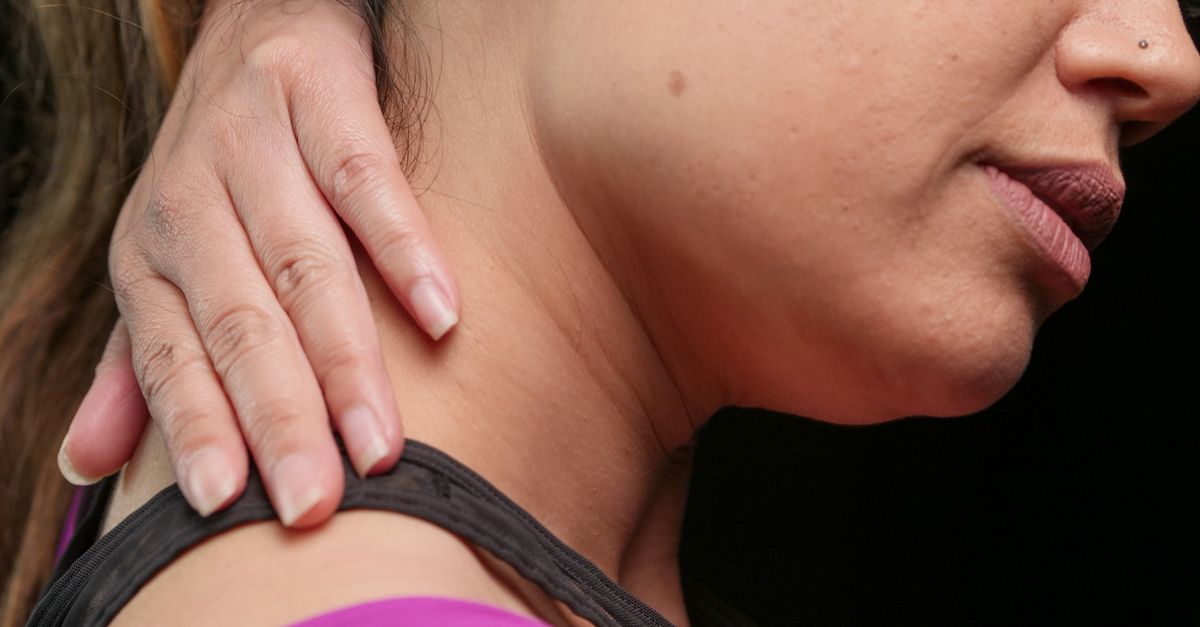
To use a neck massager effectively, drape it over the back of your neck with the massage nodes centered on the muscles running alongside your cervical spine, not directly on the spine itself. Adjust the strap tension so the nodes press firmly into the muscle tissue without causing discomfort, then select a low intensity setting before gradually increasing. Most sessions should run 10 to 15 minutes, and you can alternate between the posterior neck, the sides of the neck, and the upper trapezius depending on where tension is concentrated. Keep the device away from the front of the neck, the carotid arteries, lymph nodes, and any area with broken skin or recent injury.
Neck tension has a way of building silently — a few hours at a screen, a night of poor sleep, or a long commute, and suddenly turning your head feels like an event. If you've already decided that a neck massager is worth trying, the question isn't whether it works. The question is how to use it correctly so it actually delivers relief instead of just buzzing around on your shoulders. This guide walks through exactly that: how to position the MedMassager Neck Massager, how long to run a session, how to work different areas of the neck and upper back, and which zones to avoid entirely for safety.
Why Neck Tension Builds Where It Does
Before you can target tension effectively, it helps to understand why it accumulates in specific spots. The neck is one of the most mechanically demanding areas of the body — it supports a head that weighs roughly 10 to 12 pounds while constantly adjusting posture, tracking movement, and absorbing stress from the shoulders and upper back.
The Muscles Most Commonly Affected
Three muscle groups account for the majority of neck-related discomfort in people who sit for extended periods or use screens regularly. The trapezius runs from the base of the skull down across the shoulders — it's the muscle that bunches up when you're stressed or hunched forward. The levator scapulae connects the cervical vertebrae to the shoulder blade and is a frequent source of that sharp ache between the neck and shoulder. The splenius capitis and semispinalis muscles run along the back of the neck and are often tight in people who hold their chin forward toward a screen.
These muscles don't exist in isolation. Tension in the trapezius often pulls on the levator scapulae, which strains the posterior neck muscles, which can refer discomfort upward into the base of the skull. Understanding this chain helps you sequence your massager session more intelligently — starting at the upper trapezius and working upward rather than jumping straight to the most painful spot.
Why Stillness Makes It Worse
Muscle tissue stays healthy partly through movement. When you hold a fixed posture for hours — looking at a screen, driving, or sleeping with your neck at an angle — the muscles involved shorten and restrict local circulation. Research in occupational health literature consistently identifies sustained static postures as a leading contributor to chronic neck and shoulder muscle tension in desk workers.
A neck massager addresses this directly. The MedMassager Neck Massager uses dual-direction rotating massage nodes combined with built-in heat to warm and loosen tight muscles, supporting blood flow through the neck. That combination of mechanical movement and heat is what separates a purposeful therapeutic tool from a simple vibrating pad.
How to Set Up the MedMassager Neck Massager
Setup takes less than a minute once you know what you're doing, but the details matter. Poor initial positioning means the nodes are working the wrong tissue — or pressing against structures that shouldn't be loaded.
Draping and Initial Positioning
Hold the massager by its handles with the massage nodes facing inward. Bring it up behind your neck and let it drape naturally so the nodes land on the muscles flanking your cervical spine. The nodes should sit at roughly the midpoint of the back of your neck — not at the base of the skull, and not down where the neck meets the shoulders. You'll adjust from this starting point once the session begins.
The handles hang down in front of your chest. Use them to control how much pressure the nodes apply. Pulling the handles toward you increases node pressure; letting them hang loosely reduces it. This is your primary pressure control, and it's more intuitive than it sounds after the first 30 seconds of use.
Strap Tension and Pressure Calibration
The MedMassager Neck Massager includes an adjustable strap that connects the two handle ends and runs across the front of your body. Shortening the strap increases baseline pressure from the nodes; lengthening it reduces it. Start with the strap on the longer side — you want definite contact between the nodes and your muscle tissue, but not so much that you're compressing rather than massaging.
- You should feel the nodes rotating against muscle tissue, not grinding against bone
- If you feel a node edge on your vertebrae, shift the device slightly to one side or reduce strap tension
- Pressure that causes you to hold your breath or brace against the sensation is too much — back off
- A firm, comfortable pressure you can sustain for 10–15 minutes is the target
Seated vs. Reclined Use
You can use the Neck Massager in either a seated or reclined position, and each has a slightly different feel.
Seated upright gives you more active control over device position. Gravity works in your favor — the weight of the massager naturally keeps it in contact with the posterior neck. This is the recommended starting position for first-time users because it's easier to reposition quickly if something doesn't feel right.
Reclined or semi-reclined use (in a recliner or propped against pillows in bed) allows the head to fall back slightly, which opens up the posterior neck muscles and often makes the massage feel deeper. It's easier to lose track of device position when reclined, though, so check that the nodes haven't drifted toward the spine or the sides of the neck before increasing intensity.
How to Work Different Areas of the Neck
A single session doesn't have to stay in one place. Moving the massager deliberately through different zones of the neck and upper back lets you address the full chain of connected muscle tissue rather than one tight spot in isolation.
The Posterior Neck
This is the primary zone — the muscles running alongside the cervical spine from the base of the skull to the base of the neck. Position the nodes here first. The dual-direction rotation of the MedMassager Neck Massager mimics the kneading motion of a therapist's hands, working across the muscle fibers rather than just pressing into them.
Spend 3 to 5 minutes here before moving. If the built-in heat is engaged, you'll feel the muscles soften noticeably within the first few minutes — this is normal and means the tissue is responding. Once the posterior neck feels less rigid, you're ready to shift.
The Sides of the Neck
The sides of the neck require a different approach and more care. This is where the major blood vessels and nerves run, so you're not trying to apply deep pressure here — you're working the lateral muscles lightly.
Tilt the massager slightly so one node contacts the side of the neck at a reduced pressure level. The levator scapulae and the upper portion of the sternocleidomastoid can hold significant tension, especially on the side you tend to tilt your head toward when working. Use a lower intensity setting here and limit time on each side to 1 to 2 minutes. If you feel any pulsing sensation, tingling, or dizziness, move the device immediately — you may have drifted onto a blood vessel.
The Upper Trapezius
Drop the massager lower so the nodes sit on the upper trapezius — the ridge of muscle that runs from the base of the neck outward toward the shoulder. This is often the most congested area for desk workers and people who carry tension in their shoulders. The MedMassager's rotating nodes target the trapezius and surrounding muscle tissue, helping relieve tightness from prolonged sitting or screen time.
Work each side of the upper trap by shifting the massager slightly left or right, spending 2 to 3 minutes per side. Many users find that loosening the upper trapezius first — before moving to the posterior neck — produces better overall results, because the trap is often the upstream tension source pulling everything else tight.
Session Length, Intensity, and Frequency
Getting results from a neck massager is as much about consistency as any single session. Short, regular sessions outperform occasional long ones.
Recommended Session Length
A standard session with the MedMassager Neck Massager runs 10 to 15 minutes — enough time to work through the posterior neck, both sides, and the upper trapezius. Extending beyond 15 minutes in a single session offers diminishing returns and can leave muscle tissue feeling overstimulated: a dull ache rather than relief.
If you're new to the device, start with 8 to 10 minutes for the first week. Let your tissue adapt before increasing duration or intensity.
Intensity Progression
The MedMassager Neck Massager offers variable speed settings. Always begin at the lowest setting and increase gradually within the session only if the lower setting feels insufficient. The right intensity is one where you feel clear, firm pressure that loosens the muscle — not one where you're bracing or tensing against the sensation.
- Start low: Begin every session at the lowest setting, even if you used a higher setting last time
- Increase slowly: Wait at least 2 minutes at each level before moving higher
- Return to low to finish: Ending the session at a lower intensity gives the tissue a chance to settle
How Often to Use It
For general tension and daily maintenance, once per day is appropriate for most people. If you're managing a specific area of chronic tightness, two shorter sessions — one in the morning and one in the evening — can be more effective than one longer session. Avoid using the massager on the same area more than twice in a 24-hour period.
Areas to Avoid
This is the section most usage guides skip over, but it matters as much as anything else here. The neck contains structures that should not have mechanical pressure applied to them.
Anatomical No-Go Zones
Keep the massager away from the following areas under all circumstances:
- Front of the neck: The carotid arteries, jugular veins, thyroid gland, and trachea run along the front and sides of the neck. Mechanical pressure in this area can be dangerous.
- Directly on the cervical spine: The nodes should always contact muscle tissue, not vertebrae. If you feel bone under the nodes, shift the device laterally.
- Lymph nodes: Swollen or tender lymph nodes (felt as small lumps under the jaw and down the sides of the neck) should not have a massager applied to them.
- Broken skin, rashes, or bruises: Do not use the massager over any area of compromised skin.
- Recent injury sites: Acute strains, sprains, or post-surgical areas require medical clearance before using any therapeutic massager.
Medical Conditions Requiring a Physician's Guidance
Certain conditions mean you should consult a physician before using a neck massager, even one designed as a therapeutic device. These include cervical disc herniation, cervical stenosis, known blood clots, osteoporosis affecting the cervical spine, or any nerve compression condition in the neck. The MedMassager Neck Massager is an FDA-registered Class I medical device, but that classification does not make it appropriate for every individual without professional guidance.
Frequently Asked Questions
How long should I use a neck massager per session?
Most people get the best results from sessions lasting 10 to 15 minutes — enough time to work through the posterior neck, the sides, and the upper trapezius without overstimulating the tissue. If you're new to using a neck massager, start with 8 to 10 minutes for the first several sessions before working up to the full duration.
Where exactly should I position a neck massager?
Position the massage nodes on the muscles that run alongside the cervical spine — not directly on the spine itself, and not on the front or sides of the neck where major blood vessels are located. The primary working zone is the posterior neck and upper trapezius. The nodes should always contact soft muscle tissue, and you should be able to feel them rotating against the muscle rather than pressing against bone.
Is it safe to use a neck massager every day?
For most healthy adults, daily use is appropriate for managing general muscle tension. One session per day is the standard recommendation, with no more than two shorter sessions in a 24-hour period on the same area. People with cervical disc problems, stenosis, nerve compression, or other neck-related medical conditions should consult a physician before using a neck massager regularly.
Why does my neck feel sore after using a neck massager?
Mild soreness after a session — similar to how muscles feel after light exercise — is common and typically resolves within a day. It usually means the pressure or duration was slightly more than the tissue was ready for. Reduce session time and start at the lowest intensity setting on your next session. If soreness is sharp, persistent, or accompanied by numbness or tingling, stop use and consult a healthcare provider.
Can I use a neck massager while lying down?
Yes. A semi-reclined or reclined position can allow the posterior neck muscles to relax more fully, which many users find makes the massage feel more effective. When reclined, check the position of the device before increasing intensity to confirm the nodes are still on muscle tissue and haven't drifted toward the spine or the sides of the neck. A recliner or propped-pillow setup is generally preferable to lying completely flat, which can make repositioning more difficult.
How is a neck massager different from a back massager?
A neck massager is specifically shaped to cradle the cervical region and typically uses rotating or kneading nodes paired with heat, targeting the relatively small and structurally complex muscles of the neck and upper trapezius. A body massager uses oscillating technology to address larger muscle groups across the back, shoulders, and legs. The two devices work through different mechanisms and are designed for different anatomical zones — they are not interchangeable.
Should I use heat with a neck massager?
Built-in heat enhances the effectiveness of neck massage for most types of tension. Heat increases local circulation and helps muscle fibers relax before the mechanical nodes begin working, which often allows for deeper relief at lower pressure levels. Heat is generally not recommended immediately after an acute injury — in that context, cold therapy is more appropriate. For chronic stiffness and general daily tension, heat is a useful addition to the massage session.
The Bottom Line
Using a neck massager correctly comes down to three things: positioning the nodes on the right tissue, controlling pressure intelligently, and keeping sessions consistent rather than occasional. Start with the upper trapezius or posterior neck, work through each zone methodically, and stay well away from the front of the neck and directly over the spine.
The MedMassager Neck Massager is built to make this process straightforward — the dual-direction nodes and adjustable strap give you enough control to customize each session without needing a manual every time you pick it up. If neck tension is something you deal with regularly, a consistent 10-minute daily routine with a therapeutic neck massager is one of the most practical ways to stay ahead of it.
Ready to add a structured neck care routine to your day? Explore the MedMassager Neck Massager and see how built-in heat and rotating massage nodes work together — or browse the full range of MedMassager therapeutic devices to find the right tool for every area you need to address.
This content is for informational purposes only and is not intended as medical advice, diagnosis, or treatment. Always consult a qualified healthcare professional before starting any new treatment or therapy. MedMassager products are FDA-registered Class I medical devices.


