
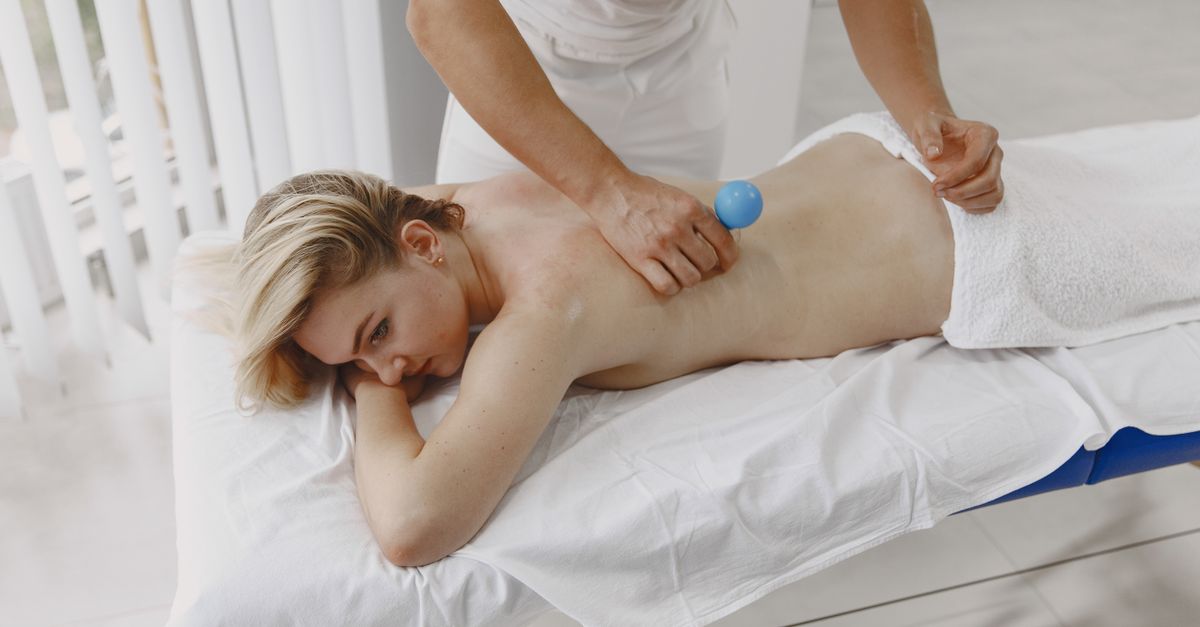
The best massager for fibromyalgia is a device with a wide adjustable intensity range, since fibromyalgia pain tolerance can shift from day to day and even hour to hour. A body massager that oscillates in a circular motion, rather than delivering fixed hard pressure, allows the user to control how much movement reaches sensitive tissue. Look for manual controls that let you dial intensity up or down mid-session instead of committing to a single preset. Because fibromyalgia varies so much between individuals, talk to a doctor or physical therapist before adding a new massage device to your routine.
If you're shopping for the best massager for fibromyalgia, you've probably already run into the core problem: most massage devices are built around one intensity level and one idea of what feels good. Fibromyalgia doesn't work that way. This condition causes widespread tenderness that can shift from week to week, and pressure that feels good on a low-pain day can feel unbearable during a flare.
This guide is written for people who already understand massage can be part of managing fibromyalgia symptoms and now need to know what actually separates a suitable device from one that isn't. If you're still weighing whether massage is worth trying at all, our overview of whether massage helps fibromyalgia symptoms covers that question directly. The rest of this guide focuses on the features that matter once you've decided a massager belongs in your routine.
Why Fibromyalgia Pain Feels Different
Mayo Clinic describes fibromyalgia as a disorder marked by widespread musculoskeletal pain along with fatigue, sleep disturbances, and mood or memory difficulties. Unlike a pulled muscle or a specific injury, the pain isn't confined to one spot. It moves across tender points in the neck, shoulders, back, hips, and legs, often without an obvious trigger.
Widespread Tenderness and Pressure Sensitivity
Central sensitization is a recognized concept in fibromyalgia, referring to a nervous system that processes ordinary touch and pressure as pain more readily than it would in someone without the condition. This is why a massage that feels relaxing to one person can feel sharp to someone with fibromyalgia, even at the exact same physical pressure. It's also why intensity control matters more here than it does for most other types of muscle pain.
What feels therapeutic during a low-symptom stretch can feel like too much during a flare. A massager that locks you into one fixed setting doesn't account for that daily variability, which is a real limitation for this condition specifically.
Symptoms That Affect Massage Tolerance
Several overlapping symptoms shape how a person with fibromyalgia responds to touch on any given day:
- Widespread muscle tenderness that shifts location over time
- Fatigue that makes firm pressure feel more taxing than usual
- Sleep disruption that can heighten next-day sensitivity
- Stretches of manageable pain interrupted by flare periods
Because these symptoms vary so much between individuals, and even in the same person from one week to the next, there's no single pressure level or massage style that works universally. Some people find oscillating massage genuinely soothing. Others find any added pressure difficult to tolerate, and both experiences are valid responses to a condition that affects the nervous system, not just the muscles.
How a Body Massager Helps Fibromyalgia
Many people researching this topic start by searching for a vibrating massager, since vibration is the most common way people describe hand-held and portable devices. But conventional vibrating devices often rely on a motor shaking the unit with little room for adjustment, which is the wrong fit for a condition where pressure tolerance changes day to day. MedMassager uses oscillating technology to deliver deeper, more controlled vibration than conventional massagers, moving in a circular oscillating action that can be adjusted rather than locked to one setting.
The Mechanism Behind Oscillation
For general muscle tenderness across the back and shoulders, oscillation penetrates deep muscle layers, increasing local blood flow in muscles affected by prolonged sitting or stiffness. That circulatory support is a physical mechanism, not a treatment for fibromyalgia itself, and it doesn't eliminate widespread pain. It's simply the reason an adjustable oscillating massager is worth considering over a fixed-intensity device when the goal is muscle-level relief you can control.
Why Adjustable Intensity Matters Most
The MedMassager Body Massager collection is built around a wide intensity range, and that range is the feature that matters most for fibromyalgia, more than any single mechanism claim. It lets the same device do three things a fixed-setting unit can't:
- Run gently on a difficult day without switching equipment
- Deliver firmer movement when your body tolerates it
- Stop, reduce, or pause mid-session the moment something feels off
The result is actual control over the experience, rather than accepting whatever pressure the device happens to deliver.
Choosing the Best Massager for Fibromyalgia
Once you understand why pressure tolerance is the central issue, the buying decision gets simpler. A few specific features matter more than brand names or marketing claims.
Intensity Range and Control
Look for a device with a broad intensity range and simple manual controls you can adjust without pausing a program or resetting anything. A massager that only offers a couple of fixed presets doesn't give you the fine-grained control that a fluctuating condition like fibromyalgia requires.
Coverage Across Multiple Areas
Because fibromyalgia pain moves, a body massager that works across the back, legs, and arms is more practical than one built for a single muscle group. A large, cushioned contouring massage pad lets you apply the unit to whichever area feels tender that day, rather than committing to one fixed target zone.
Comparing Device Types
Some massage chairs and enclosed devices apply pressure in a set pattern, often without the same range of adjustment. An oscillating massage pad gives you more direct control over how much movement reaches the muscle. That circular oscillating action creates continuous, repetitive movement in the tissue it rests against, which supports local blood flow during use. Consider these factors side by side when comparing options:
- Adjustable intensity: a range from very gentle to firmer, controllable by hand
- Motion type: circular oscillating movement rather than a set pressure pattern
- Coverage: cushioned massage pad applied to the back, thighs, calves, and arms
- Simplicity: manual controls you can reach and adjust mid-session
MedMassager Body Massagers are FDA-registered Class I medical devices, which means they're manufactured and labeled under FDA registration requirements, not that they are approved to treat fibromyalgia specifically. If you want to compare options across body areas, including feet and legs, the full lineup of MedMassager therapeutic massagers is laid out in one place. Before buying, a rheumatologist, physical therapist, or primary care provider is the best resource for confirming that massage fits your specific situation.
How to Use a Body Massager Safely
Once you have a device with adjustable intensity, how you use it matters as much as which one you bought. Start conservatively, regardless of how tolerant you normally are to touch.
- Sit in a supported, comfortable position with the massager resting against the lower back, thighs, or another well-cushioned area.
- Set the intensity to the lowest level for the first several sessions, even if you expect to want more.
- Limit early sessions to a short duration, such as five to ten minutes, and note how your body feels afterward, not just during.
- Increase intensity or duration gradually, and only if the previous session felt comfortable.
- Skip or shorten sessions on flare days rather than pushing through discomfort to finish a routine.
- Space sessions out through the week rather than using the massager multiple times a day.
This is a slow, observational process. The goal isn't to reach maximum intensity. It's to find the setting your body tolerates consistently over time.
Special Considerations During a Flare
Fibromyalgia flares change the calculation entirely. A setting that felt fine last week can feel like too much during a period of heightened sensitivity, and that's not a sign you're using the device wrong.
Listening to Your Body
Some people manage fibromyalgia alongside conditions like chronic fatigue or sleep disorders, which can make it harder to gauge how a session actually affected them until hours later. Keeping sessions short during flares makes it easier to track your own response. Watch for these signs that a session was more than your body wanted:
- Feeling more sore afterward rather than looser
- Noticeably more fatigue in the hours after a session
- Heightened sensitivity to touch the next day
Any of these is a signal to reduce intensity or stop for the day.
When to Pause Entirely
There's no requirement to use a massager every day, or at all during a difficult stretch. If pressure of any kind feels unmanageable during a flare, stepping away from the device until symptoms settle is a reasonable choice, not a failure to stick with a routine.
Frequently Asked Questions
What is the best type of massager for fibromyalgia?
The best option is typically one with a wide adjustable intensity range and simple manual controls, since fibromyalgia pain tolerance can change from day to day. A device that oscillates in a circular motion rather than applying fixed pressure gives you more control over how much movement reaches sensitive tissue. There is no single device that works the same way for every person with fibromyalgia.
Is vibration massage safe for fibromyalgia?
It depends on the person and the intensity level used. Some people with fibromyalgia find gentle, adjustable vibration or oscillation tolerable and even soothing, while others find any added pressure difficult during flares. Starting at the lowest available setting and checking in with a doctor before beginning a routine is the safest approach.
How often should you use a massager for fibromyalgia?
Many people start with short sessions of five to ten minutes a few times a week rather than daily use. Frequency should be adjusted based on how your body responds afterward, not on a fixed schedule. Reducing or pausing sessions during flare periods is common and reasonable.
Can a massager make fibromyalgia pain worse?
Yes, if the intensity is too high or the session is too long for what your body can tolerate that day. Because fibromyalgia involves heightened sensitivity to touch, pressure that would be comfortable for most people can increase soreness or fatigue in someone with the condition. Starting low and adjusting gradually reduces this risk.
Should I talk to a doctor before using a massager for fibromyalgia?
Yes. Fibromyalgia symptoms and triggers vary significantly from person to person, so a doctor, rheumatologist, or physical therapist familiar with your case is best positioned to say whether massage is appropriate for you. This is especially important if you have other conditions alongside fibromyalgia that could affect how your body responds to added pressure.
What intensity level is best for fibromyalgia?
The lowest available setting is the recommended starting point, regardless of your general pressure tolerance. From there, intensity can be increased gradually only if lower settings have felt comfortable across multiple sessions. There is no single "correct" intensity, since tolerance shifts with symptoms.
Does a body massager help with fibromyalgia tender points?
Oscillating motion can increase local blood flow in muscle tissue near tender areas, which is a physical mechanism rather than a treatment for fibromyalgia itself. Whether that feels helpful varies a great deal between individuals, and some people prefer to avoid direct pressure on tender points entirely. A doctor can help determine whether targeted use makes sense for your specific symptoms.
The Bottom Line
The best massager for fibromyalgia isn't the most powerful one. It's the one that gives you the most control. A wide, adjustable intensity range and a circular oscillating motion let you match the device to how your body feels that day, rather than forcing you to accept a fixed setting. That circular oscillating action creates continuous, repetitive movement in the muscle beneath the pad, which supports circulation during use.
MedMassager builds its oscillating therapeutic massagers with that kind of adjustability in mind, which is the reasoning behind the intensity range on the Body Massager line. Some people find this kind of massage genuinely helpful for widespread muscle tenderness, while others prefer to avoid added pressure altogether, and either response is normal for this condition. If you decide a device is worth trying, start at the lowest setting and review the full Body Massager collection to compare intensity ranges before you buy.
This content is for informational purposes only and is not intended as medical advice, diagnosis, or treatment. Always consult a qualified healthcare professional before starting any new treatment or therapy. MedMassager products are FDA-registered Class I medical devices.


