
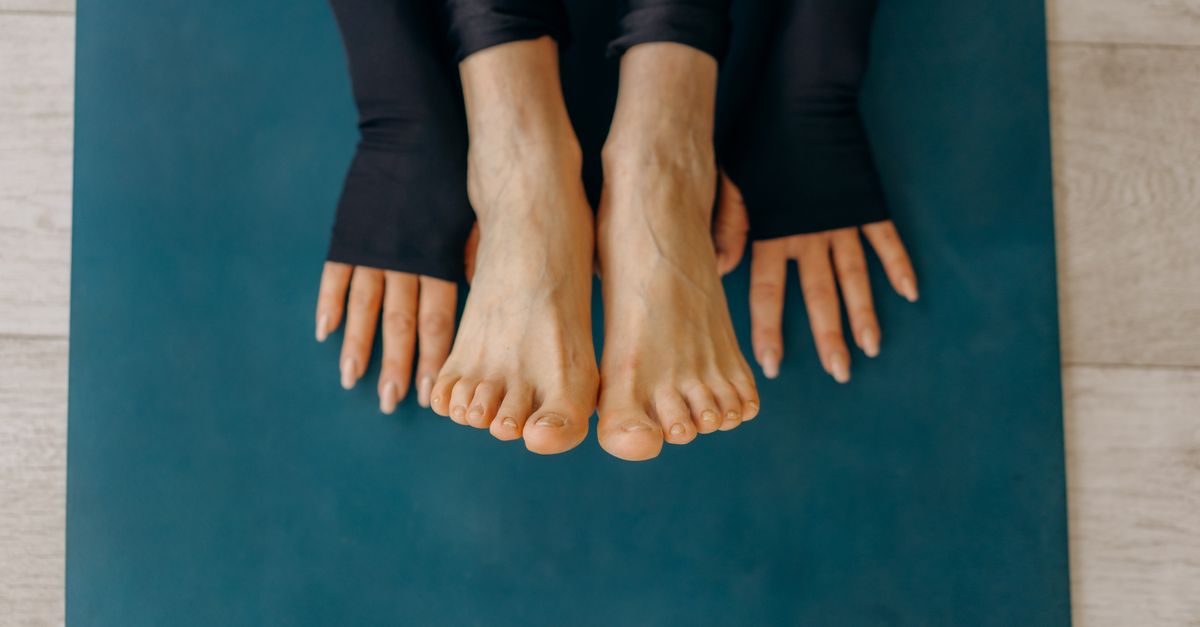
The best foot massager for cold feet is one that uses a circular oscillating motion to activate the calf muscles and encourage blood flow back toward the heart, rather than one that simply vibrates the surface of the foot. Cold feet are frequently a circulation issue, since the extremities are farthest from the heart and the first place the body restricts blood flow in cold weather or with prolonged sitting. A seated therapeutic foot massager with adjustable intensity, such as the MedMassager Foot Massager, is built for daily use by people managing chronically cold feet, including those with diabetes, desk jobs, or reduced mobility. Persistent cold feet paired with color changes, numbness, or wounds that will not heal should be evaluated by a doctor rather than addressed with a massager alone.
If your feet feel like ice blocks by mid-afternoon even inside a heated house, you already know that thicker socks and space heaters only do so much. Searching for the best foot massager for cold feet usually means you have tried the easy fixes and want something that addresses the circulation problem directly instead of just masking the symptom. This guide is written for adults dealing with chronically cold feet through the winter months, whether that traces to long hours sitting at a desk, aging circulation, or a diagnosed condition such as diabetes or peripheral neuropathy. The sections that follow explain why cold feet so often trace to circulation, what separates a genuinely useful foot massager from a novelty gadget, how to build relief into a daily routine, and when cold feet are a sign to call a doctor instead of reaching for a product.
Why Cold Feet Are Often a Circulation Problem
Cold feet are rarely just about ambient temperature. The feet sit at the farthest point from the heart in the circulatory system, which means they are the first place the body sacrifices blood flow when conditions call for conservation. Understanding what is happening physiologically helps explain why massage and movement, not just warmer socks, tend to make a real difference.
The Role of Peripheral Blood Flow
Mayo Clinic describes reduced blood flow to the extremities as a common cause of persistently cold hands and feet, particularly in colder weather when blood vessels constrict to preserve core body temperature. This vasoconstriction is a normal protective response, but in people who already have sluggish peripheral circulation, it can leave the feet feeling cold long after the rest of the body has warmed up. Sitting for extended periods compounds the problem, since the calf muscles that normally help push blood back upward stay inactive.
Common Contributors to Cold Feet
Several everyday factors can make cold feet worse, and most of them share a common thread: reduced movement in the lower legs. Recognizing these contributors is the first step toward addressing the root cause rather than just the sensation.
- Prolonged sitting at a desk or during travel, which limits calf muscle activity
- A sedentary lifestyle with long stretches between walking or standing
- Low ambient temperature combined with tight or restrictive footwear
- Smoking, which affects blood vessel constriction
- Age-related changes in circulation efficiency
Underlying Conditions Linked to Cold Feet
For some people, cold feet are a symptom of a diagnosed medical condition rather than a lifestyle pattern. Diabetes and peripheral neuropathy can both affect nerve and blood vessel function in the feet, making them feel cold, numb, or tingly even in a warm room. The NIH describes Raynaud's phenomenon as episodic narrowing of small blood vessels that reduces blood flow to the fingers and toes, often triggered by cold or stress. Peripheral artery disease and hypothyroidism are two other conditions commonly associated with cold extremities, which is part of why persistent cold feet deserve medical attention if they don't improve with basic changes.
How Oscillating Motion Supports Circulation in Cold Feet
Many people searching for a vibration foot massager assume that vibration alone solves the problem. MedMassager uses oscillating technology to deliver deeper, more controlled vibration than conventional massagers, moving the foot through a circular oscillating action instead of a simple surface buzz. That distinction matters because the goal isn't just sensation on the skin. It's activating the muscles that move blood.
The circular oscillating motion engages the muscles of the foot and calf in a repeated, rhythmic pattern. During a seated session, that movement does a few things at once:
- Engages the calf muscles, which normally act as a pump when you walk
- Pushes blood upward through the lower leg instead of letting it pool in the feet
- Keeps the feet moving during long stretches of sitting when they would otherwise stay still
For people managing diabetes specifically, this repeated foot motion matters because natural movement is often reduced. It is a mechanical effect, not a chemical or drug-based one, which is why it fits a daily habit rather than an occasional treatment. Anyone shopping the collection of therapeutic foot massagers for this reason should look specifically for oscillation as the driving mechanism, not just a motor shaking the unit.
Choosing a Foot Massager for Cold Feet
Not every foot massager on the market is built for the same purpose. Some are designed for general relaxation, while others are built with the intensity and mechanism needed to meaningfully support circulation in people with chronically cold feet. Here is what separates the two categories.
Oscillation vs. Simple Vibration
A basic vibrating foot pad shakes the surface the foot rests on, which can feel pleasant but does relatively little to engage the calf muscles that drive blood flow. A foot massager built around circular oscillating motion moves the entire platform in a way that activates muscle tissue more directly. That is the mechanism most relevant to someone shopping specifically for cold feet relief rather than general relaxation.
Adjustable Intensity Levels
Cold feet don't respond the same way for every person, so look for a massager offering multiple intensity levels that can be adjusted from session to session. A few general patterns hold:
- Someone with diabetic neuropathy may need a lower, more gradual intensity
- Someone with simple desk-job circulation sluggishness may prefer a stronger setting
- Anyone with reduced sensation in the feet should start at the lowest setting and increase only as tolerated
Seated, Flat Platform Design
Foot massagers built for circulation support are designed to be used seated, with the feet resting flat on an open platform. This seated design allows the oscillating motion to work through the whole foot and calf without added strain on the joints, which is part of why it works well for daily use rather than occasional spot treatment.
For a deeper look at the circulation science behind this category, see our companion guide on how foot massagers support circulation in cold feet. That article covers the mechanism in more depth; this guide focuses on what to buy and how to use it.
Using a Foot Massager for Cold Feet
Consistency matters more than intensity when it comes to circulation support. A short daily routine, done seated, tends to produce more noticeable results over a winter season than sporadic long sessions.
- Sit in a supportive chair with both feet resting flat on the massager platform.
- Start at the lowest intensity setting for the first few sessions to gauge comfort.
- Use the massager for 10 to 15 minutes, once or twice daily, especially during colder months.
- Increase intensity gradually over subsequent sessions as tolerated.
- Pair sessions with brief periods of ankle rotation or gentle stretching while seated.
Morning and early evening tend to be the two most useful windows, since cold feet are often worst first thing in the morning and again after long stretches of sitting in the afternoon.
Cold Feet in Specific Populations
Cold feet don't affect everyone the same way, and some groups warrant extra attention before starting a new routine.
People Managing Diabetes or Neuropathy
For people managing neuropathy, continuous movement helps keep blood flowing through the feet when natural movement is limited by nerve changes. The circular oscillating action creates continuous, repetitive movement in the foot and calf, which supports circulation during use. Because sensation can be reduced in this group, a few precautions are worth taking before adding a seated oscillating foot massager to a routine:
- Talk with a doctor before introducing any new device into a diabetes care plan
- Start at the lowest intensity and increase only gradually
- Check the skin on the feet after each session, since reduced sensation can hide irritation
Older Adults
Circulation naturally becomes less efficient with age, which is part of why cold feet become more common later in life. A seated, low-effort option that doesn't require balance or standing is generally the more practical choice for this group.
When Cold Feet Warrant a Doctor's Visit
Cold feet that respond to warmer socks, movement, and a massage routine are usually a circulation issue tied to lifestyle or normal aging. Some patterns, however, point to something that needs medical evaluation rather than home management.
- Cold feet paired with color changes such as pale, blue, or blotchy skin
- Numbness or tingling that doesn't improve after movement
- One foot consistently colder than the other
- Wounds, sores, or cuts on the feet that are slow to heal
- Cold feet that occur alongside leg pain, especially while walking
Any of these signs should be brought to a doctor's attention, since they can point to peripheral artery disease, advanced neuropathy, or a circulatory issue that needs professional diagnosis rather than a home routine.
Frequently Asked Questions
Does a foot massager help with cold feet caused by poor circulation?
A foot massager built around circular oscillating motion can support circulation by activating the calf muscles, which helps push blood upward through the lower leg. This is a mechanical effect rather than a medical treatment, so it works best as part of a daily routine rather than a one-time fix. Products such as the MedMassager Foot Massager are built for this kind of repeated daily use.
Why are my feet always cold even when the rest of my body is warm?
The feet sit farthest from the heart in the circulatory system, so they are typically the first place the body reduces blood flow when conserving heat. Prolonged sitting, tight footwear, and reduced calf muscle activity can all make this worse. In some people, an underlying condition such as diabetes, hypothyroidism, or Raynaud's phenomenon also contributes to persistently cold feet.
What is the best time of day to use a foot massager for cold feet?
Morning is often useful since feet tend to be coldest after a night of stillness, and using a massager before starting the day can help get blood moving. A second session in the late afternoon or evening also helps, especially after long periods of sitting. Consistency across the week tends to matter more than the exact time chosen.
Can cold feet be a sign of a more serious condition?
Yes, cold feet can sometimes point to peripheral artery disease, advanced neuropathy, hypothyroidism, or Raynaud's phenomenon. This is more likely when cold feet are paired with color changes, numbness, slow-healing wounds, or pain while walking. Anyone noticing these combined symptoms should see a doctor for evaluation rather than relying on home remedies alone.
How often should I use a foot massager for cold feet in the winter?
Once or twice daily for 10 to 15 minutes per session is a reasonable starting routine during colder months. Sessions can be adjusted based on comfort and how the feet respond over the first few weeks. Consistency tends to produce more noticeable results than occasional long sessions.
Is vibration or oscillation better for cold feet?
Oscillation, which moves the foot through a circular motion, engages the calf muscles more directly than simple surface vibration. That muscle activation is what helps encourage blood flow back up through the leg, which is the mechanism most relevant to cold feet. Simple vibration can feel relaxing but generally does less to engage the muscles that support circulation.
Bottom Line
Cold feet are usually a circulation issue rooted in reduced blood flow to the extremities, made worse by sitting, cold weather, and in some cases an underlying condition like diabetes or Raynaud's phenomenon. The best foot massager for cold feet is one built around circular oscillating motion with adjustable intensity, used seated as part of a short daily routine rather than an occasional treatment. If cold feet come with color changes, numbness, or slow-healing wounds, see a doctor before relying on a home routine alone. For a seated option with adjustable intensity built for daily use, browse the MedMassager Foot Massager collection and look for circular oscillating action as the core mechanism, since that repetitive movement is what engages the calf muscles and supports blood flow during use.
This content is for informational purposes only and is not intended as medical advice, diagnosis, or treatment. Always consult a qualified healthcare professional before starting any new treatment or therapy. MedMassager products are FDA-registered Class I medical devices.


