
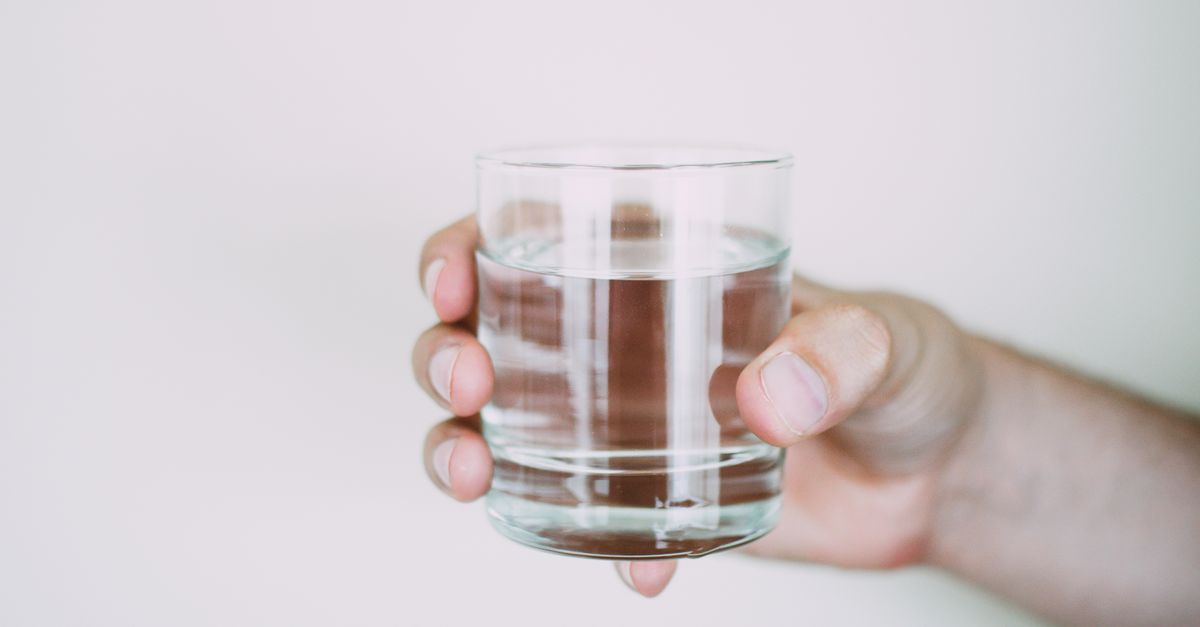
Drinking water after a massage is generally a good idea, but not because massage flushes toxins into your bloodstream that need to be washed out — that claim is not supported by physiology. The honest reason to drink water after a massage is simple: massage increases local circulation and muscle activity, and staying hydrated supports normal body function during recovery. If you feel thirsty after a session, drink water; if you feel fine, your regular hydration habits are sufficient.
You've probably heard it from a massage therapist, read it on a spa menu card, or seen it repeated across wellness blogs: "Drink plenty of water after your massage to flush out the toxins." It's one of the most consistent pieces of post-massage advice out there. But if you've ever paused to wonder which toxins, exactly, or how water gets them out — you're asking the right question.
The toxin-flushing story doesn't hold up to basic physiology. That doesn't mean hydration after a massage is useless — it isn't — but the reasoning behind the advice matters, especially when you're trying to make genuinely good decisions about recovery. This post breaks down where the claim comes from, what the evidence actually supports, and what you can do after a massage session that makes a real difference.
Where the "Flush the Toxins" Claim Comes From
The toxin narrative is old, pervasive, and not unique to massage. It shows up in detox teas, juice cleanses, infrared saunas, and dozens of other wellness contexts. In the massage world, it typically goes like this: massage breaks up lactic acid and metabolic waste products stored in muscle tissue, those substances get released into the bloodstream, and drinking water helps your kidneys eliminate them faster.
The Problem With the Lactic Acid Version
Lactic acid — more accurately, lactate — is produced during intense anaerobic exercise when muscles are working faster than the body can deliver oxygen. It is not stored in muscle tissue between workouts or sessions. The body clears lactate from the blood within an hour of exercise ending, converting much of it back into glucose in the liver.
By the time you're lying on a massage table, there's no meaningful lactic acid buildup waiting to be released. The idea that deep tissue work "squeezes out" stored metabolic waste has intuitive appeal — it sounds like wringing out a sponge — but muscles don't work that way. They're living tissue with their own continuous metabolic processes, not reservoirs of accumulated byproducts.
What About "Toxins" More Broadly?
The word "toxins" in wellness contexts is almost always vague by design. When pressed, no credible physiology textbook or clinical body identifies specific named toxins that accumulate in soft tissue and require manual removal. The liver and kidneys handle the actual detoxification of the body continuously, without requiring massage or increased water intake to trigger the process.
This isn't a fringe position — it's mainstream physiology. Researchers and medical educators have repeatedly noted that the detox framing in manual therapy lacks a mechanistic basis. The body's waste-clearing systems operate independently of whether you had a massage or not.
Why the Myth Persists
A few things keep this claim alive. First, it feels true — many people experience mild fatigue or light-headedness after a massage, which gets attributed to toxin release. More likely explanations include the parasympathetic nervous system response, temporary blood pressure changes from lying down, and mild dehydration from simply not drinking during a session lasting 60–90 minutes.
Second, massage therapists often repeat what they were taught, and the toxin narrative has been embedded in training curricula for decades. Correcting it doesn't mean the therapist is wrong about massage being beneficial — it just means this particular explanation needs updating.
What Massage Actually Does to Your Body
Separating the myth from the mechanism doesn't diminish massage. What massage genuinely does is well-documented and meaningful — it just works differently than the folklore suggests.
Circulation and Blood Flow
Massage increases local circulation in the tissues being worked — one of its clearest physiological effects. Increased blood flow brings oxygen and nutrients to muscle tissue and supports the natural removal of metabolic byproducts through the circulatory system. You don't need to drink extra water to make this happen; it occurs through normal circulation.
For people managing conditions that affect circulation — such as peripheral neuropathy or chronic muscle tension — this circulatory effect is one of the primary reasons therapeutic massage and devices like MedMassager's therapeutic foot massagers are used as part of a broader care routine. Continuous oscillating motion keeps blood flowing through areas where natural movement is limited, delivering targeted vibration without requiring the body to "flush" anything.
Nervous System Effects
Much of what people feel after a good massage — relaxation, reduced muscle tension, improved mood — is driven by the nervous system, not detoxification. Massage activates the parasympathetic nervous system, sometimes called the "rest and digest" response. Heart rate slows, blood pressure often drops slightly, and cortisol levels may decrease.
This is genuinely restorative. It's a nervous system story, not a toxin story.
Muscle Tissue and Soreness
Deeper massage work can create mild muscle soreness the next day, similar in some ways to post-exercise soreness. This is caused by the mechanical manipulation of muscle fibers, not by toxins being released. The soreness typically resolves within 24–48 hours. Staying hydrated, moving gently, and resting all support this recovery process — not because of toxin clearance, but because they support normal tissue repair.
What Actually Helps After a Massage Session
Here's what genuinely supports recovery after a massage — whether it's from a therapist, a self-massage device, or a session with a professional-grade body massager at home.
Ordinary Hydration
Drink water after a massage for the same reason you'd drink water after any period of rest or low activity: general good health. If your session was long, if the room was warm, or if you're someone who runs dry easily, rehydrating makes sense. There's no specific volume you need to hit — follow your thirst and maintain your normal intake.
What hydration genuinely supports:
- Normal kidney and liver function (your actual detox systems)
- Muscle tissue recovery and pliability
- Reducing the mild headache some people experience after deep tissue work
- General cardiovascular function, which supports circulation
Gentle Movement
Light walking or gentle stretching in the hours after a massage helps maintain the circulatory benefits from the session. Your muscles have been worked and warmed; keeping them gently active prevents them from tightening back up as quickly. A 10–15 minute walk is more than enough — no formal exercise required.
Rest and Downtime
The parasympathetic activation from massage is doing something useful. Interrupting it with intense activity or stress immediately after a session works against the benefit. If you can rest quietly for 30–60 minutes after a session, that time is well spent. Many people who use home therapeutic devices — including MedMassager's oscillating foot massagers — schedule sessions in the evening specifically to take advantage of this relaxation effect before sleep.
Avoiding Alcohol Immediately After
This one has a clearer physiological basis than the water myth. Alcohol is a vasodilator, and because massage already dilates blood vessels through increased circulation, combining the two can amplify blood pressure drops and lead to light-headedness. Alcohol also dehydrates. Skipping it for a few hours after a session is reasonable practical advice.
Heat or Cold if Indicated
Depending on the type of massage and any soreness that follows, some people benefit from gentle heat application to continue relaxing muscles, or cold application to manage inflammation after particularly deep work. Neither is universally necessary — follow what your body tells you and any guidance from your therapist.
Applying This to At-Home Massage Devices
The same logic that applies to professional massage sessions applies to at-home therapeutic devices. If you use the MedMassager Body Massager for back or shoulder tension, or a foot massager for circulation support, the post-session guidance is identical: drink water if you're thirsty, move gently, and rest.
You don't need to chug 32 ounces of water after a 15-minute foot massage session. Use the device consistently, at appropriate intensity for your needs, and support your body's ordinary recovery processes — hydration included — without overthinking the ritual.
After more than 15 years of building therapeutic massagers used in physical therapy clinics and home care settings, MedMassager's position is straightforward: honest information serves users better than wellness folklore. Oscillating motion increases local circulation and delivers controlled vibration to targeted tissue. That's the mechanism. Water supports your body's normal function. That's the reason to drink it. Neither claim requires a toxin story to be true.
If you're exploring therapeutic massage devices for managing a specific condition, the full MedMassager product lineup covers foot, body, and neck applications — each built around the physical mechanism that makes therapeutic massage clinically useful.
Frequently Asked Questions
Does massage really release toxins into your bloodstream?
There is no strong physiological evidence that massage releases stored toxins into the bloodstream. The body manages metabolic waste continuously through the liver and kidneys, independent of massage. Lactic acid — the most commonly cited culprit — clears from the blood within an hour of exercise and is not stored in muscle tissue between sessions. The toxin-flushing narrative is a persistent piece of wellness folklore rather than established physiology.
How much water should you drink after a massage?
There is no specific post-massage water intake recommendation supported by clinical evidence. Drink according to your normal hydration habits, and a bit more if you feel thirsty or if your session was particularly long or warm. There is no benefit to dramatically increasing your water intake beyond what your body signals it needs.
Why do I feel tired or sore after a massage?
Post-massage fatigue is most commonly explained by the parasympathetic nervous system response — your body shifting into a deep rest state, which can feel like drowsiness. Mild soreness the following day, especially after deep tissue work, results from mechanical manipulation of muscle fibers and typically resolves within 24–48 hours. Neither symptom is evidence of toxin release.
Is it okay to drink coffee or alcohol after a massage?
Caffeine in moderate amounts is unlikely to cause problems after a massage, though it does work against the relaxation response. Alcohol is more of a concern — it is a vasodilator and a dehydrant, and because massage already increases circulation and may lower blood pressure slightly, combining the two can cause light-headedness. Most therapists recommend avoiding alcohol for at least a few hours after a session.
What should you do immediately after a massage?
Rest for 30–60 minutes if possible, drink water if you're thirsty, and take a gentle walk later in the day to maintain circulation. Avoid intense exercise, alcohol, and high-stress activity immediately after, as these work against the nervous system benefits the massage produced. No elaborate aftercare ritual is required.
Can massage help with circulation without needing to drink extra water?
Yes. Massage increases local blood flow through mechanical stimulation of tissue, a process that operates through the circulatory system and does not depend on water intake to function. Staying normally hydrated supports your cardiovascular and lymphatic systems in general — but extra water beyond normal intake is not required to achieve the circulatory effect.
Why do massage therapists recommend drinking water after a session?
The recommendation is well-intentioned and not harmful — drinking water is generally good advice. The physiological explanation typically given reflects a narrative taught in massage training for decades rather than current clinical understanding. General hydration genuinely supports recovery; the toxin-flushing mechanism behind the advice does not hold up to scrutiny.
The Bottom Line on Hydration After Massage
Drink water after a massage because water is good for you. The more elaborate version of that advice — built around toxin flushing and lactic acid clearance — doesn't reflect how the body actually works. Your liver and kidneys handle metabolic waste continuously, with or without a massage therapist's help.
What massage genuinely delivers is increased local circulation, nervous system relaxation, and reduced muscle tension. Supporting those effects is simple: rest, gentle movement, and ordinary hydration. No 64-ounce water challenge required.
If you use therapeutic massage as part of managing a chronic condition — whether that's tension, poor circulation, or muscle soreness — the same honest-limits thinking applies to equipment choices. MedMassager builds FDA-registered therapeutic foot massagers and body massagers around the mechanisms that actually work: oscillating motion that increases blood flow through tissues where movement is limited. That's the claim worth making — and the one worth understanding before and after every session.
This content is for informational purposes only and is not intended as medical advice, diagnosis, or treatment. Always consult a qualified healthcare professional before starting any new treatment or therapy. MedMassager products are FDA-registered Class I medical devices.


