
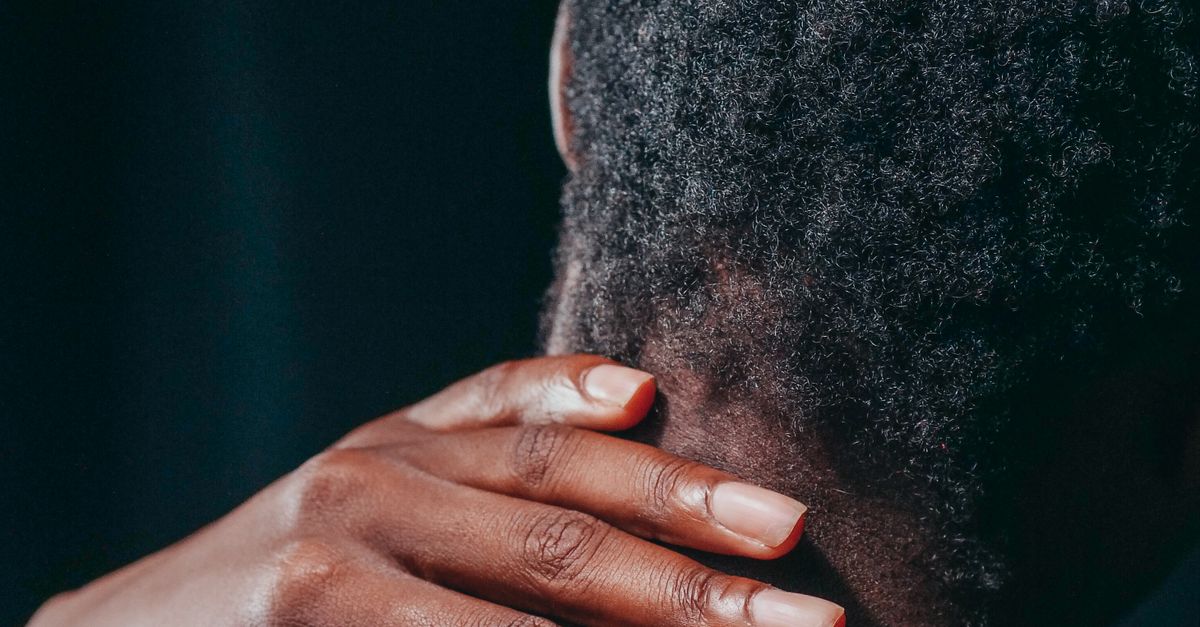
A dowager's hump is a visible rounding or bump at the top of the back, just below the neck. It comes from one of three main sources: forward-rounded posture that exaggerates the natural curve of the upper spine (postural kyphosis), vertebral compression fractures caused by osteoporosis, or a pad of fat that collects at the base of the neck. Posture-related rounding can improve with strengthening and stretching exercises. Fractures and fat pads need a doctor's evaluation to find the underlying cause.
You catch your profile in a store window or a photo and notice a rounded curve or soft bump at the top of your back, right where your neck meets your shoulders. That shape is often called a dowager's hump. The name sounds old-fashioned, but the real question is practical: what's causing it? The answer changes what you should do next.
A rounded upper back can come from years of leaning toward screens. It can also come from small fractures in the spine linked to osteoporosis, or from a fat pad related to weight, medications, or hormones. Each cause calls for a different response, and one of them makes firm pressure on the spine genuinely risky.
Whether you noticed the change in yourself or in a parent, start with the cause. Posture-related rounding responds to exercise. Possible fractures need a doctor's exam and a bone density check before anything else, and gentle massage has a place only once fragile bone has been ruled out.
What Causes a Dowager's Hump?
The thoracic spine is the twelve vertebrae of the mid and upper back, and it has a gentle natural outward curve. A hump forms when that curve becomes exaggerated or when soft tissue builds up over the lower neck vertebrae. The cause usually falls into one of these categories:
- Postural kyphosis from sustained slouching and forward head position
- Vertebral compression fractures linked to osteoporosis
- A dorsocervical fat pad, sometimes called a buffalo hump
- Structural spinal conditions such as Scheuermann's kyphosis or degenerative changes
Postural Kyphosis
Mayo Clinic describes kyphosis as an exaggerated, forward rounding of the back. In the postural form, the vertebrae themselves are normally shaped. The rounding comes from habit: hours at a desk, looking down at a phone, or hunching over a steering wheel.
Over time, the head drifts forward and the shoulders roll inward. The chest muscles (pectoralis major and minor) shorten, while the upper back muscles that hold the shoulder blades in place, the rhomboids and the middle and lower trapezius, lengthen and weaken. Because the bones are intact, the curve stays flexible. You can usually straighten it by lying flat or consciously sitting tall, and that makes this the most responsive version to exercise.
Compression Fractures From Osteoporosis
Osteoporosis thins and weakens bone. In the spine, the front edge of a vertebral body can collapse under load and turn the normally rectangular bone into a wedge. When several vertebrae wedge forward, the upper spine tilts and a fixed hump forms.
These fractures can happen during ordinary activities like bending, lifting a grocery bag, or even coughing. Some cause sudden, sharp back pain. Others go unnoticed until height loss or rounding appears.
Unlike postural kyphosis, this curve does not straighten when you lie down. Women after menopause face higher risk because estrogen helps protect bone density, but men develop osteoporosis too.
A Fat Pad at the Base of the Neck
Sometimes the hump is not bone at all. A soft, fleshy mound can form over the lower neck vertebrae, around the bony knob at the base of the neck known as C7. This fat pad can occur with excess body weight, long-term use of corticosteroid medications such as prednisone, and Cushing's syndrome, a condition in which the body is exposed to too much cortisol. Certain other medications and hormonal conditions can also contribute.
A fat pad feels soft and movable rather than hard and bony. It is worth raising with a doctor, especially if it appeared recently or alongside other body changes.
Other Structural Causes
Scheuermann's kyphosis develops during adolescence, when the front of certain vertebrae grows more slowly than the back and produces wedged bones. Degenerative disc disease and arthritis in the spine can also increase the curve with age. These causes are diagnosed with imaging, usually an X-ray.
When to See a Doctor First
Two of the three main causes involve bone health or hormones, so a doctor's visit should come before any home routine. A physical exam, and often an X-ray, can tell a flexible postural curve from a fixed structural one.
Ask About a Bone Density Check
A DEXA scan measures bone mineral density at the hip and spine. It is quick, painless, and uses a low dose of radiation. Ask about one if you are past menopause, if you are over 50 and have lost height, if you have taken steroids long-term, or if you have broken a bone in a minor fall.
If the scan shows osteoporosis, your doctor can discuss options such as medication, calcium and vitamin D intake, and safe weight-bearing exercise. Treating the underlying bone loss is the main way to reduce the chance of further fractures.
Mention a Neck Fat Pad
Tell your doctor when the soft bump appeared and which medications you take. Also mention related changes such as weight gain around the midsection, a rounder face, easy bruising, wide purple stretch marks, high blood pressure, or new muscle weakness. Those signs can point to excess cortisol, which blood or urine tests can check. Never stop a prescribed steroid on your own, because stopping suddenly can be dangerous.
Red Flags That Need Prompt Care
- Sudden, sharp back pain, especially after a minor bend, lift, or fall
- Noticeable height loss
- Numbness, tingling, or weakness in the arms or legs
- Changes in bladder or bowel control
- Shortness of breath or trouble taking a deep breath
- A lump that grows quickly, feels hard, or is painful
Weakness, numbness, or bladder and bowel changes can signal pressure on the spinal cord or nerves. Seek urgent medical care if they appear.
Exercises for Dowager's Hump Posture
For postural kyphosis, the goal is to lengthen tight chest and neck muscles and strengthen the upper back muscles that draw the shoulders back. If you have osteoporosis or a known fracture, have a physical therapist adapt these movements before you start.
Daily Posture Habits
Exercise works best when your daily setup stops reinforcing the curve. Raise your screen to eye level so your ears stack over your shoulders. Hold your phone up instead of dropping your chin to it, and choose a chair with firm back support.
Get up and move every 30 minutes or so during long sitting stretches. If your head tends to drift ahead of your shoulders through the day, the guide to massage for forward head posture explains how that position loads the neck muscles.
Strengthening and Stretching Moves
Aim to do this sequence once a day, most days of the week. Move slowly, and stop any exercise that causes sharp pain.
- Chin tucks: Sit tall and glide your chin straight back, as if making a double chin. Hold for 5 seconds and repeat 10 times.
- Scapular squeezes: Draw your shoulder blades back and down toward your back pockets. Hold for 5 seconds and repeat 10 to 15 times.
- Wall angels: Stand with your back against a wall and your arms in a goalpost shape. Slowly slide your arms up and down, keeping contact with the wall as much as you comfortably can. Repeat 8 to 10 times.
- Doorway chest stretch: Rest your forearms on either side of a door frame and step forward until you feel a stretch across your chest. Hold 20 to 30 seconds, two or three times.
- Prone Y raises: Lie face down with your arms overhead in a Y shape, thumbs up. Lift your arms a few inches using your upper back muscles, then lower. Repeat 8 to 10 times.
Rounded shoulders and an increased upper back curve often appear together. The article on massage for rounded shoulders goes deeper into the chest and shoulder muscles involved.
Movements to Avoid if Bones May Be Fragile
Forward bending of the spine compresses the front of the vertebrae, which is exactly where osteoporotic compression fractures happen. Until a doctor or physical therapist clears you, skip these:
- Sit-ups, crunches, and standing toe touches
- Forceful twisting, especially while holding weight
- Lifting heavy objects from the floor with a rounded back
- Foam rolling directly along the spine
- Arching backward over a hard roller
Weight-bearing activity such as walking, along with supervised strength training, supports bone health. A physical therapist can build a program that fits your bone density results.
Why Firm Spinal Pressure Is a Bad Idea
Bone weakened by osteoporosis can fracture under force that healthy bone handles easily. Osteoporosis usually causes no symptoms until a fracture occurs, so you may not know your bone density until you have been tested. That uncertainty is the reason to keep force away from the spine itself.
Until a doctor has ruled out fractures and fragile bone, avoid:
- Deep-tissue pressure directly over the vertebrae
- High-velocity spinal adjustments
- Leaning your body weight into massage balls, rollers, or tools along the spine
- Hard tapping or pounding over the bony ridge of the back
Firm kneading will not break down a fat pad either, because pressure does not dissolve fat. The safer approach is to work the muscles beside the spine rather than the bone, with light pressure, low intensity, and short sessions.
Where Gentle Massage Fits for the Surrounding Muscles
Massage does not straighten the spine, rebuild bone, or shrink a fat pad. What it can do is work on the muscles around a rounded upper back, which tend to feel tight and fatigued from holding the head forward. Once your doctor has ruled out fractures, these are the muscle groups worth targeting:
- Upper trapezius and levator scapulae along the back and sides of the neck
- Rhomboids and middle trapezius between the shoulder blades
- Erector spinae, the long muscles running alongside the spine
The Neck Massager for the Back of the Neck
The MedMassager Neck Massager with built-in heat uses dual-direction rotating massage nodes. Rotating massage nodes combined with built-in heat warm and loosen tight muscles, supporting blood flow through the neck. For tension linked to a rounded upper back, dual-direction nodes target the trapezius and surrounding muscle tissue, helping relieve tightness from prolonged sitting or stress.
Position it so the nodes sit on the muscles at either side of the neck rather than pressing into the hump. If you have osteoporosis, let the unit rest lightly instead of pushing it into the tissue.
The Body Massager for Upper Back Muscles
The Body Massager is a handheld unit with slip-resistant handles and a large, soft, cushioned pad that contours to the body. Its circular oscillating motion reaches into the muscle layers, supporting local blood flow in muscles affected by prolonged sitting. Across the shoulders and between the shoulder blades, that mechanical movement stimulates muscle tissue, helping circulate blood through areas that commonly tighten.
Place the pad on the muscles on either side of the spine, never centered on the bony ridge or the hump. Variable speed lets you keep it at the lowest setting. You can compare the Classic and Plus models in the MedMassager Body Massager collection.
Oscillation Versus Vibration
Conventional handheld massagers rely on a motor shaking the unit, which produces a less controlled feel. MedMassager uses oscillating technology to deliver deeper, more controlled vibration than conventional massagers: the Body Massager pad oscillates in a circular motion, combining vibration with circular rotation instead of simply shaking. Adjustable intensity matters here, because starting low is the right choice when bone health is uncertain.
Both the Body Massager and the Neck Massager are FDA-registered Class I medical devices. Ask your own care team whether massage is appropriate for your spine before you begin.
A Gentle Massage Routine to Start
Use this routine only after your doctor confirms there are no fractures and agrees that massage is reasonable. Treat it as a companion to your posture exercises, not a replacement for them or for any treatment your doctor recommends.
- Sit upright in a supportive chair with your feet flat on the floor.
- Place the dual-direction Neck Massager across the back of your neck with the heat on, letting the nodes knead the trapezius. Start with about 10 minutes, once a day.
- Hold the Body Massager by its handles and rest the cushioned pad on the muscles beside your spine, between your shoulder blades, at the lowest setting. The pad oscillates in a circular motion to move blood through tight upper back muscles. Start with about 5 to 10 minutes, once or twice a day.
- Glide the pad slowly along the muscles on each side, keeping it off the center of your spine and off the hump itself. For spots between the shoulder blades that are hard to reach, rest the pad between your back and the back of the chair.
- Follow with a set of chin tucks and scapular squeezes while the muscles are warm.
- Stop and contact your doctor if you feel sharp pain, new numbness, or soreness that lingers into the next day.
Increase session time or intensity gradually, and only if the previous level felt comfortable. If you have reduced sensation in your neck or back, ask your doctor before using heat and check your skin after each session.
Frequently Asked Questions
Can a dowager's hump be reversed?
It depends on the cause. A postural curve is flexible and can improve with consistent strengthening, stretching, and better daily posture. A curve from compression fractures is structural and won't straighten, though treating osteoporosis can lower the chance of new fractures. A fat pad may shrink when the underlying cause, such as weight or a medication, is addressed with your doctor.
What is the difference between kyphosis and a buffalo hump?
Kyphosis is an exaggerated forward curve of the upper spine, involving the bones and the muscles that support them. A buffalo hump is a pad of fat over the base of the neck, sitting on top of the spine rather than coming from it. Kyphosis feels firm and bony, while a buffalo hump feels soft. A doctor can tell them apart with an exam and, if needed, imaging.
Is a hump on the back of the neck a sign of osteoporosis?
It can be, but it is not always. A firm, fixed rounding of the upper back, especially with height loss, may reflect compression fractures from osteoporosis. A soft bump is more likely a fat pad, and a flexible curve is more likely postural. A bone density scan is the only way to confirm or rule out osteoporosis.
Does sleeping position affect a rounded upper back?
Sleeping on a tall stack of pillows holds the head forward and can reinforce a rounded posture. Sleeping on your back with a single pillow that supports the neck's natural curve keeps the head in better alignment. If you sleep on your side, choose a pillow that keeps the head level with the spine rather than tilted up.
How long does it take to improve posture with exercises?
Posture changes gradually, and visible improvement in a postural curve takes consistent practice over several weeks to months. Muscles need time to strengthen and adapt, and daily habits like screen height matter as much as the exercises. A physical therapist can track your progress and adjust the program as you go.
Is it safe to massage a hump on the back of the neck?
It is only appropriate after a doctor has ruled out fractures and evaluated the cause of the hump. Even then, massage should stay light and focus on the muscles beside the spine rather than pressing into the bone or the hump. Firm pressure, spinal manipulation, and leaning body weight onto the spine should be avoided if bones may be fragile.
Can a neck massager help with a hump on the upper back?
A neck massager will not change the shape of the spine or reduce a fat pad. It can help with the muscle tightness that often accompanies a rounded upper back. On the MedMassager Neck Massager, rotating nodes knead the trapezius while built-in heat warms the muscle, supporting blood flow through the neck. Check with your doctor first, especially if osteoporosis is a possibility.
The Bottom Line
A dowager's hump can come from posture, from osteoporosis-related compression fractures, or from a fat pad at the base of the neck, and each needs a different response. Start with a doctor's visit and a bone density check, then build a routine around posture habits and upper back strengthening.
Keep firm pressure off the spine. Once fractures are ruled out, gentle massage on the surrounding muscles can complement your exercises. The Body Massager's circular oscillating pad creates continuous, repetitive movement in the muscles beside the spine, which supports blood flow through that tight tissue during use. If that fits your plan, explore the cushioned Body Massager for upper back muscles or the heated Neck Massager for neck tension.
This content is for informational purposes only and is not intended as medical advice, diagnosis, or treatment. Always consult a qualified healthcare professional before starting any new treatment or therapy. MedMassager products are FDA-registered Class I medical devices.


