
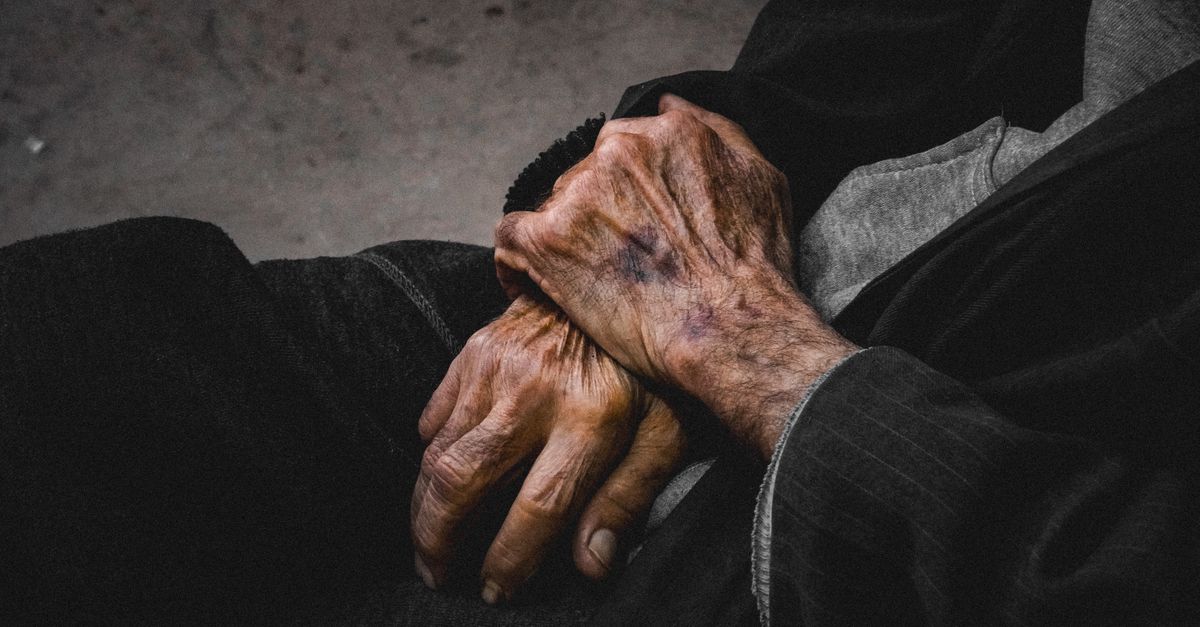
Cold hands are most often caused by peripheral vasoconstriction — the body's automatic response to conserve core heat by narrowing blood vessels in the extremities. Other common circulation-driven causes include low blood pressure, prolonged inactivity, and age-related slowdown in circulation. Persistently cold hands can also signal underlying conditions such as Raynaud's phenomenon, hypothyroidism, or anemia, all of which warrant evaluation by a physician. Warming strategies, regular hand and forearm movement, and therapeutic massage can support circulation comfort in the hands for most people without an underlying medical condition.
Your hands are often the first place your body cuts circulation when it needs to protect your core temperature — even when you're sitting indoors at room temperature. If you've noticed your hands running cold well after you've warmed up, or turning uncomfortably numb at rest, you're not imagining it. Cold hands and poor circulation are closely linked, and knowing the difference between a normal vascular response and a sign that something else is going on can save a lot of guesswork. This article covers the real causes of cold hands from a circulation standpoint, the warning signs that deserve a doctor's attention, and practical strategies — including hand and forearm massage — for improving circulation comfort day to day.
Why Your Hands Feel Cold
The hands sit at the end of the body's longest circulatory routes. Blood has to travel all the way from the heart, through the subclavian artery, down the brachial artery, and into the small vessels of the palm and fingers. When circulation is sluggish — for any reason — the hands are among the first places to feel it.
Peripheral Vasoconstriction
The most common reason for cold hands is peripheral vasoconstriction: the automatic narrowing of blood vessels near the skin's surface. When your body senses cold, stress, or a drop in core temperature, the sympathetic nervous system signals arterioles in the hands and feet to constrict. This redirects blood toward vital organs. It's an efficient survival mechanism, but it means your fingers bear the brunt of the thermal sacrifice.
Even mild environmental cold triggers this response. For some people — particularly those with lean builds or lower baseline blood pressure — the threshold is lower, making cold hands a near-daily experience that has nothing to do with disease.
Low Blood Pressure and Reduced Cardiac Output
When blood pressure is on the lower end, the driving force pushing blood into peripheral vessels is reduced. The heart may not be generating enough pressure to maintain robust circulation all the way to the fingertips, especially during sedentary periods. This is particularly common in younger women and in older adults whose cardiovascular efficiency has naturally declined with age.
Prolonged sitting compounds the problem. Inactivity reduces the muscle pump action that assists venous return and keeps arterial flow moving. Hands that stay still in a lap or on a keyboard for hours lose the benefit of movement-driven circulation.
Age-Related Circulatory Slowdown
As the body ages, arterial walls gradually lose elasticity and the heart's output efficiency decreases. This is a well-documented physiological process — not a disease, but a natural reduction in circulatory capacity that makes cold extremities more common in older adults. The small vessels supplying the fingers are particularly sensitive to these changes because they have less redundant blood supply than larger muscle groups.
- Reduced arterial elasticity limits the rebound pressure between heartbeats
- Slower capillary refill means less continuous blood delivery to finger tissue
- Thinner skin in older adults provides less insulation around surface vessels
- Decreased physical activity reduces the cardiovascular demand that keeps circulation efficient
When Cold Hands Signal Something More
Most cold hands are a benign circulatory response. But some causes are medical conditions that benefit significantly from diagnosis and treatment. Knowing the difference matters — not to cause alarm, but to make sure the right conditions get proper attention.
Raynaud's Phenomenon
Raynaud's is a vascular condition in which the small arteries supplying the fingers go into exaggerated spasm in response to cold or emotional stress. According to the National Heart, Lung, and Blood Institute, Raynaud's causes fingers to turn white, then blue, then red in sequence as vessels constrict, lose oxygen, and then flush with blood returning. The color changes are the hallmark diagnostic sign — not just coldness, but visible pallor or cyanosis.
Raynaud's can be primary (no underlying disease) or secondary to autoimmune conditions like lupus or scleroderma. If you notice dramatic color changes in your fingers, particularly in one or two fingers more than others, a physician evaluation is warranted.
Hypothyroidism
The thyroid gland regulates metabolic rate, which governs how much heat the body generates and how efficiently the cardiovascular system operates. When thyroid hormone levels are low — a condition called hypothyroidism — the body's metabolism slows. This reduces heat production, lowers heart rate, and diminishes circulation to the extremities.
Cold hands are a recognized symptom of hypothyroidism, often accompanied by fatigue, dry skin, weight gain, or hair thinning. A simple blood test (TSH panel) can confirm or rule out thyroid involvement.
Anemia
Anemia — particularly iron-deficiency anemia — reduces the blood's oxygen-carrying capacity. Because hemoglobin is what transports oxygen to peripheral tissue, low hemoglobin levels mean less oxygen reaches the hands and feet. The result is often coldness, pallor, and fatigue in the extremities. Anemia is one of the more underdiagnosed causes of persistent cold hands, especially in women of childbearing age.
Warning Signs That Need Prompt Evaluation
Not every case of cold hands needs a same-day appointment, but certain presentations should prompt faster action. Seek physician evaluation if you experience any of the following:
- Sudden coldness or numbness in one hand only, especially with arm weakness or speech changes (possible vascular emergency)
- Fingers that turn white or blue with cold exposure, then flush red
- Cold hands accompanied by unexplained weight changes, significant fatigue, or hair loss
- Skin changes on the fingers — thickening, tightening, or ulceration
- Cold hands that began abruptly rather than gradually
- Persistent coldness only on one side of the body
How Movement and Massage Help Hand Circulation
For circulation-driven cold hands without an underlying medical cause, the most effective interventions share a common mechanism: they get blood moving through the small vessels of the hand and the larger vessels of the forearm that feed them.
Why the Forearm Is the Key Entry Point
The radial and ulnar arteries run through the forearm before branching into the palmar arches that supply the fingers. Increasing circulation through these forearm vessels has a downstream effect on hand temperature and blood flow. This is why forearm-focused massage and movement can meaningfully support hand circulation — you're not just working the fingers themselves, you're opening the supply lines upstream.
This is where a therapeutic body massager becomes relevant for hand and upper-limb work. MedMassager's Body Massager uses deep oscillating motion that penetrates muscle tissue, increasing local blood flow in the forearm muscles surrounding these key arteries. Oscillating vibration stimulates the surrounding tissue, helping circulate blood through areas that commonly tighten from desk work, repetitive motion, or inactivity — the same forearm stiffness that restricts upper-limb circulation.
Active Hand and Wrist Movement
The hand contains more than 30 small muscles and an intricate network of capillaries. Unlike the legs, which benefit from walking's natural pumping action, the hands often stay static during sedentary work. Deliberate movement breaks that pattern. Even a two-minute hand mobility routine done hourly during desk work can make a measurable difference in how warm and responsive hands feel throughout the day.
Effective movements to work into your routine:
- Fist clenches and full finger extensions, 10 repetitions
- Wrist circles in both directions
- Finger abduction (spreading fingers wide) and adduction
- Arm swings or shoulder rolls to open circulation at the shoulder joint
Heat Application and Layering
Topical warmth — gloves, heated pads, or warm water — directly counteracts peripheral vasoconstriction by warming the skin and signaling the sympathetic nervous system to relax vascular tone. For people with Raynaud's, keeping the core warm (not just the hands) matters because the body won't release hand circulation until it feels the core is protected. Layering at the torso and keeping wrists covered can reduce vasoconstriction episodes before they start.
Using the Body Massager for Forearm Work
The MedMassager Body Massager is an FDA-registered Class I medical device designed to deliver clinic-grade oscillating massage across large and medium muscle groups. While many users apply it to the back, shoulders, and legs, the forearm is one of its most practical but underused applications for people experiencing cold hands from circulation issues.
Forearm Technique
To use the Body Massager for forearm circulation work, rest your forearm palm-side up on a flat surface. Apply the massager head along the length of the forearm, from just below the elbow to the wrist, using slow passes — roughly three to four seconds per pass. Keep pressure gentle to moderate. You're targeting the flexor and extensor muscle groups that surround the radial and ulnar arteries, not pressing into bone.
Because MedMassager's oscillating technology generates controlled, rhythmic vibration rather than surface-level contact, it reaches into the deeper tissue layers where circulation benefit is greatest. A 5–10 minute forearm session on each arm, two to three times per day, is a reasonable starting point.
Shoulder and Upper Arm Application
For users whose cold hands are accompanied by shoulder tightness or tension from desk posture, applying the Body Massager to the shoulder and upper arm addresses the proximal circulation pathways before blood even reaches the forearm. The brachial artery runs through the upper arm, and muscle tension in the shoulder girdle can compress or impede flow through this vessel. Oscillation penetrates deep muscle layers, increasing local blood flow in muscles affected by prolonged sitting.
Session Frequency and Practical Notes
For circulation-comfort purposes, consistency matters more than session length. Short, regular sessions — 5–10 minutes per arm, daily or twice daily — are more effective than occasional long ones. Pair massage with the active hand movements described above for the best combined effect. People living with Raynaud's, diabetes, or peripheral vascular conditions should consult their physician before beginning any massage routine for the hands or forearms.
Additional Strategies for Warming Cold Hands
Hydration and Nutrition
Dehydration reduces blood volume, which in turn reduces peripheral circulation. Staying adequately hydrated is one of the simplest and most overlooked factors in maintaining hand warmth. Iron intake matters too — if anemia is contributing to cold hands, dietary iron or supplementation (under physician guidance) addresses the root cause more directly than any surface-level warming strategy.
Posture and Ergonomics
Forward head posture and rounded shoulders — both products of prolonged screen time — can compress the neurovascular bundle in the thoracic outlet, restricting blood flow into the arms. This is called thoracic outlet syndrome in its clinical form, but even mild postural compression can reduce upper-limb circulation enough to contribute to cold hands. Ergonomic adjustments, shoulder stretches, and regular posture breaks reduce this compression passively throughout the day.
Cardiovascular Exercise
Regular aerobic exercise is one of the strongest long-term interventions for peripheral circulation. Exercise strengthens the heart, improves arterial elasticity, and stimulates angiogenesis — the growth of new capillaries — in peripheral tissue over time. Even moderate-intensity walking for 20–30 minutes most days produces measurable improvements in peripheral vascular function, according to cardiovascular medicine research. For people whose cold hands are primarily driven by low cardiovascular output, fitness improvement addresses the cause rather than the symptom.
Frequently Asked Questions
Why do my hands stay cold even when the rest of my body is warm?
Cold hands that persist in warm environments are usually the result of peripheral vasoconstriction — the body's tendency to prioritize core circulation over the extremities. Low blood pressure, prolonged inactivity, and high sympathetic nervous system tone from stress or anxiety can all keep hand vessels constricted even when you're comfortable otherwise. If the hands return to normal temperature quickly with movement or massage, the cause is most likely circulatory rather than medical.
What is the difference between Raynaud's and poor hand circulation?
Poor circulation in the hands typically presents as general coolness or slight numbness during inactivity or cold exposure, and resolves with warmth and movement. Raynaud's phenomenon is a distinct vascular condition where finger arteries go into intense spasm, causing visible color changes — white, then blue, then red — in sequence. The color change sequence is the key diagnostic differentiator. If you observe dramatic discoloration in specific fingers during cold or stress, discuss Raynaud's specifically with your physician.
Can thyroid problems cause cold hands?
Yes. Hypothyroidism slows metabolic rate, reduces heat production, and decreases cardiovascular output — all of which reduce peripheral circulation. Cold hands are a recognized symptom that often appears alongside fatigue, dry skin, unexplained weight gain, and sluggishness. A TSH blood test ordered by a physician can confirm whether thyroid function is a contributing factor.
Does forearm massage actually help with cold hands?
Forearm massage can support circulation to the hands by increasing blood flow through the radial and ulnar arteries that run through the forearm before branching into the palm. The mechanical stimulation of forearm muscle tissue promotes local blood movement and helps reduce vascular restriction in the vessels feeding the hand. This makes forearm massage a practical complement to hand movement exercises for people experiencing cold hands from circulation-related causes.
When should I see a doctor about cold hands?
Seek physician evaluation if your cold hands are accompanied by visible color changes in the fingers, sudden one-sided symptoms, skin thickening or ulceration, or significant fatigue and unexplained weight changes. Cold hands that appear suddenly rather than gradually, or that occur on one side of the body only, can indicate a vascular or neurological issue that requires prompt assessment. Gradual, bilateral, activity-related cold hands in otherwise healthy individuals are generally not an emergency but are still worth mentioning at a routine appointment.
Does drinking more water help with cold hands?
Hydration affects blood volume, and mild dehydration can decrease peripheral circulation by reducing the cardiovascular system's ability to maintain pressure in peripheral vessels. Drinking water alone won't reverse significant cold-hand issues, but chronic mild dehydration is an underappreciated contributor to circulation comfort that's easy to address.
Can anemia cause cold hands and feet?
Yes. Iron-deficiency anemia reduces the blood's capacity to carry oxygen to peripheral tissue, resulting in coldness, pallor, and fatigue in the extremities. The hands and feet are most commonly affected because they sit at the end of the body's circulatory routes and receive oxygen last. If cold hands are accompanied by persistent fatigue, pale skin, or shortness of breath, a physician can order a complete blood count (CBC) to evaluate for anemia.
The Bottom Line on Cold Hands and Circulation
Cold hands and poor circulation are deeply connected, but the causes range from the entirely benign — peripheral vasoconstriction, inactivity, low blood pressure — to conditions like Raynaud's, hypothyroidism, and anemia that benefit from medical care. Understanding which category applies to you is the first step toward addressing the problem effectively.
For the majority of people whose cold hands are circulation-driven without an underlying diagnosis, the combination of regular movement, cardiovascular exercise, good hydration, and targeted massage offers meaningful relief. Forearm-focused massage with a professional-grade body massager addresses the upstream vessels that supply the hand — a practical, consistent strategy for supporting circulation comfort in the upper limb.
If your symptoms include color changes, sudden onset, one-sided presentation, or signs pointing toward thyroid or blood disorders, make the physician visit the first step — not the last resort. The warming strategies covered here are most effective when underlying medical causes have already been ruled out.
Explore MedMassager's Body Massager collection for forearm and upper-body therapeutic massage, or browse all MedMassager products to find the right tool for your circulation goals.
This content is for informational purposes only and is not intended as medical advice, diagnosis, or treatment. Always consult a qualified healthcare professional before starting any new treatment or therapy. MedMassager products are FDA-registered Class I medical devices.


