
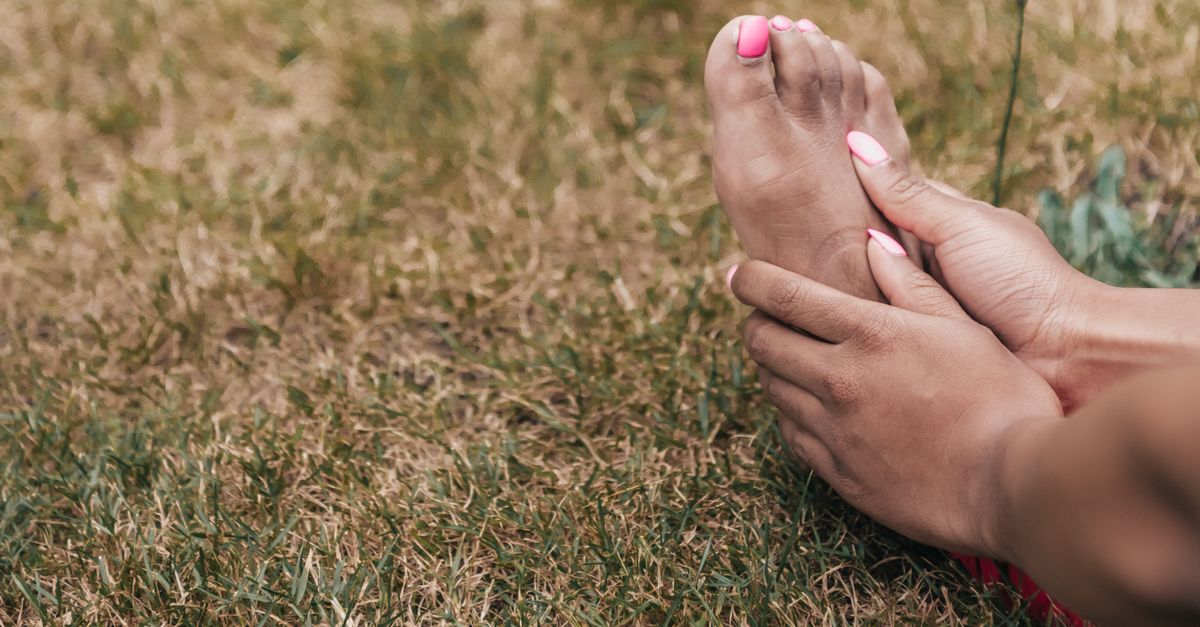
Abductor hallucis pain is an ache or tenderness along the inner edge of the sole, running from the inside of the heel toward the base of the big toe. The abductor hallucis is the muscle that moves the big toe away from the second toe and helps support the inner arch. Pain in this muscle usually comes from overload caused by flat feet, bunions, long hours of standing, or new or poorly fitting shoes. Burning, tingling, or numbness in the sole can signal nerve compression, such as tarsal tunnel syndrome, and should be evaluated by a clinician.
You press your thumb into the inside of your foot, just in front of the heel, and find a tender, ropy spot that makes you wince. That spot is often the abductor hallucis, and abductor hallucis pain can make the entire inner arch ache after a long shift, a new pair of shoes, or a weekend spent on your feet. Because the muscle is small and sits right where the arch meets the heel, its pain gets mistaken for plantar fasciitis, a bunion flare, or general foot fatigue.
This guide is for anyone dealing with a sore inner arch or a tender strip of muscle along the inside of the foot. You'll learn where the muscle sits and what it does for your big toe. You'll also learn the everyday factors that overload it, which self-massage and toe exercises help, and which symptoms point to a nerve problem rather than a tired muscle.
The Abductor Hallucis: Anatomy of the Inner Arch
The abductor hallucis is one of the intrinsic muscles of the foot. Intrinsic muscles start and end within the foot itself. They handle fine control of the toes and arch rather than the large ankle movements driven by the calf.
Where the Muscle Sits
The muscle begins at the inner side of the heel bone (the medial calcaneal tubercle) and runs forward along the inside edge of the sole. It attaches to the inner side of the base of the big toe. It belongs to the first, most superficial layer of the sole's muscles, which is why you can feel it as a firm band along the inner arch when you flex your toes.
What It Does for the Big Toe and Arch
The name describes its main job. "Abductor" means it pulls a body part away from the midline, and "hallucis" refers to the big toe. Its functions include:
- Moving the big toe away from the second toe
- Assisting the big toe in flexing at the joint where it meets the foot
- Supporting the medial longitudinal arch during standing and walking
- Stabilizing the inner foot as you push off the ground with each step
The Nerves Running Beside It
The abductor hallucis is supplied by the medial plantar nerve, a branch of the tibial nerve. The tibial nerve and its branches pass close to and beneath this muscle as they enter the sole from the inside of the ankle. That close relationship matters. A tight or enlarged abductor hallucis can press on these nerves, which explains why some inner arch pain comes with burning or tingling rather than a simple muscle ache.
Symptoms That Point to This Muscle
Muscle-based pain in the abductor hallucis has a recognizable feel. Typical signs include:
- A dull ache or tenderness along the inside of the arch or the inner heel
- A tender knot that reproduces your pain when pressed
- Cramping along the inner sole, especially when you curl or spread your toes
- Pain that builds over a day of standing and eases with rest
- Discomfort when pushing off the big toe during walking
What Causes Abductor Hallucis Pain?
This muscle rarely hurts from a single injury. More often, it is asked to do extra work day after day until it becomes tight, tender, or strained. Four factors account for much of that extra load.
Flat Feet and a Collapsing Arch
When the arch flattens with each step, the abductor hallucis works harder to hold the inner foot up. Over time, that constant effort leads to fatigue and tightness. Flexible flat feet and arches that lower further under body weight or long walks both place this muscle under sustained tension.
Bunions and Big Toe Alignment
A bunion (hallux valgus) occurs when the big toe drifts toward the second toe and a bump forms at the joint. As the toe shifts, the abductor hallucis is pulled toward the underside of the foot and loses much of its ability to move the toe away from the second toe. The muscle then works at a mechanical disadvantage, which can add to inner arch soreness. If bunions are part of your picture, this guide on how massage fits into bunion care covers the topic in more depth.
Long Hours of Standing
Standing still on hard floors keeps the arch muscles under steady load without the relief of movement. Unlike walking, quiet standing gives the abductor hallucis little chance to contract and relax in a rhythm. Blood flow through the sole slows, and the muscle can feel stiff and sore by the end of the day.
New Shoes and Sudden Changes
A change in footwear shifts how load travels through the foot. Switching to minimalist shoes asks the intrinsic muscles to do more support work than before. Other shoe-related triggers include:
- A narrow toe box that squeezes the big toe inward
- A stiff or seamed inner edge that presses on the arch
- Removing or swapping arch supports abruptly
- A sudden jump in walking distance, hiking, or time on your feet
Where Massage and Oscillation Fit for the Inner Arch
Massage applies pressure and movement to muscle tissue. For a small, overworked muscle like the abductor hallucis, that input can ease the sense of tightness and bring blood back into tissue that has been held under load all day.
Releasing Tension in a Hardworking Muscle
Muscles that stay contracted for long periods compress the small blood vessels running through them. Movement and pressure from massage help reverse that by:
- Increasing local blood flow through the sole
- Encouraging tight tissue to relax between contractions
- Reducing the tender, guarded feel of trigger points along the arch
Hands-on work is a good start, and this guide to massage techniques for arch pain walks through options for the whole arch. Manual massage has limits, though. Your hands tire quickly, and reaching your own sole at a useful angle is awkward.
Vibration Compared With Circular Oscillation
Many foot massagers are sold as vibration massagers. MedMassager uses oscillating technology to deliver deeper, more controlled vibration than conventional massagers. The platform oscillates in a circular motion, so the whole foot moves rather than receiving a surface buzz. That circular oscillating action reaches the arch and heel together, which suits a muscle that runs the full length of the inner sole.
Where a Foot Massager Fits
MedMassager's therapeutic foot massagers are FDA-registered Class I medical devices with an open, flat platform and adjustable intensity settings. They are used seated, with your feet resting flat on the platform. The circular oscillating motion keeps blood moving through the foot during use. A massager works alongside stretching, footwear changes, and whatever your clinician has recommended, not in place of them.
Self-Massage and Exercises for Abductor Hallucis Pain
A short daily routine combining massage and targeted toe work addresses both sides of the problem. Massage loosens the tight muscle, and exercise builds its ability to handle load. Stop any step that produces sharp pain, burning, or tingling.
Hands-On Self-Massage
- Sit in a chair and cross one foot over the opposite knee so the inner arch faces up.
- Place your thumb on the inner side of the heel and glide it slowly toward the base of the big toe. Use firm but tolerable pressure and repeat for 1 to 2 minutes.
- When you find a tender spot, hold gentle pressure for 20 to 30 seconds until it eases slightly.
- Finish by rolling the arch over a tennis or massage ball for 1 to 2 minutes while seated, keeping pressure light at first.
Toe Exercises for the Abductor Hallucis
These exercises train the muscle to move the big toe and support the arch. Do them barefoot, seated at first, and progress as they become easy.
- Toe spreading: Spread all five toes as wide as possible, hold for 5 seconds, and relax. Repeat 10 times.
- Big toe abduction: Try to move only the big toe away from the second toe. Use a finger to guide it at first if needed. Repeat 10 times.
- Short foot (arch doming): Keep the toes flat and draw the ball of the foot toward the heel to raise the arch slightly. Hold 5 seconds and repeat 10 times.
- Big toe lifts: Lift only the big toe while the other four stay down, then reverse. Repeat 10 times each way.
- Calf stretch: A tight calf increases strain on the sole, so finish with a 30-second calf stretch on each side.
A Seated Foot Massager Routine
If you add the MedMassager Foot Massager to your routine, keep the setup simple. Sit upright in a stable chair with both feet flat on the platform and your knees bent at a comfortable angle. Start with about 10 minutes at the lowest setting, once or twice a day.
Raise the intensity gradually over several sessions as your feet adjust. The circular oscillating action moves the arch and heel together, which supports blood flow through the muscle during use. Using the massager after a long day of standing or before your toe exercises gives the muscle movement when it has been held still the longest. The massager is designed for seated use only.
Burning or Numbness: When It's a Nerve Issue
Muscle pain aches. Nerve pain behaves differently, and the difference matters because nerve compression needs a proper evaluation rather than more self-massage.
Tarsal Tunnel and Plantar Nerve Entrapment
Cleveland Clinic describes tarsal tunnel syndrome as compression of the tibial nerve as it passes through a narrow passage on the inside of the ankle. Because the abductor hallucis lies along the path of the tibial nerve's branches, a tight or enlarged muscle can contribute to pressure on the medial or lateral plantar nerves. Entrapment of a small nerve branch near the inner heel can also produce heel and arch pain that resembles plantar fasciitis.
Nerve-related symptoms tend to include burning, tingling, electric or shooting sensations, and numbness in the sole or toes. These symptoms can appear at rest or at night and may not improve with stretching. A podiatrist or physician can assess nerve involvement through examination and, when needed, imaging or nerve testing.
Red Flags That Need a Clinician
Book an appointment rather than continuing home care if you notice any of the following:
- Burning, tingling, or numbness in the sole, heel, or toes
- Weakness when spreading or gripping with your toes
- Pain that wakes you at night or persists after rest
- Swelling, warmth, or bruising along the inner arch
- Pain after a fall, twist, or impact, or difficulty bearing weight
- Symptoms that have not improved after two to three weeks of home care
If You Have Diabetes or Neuropathy
Reduced sensation in the feet changes the rules for self-care. Check your feet daily for cuts, blisters, and color changes, and ask your own care team before starting any massage routine. If they agree a massager fits your plan, the mechanism is straightforward. With diabetes, repeated foot motion activates the calf muscles, pushing blood upward instead of letting it pool in the feet.
With peripheral neuropathy, continuous movement helps keep blood flowing through the feet when natural movement is limited. The circular oscillating action creates continuous, repetitive movement in the foot and calf, which supports circulation during use. Keep intensity at the lowest setting, since reduced sensation makes it harder to judge pressure. MedMassager's professional-grade foot massager collection is used seated, with feet flat on the platform.
Frequently Asked Questions
Where is the abductor hallucis muscle located?
The abductor hallucis runs along the inner edge of the sole. It starts at the inner side of the heel bone and attaches to the inner side of the base of the big toe. You can feel it as a firm band along the inside of the arch when you spread or flex your toes.
Can flat feet strain the abductor hallucis?
Yes, flat feet can strain this muscle because it works harder to hold up the inner arch when the arch lowers with each step. That constant effort leads to fatigue, tightness, and tenderness along the inside of the foot. Supportive footwear and arch-strengthening exercises can reduce the extra load.
Is abductor hallucis pain the same as plantar fasciitis?
No, they involve different tissues, although the pain can overlap. Plantar fasciitis affects the thick band of connective tissue on the bottom of the foot and typically causes sharp heel pain with the first steps in the morning. Abductor hallucis pain sits along the inner edge of the arch and inner heel and tends to build with standing or pushing off the big toe.
How long does an abductor hallucis strain take to heal?
A mild overuse strain often improves within a few weeks once you reduce the load, adjust footwear, and add gentle massage and exercises. Recovery takes longer if the underlying cause, such as a flattening arch or tight shoes, is not addressed. Pain that persists beyond two to three weeks, or that comes with burning or numbness, should be evaluated by a clinician.
Can tight shoes cause pain along the inner arch?
Yes, a narrow toe box squeezes the big toe inward and changes how the abductor hallucis works. Stiff or seamed inner edges can also press directly on the muscle. Choosing shoes with a roomy toe box and a smooth inner edge often reduces inner arch discomfort.
Does a foot massager help with inner arch pain?
A foot massager does not treat inner arch pain, but it can add movement and increase local blood flow through the arch and heel during use. MedMassager's Foot Massager oscillates in a circular motion, moving the whole foot as you sit with your feet flat on the platform. It works best alongside toe exercises, footwear changes, and any care your clinician recommends.
Can the abductor hallucis compress a nerve?
Yes, branches of the tibial nerve pass close to and beneath the abductor hallucis as they enter the sole. A tight or enlarged muscle can press on these nerves and contribute to burning, tingling, or numbness in the heel or arch. These symptoms need a professional evaluation, since nerve entrapment is managed differently from simple muscle strain.
The Bottom Line on Inner Arch Pain
The abductor hallucis moves your big toe and holds up your inner arch, so it takes on extra work whenever the arch flattens, a bunion shifts the toe, or your shoes and standing time change. Mild abductor hallucis pain often responds to reducing that load, self-massage, and targeted toe exercises.
Burning, tingling, numbness, or weakness changes the picture and calls for a visit to a podiatrist or physician. For daily seated use alongside your routine, explore MedMassager Foot Massagers, built with a circular oscillating platform and adjustable intensity. That circular oscillating action moves the whole foot, which supports blood flow through the arch and heel during use.
This content is for informational purposes only and is not intended as medical advice, diagnosis, or treatment. Always consult a qualified healthcare professional before starting any new treatment or therapy. MedMassager products are FDA-registered Class I medical devices.


