
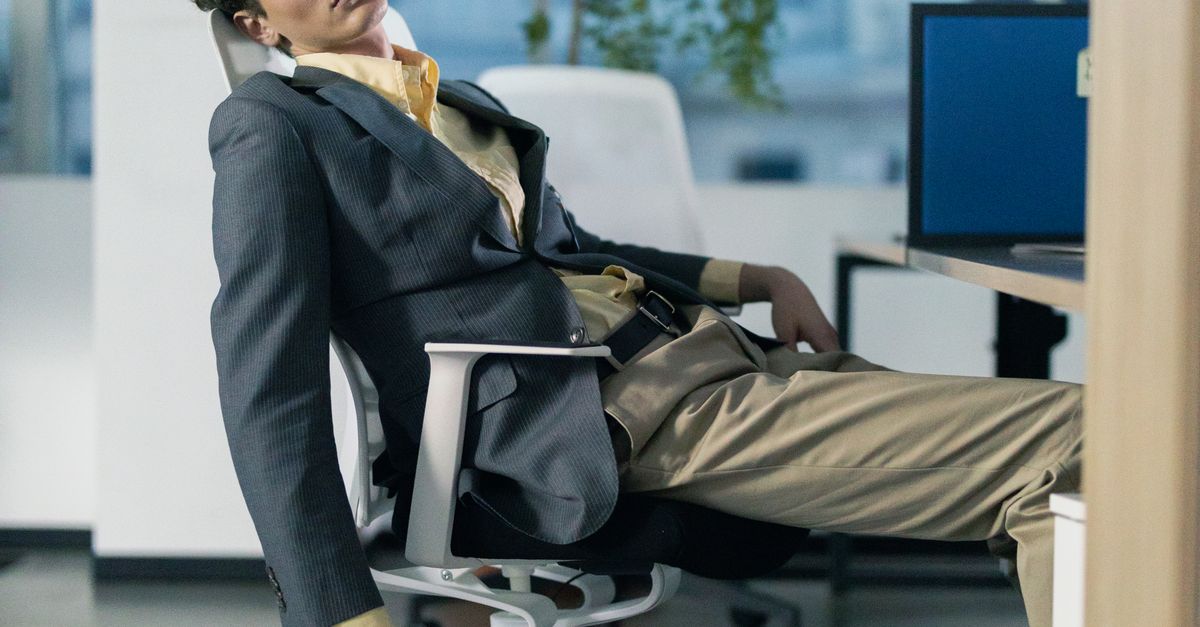
Tailbone pain when sitting, called coccydynia, is pain at the coccyx, the small bone at the very base of the spine. It usually comes from a backward fall, childbirth, or long periods of sitting on hard or narrow surfaces, all of which strain the coccyx and the ligaments attached to it. A wedge or cutout cushion, leaning slightly forward when you sit, and frequent breaks from sitting help reduce pressure on the bone. See a doctor if the pain began after a fall, lasts more than a few weeks, or comes with a fever.
Sitting down shouldn't feel like a decision, but tailbone pain when sitting turns it into one. You lower yourself carefully, shift onto one hip, and brace for the sharp ache at the base of your spine. A short car ride, a work meeting, or a family dinner can feel like an endurance test. Standing back up often hurts just as much.
This guide is for anyone dealing with a sore tailbone, whether it started after a slip on the ice, after giving birth, or for no obvious reason after months at a desk. Coccyx pain is often slow to settle because the bone sits right where your body weight lands every time you sit, so day-to-day habits matter as much as any single fix. Here's what causes coccydynia, how cushions and posture changes reduce pressure, where massage fits (and where it doesn't), and the warning signs that mean it's time to see a doctor.
What Causes Tailbone Pain When Sitting?
The coccyx is a small, triangular bone made of three to five segments, fused or partly fused, at the bottom of the spine. Cleveland Clinic describes coccydynia as pain in and around this bone. Several muscles, tendons, and ligaments anchor to it, including part of the gluteus maximus and the pelvic floor muscles.
Why Sitting Makes the Pain Worse
When you sit upright, most of your weight rests on the two sitting bones of the pelvis (the ischial tuberosities). When you lean back or slouch, the pelvis rolls backward and shifts more of that load onto the coccyx. That's why reclining on a sofa or slumping in a soft car seat often hurts more than sitting tall on a firm chair.
Moving from sitting to standing can also cause a spike of pain. As you rise, the muscles attached to the coccyx contract and pull on the bone, which irritates tissue that is already sensitive.
Falls, Childbirth, and Hard Chairs
A backward fall onto a hard surface is one of the clearest causes. Landing on the tailbone can bruise the bone, sprain its ligaments, or in more serious cases dislocate or fracture it. Tailbone pain after a fall can linger for weeks because you keep pressing on the injured area every time you sit.
Childbirth is another well-known trigger. During vaginal delivery, the baby's head passes directly over the coccyx and pushes it backward, which can strain or occasionally dislocate the joint. Coccydynia occurs more often in women, partly for this reason and partly because of differences in pelvic shape.
Repeated pressure without a single injury can also do it. Long hours on hard, narrow, or poorly shaped seats load the same small area day after day. If your lower back also aches after a workday, it helps to understand how long periods of sitting load the lower back, since the two problems often develop together.
Other Contributors
Some cases have no clear starting point. These factors can raise the risk or keep pain going:
- Repetitive pressure from activities like cycling or rowing
- Low body weight, which leaves less natural padding over the coccyx
- Higher body weight, which increases the load on the tailbone when seated
- Extra movement in the coccyx joint (hypermobility)
- Tight glute and pelvic floor muscles pulling on the bone
- Rarely, infection, a cyst, or a tumor near the base of the spine
When to See a Doctor for Tailbone Pain
Mild coccyx pain from sitting too long often improves with cushions and habit changes. Some signs, however, point to an injury or a cause that needs proper evaluation.
Red-Flag Symptoms
Make an appointment if you notice any of the following:
- Pain that started after a fall or direct blow to the tailbone
- Pain that lasts more than a few weeks despite home care
- Fever, chills, or redness and warmth near the base of the spine
- A lump, swelling, or draining area near the tailbone
- Numbness, tingling, or weakness in the legs
- New changes in bladder or bowel control, or numbness in the groin (seek emergency care right away)
- Pain that is severe at night or unrelated to sitting
What a Doctor May Check
A doctor will usually ask how the pain began and examine the area. They may order an X-ray, sometimes taken both sitting and standing, to check for a fracture or a coccyx that moves abnormally. An MRI may be used if they suspect something beyond a simple strain.
Depending on what they find, your care team may suggest anti-inflammatory medication, physical therapy, pelvic floor therapy, or an injection near the coccyx. Surgery to remove the coccyx exists but is reserved for persistent cases that don't respond to other approaches. Ask your own doctor which options fit your situation.
Cushions and Posture Changes That Reduce Pressure
Because sitting is the main aggravator, the most effective home changes focus on taking weight off the coccyx. None of these are complicated, but consistency makes the difference.
Choosing a Cushion for Tailbone Pain
A wedge cushion with a cutout at the back is the most targeted option. The cutout leaves open space directly under the coccyx, while the slight forward slope tips the pelvis forward so your weight settles on the sitting bones and thighs.
Donut-style cushions are also widely available, but they can still press on the tailbone because the coccyx sits toward the back of the ring rather than over the hole. If you try one, check whether the pressure point actually falls in the open space. Firm memory foam generally supports better than soft padding that lets you sink and roll backward.
How to Sit With Tailbone Pain
Small posture adjustments can noticeably change how much load reaches the coccyx. Try this sequence each time you sit down:
- Sit toward the front half of the chair rather than all the way back.
- Keep your feet flat on the floor, hip-width apart.
- Lean slightly forward from the hips so your weight rests on your sitting bones and thighs.
- Keep your spine tall instead of slumping into the backrest.
- Before you stand, lean forward and push through your legs so your thighs do the work.
Breaking Up Long Sits
Even with a good cushion, continuous sitting adds up. Standing for a minute or two every 30 minutes gives the area a break and lets the surrounding muscles relax. A standing desk, phone calls taken on your feet, or a short walk after meals all reduce total seated time without disrupting your day.
For a recent injury, ice wrapped in a cloth for 15 to 20 minutes at a time can help with pain in the first few days. After that, gentle heat on the lower back and glutes can help loosen the muscles that tighten as you guard the area. Never place ice or heat directly on bare skin.
Where Massage Fits Around the Tailbone
The coccyx itself should never be massaged with a device. Pressing a massager onto an injured or inflamed tailbone can aggravate a bruise, sprain, or fracture. The muscles around it are a different story.
Why the Surrounding Muscles Matter
When your tailbone hurts, you naturally shift your weight, sit on one hip, and tense up every time you lower yourself into a chair. Over days and weeks, that guarding leaves the glutes, hips, and lower back stiff and sore. The gluteus maximus also attaches partly along the edge of the sacrum and coccyx, so tight glutes add tension near the painful spot.
Keeping these muscles loose doesn't address the coccyx directly, but it can make sitting, standing, and walking feel less effortful. Manual approaches work too, and these glute massage techniques for tightness from sitting are a useful starting point if you want to work by hand first.
Oscillation Versus Vibration
Many handheld massagers are sold as vibration massagers. MedMassager uses oscillating technology to deliver deeper, more controlled vibration than conventional massagers. The Body Massager oscillates in a circular motion, combining vibration with circular rotation, which moves muscle tissue rather than simply buzzing on the surface.
For the muscles that tighten around coccydynia, the physical effect is straightforward. Oscillation penetrates deep muscle layers, increasing local blood flow in muscles affected by prolonged sitting. In large groups like the glutes and hamstrings, that movement supports recovery during rest.
Where to Place the Pad
The Body Massager is an FDA-registered Class I medical device with slip-resistant handles and a large, soft, cushioned pad that contours to the body. Its adjustable intensity lets you start gently. Place the pad only on these areas:
- The fleshy center and outer portion of each glute
- The outer hips
- The lower back muscles on either side of the spine, above the pelvis
- The back of the thighs
Keep the pad well away from the midline crease at the base of the spine. You can browse therapeutic body massagers to see the cushioned pad that contours to these larger muscle groups.
Daily Routine for Tailbone Pain When Sitting
A simple routine combines pressure relief, movement, and muscle care. Adjust it based on what your doctor or physical therapist recommends, and stop any step that increases your tailbone pain.
- Morning: Set your wedge or cutout cushion on your main chair before the day starts. Do two or three gentle stretches for the glutes and hips, such as a seated figure-four stretch, only if they don't press on the tailbone.
- During work hours: Sit forward on the cushion with your feet flat. Set a timer to stand for a minute or two every 30 minutes.
- Midday: Take a short walk. Walking keeps the hips and glutes moving without loading the coccyx.
- Evening massage: Lie on your side with a pillow between your knees and hold the pad on the upper glute, or sit upright on your cushion and rest the MedMassager Body Massager for the glutes and lower back between your lower back and the chair. Never sit on the massager, since that puts pressure on the tailbone.
- Session length: Start with about 10 minutes at the lowest setting, once or twice a day. Increase the intensity gradually if it stays comfortable.
- Before bed: Apply gentle heat to the lower back or glutes if muscle tightness lingers.
The massage step is about the muscles, not the bone. Circular oscillating action moves the tissue of the glutes and lower back, increasing local blood flow in muscles that stiffen from guarding and long sitting. In the full MedMassager catalog, the Body Massager is the one whose cushioned pad is applied to the glutes, hips, and lower back.
Special Situations to Keep in Mind
Some circumstances call for extra caution or a conversation with your care team before you change your routine.
After Childbirth
Tailbone pain after childbirth can overlap with other postpartum recovery, including pelvic floor changes. A cutout cushion is a reasonable first step, and pelvic floor physical therapy can address the muscles attached to the coccyx. Check with your obstetric provider before starting any massage near the pelvis in the weeks after delivery.
After a Fall or in Older Adults
A fall onto the tailbone deserves a medical check before you try home care, especially for older adults or anyone with low bone density, where a fracture is more likely. Hold off on any massage of the lower back and glutes until a doctor has ruled out a break.
Other situations where you should ask your doctor first:
- You have a known spinal condition or recent spinal surgery.
- You have reduced sensation in the buttocks or legs.
- You are pregnant.
- Your pain is worsening rather than slowly improving.
Frequently Asked Questions
Why does my tailbone hurt when I sit but not when I stand?
Sitting places direct pressure on the coccyx, especially when you lean back or slouch and the pelvis rolls backward. Standing removes that load entirely, so the irritated bone and ligaments get a break. Pain often flares again at the moment you stand up, because the muscles attached to the coccyx contract and pull on it.
How long does tailbone pain last?
Mild coccydynia from a bruise or strain often improves over several weeks with cushions and reduced sitting. A fracture or dislocation can take longer to settle. Pain that has not improved after a few weeks, or that keeps getting worse, should be evaluated by a doctor.
What is the best way to sit with tailbone pain?
Sit toward the front of the chair with your feet flat and lean slightly forward from the hips. This shifts your weight onto your sitting bones and thighs and away from the coccyx. A wedge cushion with a cutout at the back adds space directly under the tailbone.
Can a massager help with tailbone pain?
A massager should never be placed directly on the tailbone, since pressure can aggravate an injury. It can be used on the glutes, hips, and lower back muscles that tighten around coccyx pain. On those muscles, oscillation penetrates deep muscle layers, increasing local blood flow in muscles affected by prolonged sitting. Ask your doctor or physical therapist whether this fits your situation.
Is heat or ice better for tailbone pain?
Ice is generally used in the first few days after an injury, applied through a cloth for 15 to 20 minutes at a time. Heat tends to work better later on for loosening the lower back and glute muscles that tighten as you guard the area. Never apply either directly to bare skin.
Can sitting too long cause tailbone pain?
Yes, prolonged sitting on hard, narrow, or poorly shaped seats can irritate the coccyx even without a fall or injury. The repeated pressure strains the bone and the ligaments attached to it. Using a cutout cushion and standing up every 30 minutes reduces that cumulative load.
The Bottom Line
Tailbone pain when sitting usually traces back to a fall, childbirth, or long hours of pressure on hard seats. The most effective daily changes are a wedge or cutout cushion, sitting forward on your sitting bones, and breaking up long sits. Pain after a fall, pain that lasts weeks, or pain with fever needs a doctor's evaluation.
Massage belongs on the muscles around the coccyx, never on the bone itself. The circular oscillating action of the Body Massager moves the tissue of the glutes and lower back, supporting blood flow in muscles that tighten from guarding. If tight glutes and a stiff lower back are adding to your discomfort, explore the MedMassager body massager collection and use it alongside whatever your care team recommends.
This content is for informational purposes only and is not intended as medical advice, diagnosis, or treatment. Always consult a qualified healthcare professional before starting any new treatment or therapy. MedMassager products are FDA-registered Class I medical devices.


