
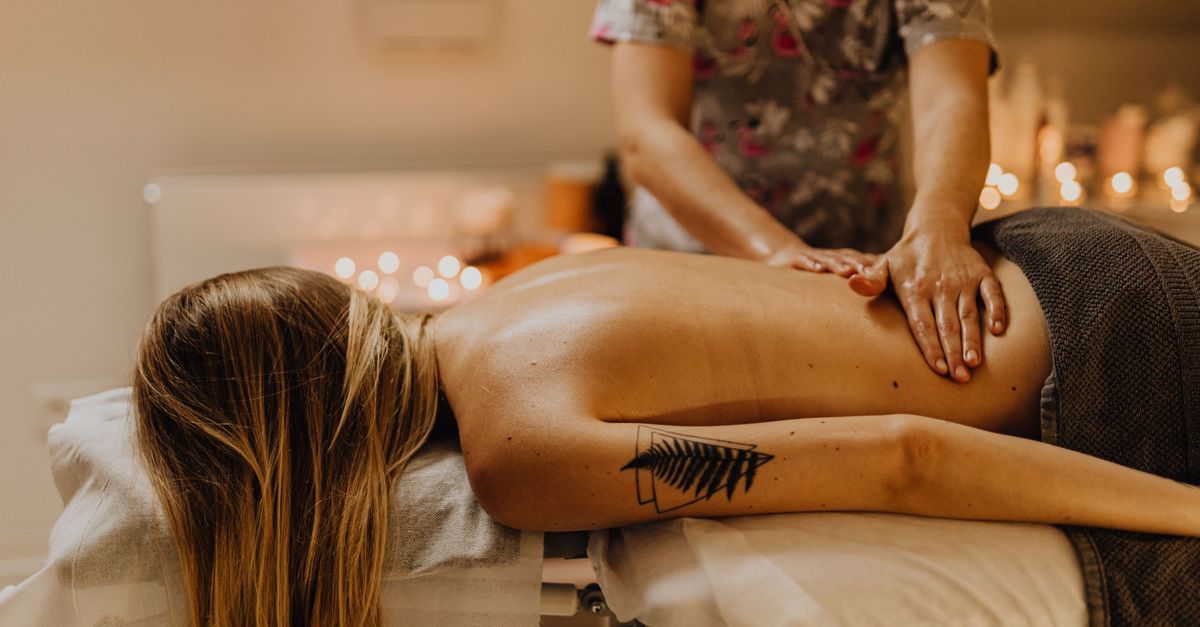
You should never massage directly over an active shingles rash because the blisters contain live varicella-zoster virus and the skin is fragile, painful, and prone to tearing. Shingles and massage safety depends on the stage of the outbreak: during the active rash, touch is off-limits on and near the affected area, and after the rash heals, many people develop lingering nerve sensitivity called postherpetic neuralgia that also requires caution. Gentle, circulation-focused massage elsewhere on the body may be appropriate once a doctor confirms the rash has fully healed and nerve pain has stabilized. Always get medical clearance before resuming any massage or oscillating therapeutic massager use after a shingles diagnosis.
If you're dealing with a shingles flare-up and wondering whether a massager might ease the burning or itching, the honest answer is that shingles and massage safety comes down to one hard rule: do not touch the rash. This is especially confusing for people managing nerve pain, because massage is often recommended for circulation and muscle tension elsewhere in the body. Shingles is different.
It's a viral condition with an active infectious stage, and the skin involved is not a candidate for pressure, oscillation, or vibration of any kind until it has fully healed. Knowing why the active rash is off-limits, what postherpetic nerve sensitivity means for touch afterward, and when gentle circulation-focused approaches on unaffected areas might be reasonable can help you make safer choices, always with a doctor's clearance first.
What Causes a Shingles Outbreak
Shingles, medically known as herpes zoster, develops when the varicella-zoster virus reactivates in the body. Mayo Clinic describes shingles as a reactivation of the same virus that causes chickenpox, which stays dormant in nerve tissue for years after a childhood infection clears. When it reactivates, it travels along a specific nerve pathway, or dermatome, which is why the rash typically appears as a single stripe wrapping around one side of the torso or face rather than spreading across the whole body.
The Active Rash Phase
The active phase follows a fairly predictable progression, and every stage of it rules out massage over the affected skin:
- Tingling, burning, or itching in a band of skin, often before anything is visible.
- A cluster of fluid-filled blisters appearing within a few days along the same nerve pathway.
- Blisters opening and crusting over, during which the skin barrier is compromised.
This stage is painful on its own. Any external pressure, friction, or vibration applied directly to this area risks breaking blisters, spreading virus to other skin, or intensifying the nerve pain already present.
Postherpetic Neuralgia Explained
For some people, nerve pain continues long after the rash itself has healed. This is called postherpetic neuralgia, and it happens because the virus can damage nerve fibers during the outbreak, leaving them prone to sending pain signals even after the skin looks normal again. The affected skin can become hypersensitive to light touch, a phenomenon called allodynia, where clothing or a light breeze feels painful. This nerve sensitivity is a major reason why massage decisions after shingles need to be made carefully and with a physician's input.
Why You Should Never Massage Active Shingles
Shingles and massage safety starts with a simple principle: an active rash is not a site for hands-on work or any therapeutic massage device. There are three overlapping reasons this matters, and each one is enough on its own to rule out massage over the rash.
- Viral transmission risk: the fluid inside shingles blisters contains active virus, and direct contact can spread it to broken skin on another person or to other areas of your own skin.
- Skin integrity: the blisters are fragile and can tear or open further under pressure, friction, or oscillating movement, which increases infection risk and slows healing.
- Pain amplification: nerve endings in the affected dermatome are already irritated, and additional stimulation over the area typically intensifies burning or stabbing pain rather than relieving it.
This applies to any form of massage, whether it is manual hands-on work, a foam roller, or a therapeutic massager. It also applies to the skin immediately surrounding the rash, not just the blisters themselves, since the nerve pathway extends beyond the visible outbreak.
How Touch Affects Nerve Sensitivity After Shingles
Once the rash has fully crusted over and healed, the question shifts from "is this contagious" to "will this hurt." That is where postherpetic nerve sensitivity comes in. Even light touch can trigger sharp or burning pain in the healed area for weeks or months, and in some cases longer, because the underlying nerve damage from the viral infection takes time to settle.
What Needs to Happen Before Massage Resumes
Any return to massage, including on unaffected parts of the body, should happen only after a doctor has done three things:
- Evaluated the healed skin, since underlying nerve irritation is not always visible.
- Confirmed that nerve pain in the affected dermatome has stabilized.
- Identified which areas of the body should remain off-limits, and for how long.
Vibration Versus Controlled Oscillation
Many people search for a vibrating massager to ease general muscle tension without realizing there is a meaningful difference between simple surface vibration and controlled oscillation. MedMassager uses oscillating technology to deliver deeper, more controlled circular movement than conventional vibrating massagers. That control matters when you are trying to support circulation in muscle tissue without triggering nerve sensitivity in a nearby area.
For general circulation support in areas untouched by the outbreak, the circular oscillating action penetrates deep muscle layers and increases local blood flow in muscles affected by prolonged sitting or general tension. That is how a professional-grade body massager works on the back, arms, or legs. It is not a claim that oscillation treats or reduces postherpetic neuralgia, and the device should never be applied directly over or near a dermatome affected by shingles without a doctor's specific sign-off.
When Gentle Massage May Be Appropriate
Timing is the deciding factor in shingles and massage safety. The rash phase is a hard no. The recovery phase requires individualized medical judgment because nerve healing timelines vary widely from person to person.
Signs the Rash Has Fully Healed
Full healing is more than the rash fading from view. The markers a physician typically looks for include:
- All blisters have crusted over and fallen away.
- No open, weeping, or scabbed skin remains in the area.
- The skin is no longer tender to normal clothing contact.
Some residual sensitivity can persist even after the skin looks completely normal. A physician or dermatologist is best positioned to confirm this stage, since underlying nerve irritation is not always visible on the surface.
Why a Doctor's Clearance Comes First
Because postherpetic neuralgia can develop even after the skin heals, a doctor should assess whether nerve pain has stabilized before any massage resumes near the affected dermatome. This is distinct from general massage caution. For a broader look at conditions and situations where any therapeutic massager should be avoided, see MedMassager's general guide to massager contraindications and safety, which covers other conditions beyond shingles.
Safe Circulation Routines After Clearance
Once a doctor has cleared you and confirmed the affected area has healed without ongoing nerve sensitivity, some people look to reintroduce gentle circulation-focused routines on unaffected parts of the body. Any routine should stay conservative and seated, and should avoid the dermatome where shingles occurred.
- Confirm clearance from your physician, including specific guidance on which body areas remain off-limits.
- Start with short sessions, seated, on an unaffected area such as the lower back or legs, keeping the unit at the lowest intensity setting.
- Watch for any burning, stinging, or nerve-type pain during or after the session, and stop immediately if it occurs.
- Keep sessions brief at first, gradually increasing time only if there is no adverse reaction.
- Avoid the healed dermatome entirely for an extended period, even if it looks fully recovered, unless your doctor specifically approves it.
Seated circulation-focused body massager routines are intended for general muscle support on parts of the body unaffected by nerve conditions, not as a treatment for shingles or postherpetic neuralgia. The circular oscillating action creates continuous, repetitive movement in the muscle tissue, which supports circulation during use. The goal is conservative reintroduction of movement and circulation support, not aggressive or prolonged sessions.
Special Considerations for Certain Patients
Some populations need extra caution beyond the general timeline above. Three factors shape how conservative the approach should be:
- Age, since healing tends to take longer in older adults.
- Immune status, since a weakened immune system raises the risk of complications.
- Location of the outbreak, particularly anywhere on the face or near the eye.
Older Adults and Immunocompromised Patients
Shingles risk and severity both increase with age, and older adults and people with weakened immune systems often experience longer healing times and a higher likelihood of developing postherpetic neuralgia. For these patients, the wait before considering any massage near the affected area should be longer, and medical guidance should be sought at every step rather than relying on how the skin appears.
Shingles Involving the Face or Eye
When shingles affects the area around the eye, a condition called ophthalmic zoster, prompt evaluation by a physician is essential due to the risk of vision complications. Massage of any kind near the face or eye area should be avoided entirely during and well after this type of outbreak, and only resumed with explicit direction from an eye specialist or physician.
Frequently Asked Questions
Is it safe to massage a shingles rash?
No, an active shingles rash should never be massaged. The blisters contain active virus, the skin is fragile and prone to tearing, and pressure or friction typically increases nerve pain rather than relieving it.
Can shingles spread if you touch it?
Yes, the fluid inside shingles blisters contains active varicella-zoster virus and can spread to broken skin on yourself or another person through direct contact. This is one of the main reasons massage over the rash is unsafe until it has fully crusted and healed.
What is postherpetic neuralgia?
Postherpetic neuralgia is ongoing nerve pain that persists in the area of a shingles outbreak after the rash itself has healed. It happens because the virus can damage nerve fibers during the outbreak, and it can cause the skin to become painfully sensitive to even light touch for weeks or months.
How long should you wait to massage after shingles?
There is no fixed timeline because nerve healing varies from person to person, which is why a doctor's evaluation is necessary before resuming massage near the affected area. Some people recover without lingering sensitivity within a few weeks, while others develop postherpetic neuralgia that requires a much longer, medically guided waiting period.
Can you use a massager after shingles clears up?
Gentle, circulation-focused massage on unaffected areas of the body may be appropriate once a physician confirms the rash has fully healed and any nerve sensitivity has stabilized. The area where the shingles outbreak occurred should still be avoided unless your doctor specifically clears it, since underlying nerve irritation is not always visible on the surface.
Does massage help nerve pain from shingles?
Massage directly over an area affected by postherpetic neuralgia is not recommended, since touch can trigger or worsen nerve pain in that specific area. Any circulation-focused approach should be limited to unaffected parts of the body and only pursued after medical clearance, rather than applied to the site of nerve involvement.
Bottom Line on Shingles and Massage Safety
Shingles and massage safety comes down to timing and location. Never massage an active rash, because the virus is contagious, the skin is fragile, and added pressure or vibration tends to worsen pain rather than ease it. After the rash heals, nerve sensitivity can linger, so any return to massage on unaffected areas should wait for a physician's clearance rather than a visual check of the skin.
For general muscle tension and circulation support elsewhere on the body once you've been cleared, a seated, low-intensity routine is the more conservative starting point. The circular oscillating action engages muscle tissue with continuous, repetitive movement, which supports blood flow in the area being worked during use. Explore MedMassager's body massagers for seated circulation support and keep every session on skin well away from the affected dermatome, in coordination with your doctor's guidance.
This content is for informational purposes only and is not intended as medical advice, diagnosis, or treatment. Always consult a qualified healthcare professional before starting any new treatment or therapy. MedMassager products are FDA-registered Class I medical devices.


