
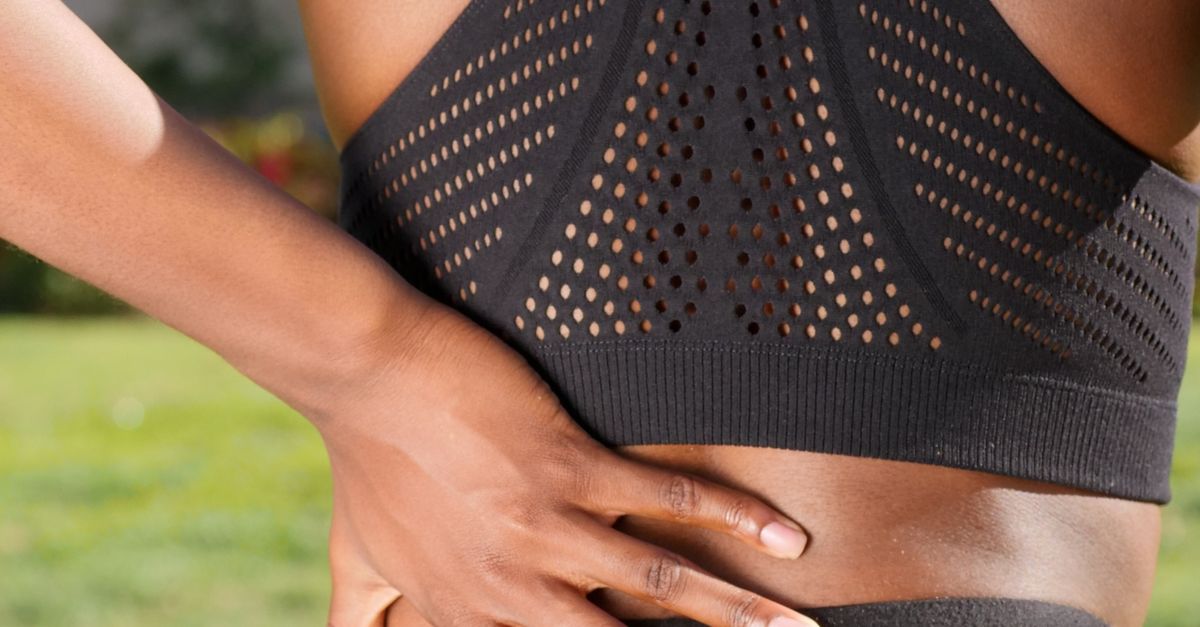
Sacroiliac joint pain is pain that starts in one or both sacroiliac (SI) joints, where the sacrum at the base of the spine meets the pelvis. It usually causes pain in the lower back and buttock on one side, and it can spread into the hip, groin, or back of the thigh. Common causes include pregnancy, uneven walking, arthritis, and falls. Gentle exercise and activity changes can help, and massage can work on the surrounding muscles. Fever, leg numbness or weakness, or long-lasting morning stiffness all call for a medical evaluation.
You may have a sharp or aching spot just to one side of your lower spine, right where your belt line dips toward your buttock. If so, sacroiliac joint pain may be the reason. This kind of pain tends to flare when you stand up from a chair, climb stairs, roll over in bed, or put your weight on one leg. Because it sits so close to the spine and hip, it is easy to mistake for a disc problem, sciatica, or a hip joint issue.
This guide is for anyone dealing with one-sided low back and buttock pain who wants to understand what is going on, either before a doctor's visit or alongside one. It also covers readers who are pregnant or recently postpartum, since hormonal changes make the SI joints more vulnerable. Below, you will find the main causes, how SI joint pain differs from sciatica, exercises to try, how massage fits in, and the warning signs that need prompt care.
What Causes Sacroiliac Joint Pain?
Mayo Clinic describes sacroiliitis as inflammation of one or both sacroiliac joints. Not every case of SI joint pain involves inflammation, though. Clinicians also use the term "SI joint dysfunction" when the joint moves too much or too little and irritates the surrounding tissue.
How the SI Joint Works
You have two SI joints, one on each side of the sacrum, the triangular bone at the bottom of the spine. Each joint connects the sacrum to the ilium, the large wing-shaped bone of the pelvis. Thick ligaments hold the joint tightly together, so it moves only a small amount.
That small movement matters. The SI joints absorb shock and transfer load between your upper body and your legs every time you walk, climb, or shift your weight. The gluteus maximus, gluteus medius, piriformis, and lower back muscles all help stabilize the area, and they can tighten when the joint becomes irritated.
The Main Causes
SI joint pain usually develops when one or both joints take on more stress than they are built to handle. The most frequent triggers include:
- Pregnancy: The hormone relaxin loosens pelvic ligaments to prepare for childbirth, while added weight and a shifting center of gravity increase the load on the joints.
- Uneven walking: A limp, a leg length difference, a walking boot after an ankle injury, or hip or knee pain can push more force through one SI joint than the other.
- Arthritis: Osteoarthritis can wear down the joint surfaces over time, and inflammatory conditions such as ankylosing spondylitis (axial spondyloarthritis) specifically target the SI joints.
- Falls and direct injury: Landing hard on the buttock, a car accident, or an unexpected misstep off a curb can strain the joint and its ligaments.
Repetitive lifting and twisting can also contribute, and a previous lumbar spinal fusion can shift extra load onto the SI joints below it. In some cases, no single cause stands out, and the pain builds gradually from several smaller stresses.
Sacroiliac Joint Pain vs. Sciatica
SI joint problems and sciatica can both cause pain in the low back, buttock, and leg, which is why they are often confused. The difference lies in the source. SI joint pain comes from the joint and its ligaments, while sciatica comes from irritation or compression of the sciatic nerve or the nerve roots that form it.
Where the Pain Shows Up
SI joint pain typically centers just below the waist, beside the spine, on one side. It can spread into the buttock, groin, or back of the thigh, but it usually stays above the knee. Sciatica more often travels below the knee into the calf or foot, frequently with tingling, numbness, or a burning, electric quality.
Clues That Point to the SI Joint
These patterns lean toward the SI joint rather than a nerve problem:
- Pain you can point to with one finger, just over the small dimple at the back of the pelvis
- Pain that worsens when standing from sitting, climbing stairs, or rolling in bed
- Discomfort when standing on the affected leg, such as while putting on pants
- Pain that stays mostly on one side and above the knee
- Little or no numbness or tingling in the foot
Other Conditions That Mimic It
Hip joint problems, lumbar disc issues, and piriformis syndrome can all produce similar buttock pain. Piriformis syndrome is a close look-alike because the piriformis muscle sits near both the SI joint and the sciatic nerve. If that sounds familiar, our guide to massage for piriformis syndrome explains how that condition differs.
A clinician can sort these out with a physical exam that includes pressing on or moving the pelvis in specific ways. Imaging or a diagnostic injection may follow if the source is still unclear.
Where Massage Fits for the Surrounding Muscles
Massage does not realign or repair the SI joint. What it can do is work the muscles that surround and stabilize the joint, which often tighten and fatigue when the area is irritated.
Work the Muscles, Not the Joint
The SI joint sits deep beneath thick ligaments, and pressing hard directly over an irritated joint can aggravate it. The muscles around it are easier to reach and respond well to rhythmic movement. The gluteus medius on the outer hip helps keep the pelvis level when you walk, so it carries extra load when one SI joint is sore. For more on that muscle, see our walkthrough of gluteus medius massage techniques.
How Oscillation Reaches Deep Muscle Tissue
Many therapeutic massagers are sold as vibration massagers, and vibration is the term you will see most when shopping. MedMassager uses oscillating technology to deliver deeper, more controlled vibration than conventional massagers. The Body Massager oscillates in a circular motion, combining vibration with circular rotation through a large, soft, cushioned pad that contours to the body.
For SI joint pain, the goal is the muscles, not the bone. The circular oscillating action creates continuous, repetitive movement in the muscle tissue, which supports local blood flow in muscles affected by prolonged sitting. The handheld design has slip-resistant handles and adjustable intensity, so you can start low and build up only if the area tolerates it. The Body Massager is an FDA-registered Class I medical device, and you can compare models in the MedMassager Body Massager collection.
Good placement areas for the pad include:
- The gluteus maximus, the large, fleshy part of the buttock on the painful side
- The gluteus medius, along the upper outer hip
- The lower back muscles running beside the spine, above the joint
- The hamstrings, where the oscillating movement supports local blood flow in a large muscle group
Keep the pad off the bony dimple where the joint sits. If an area feels sharp or tender rather than tight, move the pad to softer muscle nearby.
Exercises That Support the SI Joint
Gentle, controlled movement often helps more than complete rest. The aim is to keep the joint moving and build strength in the muscles that stabilize the pelvis. Check with a physical therapist or doctor before starting, and stop any movement that causes sharp or worsening pain. If you are pregnant, ask your provider which of these are safe at your stage.
Gentle Stretches and Strength Moves
- Single knee-to-chest stretch: Lie on your back, draw one knee toward your chest, and hold for 20 to 30 seconds. Repeat on the other side.
- Pelvic tilts: Lie on your back with knees bent and gently flatten your lower back into the floor, then release. Aim for about 10 slow repetitions.
- Inner thigh squeeze: Lying on your back with knees bent, place a pillow between your knees and squeeze gently for 5 seconds. Repeat about 10 times.
- Glute bridge: With knees bent and feet flat, lift your hips until your body forms a straight line from shoulders to knees. Hold for a few seconds and lower slowly.
- Clamshells: Lie on your side with knees bent and lift the top knee while keeping your feet together. This targets the gluteus medius.
- Figure-four stretch: Lying on your back, cross one ankle over the opposite knee and gently pull the lower leg toward you to stretch the buttock.
Adding the Body Massager to Your Routine
Massage before stretching can help the muscles feel ready to move. The circular oscillating action increases local blood flow in the glute and lower back muscles without pressing on the joint itself. A reasonable starting point:
- Lie on your side with the painful side up, or sit and rest the pad between your lower back and the back of a chair.
- Start with about 10 minutes at the lowest setting, once or twice a day.
- Move the pad slowly across the buttock, outer hip, and lower back muscles, avoiding the bony joint area.
- Increase intensity gradually only if the area tolerates it well.
You can browse therapeutic body massagers for the lower back and glutes to see the available models. The full MedMassager catalog also lists other products, but for this area the Body Massager is the one whose cushioned pad applies to the glutes and lower back.
Daily Habits That Reduce Strain
Small changes can take pressure off an irritated SI joint. Sit down to put on pants and shoes rather than balancing on one leg. Keep both feet flat on the floor when sitting, and avoid crossing your legs for long periods.
Switch shoulders when carrying a bag, and keep your knees together when getting in and out of a car. Ice or heat for 15 to 20 minutes can also help during a flare, depending on which feels better to you.
Pregnancy and SI Joint Pain
SI joint pain during pregnancy is closely linked to relaxin, the hormone that loosens pelvic ligaments. Combined with added weight and changes in posture, this can leave one or both joints sore, especially in the second and third trimesters. The pain can continue for a while after delivery as ligaments gradually firm up again.
If you are pregnant, check with your doctor or midwife before using any massager. If your provider clears it, the Body Massager pad can be applied to the buttock muscles while you lie on your side, where its circular oscillating action increases local blood flow in the muscle rather than pressing on the joint. Never apply it to the abdomen.
Questions worth bringing to your next appointment include:
- Whether a pelvic support belt makes sense for you
- Whether a referral to a pelvic health physical therapist would help
- Which exercises and sleeping positions are safe at your stage
- Whether massage is appropriate for you, and on which areas
Red Flags That Need Medical Attention
Most SI joint flares are mechanical, but some symptoms point to something more serious. Get prompt care if any of these appear.
Warning Signs
- Fever or chills with back pain: This can signal an infection in the joint, which needs urgent evaluation.
- Numbness or weakness in the leg: This can mean nerve involvement rather than a joint problem.
- Morning stiffness lasting longer than 30 minutes that eases with movement: This pattern can point to inflammatory arthritis such as axial spondyloarthritis.
- Loss of bladder or bowel control, or numbness in the groin: Seek emergency care right away.
- Pain after a significant fall or accident: A fracture should be ruled out.
What a Doctor May Do
A clinician will usually start with a history and physical exam. Depending on what they find, they may order X-rays, an MRI, or blood tests. Care options can include physical therapy, anti-inflammatory medication, a pelvic belt, or injections, and massage can be used alongside whatever your doctor recommends.
Frequently Asked Questions
What does SI joint pain feel like?
SI joint pain usually feels like a dull ache or sharp pain on one side of the lower back, just below the waist. It can spread into the buttock, groin, or back of the thigh. It often worsens when standing up from sitting, climbing stairs, or standing on one leg.
How do I know if it's SI joint pain or sciatica?
SI joint pain typically stays above the knee and centers over the back of the pelvis. Sciatica more often travels below the knee into the calf or foot and brings tingling, numbness, or burning. A clinician can confirm the source with a physical exam and, if needed, imaging.
Can you massage the sacroiliac joint directly?
Massage is better aimed at the muscles around the joint than at the joint itself. The SI joint sits deep beneath thick ligaments, and firm pressure over an irritated joint can make it feel worse. Focus on the buttock, outer hip, and lower back muscles instead.
Is walking good for SI joint pain?
Short, comfortable walks on level ground can help keep the joint moving and prevent stiffness. Shorter strides and supportive shoes reduce the load on the pelvis. If walking makes the pain sharply worse, cut back and talk to a physical therapist.
Why does SI joint pain happen during pregnancy?
During pregnancy, the hormone relaxin loosens the ligaments that hold the pelvis together. Added weight and a shifting center of gravity then place more stress on the SI joints. The pain can continue for some time after delivery while the ligaments regain their firmness.
How long does SI joint pain last?
The duration depends on the cause. A flare from a strain or awkward movement may settle within a few weeks with gentle activity and care. Pain linked to arthritis or ongoing gait problems can last longer, so see a clinician if symptoms persist beyond a few weeks.
The Bottom Line
Sacroiliac joint pain usually shows up as one-sided low back and buttock pain that worsens with stairs, standing up, or weight on one leg. Pregnancy, uneven walking, arthritis, and falls are the main causes, and gentle exercise plus simple daily adjustments often help. Fever, leg numbness or weakness, and long-lasting morning stiffness are signals to see a doctor promptly.
Massage fits best when it targets the glutes and lower back muscles rather than the joint itself. The Body Massager's circular oscillating action creates continuous, repetitive movement in those muscles, which supports circulation during use. If you want to add oscillating massage to your routine, explore the MedMassager Body Massager lineup and ask your care team how it fits with your plan.
This content is for informational purposes only and is not intended as medical advice, diagnosis, or treatment. Always consult a qualified healthcare professional before starting any new treatment or therapy. MedMassager products are FDA-registered Class I medical devices.


