
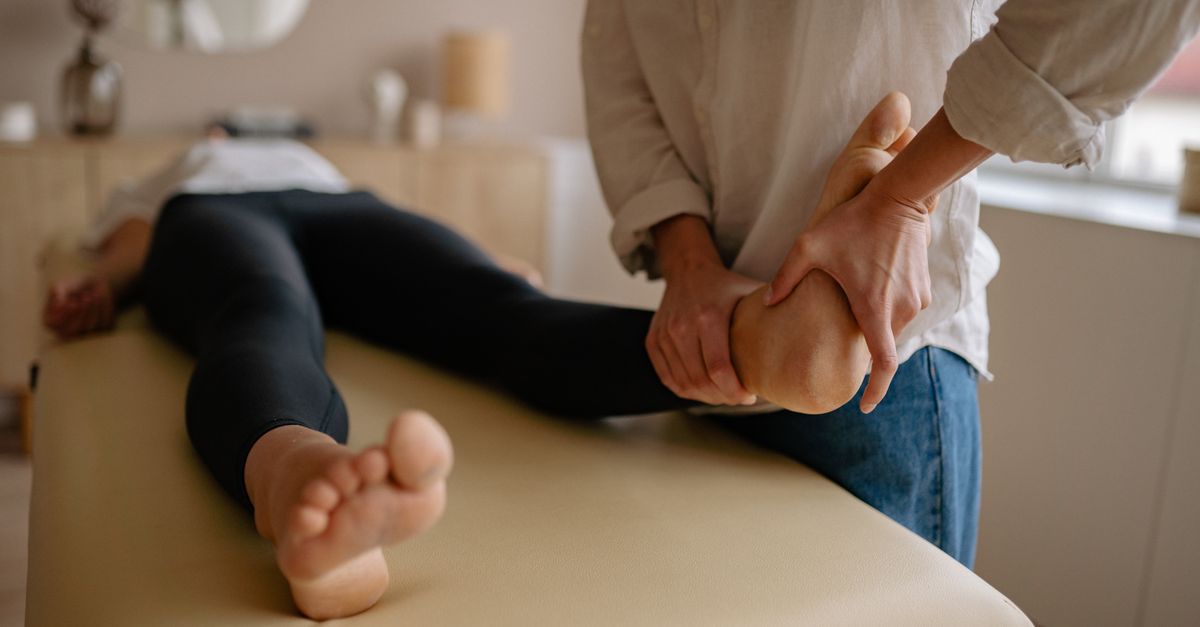
A plantar fibroma is a benign, fibrous nodule that grows within the plantar fascia — the thick band of connective tissue running along the bottom of the foot. It typically appears as a firm, pea-sized lump in the arch of the foot and is distinct from plantar fasciitis, which involves inflammation of the fascia rather than a growth within it. Plantar fibromas are not cancerous, but they can cause discomfort, particularly when walking barefoot or wearing flat shoes. Treatment ranges from padding and footwear modifications to corticosteroid injections or, in persistent cases, surgical removal.
You reach down after a long day on your feet and feel it — a small, firm lump in the arch of your foot. It doesn't move. It aches when you press it. And when you search your symptoms, every result points to plantar fasciitis. But this isn't plantar fasciitis. A plantar fibroma is a different condition entirely, with different anatomy, different management, and — critically — different rules around massage and pressure. Confusing the two is easy; treating them the same way can make things worse. This post covers what a plantar fibroma actually is, how it differs from plantar fasciitis, why pressing directly on the nodule is counterproductive, and what approaches — including gentle therapeutic massage of the surrounding tissue — can help manage discomfort and support mobility.
What Is a Plantar Fibroma?
A plantar fibroma is a non-cancerous fibrous tissue growth embedded within the plantar fascia. Unlike a cyst, which is fluid-filled, or a callus, which sits on the skin's surface, a plantar fibroma develops inside the fascia itself — making it firm, fixed in place, and noticeably different to the touch.
Anatomy and Location
The plantar fascia is a dense band of connective tissue that spans the length of the foot, attaching at the heel bone (calcaneus) and fanning forward to the toes. A plantar fibroma typically grows in the mid-portion of this band, placing it directly in the arch — the area that bears significant mechanical load with every step.
The nodule sits within the fascia, not above or below it. This is why it feels fixed when you press it from side to side. It won't slide or shift, and it typically doesn't change texture across the day the way swelling might.
Who Gets Plantar Fibromas?
Plantar fibromas are more common in middle-aged adults, and research suggests a higher prevalence in men. They have been associated with Dupuytren's contracture — a similar fibrous thickening that affects the palm of the hand — suggesting a shared connective tissue pathology in some individuals. A genetic predisposition appears to be involved, though the exact trigger for fibroma growth isn't fully understood.
Some cases involve a single nodule; others present with multiple nodules along the fascia, a condition called plantar fibromatosis (also known as Ledderhose disease). Multiple nodules are more likely to cause walking discomfort and may be more difficult to manage conservatively.
Is It Dangerous?
Plantar fibromas are benign and do not become cancerous. A nodule that increases noticeably in size, changes texture, or becomes significantly more painful does warrant evaluation by a podiatrist or orthopedic specialist to confirm the diagnosis. Not every arch lump is a fibroma — a healthcare provider can distinguish a plantar fibroma from other soft tissue masses through physical examination or imaging.
Plantar Fibroma vs. Plantar Fasciitis
These two conditions share an anatomical location — the plantar fascia — but they are fundamentally different in their nature, presentation, and treatment. Conflating them leads to mismanagement, and the distinction matters especially when massage is involved.
Nature of the Problem
- Plantar fasciitis is an inflammatory condition. The fascia becomes irritated and micro-torn, usually at its attachment point near the heel. There is no growth, no lump, and no structural change to the tissue itself in early-stage fasciitis.
- Plantar fibroma is a structural condition. A fibrous nodule has physically grown within the fascia. The tissue itself has changed.
This distinction explains why the two conditions respond differently to the same interventions. Stretching and massage that benefit plantar fasciitis can aggravate a fibroma if applied directly to the nodule.
Location of Pain
Plantar fasciitis pain is most intense at the heel — specifically where the fascia attaches to the calcaneus. The classic symptom is sharp, stabbing heel pain with the first steps in the morning, which often eases after walking for a few minutes.
Plantar fibroma discomfort centers on the mid-arch, directly over the nodule. The pain pattern tends to be pressure-dependent rather than movement-dependent — standing barefoot on a hard floor, or wearing flat shoes with minimal arch cushioning, presses the nodule against the ground with each step.
Physical Findings
A plantar fibroma produces a palpable lump. You can feel it. Plantar fasciitis does not produce a palpable nodule — the fascia may feel thickened on deep palpation, but there is no discrete mass. If you can feel a clear bump in your arch, the diagnosis is more likely a fibroma than fasciitis, and medical evaluation is appropriate to confirm.
Why Direct Pressure on the Nodule Backfires
The instinct when something hurts is to press it, stretch it, or roll it. For plantar fasciitis, targeted pressure along the fascia and deep tissue work at the heel can be genuinely therapeutic. For a plantar fibroma, applying sustained direct pressure to the nodule itself is the wrong approach — and understanding why requires a brief look at fibrous tissue biology.
How Fibrous Tissue Responds to Pressure
Fibrous growths like plantar fibromas are composed of dense collagen. Unlike inflamed soft tissue, which can benefit from mechanical pressure to stimulate circulation and break down adhesions, fibrous nodules respond to repeated mechanical loading by maintaining or potentially accelerating their structure. Sustained direct pressure does not shrink a fibroma.
More practically, pressing hard on a fixed nodule embedded in the fascia compresses surrounding nerve endings and blood vessels, generating pain without any therapeutic benefit. Many people who use a foam roller or massage ball aggressively on a fibroma report a temporary increase in symptoms as a result.
The Risk of Misidentified Self-Treatment
Because plantar fibromas are often initially mistaken for plantar fasciitis, people commonly begin self-treating with frozen water bottle rolling, deep arch massage, or fascial stretching protocols designed for fasciitis. Rolling a water bottle directly under an undiagnosed arch nodule creates sustained pressure on tissue that cannot benefit from it. This is one reason a professional diagnosis is valuable before beginning any home treatment protocol.
What Massage Can Help
Gentle massage of the surrounding tissue — the calf muscles, the arch tissue adjacent to the nodule, and the heel region — can help manage plantar fibroma discomfort without aggravating the growth itself. The goal is improving circulation and reducing overall mechanical tension in the lower leg and foot, which reduces secondary stress on the fascia. The nodule itself should not receive sustained direct pressure.
Managing a Plantar Fibroma: Practical Approaches
Conservative management is the starting point for most plantar fibromas. Many nodules remain stable and manageable with the right footwear, padding, and soft tissue work. The goal is reducing pressure on the nodule during weight-bearing activities while maintaining mobility and circulation in the surrounding tissue.
Footwear and Orthotic Modifications
Shoe selection is one of the most immediately impactful interventions for plantar fibroma discomfort. Flat shoes — ballet flats, sandals, worn-out sneakers — offer no arch structure and allow the full weight of the body to compress the nodule against the ground with each step. Structured footwear changes that equation significantly.
- Choose shoes with a firm, contoured arch support that distributes load across the entire foot rather than concentrating it in the mid-arch
- Look for adequate cushioning in the midsole, particularly in the arch region
- Custom or semi-custom orthotics with a cutout or depression at the nodule site can offload pressure directly from the fibroma
- Avoid walking barefoot on hard surfaces — even around the house
A podiatrist can prescribe custom orthotics designed specifically to accommodate the nodule's location. This is often the single most effective conservative intervention for daily pain management.
Padding Approaches
Felt or foam padding placed around — not over — the nodule creates a "donut" effect that redirects pressure to the surrounding arch and away from the fibroma. These pads are available in pharmacies as metatarsal pads or can be customized with a small cutout. Placement matters significantly: the pad should surround the nodule, not compress it from above.
When to Seek Podiatric Evaluation
Conservative home management is appropriate for small, stable fibromas that cause minimal discomfort. Seek evaluation from a podiatrist or orthopedic specialist in these situations:
- The nodule is growing noticeably over weeks or months
- Pain is interfering with walking, work, or daily activity
- The lump is new and you haven't received a confirmed diagnosis
- Multiple nodules are present along the arch
- Conservative measures haven't provided adequate relief after several months
Medical options beyond conservative care include corticosteroid injections, which may temporarily reduce the size and discomfort of a fibroma, and surgical excision for cases that don't respond to other treatment. Surgery carries a meaningful recurrence rate — fibromas can regrow — so most podiatrists exhaust conservative options first.
Therapeutic Massage for the Arch and Calf
Massage has a legitimate role in plantar fibroma management — it simply needs to be applied to the right tissue. Reducing tension in the calf, Achilles, and the arch tissue adjacent to the nodule decreases the overall mechanical load on the plantar fascia. Less tension in the fascia means less compressive force on the fibroma during walking.
Calf and Lower Leg Work
The gastrocnemius and soleus muscles of the calf are the primary drivers of plantar fascia tension. Tight calf muscles pull on the Achilles tendon, which in turn increases tensile stress along the entire plantar fascia. Therapeutic work on the calf muscles — gentle oscillating massage applied to the lower leg — can reduce this upstream tension meaningfully.
A therapeutic foot massager with oscillating motion can engage the lower leg muscles without requiring you to directly target the arch. Placing the feet on the massager platform stimulates calf muscle activation and supports circulation through the lower leg, reducing the chronic muscular tightness that contributes to fascial stress. Oscillating technology delivers vibration that travels through the foot and up into the calf musculature — without concentrating sustained pressure on any single point in the arch.
Arch Tissue Adjacent to the Nodule
Gentle massage of the arch tissue on either side of the nodule — applied with light, circular pressure using the fingers — can help maintain tissue mobility and reduce general arch stiffness. This is not deep tissue work. The intention is circulation and mobility, not structural change.
The key rule: work around the nodule, not on it. If you feel the firm lump under your fingers, move your pressure point slightly toward the heel or ball of the foot. The surrounding fascia is what benefits from this work.
Using a Foot Massager Safely with a Plantar Fibroma
Many people managing plantar fibromas can benefit from a foot massager designed for therapeutic use, with some important considerations. An oscillating foot massager moves the entire foot through gentle repeated vibration, engaging muscle tissue and supporting blood flow without the kind of pinpoint pressure that aggravates a nodule. This differs fundamentally from pressing a massage ball or foam roller directly into the arch.
Start at the lowest intensity setting. The goal with a fibroma present is circulation support and tension reduction — not deep arch stimulation. If you feel direct pressure on the nodule, reposition your foot slightly so the arch is not the primary contact point. Some users find positioning the heel and ball of the foot as the primary contact areas works well, allowing the oscillating motion to work the surrounding musculature without loading the mid-arch nodule.
People managing plantar fibromas alongside other lower leg concerns — including calf tightness or reduced circulation — may also find value in MedMassager's full range of therapeutic massagers for complementary upper-leg and lower-back support. Sustained muscle movement helps keep blood circulating through the lower leg, which supports the overall tissue environment around the affected fascia.
Frequently Asked Questions
How do I know if I have a plantar fibroma or plantar fasciitis?
The clearest distinguishing feature is a palpable lump in the arch. Plantar fasciitis causes heel pain and arch inflammation but does not produce a discrete nodule you can feel with your fingers. If you notice a firm, fixed bump in the mid-arch that causes discomfort when pressed or walked on, a plantar fibroma is more consistent with that presentation than fasciitis. A podiatrist can confirm the diagnosis through physical examination and, if needed, ultrasound or MRI imaging.
Can a plantar fibroma go away on its own?
Plantar fibromas do not typically resolve without intervention. They are composed of dense fibrous collagen, not inflammatory tissue, so they do not shrink the way an inflamed area might calm down with rest. Some fibromas remain stable in size for years and become manageable with footwear modifications, while others grow slowly over time. Conservative treatment focuses on reducing symptoms rather than eliminating the nodule itself.
Is it safe to massage a plantar fibroma?
Gentle massage of the surrounding arch tissue and calf muscles is generally safe and can help reduce overall fascial tension. Direct, sustained pressure on the nodule itself is not recommended — it does not shrink the fibroma and can cause pain by compressing surrounding nerve and vascular tissue. Work around the nodule rather than on it, using light to moderate pressure in adjacent areas.
What type of shoes should I wear if I have a plantar fibroma?
Choose shoes with a firm, contoured arch support and substantial midsole cushioning. Flat shoes with no arch structure allow the nodule to bear direct weight with each step, which increases pain. Shoes with rocker-sole designs can also reduce pressure on the mid-arch. Avoid walking barefoot on hard surfaces, and consider asking a podiatrist about custom orthotics with a cutout accommodation designed to offload the nodule directly.
When should I see a doctor about a plantar fibroma?
See a podiatrist or orthopedic specialist if the nodule is growing, if you haven't received a confirmed diagnosis, if pain is affecting your ability to walk or work normally, or if you have multiple nodules along the arch. Any new foot lump should be evaluated professionally to rule out other soft tissue masses. If conservative management hasn't provided meaningful relief after a few months, additional treatment options such as corticosteroid injections or surgical evaluation may be appropriate.
Does stretching help a plantar fibroma?
Calf stretching and gentle plantar fascia stretching can help reduce overall tension in the fascia, which may decrease mechanical stress on the nodule during walking. Standing calf stretches against a wall and towel stretches for the plantar fascia are commonly recommended. Avoid any stretch that places a strong pull directly across the nodule — if a stretch causes sharp pain at the arch lump, ease off and consult a healthcare provider.
Can a plantar fibroma come back after surgery?
Yes, recurrence after surgical excision is a well-recognized concern. Because the fibrous tissue is embedded within the fascia, complete removal can be technically challenging, and residual fibrous tissue may regrow. Recurrence rates vary depending on the extent of surgical resection, which is one reason most podiatrists recommend exhausting conservative options — orthotics, padding, physical therapy, and corticosteroid injections — before proceeding to surgery.
The Bottom Line on Plantar Fibromas
A plantar fibroma is not plantar fasciitis, and treating it like fasciitis — with aggressive arch rolling or direct deep pressure — can make symptoms worse rather than better. The nodule itself is benign and structural, which means the focus of management is pressure relief and surrounding tissue care, not breaking down the growth.
Footwear with solid arch support, strategic padding that offloads the nodule, and gentle therapeutic massage of the calf and adjacent arch tissue are the most practical daily tools for managing plantar fibroma discomfort. For anything growing, significantly painful, or undiagnosed, a podiatrist is the right first call.
If you're looking to support circulation and reduce calf and fascial tension as part of your management approach, explore MedMassager's therapeutic foot massagers — built for people managing structural and circulatory foot concerns, with oscillating technology that delivers therapeutic vibration to the surrounding musculature without concentrating sustained pressure on the arch. For broader lower-body and back support, the MedMassager Body Massager collection offers professional-grade therapeutic options designed for the same population.
This content is for informational purposes only and is not intended as medical advice, diagnosis, or treatment. Always consult a qualified healthcare professional before starting any new treatment or therapy. MedMassager products are FDA-registered Class I medical devices.


