
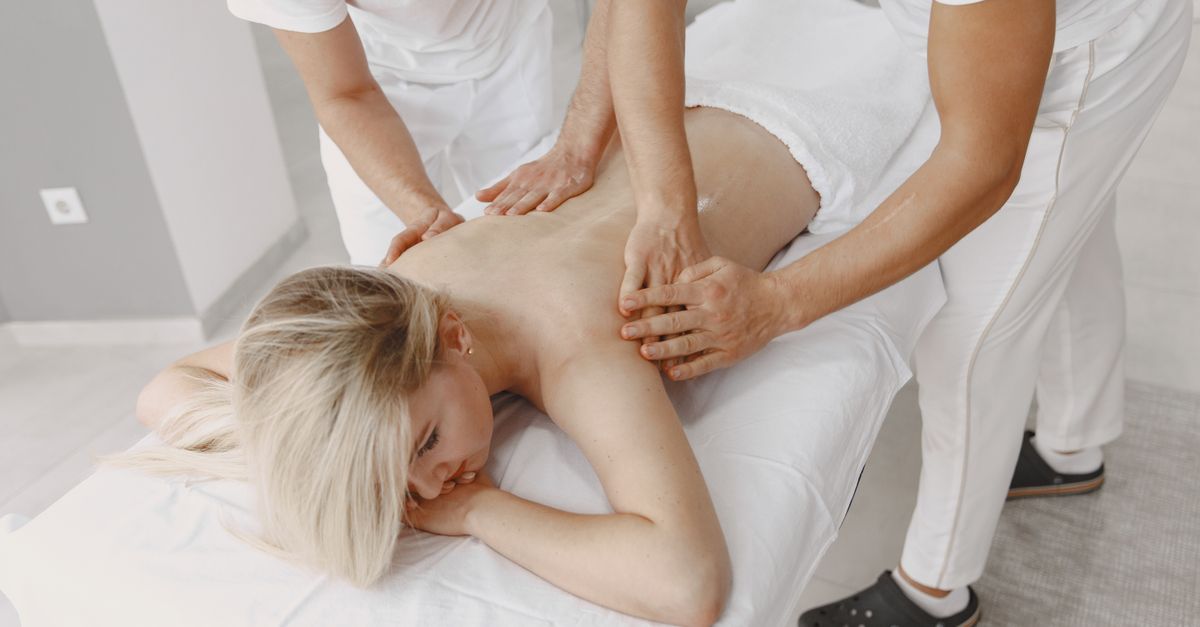
A neck massage applies targeted pressure and movement to the muscles of the cervical spine, trapezius, and upper back to relieve tension, improve circulation, and reduce stiffness. It works by loosening tight muscle fibers, increasing blood flow to the area, and calming overactive tension patterns that build up from prolonged sitting, poor posture, or stress. Neck massage can be performed by a massage therapist, a partner, or with a therapeutic device designed for the area. Regular neck massage is commonly used to manage tension headaches, neck stiffness, upper back tightness, and discomfort from extended screen time.
You know that specific kind of ache — the one that starts somewhere between your shoulder blades and quietly radiates up into the base of your skull by mid-afternoon. For many people, neck pain isn't dramatic or sudden. It builds slowly, session by session at a desk, hour by hour looking at a phone, until the muscles feel like they've been locked in place for days. A neck massage is one of the most direct ways to interrupt that cycle, but technique matters more than most people realize. This guide covers the anatomy behind why your neck gets so tight, how massage physically addresses the problem, and how to use it effectively — whether you're using your own hands, a partner's, or a therapeutic device built for the job.
Why Your Neck Gets So Tight
Neck tension isn't random. It follows predictable patterns based on how the muscles are used — and how long they're held in positions they weren't designed for. Understanding what's happening underneath the surface makes it easier to treat the right areas effectively.
The Muscles Most Affected
The neck is supported by a layered system of muscles. The most commonly affected are the trapezius (which runs from the base of the skull down to the mid-back), the levator scapulae (which connects the cervical vertebrae to the shoulder blade), and the suboccipital muscles (a small, deep group at the base of the skull). When these muscles tighten, they don't just cause localized discomfort — they pull on adjacent structures and restrict range of motion throughout the entire upper body.
The sternocleidomastoid (SCM) on the sides of the neck is another frequent contributor. When it becomes overworked from forward head posture, it can produce tension headaches, jaw tightness, and referred pain behind the eyes.
What Forward Head Posture Does to Neck Muscle Load
The head weighs roughly 10 to 12 pounds in a neutral position. As the head moves forward relative to the spine — the default position for most people staring at a screen — the effective load on the cervical muscles increases substantially. Even modest forward head displacement substantially increases the mechanical stress on the neck muscles, which must work harder to keep the head from falling farther forward. This is a well-established principle of cervical biomechanics.
Over time, this chronic overload causes muscle fibers to shorten and stiffen. Blood flow to the area decreases, metabolic waste products accumulate in the tissue, and the result is the familiar deep ache that doesn't resolve on its own even after rest.
Stress and Muscle Guarding
The neck is one of the primary sites where the body holds psychological stress. The trapezius and levator scapulae are particularly reactive to the sympathetic nervous system's fight-or-flight response — when stress levels rise, these muscles contract involuntarily as a form of protective guarding. For people under sustained stress, this means the muscles never fully release, and low-level tension becomes a constant baseline rather than an occasional problem.
Common contributors to chronic neck tension include:
- Prolonged sitting at a desk or workstation
- Extended phone or tablet use (often called "tech neck")
- Sleeping in an unsupported position
- Carrying a heavy bag on one shoulder
- Chronic psychological or occupational stress
- Poor ergonomic setup at a computer workstation
How Neck Massage Relieves Tension
Neck massage addresses the problem through several overlapping physical mechanisms — it isn't simply "pressure that feels good." Each technique produces measurable changes in the muscle tissue, nervous system, and local blood supply.
Increasing Blood Flow to the Tissue
Tight, contracted muscles have reduced circulation. Blood vessels running through or alongside chronically tense muscle fibers are partially compressed, slowing the delivery of oxygen and the removal of metabolic byproducts like lactic acid. Massage mechanically deforms the tissue, which temporarily increases local blood flow and helps flush the area.
For people managing neck stiffness from long hours at a desk, this is one of the most direct benefits of consistent neck massage — the tissue gets the circulation it's been deprived of during extended static work.
Breaking the Tension-Pain Cycle
Tight muscles produce pain signals, which cause the surrounding muscles to tighten further in a protective response — generating more pain. This feedback loop is one of the main reasons neck tension can feel like it's getting worse over time despite rest. Massage interrupts this cycle by introducing sensory input that competes with pain signals and by physically reducing the mechanical tightness driving the loop.
The gate control theory of pain, well established in pain neuroscience, explains why pressure and movement applied to the skin and muscle can reduce the perceived intensity of deeper pain. This is part of why even simple self-massage techniques provide genuine, measurable relief rather than just temporary distraction.
Releasing Trigger Points
Trigger points are localized, hyperirritable spots within a muscle band that produce both local pain and referred pain in predictable distant locations. Trapezius trigger points, for example, commonly refer pain to the temple, the side of the head, and behind the eye — which explains the connection between neck tension and tension headaches.
Sustained pressure directly on a trigger point (a technique called ischemic compression) causes the muscle fiber to release and blood flow to the area to increase. This is one of the more specific and targeted uses of neck massage beyond general relaxation.
Using a Therapeutic Device
For consistent, hands-free relief, a purpose-built therapeutic massager can replicate many of the effects of manual massage — and deliver them more reliably than self-massage, which is limited by reach and the awkward angles the neck requires.
The MedMassager Neck Massager uses dual-direction rotating massage nodes to target the trapezius and surrounding muscle tissue, mimicking the kneading action of a hand massage to loosen tissue that tightens from poor posture or extended screen time. The built-in heat function adds an important layer — warmth increases tissue extensibility, meaning tighter muscles respond more readily to the mechanical movement being applied. For people managing chronic neck stiffness or tension headaches, this combination of targeted movement and heat makes it a practical daily-use option rather than an occasional treat.
Neck Massage Techniques: Manual and Device-Based
Whether you're working with your own hands, a partner's, or a therapeutic device, technique determines most of the outcome. Here's how to approach each method effectively.
Self-Massage Techniques
Self-massage on the neck is limited by reach and leverage, but a few techniques work well and require no equipment.
- Suboccipital release: Interlace your fingers behind your head and let the weight of your head rest on your thumbs, positioning them just below the skull at the base. Hold for 30–60 seconds. This applies gentle sustained pressure to the suboccipital muscles, which are often the most overlooked contributors to neck pain and headaches.
- Trapezius squeeze: Reach across your body with one hand and grasp the trapezius muscle on the opposite side (the ridge between your neck and shoulder). Apply a slow squeeze-and-hold, then release. Repeat along the length of the muscle for 60–90 seconds per side.
- SCM glide: Tilt your head slightly to one side to slacken the sternocleidomastoid. Use two fingers to apply gentle gliding pressure along the length of the muscle from just below the ear to the collarbone. Avoid the front of the throat and carotid artery — work along the lateral (outer) surface of the muscle only.
- Occipital friction: Use your fingertips to apply small circular friction movements along the base of the skull (occiput). This targets the muscle-bone attachment points where tension headaches frequently originate.
Partner Massage Techniques
A partner can access angles and apply pressure that's genuinely difficult to achieve with self-massage. The key is communication — pressure tolerance varies significantly between individuals and between sessions.
Start with broad effleurage (long, gliding strokes) from the base of the skull down to the shoulders, using the palms and applying moderate pressure. This warms the tissue and gives the receiver a chance to relax. Follow with petrissage (kneading) on the trapezius, using thumb circles to work deeper into the muscle belly. Finish with sustained pressure on any identified tender spots, holding for 20–30 seconds at a pressure level the receiver describes as "uncomfortable but tolerable."
Using a Neck Massager Device
A therapeutic neck massager is particularly effective for the upper trapezius and the muscles along the back of the neck — the areas most consistently tight in people who sit for long hours. The advantage of a device is consistency: the same nodes, the same pressure, applied reliably without fatigue, without scheduling a therapist, and without needing a partner available.
For best results with the MedMassager Neck Massager, use the built-in heat to warm the tissue before the rotating nodes begin working into the trapezius and surrounding muscle groups. This sequence — heat first, mechanical movement second — mirrors what a skilled manual therapist would do and produces noticeably better muscle release than cold mechanical pressure alone.
How to Build a Daily Neck Massage Routine
Occasional neck massage helps. Daily neck massage prevents the buildup from reaching the point where it becomes disabling. The difference is consistency, not duration — even 10 minutes a day produces better outcomes than a 60-minute session once a month.
Morning: Reset After Sleep
Many people wake up with more neck stiffness than they had at bedtime, particularly if they sleep in positions that put the neck in prolonged rotation or lateral flexion. A 5-minute session in the morning — either with your hands or a therapeutic device with heat — helps restore normal circulation and range of motion before the demands of the day begin.
Apply heat if available. Warmth is particularly effective in the morning because the tissue has been still for several hours and benefits from increased extensibility before any movement begins.
Midday: Break the Sitting Cycle
If you work at a desk, build a brief neck massage break into your midday routine. Even 3–5 minutes of suboccipital release and trapezius work can interrupt the tension-building pattern before it accumulates into an afternoon headache. A simple midday reset looks like this:
- Step away from your screen entirely for the duration
- Allow your head to drop gently forward to stretch the posterior neck muscles
- Apply sustained pressure to any tender spots you find
- Follow with slow neck rotations (not fast or forced) through a comfortable range of motion
Evening: Full Recovery Session
The evening session is where you can invest more time and use all available tools. A 10–15 minute session using a therapeutic neck massager with heat is an effective way to clear the tension that accumulated during the day. Many people managing chronic neck tightness find that a consistent evening routine produces better results over weeks than any single longer session.
Pair your session with intentional breathing — slow exhales during sustained pressure help the nervous system shift out of sympathetic activation, which allows the muscles to release more fully. This is a small adjustment with a disproportionate impact on outcomes.
When to Be Careful — and When to See a Professional
Neck massage is safe for most people in most circumstances, but there are situations where massage is contraindicated or where professional evaluation should come before self-treatment.
Red Flags That Require Medical Evaluation
Neck pain that follows these patterns should be evaluated by a physician before any self-massage is attempted:
- Sudden onset of severe neck pain with no clear cause
- Neck pain accompanied by numbness, tingling, or weakness in the arms or hands
- Pain that worsens significantly with specific movements, particularly extension
- Neck pain following a fall, collision, or direct trauma
- Headache described as "the worst headache of your life" (possible vascular emergency)
- Fever combined with neck stiffness (possible infection-related cause)
Conditions Requiring a Modified Approach
For people living with cervical disc issues, osteoporosis, or rheumatoid arthritis affecting the cervical spine, deep pressure massage may not be appropriate. In these cases, the heat function of a therapeutic device used with very light pressure — or gentle effleurage only — may be a safer starting point while working with a physical therapist or physician to establish appropriate parameters.
People managing tension headaches from neck origin often respond very well to consistent neck massage, but if headaches are frequent and severe, it's worth ruling out other causes before assuming they're tension-related. A primary care provider or neurologist can help make that determination.
Frequently Asked Questions
How often should I get a neck massage?
For general tension relief and prevention, neck massage 3–5 times per week is appropriate and safe for most people. Daily short sessions (5–10 minutes) tend to produce better cumulative results than less frequent longer sessions. If you are managing a specific condition like chronic tension headaches or cervical strain, a physical therapist or physician can recommend an appropriate frequency for your situation.
Can a neck massage help with tension headaches?
Yes — tension headaches that originate from tightness in the trapezius, suboccipital, and SCM muscles often respond well to targeted neck massage. Trigger points in the upper trapezius are a recognized source of referred head pain in manual therapy practice, and releasing them through sustained pressure may help reduce headache frequency and intensity over time. If headaches are severe, frequent, or accompanied by other symptoms, consult a physician to confirm their origin before treating independently.
Is it safe to massage the front of your neck?
Massage of the anterior (front) neck requires caution. The carotid arteries and jugular veins run along the sides of the neck and should not be compressed directly. Light gliding pressure along the lateral surface of the sternocleidomastoid is generally considered safe, but deep pressure on the front of the neck is not recommended for self-massage. The posterior neck and upper trapezius are lower-risk and more commonly the source of tension — focus there unless working with a trained professional.
Why does neck massage sometimes feel sore afterward?
Post-massage soreness in the neck is common, especially after deeper work on chronically tight muscle tissue. It results from the mechanical disruption of tense fibers and the temporary inflammatory response that follows. This soreness typically resolves within 24–48 hours and generally indicates that significant tension was addressed, not that anything was injured. Drinking water after a session and applying light heat can help ease the soreness more quickly.
What is the difference between a neck massage and neck traction?
Neck massage targets soft tissue — muscles, fascia, and connective tissue — to relieve tension, improve circulation, and release trigger points. Neck traction applies a decompressive force to the cervical spine itself, creating space between the vertebral joints and reducing pressure on discs and nerve roots. They address different structures and are used for different conditions. Traction is more commonly indicated for cervical disc issues and nerve compression, while massage is appropriate for muscle-based pain and stiffness.
Can neck massage help with upper back pain?
Yes, particularly when upper back pain originates from the trapezius or rhomboid muscles, which connect the neck and shoulder region to the mid-back. The upper trapezius spans a large area and can produce pain that feels like it's coming from the upper back even when the tension originates near the neck. A therapeutic neck massager that targets the trapezius and surrounding tissue is a practical option for people whose pain spans both areas.
How long should a neck massage session last?
For a daily maintenance session, 10–15 minutes is sufficient. For a targeted recovery session after a particularly stressful or physically demanding day, 20–30 minutes allows time for thorough work on the trapezius, suboccipitals, and surrounding muscle groups. Longer sessions are not always better — consistent shorter sessions over time typically produce more durable relief than infrequent marathon sessions.
The Bottom Line
Neck massage is one of the most effective non-pharmacological tools available for managing the tension, stiffness, and headaches that accumulate from modern daily life. The key is understanding what's actually happening in the tissue — forward head posture, trigger points, stress-driven muscle guarding — and applying the right techniques to address those specific problems rather than just applying pressure and hoping for the best.
Consistency matters more than intensity. Short daily sessions outperform occasional deep sessions. Having the right tool makes consistency easier — a purpose-built therapeutic massager eliminates the scheduling barrier and lets you address neck tension when it's fresh rather than waiting for it to compound.
If you're looking for an at-home option designed specifically for the neck and upper trapezius, the MedMassager Neck Massager delivers dual-direction massage with built-in heat — the combination that matters most for tight, stiff tissue. For people whose tension extends into the mid and lower back as well, the MedMassager Body Massager collection offers professional-grade oscillating options designed for broader therapeutic use. Explore the full range of MedMassager therapeutic massagers to find the right fit for where you carry your tension.
This content is for informational purposes only and is not intended as medical advice, diagnosis, or treatment. Always consult a qualified healthcare professional before starting any new treatment or therapy. MedMassager products are FDA-registered Class I medical devices.


