
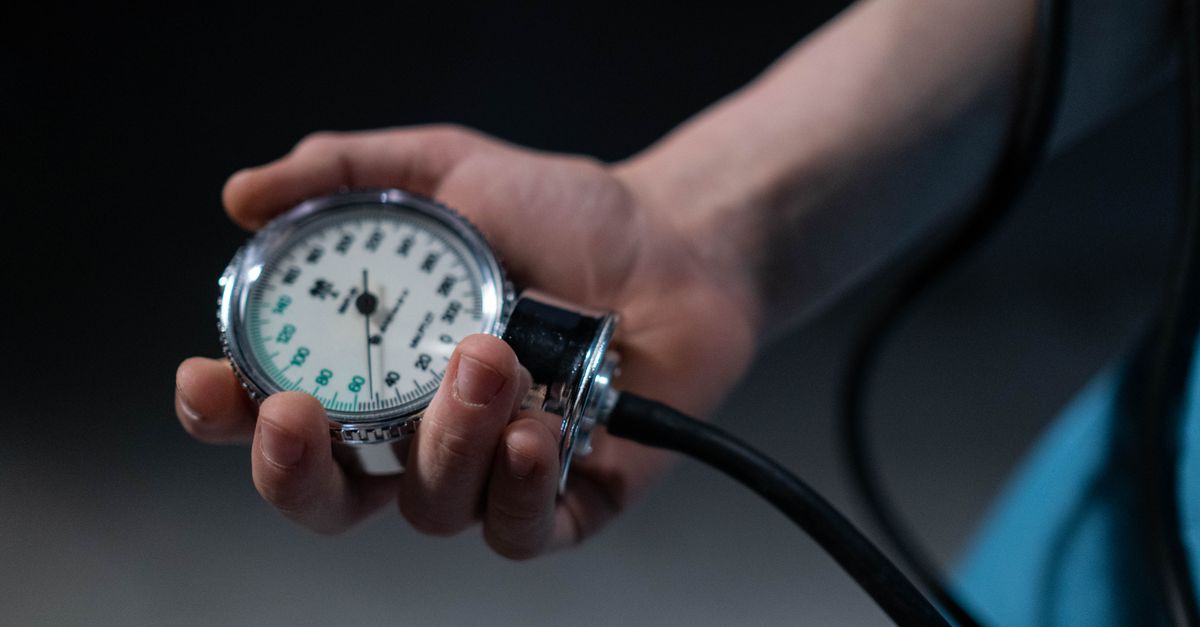
Yes, low blood pressure can cause cold hands and feet. When blood pressure drops, less blood reaches the small vessels in the fingers and toes, and the body narrows those vessels further to protect blood flow to the brain, heart, and other vital organs. Some blood pressure medications, including beta blockers, can produce the same cold extremities. Cold weather, Raynaud's phenomenon, an underactive thyroid, and anemia are other frequent causes, so persistent symptoms are worth discussing with a doctor.
Your fingers go numb holding a coffee mug outdoors, and your toes stay cold under two blankets long after everyone else has warmed up. If your blood pressure runs low or you take medication to lower it, you may be wondering: can low blood pressure cause cold hands and feet? It can, and winter tends to make the connection more noticeable.
Cold air already pulls blood away from the skin. A lower-pressure circulatory system has less push to send it back to the extremities. That combination explains why the same hands and feet that feel fine in July ache in January.
This guide is for anyone who has low readings at the doctor's office, takes blood pressure medication, or simply notices cold fingers and toes every winter without a clear reason. Cold extremities are usually more annoying than dangerous. Still, they occasionally point to something that needs attention. Below, you'll find how blood pressure affects your extremities, which medications and conditions play a role, practical winter warming habits, and the red flags that call for prompt medical care.
How Low Blood Pressure Chills Your Fingers and Toes
Blood pressure is the force of blood pushing against your artery walls as your heart pumps. Low blood pressure, or hypotension, is generally defined as a reading below 90/60 mm Hg. Blood pressure can run naturally low with no symptoms at all. It can also bring dizziness, fatigue, or coldness, especially in the hands and feet.
Why the Extremities Lose Out First
Your hands and feet sit at the far end of the circulatory system. Blood reaches them through progressively smaller arteries and capillaries, and those tiny vessels are the first to feel a drop in pressure. When overall pressure falls, your body makes a protective trade-off.
Through a process called vasoconstriction, the nervous system tightens blood vessels in the skin and extremities. That preserves pressure and warmth for the brain, heart, and kidneys. The result is fingers and toes that feel cold, look pale, or take a long time to warm up. For a broader look at how this plays out in the hands specifically, see this guide to cold hands and poor circulation causes.
Types of Low Blood Pressure That Matter Here
Not all hypotension behaves the same way. The patterns most relevant to cold extremities include:
- Chronic low blood pressure that stays low throughout the day
- Orthostatic hypotension, a drop that happens when you stand up quickly
- Postprandial hypotension, a dip that follows a large meal
- Low pressure linked to dehydration, illness, or blood loss
Orthostatic hypotension deserves extra attention in winter. Heavy layers, warm rooms, and hot showers can all widen blood vessels and make the lightheaded feeling on standing more pronounced.
Blood Pressure Medications and Cold Hands and Feet
Sometimes the cause isn't low blood pressure itself but the treatment for high blood pressure. Cold hands and feet are a recognized side effect of beta blockers. These medications slow the heart rate and reduce the force of each heartbeat, which can mean less blood reaching the fingers and toes.
Other blood pressure medications can also contribute, particularly if your dose brings your pressure lower than your body is used to. Signs that medication may be playing a role include:
- Cold extremities that started or worsened after a new prescription or dose change
- Coldness paired with fatigue or lightheadedness
- Symptoms that feel worse at certain times after taking a dose
Never stop, skip, or adjust a blood pressure medication on your own. Stopping some of these drugs abruptly can cause a dangerous rebound in heart rate or blood pressure. Instead, write down when you notice cold hands or feet and bring that log to your doctor or pharmacist. They can decide whether a different dose, timing, or medication makes sense for you.
Other Causes of Cold Hands and Feet
Blood pressure is only one piece of the picture. Several other conditions narrow blood vessels or reduce how well blood carries warmth and oxygen, and they can overlap with low pressure or exist on their own.
Cold Weather and Raynaud's Phenomenon
Cold temperatures trigger vasoconstriction in everyone. That's normal. Raynaud's takes the response further: Mayo Clinic describes it as a condition that causes areas such as the fingers and toes to feel numb and cold in response to cold temperatures or stress.
During a Raynaud's episode, fingers or toes may turn white, then blue, then red as blood returns. Episodes can last minutes and are often triggered by something as small as reaching into a freezer. You can read more in this article on Raynaud's and cold feet circulation strategies.
Thyroid, Anemia, and Other Contributors
Several other conditions can leave your hands and feet cold:
- Hypothyroidism: An underactive thyroid slows metabolism, which lowers the heat your body produces.
- Anemia: Low red blood cell or hemoglobin levels reduce the oxygen delivered to tissues, leaving extremities cold and pale.
- Peripheral artery disease: Narrowed arteries in the legs restrict blood flow to the feet.
- Diabetes: Blood vessel and nerve changes can affect both circulation and how temperature is felt.
- Smoking: Nicotine constricts blood vessels.
A simple blood test can check thyroid function and iron levels. If your cold hands and feet are new or getting worse, ask your doctor whether these tests make sense alongside a blood pressure check.
Where Massage Fits for Cold Feet
Massage won't raise your blood pressure or change an underlying condition. What it can do is add movement to the lower legs and feet during long stretches of sitting, which is when cold toes tend to settle in. Winter makes that stillness more common, with more hours indoors and fewer walks.
The Calf Muscle Pump
Your calf muscles act as a second pump for the lower body. Each time they contract, they squeeze the veins in your lower legs and push blood back toward the heart, which keeps fresh blood cycling through the feet. When you sit still for hours, that pump goes quiet.
A seated foot massager supplies that missing motion. Its circular oscillating action creates continuous, repetitive movement in the foot and calf, which engages the calf muscles and supports circulation during use. For someone with low blood pressure or diabetes who sits for long periods, that is the practical benefit: supporting circulation in the lower legs while resting, alongside whatever care plan your doctor has recommended.
Vibration vs. Oscillation
Foot massagers are often sold as vibration massagers. MedMassager uses oscillating technology to deliver deeper, more controlled vibration than conventional massagers. The Foot Massager oscillates in a circular motion on an open, flat platform, so the movement reaches through the feet into the ankles and calves rather than staying at the surface.
Key features to look for in therapeutic foot massagers for cold feet include:
- Adjustable intensity so you can start gently
- An open platform where both feet rest flat
- A motion that engages the calves, not just the soles
- Seated use, so you're not standing while lightheaded
The MedMassager Foot Massager is an FDA-registered Class I medical device. Because it addresses the feet and lower legs, it won't warm your hands directly. Cold fingers respond better to the warming habits below.
Winter Habits for Cold Hands and Feet
Small daily habits make a real difference when your circulation runs on less pressure. These focus on keeping heat in, keeping fluids up, and keeping your lower legs moving.
Dressing and Warming Safely
Your core temperature affects how much blood your body is willing to send to your extremities. A warm core means less vasoconstriction in the hands and feet. Layer your torso and cover your head and neck outdoors, and reach for mittens instead of gloves, since fingers share warmth when kept together.
Feet need the same attention. A few guidelines:
- Choose wool or moisture-wicking socks; damp feet lose heat quickly.
- Warm cold hands and feet in lukewarm water, not hot, especially if you have reduced sensation.
- Avoid placing heating pads directly on numb skin.
Hydration and Changing Position
Low fluid volume lowers blood pressure, and winter dehydration is easy to miss because you feel less thirsty. Ask your doctor how much fluid and salt are right for you, since some heart and kidney conditions require limits.
When getting up from a chair or bed, sit at the edge for a moment and flex your ankles before standing. That small pause gives your blood pressure time to adjust and lowers the chance of dizziness.
A Seated Foot Massage Routine
If you use a seated foot massager, keep the routine simple and consistent. The circular oscillating action creates continuous, repetitive movement in the foot and calf, which supports circulation during use and pairs well with evenings indoors.
- Sit upright in a stable chair with your feet flat on the platform.
- Start with about 10 minutes at the lowest setting, once or twice a day.
- Increase intensity gradually over several days if it feels comfortable.
- When finished, flex your ankles a few times and pause before standing.
- Stop and contact your doctor if you feel pain, numbness that worsens, or dizziness.
You can compare options in the MedMassager Foot Massager collection. If you have diabetes, neuropathy, peripheral artery disease, or a history of blood clots, ask your own care team before adding any massage device to your routine.
Red Flags: When Cold Feet Need Prompt Care
Most cold hands and feet are a nuisance, not an emergency. Some symptoms, however, point to a problem with blood flow or blood pressure that needs immediate attention.
Call emergency services or seek urgent care if you experience:
- Fainting or near-fainting
- Chest pain, pressure, or shortness of breath
- One foot or leg that is suddenly cold, pale, painful, or numb
- Confusion, a rapid weak pulse, or cold and clammy skin all over
A single cold, pale, painful foot is especially important. It can signal a blocked artery, and a delay in care can threaten the limb.
Book a regular appointment if your fingers or toes repeatedly change color, if sores on your feet heal slowly, or if cold extremities began after a medication change. Bring your blood pressure readings and a short symptom log.
Frequently Asked Questions
Can low blood pressure cause cold hands and feet in winter?
Yes. Cold air already narrows the blood vessels in your skin, and low blood pressure means less force pushing blood into those narrowed vessels. The combination can make fingers and toes feel colder in winter than they do in warmer months.
Why do beta blockers make my hands and feet cold?
Beta blockers slow your heart rate and reduce the force of each heartbeat, which can lower blood flow to your extremities. Cold hands and feet are a recognized side effect of this medication class. Do not stop or change the dose yourself; talk with your doctor or pharmacist about what you're noticing.
Is it normal to have cold feet with low blood pressure?
Cold feet are a frequent symptom of low blood pressure and are often harmless on their own. They deserve a medical check if they come with dizziness, fainting, color changes, or pain. A doctor can confirm whether blood pressure or another cause is responsible.
What is the difference between Raynaud's and poor circulation?
Raynaud's causes episodes where blood vessels in the fingers or toes spasm in response to cold or stress, often turning the skin white or blue before it reddens. General poor circulation tends to cause steady coldness rather than distinct color-changing episodes. A doctor can distinguish between the two with an exam and sometimes simple tests.
Does a foot massager help with cold feet?
A seated foot massager can support circulation in the lower legs during long periods of sitting. The circular oscillating motion engages the calf muscles, which helps move blood upward instead of letting it pool in the feet. It does not change blood pressure or replace medical care for an underlying condition.
Should I drink more water if I have low blood pressure and cold hands?
Staying well hydrated helps maintain blood volume, which supports blood pressure. The right amount of fluid and salt depends on your health, though, and some heart and kidney conditions require limits. Ask your doctor for a specific target before making changes.
The Bottom Line
So, can low blood pressure cause cold hands and feet? Yes, and so can beta blockers, cold weather, Raynaud's, thyroid problems, and anemia. Warm layers, steady hydration, slow position changes, and regular movement are the first steps, but fainting, chest pain, or one cold and painful foot need prompt care.
If long winter evenings leave your feet cold while you sit, a seated oscillating massager is one practical way to keep your lower legs moving. Explore MedMassager foot massagers for circulation support, or browse the complete MedMassager catalog to see every product side by side.
This content is for informational purposes only and is not intended as medical advice, diagnosis, or treatment. Always consult a qualified healthcare professional before starting any new treatment or therapy. MedMassager products are FDA-registered Class I medical devices.


