
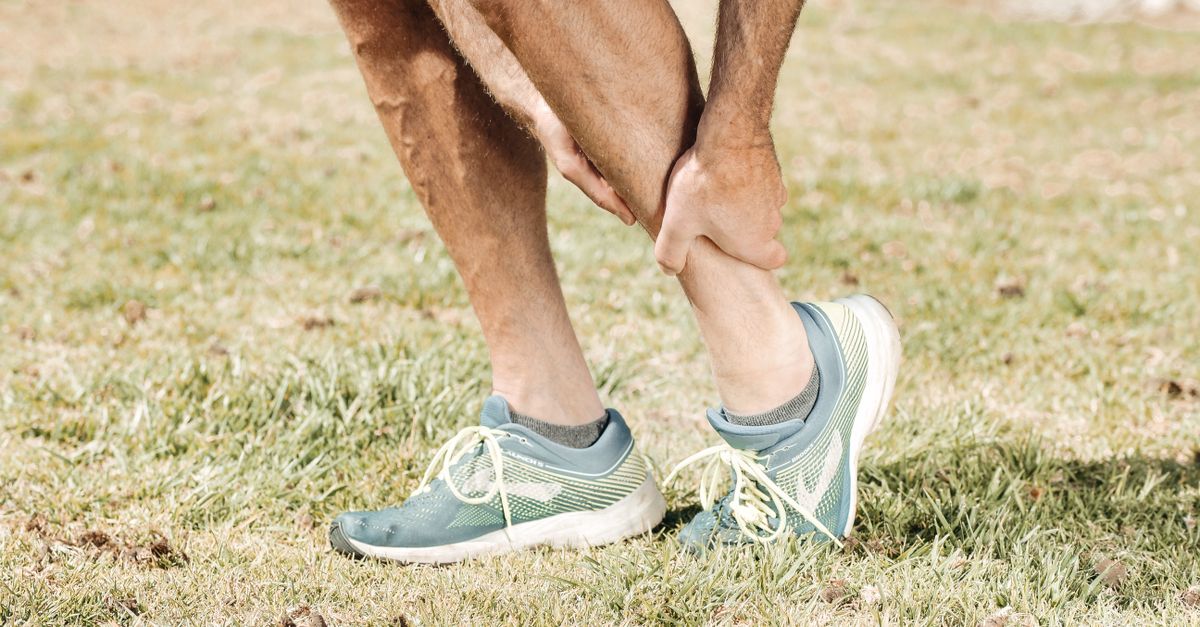
Legs ache after walking most often because of muscle fatigue, when the calves, thighs, and shins are asked to do more than they are conditioned for. Flat feet, shin splints, lumbar spinal stenosis, and claudication from peripheral artery disease can also cause leg pain after walking. Ordinary muscle soreness fades within a day or two and improves with rest and gradual conditioning. Cramping pain that starts at a predictable distance and eases within minutes of stopping can signal claudication and needs a doctor's evaluation.
You finish a walk around the neighborhood, sit down, and within minutes your calves feel tight and your thighs feel worn out. When your legs ache after walking, the cause can be as simple as muscles adapting to a longer route, or as important as reduced blood flow through narrowed arteries. The two can feel similar at first. The details are what tell them apart: where the ache sits, when it starts, and what makes it stop.
This guide is for you if walking itself triggers the pain, whether you have just started a walking routine, returned to activity after time off, or noticed that the same short distance now leaves your calves cramping. It does not cover the heavy, swollen feeling that builds after a full day of standing or sitting, which usually comes from blood pooling in the veins. Below, you will find the five main causes, a side-by-side comparison, the warning signs that need medical attention, and practical steps for comfort after your walks.
Why Your Legs Ache After Walking
Walking looks simple, but every step loads the muscles, tendons, bones, nerves, and blood vessels of the lower body. A problem in any of those systems can show up as aching legs. The five causes covered here are:
- Muscle fatigue and delayed-onset soreness
- Flat feet and altered foot mechanics
- Shin splints
- Lumbar spinal stenosis
- Claudication from peripheral artery disease
Muscle Fatigue and Delayed Soreness
Each stride relies on the calf muscles (the gastrocnemius and soleus), the quadriceps, the hamstrings, the glutes, and the tibialis anterior along the front of the shin. A longer distance, a faster pace, hills, or uneven ground increases the workload. During and right after the walk, depleted fuel stores and metabolic byproducts produce a tired, burning ache that fades with rest.
Delayed-onset muscle soreness is different. It comes from small-scale strain in muscle fibers and typically peaks 24 to 72 hours after an unfamiliar effort, especially after downhill walking. This kind of ache usually affects both legs evenly and gets milder as your body adapts.
Flat Feet and Foot Mechanics
The American Academy of Orthopaedic Surgeons describes flatfoot as a condition in which the arch of the foot is partially or fully collapsed. When the arch flattens, the foot tends to roll inward with each step. That inward roll rotates the shin and places extra strain on the posterior tibial tendon, the muscles along the inner shin, and the knee.
The result is an ache in the arch, inner ankle, shin, or knee that builds with distance. Worn-out shoes with little arch support can produce similar strain even if your arches are normal.
Shin Splints
Mayo Clinic describes shin splints, also called medial tibial stress syndrome, as pain along the inner edge of the shinbone. Shin pain after walking often follows a sudden jump in distance or speed, walking on hard surfaces, or unsupportive footwear. Flat feet add to the load.
Shin splints tend to hurt at the start of a walk, ease as you warm up, and return afterward, with tenderness along a stretch of the bone. Sharp pain over one small spot that worsens with each walk is different and should be checked for a stress fracture.
Lumbar Spinal Stenosis
Mayo Clinic describes spinal stenosis as a narrowing of the spaces within the spine that can put pressure on the nerves traveling through it. In the lower back, this compression can cause aching, heaviness, numbness, or tingling in the buttocks, thighs, and calves during walking. Clinicians call this neurogenic claudication.
The giveaway is posture. Standing upright narrows the spinal canal, while sitting or bending forward opens it, so the pain eases when you sit down or lean on a shopping cart, not when you simply stand still. For more detail, see our guide on how spinal stenosis causes leg symptoms.
Claudication From Peripheral Artery Disease
The National Heart, Lung, and Blood Institute describes peripheral artery disease (PAD) as a condition in which plaque buildup narrows the arteries that carry blood to the legs. Mayo Clinic describes claudication as pain caused by too little blood flow, usually during exercise. Working muscles need more oxygen than narrowed arteries can deliver, and the shortfall shows up as cramping, aching, or tightness.
Claudication usually strikes the calf, though it can affect the thigh or buttock. It tends to appear at about the same distance each time and fades within a few minutes of standing still. Smoking, diabetes, high blood pressure, high cholesterol, and older age raise the risk, and because PAD is linked to heart disease and stroke, calf pain that stops with rest always deserves a medical evaluation.
How to Tell the Causes Apart
No table replaces an exam, but the pattern of your symptoms gives your doctor a useful head start. This comparison summarizes the features that separate each cause.
| Cause | Where It Aches | When It Starts | What Eases It |
|---|---|---|---|
| Muscle fatigue | Calves, thighs, both legs evenly | Late in a long or new walk, or 1 to 3 days later | Rest, gentle movement, time |
| Flat feet | Arch, inner ankle, shin, knee | Builds gradually with distance | Supportive shoes, rest |
| Shin splints | Inner edge of the shinbone | Early in a walk and afterward | Rest, reduced distance |
| Spinal stenosis | Buttocks, thighs, calves; may tingle | After standing or walking upright | Sitting or bending forward |
| PAD claudication | Usually calf; sometimes thigh or buttock | At a predictable distance | A few minutes of standing still |
Two details do most of the sorting. If the pain arrives at a consistent distance and fades after a short standing rest, circulation is a concern. If it eases only when you sit or lean forward, a nerve-related cause is more likely.
Before your appointment, note the following:
- How far you walk before the ache starts
- How long you need to rest before it fades
- Whether standing still helps, or only sitting does
- Whether one leg or both legs are affected
- Any changes in foot color, temperature, or skin
When Aching Legs After Walking Need a Doctor
Ordinary soreness improves within days. Leg pain that follows a repeatable pattern, gets worse over weeks, or comes with other changes should be evaluated. A doctor can check your pulses and order an ankle-brachial index test, which compares blood pressure at the ankle and arm to look for PAD. Make an appointment if you notice:
- Cramping that returns at the same distance and eases with rest
- Pain in your feet or toes while resting, especially at night
- A foot that looks pale or bluish, or feels colder than the other
- Sores on your feet or toes that heal slowly
- Numbness, tingling, or weakness that spreads or worsens
- Pinpoint bone tenderness in the shin or foot
Seek emergency care for sudden swelling, warmth, and redness in one calf, which can signal a blood clot. The same applies to a leg that suddenly turns cold, pale, and painful, or new numbness in the groin with loss of bladder or bowel control.
Where a Seated Foot Massager Fits After Walks
Once serious causes are ruled out or under care, comfort after a walk becomes the goal. A seated foot massager adds gentle, continuous movement to your feet and lower legs while the rest of your body recovers.
Vibration vs. Oscillation: What Your Feet Feel
Many foot massagers are sold as vibration massagers. MedMassager uses oscillating technology to deliver deeper, more controlled vibration than conventional massagers. The open, flat platform of the MedMassager Foot Massager oscillates in a circular motion, so your feet, ankles, and lower legs actually move rather than simply buzz at the surface.
What Happens in Your Calves and Thighs
The circular oscillating action travels up from the feet into the calves. For calves strained by a long walk, calf activation pushes blood upward, supporting blood flow around strained areas. For aching thighs and hamstrings, blood pushed upward from the calves continues circulating through the upper leg while resting.
During a seated session, this means:
- Your calf muscles engage repeatedly without bearing your body weight
- Your ankles move through gentle, repeated motion
- You control intensity through adjustable settings
The MedMassager Foot Massager is an FDA-registered Class I medical device. You can compare models in our collection of therapeutic foot massagers.
Comfort, Not a PAD Treatment
A foot massager does not treat peripheral artery disease, open narrowed arteries, or replace medication, supervised exercise therapy, or any care your doctor provides. Its role is post-walk comfort, using circular oscillation to keep the lower legs moving while you sit. If you have or suspect PAD or claudication, get your doctor's okay before using any foot massager. Our article on foot massagers and peripheral artery disease covers the questions to ask your care team.
A Simple Seated Routine After Your Walk
This routine fits into the half hour after a walk. If you have suspected PAD or claudication, diabetes, or reduced feeling in your feet, confirm with your doctor before your first session. During each session, the platform oscillates in a circular motion, and the repeated foot movement engages your calf muscles while you rest.
- Cool down first. Slow your pace for the last 3 to 5 minutes of the walk so your heart rate settles gradually.
- Sit upright in a sturdy chair. Place your feet flat on the platform with your knees at a comfortable angle.
- Start low. Begin with about 10 minutes at the lowest setting, once or twice a day. Raise the intensity only if the motion stays comfortable.
- Add gentle stretches afterward. Try seated ankle circles and a towel calf stretch, holding each stretch for 20 to 30 seconds.
- Check your feet. Look for redness, blisters, or color changes, and stop if anything feels sharp or numb.
If you are still choosing a unit, browse seated foot massager options with adjustable intensity settings.
Walking Habits That Ease Leg Aches
Small changes to how you walk often matter as much as what you do afterward. Shoes come first: choose a pair with firm heel support and adequate arch support, and retire them once the cushioning feels flat. If you have flat feet, a podiatrist can tell you whether arch supports or custom orthotics make sense.
Build distance gradually so muscles and shins can adapt. These habits help:
- Increase distance or pace in small steps rather than big jumps
- Choose softer surfaces such as tracks or trails when possible
- Warm up with a few minutes of easy walking
- Strengthen your lower legs with calf raises and toe raises
- Drink water before and after longer walks
If you have PAD, your doctor may prescribe a structured walking program, which typically involves walking until moderate discomfort, resting, and repeating. Follow that plan as written, since it is tailored to your circulation.
Frequently Asked Questions
Why do my legs ache after walking a short distance?
Aching after a short, predictable distance can point to claudication from peripheral artery disease or to lumbar spinal stenosis. Claudication typically eases after a few minutes of standing still, while spinal stenosis eases when you sit or bend forward. Deconditioning after time off can also cause it, but a repeatable pattern should be evaluated by a doctor.
Is it normal for legs to hurt after a long walk?
Yes, muscle soreness after a longer or harder walk than usual is normal. Delayed-onset soreness can peak one to three days later and fades as your muscles adapt. Pain that worsens over time, affects one leg sharply, or comes with swelling or skin changes is not typical soreness.
What does claudication feel like?
Claudication feels like cramping, aching, tightness, or fatigue in the calf, thigh, or buttock during walking. It tends to start at about the same distance each time and stops within a few minutes of rest. Because it reflects reduced blood flow, it needs a doctor's evaluation.
How can I tell if leg pain is from my back or my circulation?
Posture is the main clue. Nerve pain from spinal stenosis usually improves when you sit or lean forward and may include numbness or tingling. Circulation-related claudication usually improves after standing still for a few minutes, regardless of posture, and a doctor can confirm the cause with an exam and simple tests.
Should I rest or keep walking when my legs ache?
For ordinary muscle soreness, light walking and gentle movement usually feel better than complete rest. Sharp pain, pinpoint bone tenderness, or pain that worsens with each step is a signal to stop and get checked. If you have PAD, follow the walking program your doctor prescribes.
Can a foot massager help legs that ache after walking?
A seated foot massager can add comfort after a walk by keeping the lower legs gently moving while you rest. An oscillating platform that moves in a circular motion engages the calf muscles, which pushes blood upward and supports blood flow around tired, strained areas. It does not treat the underlying cause, and anyone with suspected PAD should get a doctor's okay before using one.
The Bottom Line
When your legs ache after walking, the pattern matters more than the pain itself. Soreness that fades within a few days points to muscles adapting, while cramping at a predictable distance or pain that eases only when you sit needs a doctor's evaluation. Supportive shoes, gradual progress, and a short seated cool-down routine can all make walks more comfortable.
For post-walk comfort, explore our MedMassager Foot Massager collection, or browse the complete MedMassager catalog to compare every product.
This content is for informational purposes only and is not intended as medical advice, diagnosis, or treatment. Always consult a qualified healthcare professional before starting any new treatment or therapy. MedMassager products are FDA-registered Class I medical devices.


