
HSA eligible gift ideas include products that qualify as eligible medical expenses under the recipient's specific health savings account or flexible spending account plan, such as certain therapeutic massagers, blood pressure monitors, and mobility aids. Eligibility is determined by the account holder's plan documentation, not by the product alone, so the same item can be eligible for one person and not another. Some products require a letter of medical necessity to qualify, while others are automatically recognized as eligible expenses. Always confirm eligibility with the recipient's plan administrator before assuming a purchase will qualify.
If you're shopping for someone this year and wondering whether a gift can be paid for with HSA or FSA funds, you're asking the right question at the right time. HSA eligible gift ideas draw the most interest at year-end, when flexible spending accounts face their use-it-or-lose-it deadlines and holiday shopping is in full swing. Finding a gift that qualifies and that the person actually wants isn't always straightforward, especially with equipment like therapeutic massagers, where eligibility depends on documentation as much as the product itself. This guide walks through what typically qualifies, where therapeutic massagers fit into that picture, and how to confirm eligibility before you buy anything.
What Makes a Gift HSA or FSA Eligible
Health savings accounts and flexible spending accounts both let account holders pay for qualified medical expenses with pre-tax dollars, but the two accounts operate under different rules and different funding sources. What counts as "eligible" is set by IRS guidelines and then interpreted by each plan administrator, which is why the same product can be treated differently from one plan to the next.
How HSA and FSA Eligibility Works
Basic medical expenses like prescription copays, eyeglasses, and first-aid supplies are almost universally accepted. Equipment that supports a physical condition, like a therapeutic massager, blood pressure cuff, or compression sleeve, tends to fall into a gray area. These items are often eligible, but plan administrators may ask for documentation showing the purchase is tied to a medical need rather than general wellness.
Why Eligibility Varies by Plan
Not every HSA or FSA plan applies the same standard. Some plans automatically approve a wider category of health-support products, while others require additional paperwork for anything beyond core medical supplies. This is the part gift-givers often miss: eligibility isn't a fixed property of the product, it's a function of the recipient's account and their plan's specific rules. To see how a particular plan treats a product, check three places:
- Plan documents or a benefits portal, which usually list eligible expense categories
- The plan administrator, who can confirm whether a specific product qualifies
- A letter of medical necessity, which some plans require for equipment tied to a condition
The Role of a Letter of Medical Necessity
A letter of medical necessity (LMN) is a document from a healthcare provider stating that a product is needed to manage a specific condition. For products that aren't automatically recognized as eligible, an LMN is often what moves an FSA or HSA claim from "maybe" to "approved." If you're buying a massager as a gift and want the recipient to have the best shot at using their account, it helps to read through a letter of medical necessity guide before the gift is unwrapped, since this document usually needs to be requested from the recipient's own provider.
How Therapeutic Massagers Fit HSA and FSA Rules
Therapeutic massagers are a common example of a product that sits in the gray zone described above. Many people search for a vibration foot massager or vibrating body massager assuming the term "vibration" describes exactly how the device works. MedMassager uses oscillating technology to deliver deeper, more controlled vibration than conventional massagers, which is a distinction worth understanding before you buy one as a gift or check it against a plan.
When a Massager Qualifies as Medical Equipment
Because these products are marketed for physical conditions like circulation support and muscle tension rather than general relaxation, they frequently qualify for HSA or FSA reimbursement when the recipient's plan recognizes them as medical equipment. That said, qualification is not automatic. Plan administrators reviewing a massager claim typically want to see three things line up:
- A product labeled for a physical purpose, such as circulation support or muscle tension, rather than general relaxation
- A documented condition that ties the purchase to a medical need
- A plan that recognizes therapeutic devices as an eligible expense category
A separate breakdown of how foot massagers qualify for HSA and FSA funds covers the documentation process in more detail, and it's a useful reference if you want to set expectations correctly before gifting one.
What the Oscillating Mechanism Does
Oscillation is the mechanism behind how these massagers work. The Foot Massager and Body Massager both oscillate in a circular motion, and that repeated movement helps keep blood flowing through areas affected by prolonged sitting or long periods on the feet. For someone managing general back pain from a desk job, oscillation penetrates deep muscle layers, increasing local blood flow in muscles affected by prolonged sitting. That mechanism, not a marketing claim, is what plan administrators are typically evaluating when they review a claim tied to a medical need.
HSA Eligible Gift Ideas: Massagers Worth Considering
Once you understand that eligibility depends on plan rules and documentation, choosing the actual gift comes down to matching the product to the person. Therapeutic massagers split broadly into two categories, and the right one depends on where the recipient carries tension or fatigue.
Foot Massagers for Circulation Support
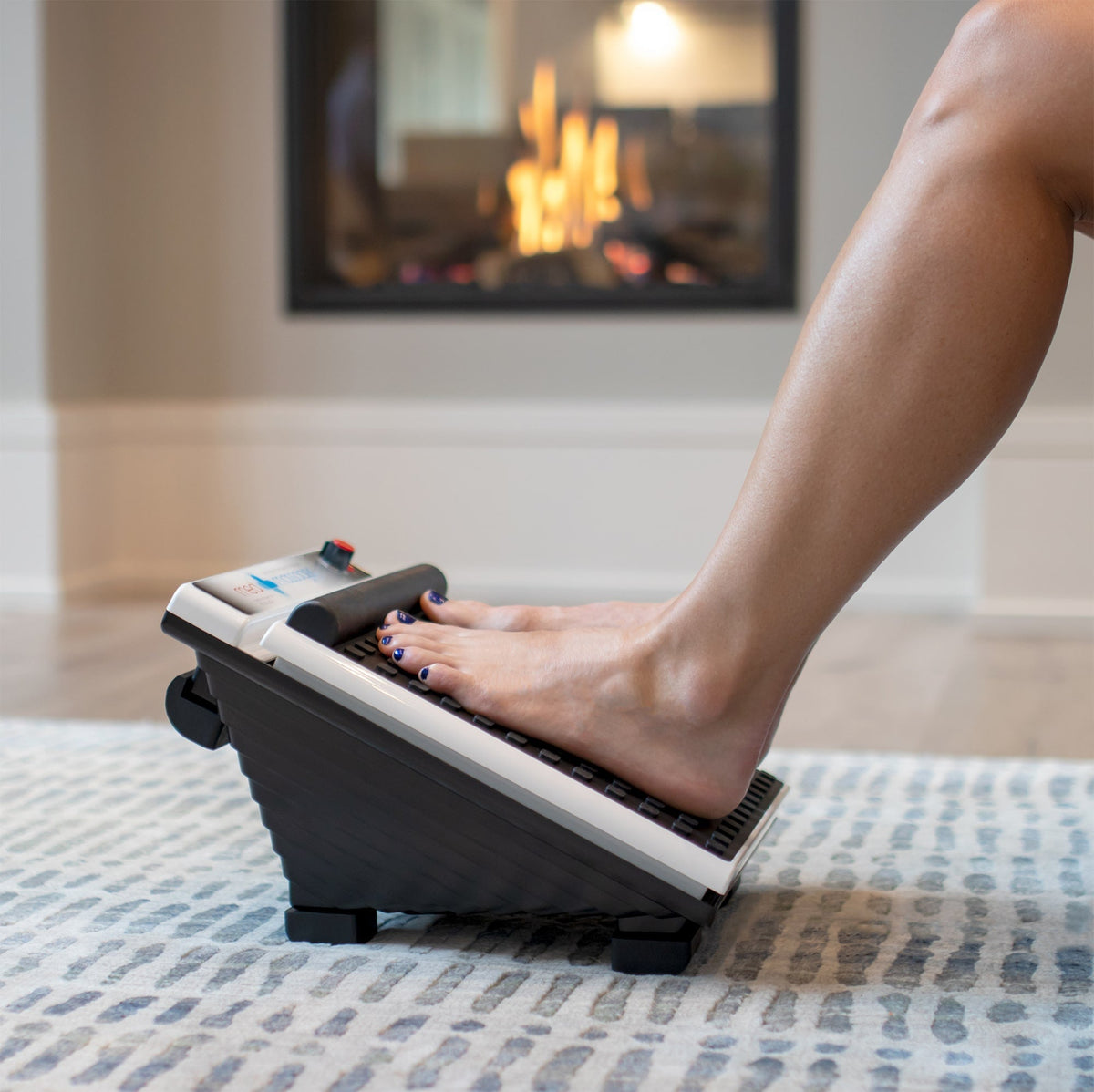
For someone who stands for long shifts, sits at a desk all day, or simply deals with tired, achy feet by evening, a foot massager designed for seated use is a practical option. Browsing therapeutic foot massagers built for circulation support is a reasonable starting point if the recipient's day involves a lot of time on their feet. These units are used seated with the feet resting on the platform, and the circular oscillating action is the feature to look for regardless of brand. The circular oscillating action creates continuous, repetitive movement in the foot and calf, which supports circulation during use.
Body Massagers for Back and Muscle Tension
For a recipient dealing with lower back tightness, shoulder tension, or general muscle fatigue, a body massager reaches larger muscle groups than a foot-specific unit. The professional-grade body massager collection covers models built around the same oscillating principle, applied to the back, legs, and arms rather than just the feet.
Features That Matter for Gifting
Whichever category fits, a few features are worth checking before you buy, since they affect both usability and how the product reads on a medical necessity claim.
- Adjustable intensity, so the recipient can control how firm the massage feels
- An open, flat platform design for seated foot use rather than a standing or enclosed unit
- Clear labeling as a therapeutic or medical-support product rather than a general relaxation gadget
If you want to compare the full range before deciding, the shop massagers collection lists every current model side by side.
How to Confirm Eligibility Before You Buy
The single most important step in gifting an HSA or FSA eligible item is confirming eligibility before the purchase, not after. Here's a practical sequence to follow.
- Ask the recipient, tactfully, whether they know their plan's rules around durable medical equipment or therapeutic devices. This isn't always a comfortable conversation, but it's the fastest way to avoid a rejected claim.
- Have them check their plan portal or call their plan administrator to confirm whether the product category is listed as an eligible expense.
- If the plan requires documentation, have the recipient request a letter of medical necessity from their own healthcare provider, since the letter needs to reflect their specific condition and needs.
- Keep the receipt and any product documentation together, since most plans require both the purchase record and supporting paperwork for reimbursement.
- If the gift is for FSA funds specifically, confirm the plan's year-end deadline and any grace period, since FSA funds are typically forfeited if unused by the plan's cutoff date.
None of this guarantees reimbursement. Eligibility decisions are made by the plan administrator based on the recipient's documentation, and that process is outside the seller's control.
Year-End Timing and Gifting Etiquette
The fourth quarter carries extra weight for this topic because FSA deadlines cluster around the calendar year, while HSA funds roll over without expiring. That timing difference changes how you should think about a gift.
If the recipient has an FSA with a use-it-or-lose-it deadline, gifting something in December that they still need to submit for reimbursement puts real time pressure on the process. An HSA gift carries no such urgency, since HSA balances don't expire. Either way, it's worth being upfront with the recipient that eligibility and reimbursement are between them and their plan, not something the gift itself guarantees. A few habits keep the process smooth:
- Confirm whether the recipient has an HSA, an FSA, or both, since the accounts follow different expiration rules
- Give the gift with enough lead time for the recipient to request an LMN if their plan requires one
- Avoid framing the gift as a guaranteed reimbursement, since final approval depends on their plan and documentation
Frequently Asked Questions
What gifts are typically HSA or FSA eligible?
Common HSA and FSA eligible items include prescription-related expenses, first-aid supplies, blood pressure monitors, and certain therapeutic equipment such as massagers used for circulation support or muscle tension. Eligibility for equipment beyond basic medical supplies often depends on the recipient's specific plan and whether documentation like a letter of medical necessity is required. The safest approach is confirming the category with the recipient's plan administrator before purchase.
Are massagers HSA or FSA eligible?
Therapeutic massagers can be HSA or FSA eligible, but this depends on the recipient's plan rather than the product itself. Some plans recognize massagers marketed for circulation or muscle support as eligible medical equipment, while others require a letter of medical necessity before approving the claim. There is no universal rule that applies to every plan.
Do I need a letter of medical necessity to buy a massager with HSA funds?
Not always, since some plans automatically treat certain therapeutic products as eligible. Many plans, however, require a letter of medical necessity for equipment tied to a specific condition, which must come from the account holder's own healthcare provider. Checking the plan's documentation requirements before purchase is the only reliable way to know for certain.
Can I use FSA funds on a gift for someone else?
FSA and HSA funds are tied to the account holder, so the recipient of a gift would need to submit the purchase themselves through their own account, using their own documentation. A gift-giver cannot use their own FSA to pay for someone else's reimbursement claim. The gift itself can be purchased with any payment method, but the reimbursement process happens on the recipient's plan.
What happens if FSA funds aren't used by the year-end deadline?
Most FSA plans operate on a use-it-or-lose-it basis, meaning unused funds are forfeited once the plan year ends unless the employer offers a grace period or a small carryover allowance. This is different from an HSA, where funds roll over indefinitely and don't expire. Anyone gifting toward FSA-eligible expenses in Q4 should be aware of the recipient's specific plan deadline.
Is a foot massager FSA eligible without a prescription?
Some plans accept a foot massager as an eligible expense without additional paperwork if it's clearly marketed for a medical purpose like circulation support. Other plans require a letter of medical necessity regardless of how the product is marketed. Because this varies by plan, the recipient should check with their plan administrator rather than assume either outcome.
Does the recipient need to keep the receipt after receiving an HSA eligible gift?
Yes, the recipient typically needs the original receipt along with any required documentation, such as a letter of medical necessity, to submit a reimbursement claim. Most plans require both pieces before approving an expense. Keeping the original packaging or order confirmation alongside the receipt makes this process easier if the gift comes without one.
Bottom Line on HSA Eligible Gift Ideas
HSA eligible gift ideas exist across a wide range of categories, and therapeutic massagers are a reasonable option for someone dealing with tired feet, back tension, or general muscle fatigue. Eligibility, however, always comes down to the recipient's specific plan and documentation, not the product label. A letter of medical necessity can help move a claim from questionable to approved, but it has to come from the recipient's own provider and reflect their own situation.
If you're considering a therapeutic massager this year, take a look at the therapeutic foot massagers and body massager options built around adjustable, oscillating movement. The circular oscillating action creates continuous, repetitive movement in the muscles it contacts, which supports circulation during use. Encourage the recipient to confirm their plan's rules before they count on reimbursement.
This content is for informational purposes only and is not intended as medical advice, diagnosis, or treatment. Always consult a qualified healthcare professional before starting any new treatment or therapy. MedMassager products are FDA-registered Class I medical devices.


