
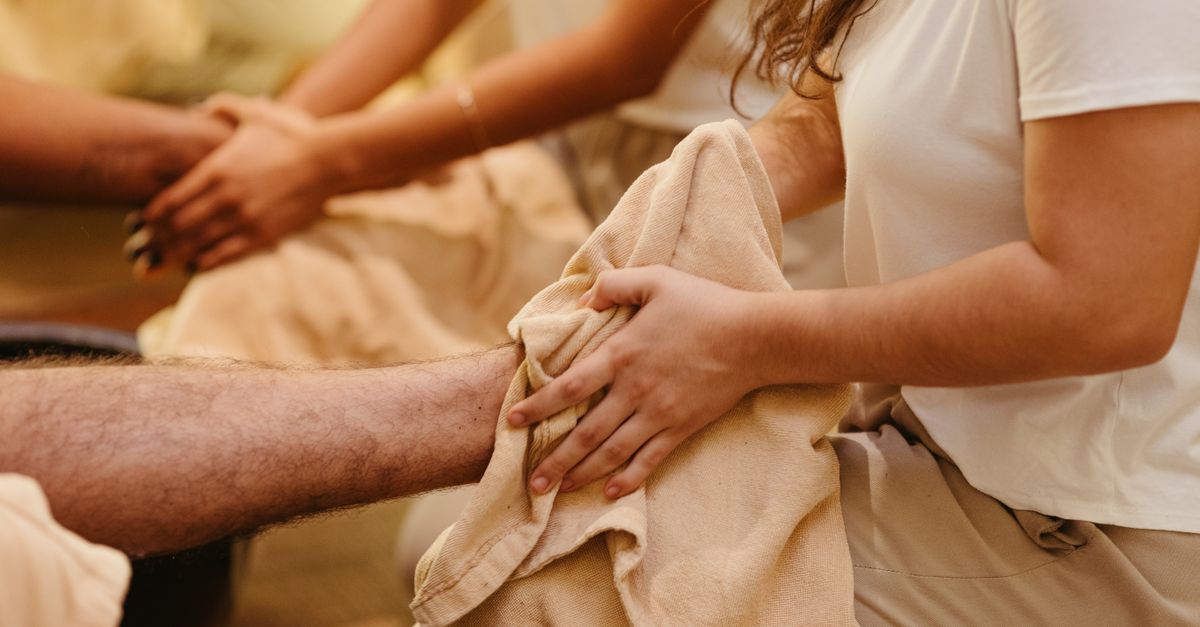
The best foot massager for nurses is a seated, oscillating foot massager built for daily use after 12-hour shifts spent standing on hard hospital or clinic floors. Nurses need a device that increases circulation in the feet and calves, handles repeated daily use without complicated setup, and works quietly in a break room or at home. The MedMassager Foot Massager uses circular oscillating action to move blood through fatigued feet while the user remains seated, which matters for shift workers who are done standing by the time they get home.
If you've just clocked out after a 12-hour shift on a med-surg floor or spent a night in the ICU on your feet, you already know the ache that sets in has nothing to do with your shoes. Finding the best foot massager for nurses means looking past generic "standing all day" recommendations and toward something built for the specific rhythm of shift work. That means back-to-back 12s, overnight rotations, and feet that swell by hour eight and don't fully recover before the next shift starts. This guide breaks down what matters when buying a foot massager for nursing work, walks through a realistic seated recovery routine, and points to the features worth paying attention to before you buy.
Why Nurses' Feet Take a Beating
Nursing is one of the few professions where "standing job" undersells the physical demand. Most shifts involve a mix of standing at nursing stations, walking long hospital corridors, and repetitive weight shifts while assisting patients, all on floors designed for cleanability rather than shock absorption.
The Physical Demands of a 12-Hour Shift
A typical 12-hour shift can involve several miles of walking layered on top of hours of static standing during charting, handoffs, or bedside monitoring. Static standing is harder on circulation than walking because it reduces the natural pumping action of calf muscles that normally helps push blood back up toward the heart. Combined with compression stockings, tight clogs, and back-to-back patient care tasks, this creates a specific pattern of fatigue that builds across a shift and often isn't fully gone by morning.
Standing on Hard Floors vs. Walking
Hospital flooring is typically vinyl composite tile or sealed concrete, chosen for infection control rather than cushioning. Standing in one spot on this kind of surface for extended stretches, such as during a long procedure or a slow overnight census, concentrates pressure on the heel and forefoot in a way that walking does not. Mayo Clinic notes that prolonged standing can contribute to swelling in the lower legs as blood and fluid pool below the knee when calf muscles aren't actively contracting.
Common Foot Conditions Among Nurses
Because of these demands, certain foot and leg complaints come up again and again among nurses. Recognizing the pattern matters when choosing a recovery tool, since the right device should address the mechanism behind the soreness, not just mask it for an hour.
- Plantar fasciitis from repeated impact on hard flooring
- Lower leg swelling and heaviness from prolonged static standing
- Varicose veins linked to long-term venous pressure in the legs
- General foot and calf fatigue that builds across a shift and carries into the next
How Oscillation Helps Nurses' Feet Recover
Vibration vs. Circular Oscillation
A lot of nurses searching for relief start by looking for a vibrating foot massager, expecting a quick buzz to numb the ache. Vibration alone tends to sit at the surface and can dull sensation temporarily without doing much for the deeper tissue that's fatigued. MedMassager uses oscillating technology to deliver deeper, more controlled vibration than conventional massagers, moving in a circular oscillating action that reaches further into the muscle and soft tissue of the foot.
Why Circulation Matters After a Shift
For nurses managing plantar fasciitis specifically, this matters mechanically. A tired foot resting on a couch after a shift sits still, and blood tends to settle. An oscillating session does the opposite during use:
- Keeps blood moving through the foot and calf instead of pooling during rest
- Engages soft tissue that has spent hours under static pressure
- Reaches deeper into muscle than surface-level vibration alone
This is also why the routine matters as much as the device. A seated foot massager session works with the body's circulation, not against it. MedMassager's line of therapeutic foot massagers is built around this oscillating mechanism rather than surface-level buzzing.
Buying Guide: Best Foot Massager for Nurses
Not every foot massager on the market is built for someone who needs it five or six nights a week. When you're evaluating the best foot massager for nurses, the buying criteria should reflect how nurses live: rotating shifts, limited downtime, and a need for something that works fast and fits into a small apartment, dorm room, or shared break area.
Seated Design and Repeated Use
Every MedMassager Foot Massager is designed for seated use, with the feet resting on the oscillating platform rather than standing or walking on the unit. The circular oscillating action creates continuous, repetitive movement in the foot and calf, which supports circulation during use without asking the user to stand. For nurses coming off a shift where standing is the last thing their feet want to do, a seated design is the practical starting point, not just a safety detail.
Adjustable Intensity for Different Sensitivities
Foot sensitivity varies a lot from one nurse to the next. The same device needs to work on a mild end-of-shift day and a rougher one, which is why adjustable intensity settings matter for nurses dealing with:
- Plantar fasciitis or heel tenderness
- Neuropathy-related sensitivity
- Generally tender feet after a long stretch of consecutive shifts
Starting low and adjusting up is easier than trying to tolerate a single fixed setting.
Noise, Size, and Practical Fit
A device that's loud or bulky doesn't fit well into a break room or a small apartment shared with roommates or a sleeping partner after a night shift. Consider the footprint of the unit and how easily it fits under a desk or beside a recliner. MedMassager's Foot Massager is an FDA-registered Class I medical device, built for the kind of daily, practical use nursing schedules demand rather than occasional spa-style pampering.
This buying guide is specific to shift-based clinical work. If you're comparing options for standing jobs more generally, such as retail or manufacturing floor work, the broader breakdown in our guide to foot massagers for standing all day covers that wider use case in more depth.
End-of-Shift Seated Foot Recovery Routine
Consistency matters more than intensity for shift recovery. A short seated routine done after most shifts tends to do more than an occasional long session done once a week.
- Sit in a supportive chair and remove shoes and compression stockings before use.
- Place both feet flat on the oscillating platform of the foot massager, seated with knees at a comfortable angle.
- Start on a lower intensity setting for the first few minutes to let the feet adjust, especially after a particularly long shift.
- Use the device for roughly 10 to 15 minutes, increasing intensity if tolerated.
- Follow with a few minutes of ankle circles and toe stretches while still seated, to complement the increased circulation.
- Repeat after most shifts, rather than saving it for days off, since consistency is what supports ongoing circulation between shifts.
Full lineup details, including the models built specifically for seated daily use, are available in MedMassager's complete collection of therapeutic massagers for anyone comparing options beyond the foot-specific line.
Special Considerations for Night Shift Nurses
Shift type changes some of the calculus around foot recovery, and nurses further along in their careers often notice fatigue accumulating differently than it did earlier on.
Night Shift Circulation Challenges
Night shift nurses are standing during the hours the body is naturally wired for rest, which layers a few extra strains on top of prolonged standing:
- Disrupted sleep patterns that shorten recovery time between shifts
- Long, slow overnight stretches of static standing at the station
- Going straight to bed with feet that have been under pressure for hours
A seated recovery session before sleep, rather than immediately jumping into bed, gives circulation a chance to normalize before the body transitions to rest.
Managing Foot Fatigue Later in a Nursing Career
Foot and leg fatigue often becomes more noticeable as nurses age into their careers, sometimes compounded by joint changes or existing vein issues. For nurses managing conditions like heel spurs, the gentle, repeated movement from an oscillating foot massager helps keep blood moving through the heel rather than pooling there, a common trouble spot for longtime clinical staff on their feet daily.
Frequently Asked Questions
What is the best foot massager for nurses on 12-hour shifts?
The best option is a seated, oscillating foot massager with adjustable intensity, since it can be used quickly after a shift without requiring the user to stand or walk on the device. Nurses generally benefit most from a model that's quiet enough for shared spaces and simple enough to use daily without a long setup process.
How long should nurses use a foot massager after a shift?
Most people find 10 to 15 minutes per session sufficient to notice reduced heaviness and fatigue in the feet. Starting on a lower intensity setting and adjusting from there tends to work better than jumping straight to the highest setting after a long shift.
Can a foot massager help with plantar fasciitis from standing?
Oscillating motion can help by keeping blood flowing through the foot instead of allowing it to settle during rest, which is a common pattern after a shift spent standing on hard flooring. This addresses circulation rather than the underlying tissue inflammation, so it works best alongside guidance from a podiatrist or physical therapist for ongoing plantar fasciitis management.
Is a vibrating foot massager the same as an oscillating one?
No, vibration and oscillation describe different types of motion, and they don't reach tissue in the same way. Oscillating devices move in a circular pattern that tends to reach deeper into foot and calf tissue, while standard vibration typically stays closer to the surface.
Do nurses need a different foot massager than other standing workers?
The core mechanism is the same, but nurses often deal with rotating and overnight shifts, compression stocking use, and repeated daily wear that other standing jobs may not involve as consistently. Because of that, adjustability and ease of daily use tend to matter more for nurses than for someone standing during a single fixed shift pattern.
Should nurses use a foot massager every shift or just on days off?
Using it after most shifts, rather than saving it for days off, tends to support circulation more consistently between long stretches of standing. A short, regular session generally does more for ongoing fatigue than an occasional longer one.
What features matter most when buying a foot massager for nursing work?
Seated use, adjustable intensity, manageable noise level, and a compact footprint are the features that matter most for nurses specifically. These features reflect the realities of shift work: limited space, shared living situations, and a need for something that works quickly without a complicated routine.
Bottom Line: Best Foot Massager for Nurses
For nurses coming off 12-hour shifts on hard hospital floors, the best foot massager for nurses is one built around seated use, adjustable intensity, and an oscillating mechanism that reaches beyond surface-level vibration. The goal isn't just a temporary buzz. It's supporting circulation in feet and calves that have spent hours under static pressure. A short, consistent seated routine after most shifts tends to matter more than occasional long sessions on days off.
If you're ready to compare specific models built for this kind of daily, seated use, MedMassager's foot massager collection is a practical place to start.
This content is for informational purposes only and is not intended as medical advice, diagnosis, or treatment. Always consult a qualified healthcare professional before starting any new treatment or therapy. MedMassager products are FDA-registered Class I medical devices.


