
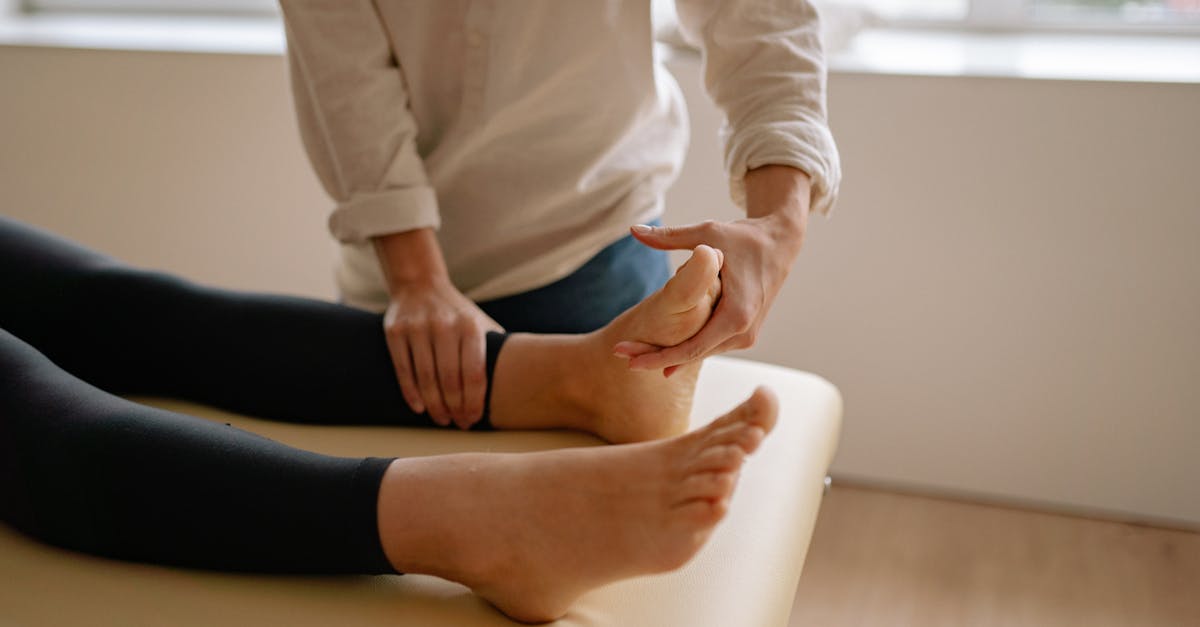
A foot massager for neuropathy is a therapeutic device designed to stimulate circulation and sensory input in feet affected by nerve damage. Oscillating foot massagers work by continuously moving the foot, keeping blood flowing through areas where nerve-related circulation problems are most common. MedMassager produces FDA-registered Class I medical therapeutic massagers built specifically for people managing neuropathy and similar chronic conditions. When choosing a foot massager for neuropathy, look for adjustable intensity, consistent oscillating motion, and a platform large enough to support full foot contact.
If you're living with peripheral neuropathy, you already know that the discomfort doesn't stay still. The tingling, the numbness, the burning sensation that creeps in at the end of the day — or sometimes in the middle of the night — makes it hard to find relief that actually works. A foot massager for neuropathy is one of the most frequently recommended at-home tools for managing these symptoms, but not every device on the market is built for the job. Some are glorified vibrating pads. Others lack the power or surface area to make a real difference for feet dealing with nerve damage.
This guide covers what neuropathy actually does to your feet, how therapeutic massage works as a management tool, what to look for when choosing a device, and which features matter most for people with nerve-related conditions.
What Neuropathy Does to Your Feet
Peripheral neuropathy affects the nerves outside the brain and spinal cord — and the feet are almost always the first place symptoms appear. Understanding what's happening physically helps clarify why certain therapeutic approaches work and others don't.
The Nerve Damage Mechanism
Peripheral neuropathy occurs when nerves that carry signals between the central nervous system and the rest of the body are damaged or destroyed. In the feet, this typically affects sensory nerves (responsible for feeling), motor nerves (responsible for movement and muscle control), and autonomic nerves (responsible for blood vessel tone and sweat gland function). When all three types are involved, the result is a complex mix of pain, numbness, weakness, and circulatory disruption in the same region.
The most common cause is diabetes — according to the National Institute of Neurological Disorders and Stroke, diabetic neuropathy accounts for the majority of peripheral neuropathy cases in developed countries. Other causes include chemotherapy, vitamin B12 deficiency, autoimmune conditions like lupus or Guillain-Barré syndrome, alcohol use disorder, and idiopathic cases where no clear cause is identified.
How Neuropathy Affects Circulation in the Feet
Autonomic nerve damage disrupts the blood vessels' ability to dilate and constrict normally. This means circulation in neuropathic feet is often compromised independent of any cardiovascular condition. Blood tends to pool rather than circulate efficiently, which compounds the nerve damage already present — nerves require oxygenated blood to function and, to the extent possible, repair.
Limited mobility makes this worse. Many people managing neuropathy reduce their activity level because walking is painful or unstable, which further reduces the natural calf-muscle pumping action that drives blood back up from the feet. The result is a cycle: nerve damage reduces circulation, reduced circulation worsens nerve health, and reduced activity slows both.
Common Symptoms in the Feet
- Burning or shooting pain, often worse at night
- Tingling or "pins and needles" sensations
- Numbness that reduces awareness of temperature or injury
- Muscle weakness or cramping in the feet and lower legs
- Heightened sensitivity to touch (allodynia), where even light contact is painful
- Swelling or puffiness from poor venous return
- Cold feet from impaired blood vessel regulation
The combination of reduced sensation and impaired circulation is what makes neuropathy particularly serious from a wound-care perspective. Minor injuries go unnoticed and heal slowly — which is why daily foot care, including therapeutic stimulation, is emphasized by most podiatrists and neurologists managing diabetic neuropathy patients.
How Oscillating Foot Massage Helps with Neuropathy
Massage for neuropathy works through two primary mechanisms: circulatory stimulation and sensory input. A high-quality therapeutic foot massager targets both simultaneously.
Circulatory Stimulation
Continuous movement helps keep blood flowing through the feet when natural movement is limited. When the foot platform moves continuously, it activates the muscles of the foot and lower leg in a passive but repeated pattern — similar to the effect of walking, but without the weight-bearing stress that many neuropathy patients cannot tolerate for extended periods.
Calf muscle activation is particularly important. The calf acts as a secondary pump for the venous system. When neuropathy or limited mobility reduces walking, the calves don't fire enough to push blood efficiently back toward the heart. An oscillating foot massager engages this mechanism passively, supporting venous return and reducing the pooling that worsens both symptoms and nerve health.
Sensory Stimulation and Nerve Signaling
Therapeutic oscillation also delivers consistent mechanical input to the sensory nerves that remain functional in neuropathic feet. This has two effects. First, it provides a form of counter-stimulation that can temporarily override pain signals — a principle related to the gate control theory of pain, which describes how non-painful sensory input can compete with and reduce the perception of pain signals traveling to the brain. Second, regular sensory stimulation may help maintain the activity of surviving nerve pathways, which is why neurologists and physical therapists often incorporate vibration and massage into neuropathy management programs.
Why Oscillation Outperforms Basic Vibration
Most consumer foot massagers use simple vibration — a motor creates rapid up-and-down movement with limited depth or surface engagement. Oscillating technology moves differently: the platform rotates through a controlled arc, delivering consistent, full-contact movement across the entire plantar surface of the foot rather than localized buzz in a single spot.
MedMassager's therapeutic foot massagers use professional-grade oscillating motors that deliver the same type of stimulation used in physical therapy clinics. The platform moves at variable speeds, allowing people to find the level that provides stimulation without aggravating hypersensitive areas. This adjustability matters especially for neuropathy patients, where sensitivity varies widely from person to person and even day to day.
What to Look For in a Foot Massager for Neuropathy
Not every foot massager is appropriate for neuropathy. Several features separate therapeutic-grade devices from consumer wellness products, and those differences are significant for people managing a chronic nerve condition.
Adjustable Speed and Intensity
Neuropathic feet are unpredictable. On some days, even light contact triggers pain. On others, sensation is so reduced that you need more stimulation to feel anything at all. A foot massager for neuropathy must offer a genuine range of intensities — not just two or three token settings, but a smooth progression that lets you start at the lowest therapeutic level and increase only as tolerated.
MedMassager's Foot Massager offers multiple speed settings across a wide range, making it possible to begin at a very gentle level and work up gradually. This is particularly important for people new to therapeutic massage who are managing allodynia or heightened sensitivity.
Full-Platform Surface Contact
The entire plantar surface of the foot — heel, arch, and ball — should be in contact with the massager simultaneously. Devices that only target one zone miss the comprehensive stimulation that makes oscillating therapy effective for neuropathy. Look for a platform wide and long enough to support your foot fully, with an angled surface that positions the foot naturally rather than forcing an awkward angle that shifts pressure to specific points.
Power and Motor Quality
Underpowered motors produce vibration that feels superficial — it buzzes the skin without penetrating muscle tissue or producing the calf-activation effect that drives circulatory benefit. Professional-grade oscillating motors deliver enough force to move through soft tissue and engage the musculature of the foot and lower leg. This is one area where clinic-grade equipment consistently outperforms budget consumer devices.
Safety Features for Neuropathy
Because neuropathy reduces sensation, standard safety precautions become more critical:
- No sharp edges or heat elements: Reduced sensation means burns or abrasions may go unnoticed. Avoid devices with heating pads if you have significant sensory loss — heat injuries are a documented risk in diabetic neuropathy.
- Stable, non-tip platform: Motor strength and balance should allow the device to remain flat on the floor without shifting during use.
- Easy on/off access: People with limited mobility or hand strength need controls they can reach and operate without bending awkwardly.
- FDA-registered classification: For therapeutic use, look for devices registered as Class I medical devices rather than general consumer wellness products. This matters for insurance documentation and clinical credibility.
Durability for Daily Use
Neuropathy management is ongoing — this isn't a device you'll use once a week. A therapeutic foot massager for neuropathy needs to hold up to daily sessions over months and years. Commercial-grade construction, quality motor housing, and a solid warranty signal the kind of build quality that daily therapeutic use demands. Many people managing neuropathy use their MedMassager Foot Massager once or twice daily as part of a consistent symptom management routine.
How to Use a Foot Massager for Neuropathy
Proper use matters as much as choosing the right device. Neuropathy patients need a structured, conservative approach — especially when starting out.
Starting Protocol for New Users
- Begin at the lowest speed setting. Even if you feel minimal sensation, start low and assess your response over the first few sessions before increasing intensity.
- Limit initial sessions to 5–10 minutes. Some neuropathy patients experience temporary symptom flares after first use, particularly increased tingling or sensitivity. Short sessions let you monitor your response.
- Use seated, with feet fully flat on the platform. Do not stand on the massager. Maintain full plantar contact throughout the session.
- Inspect your feet before and after every session. Because sensation is reduced, visually check for any redness, skin irritation, or pressure marks before and after use. This is standard practice for diabetic foot care.
- Increase duration and speed gradually — typically 5-minute increments per week — as tolerated. Most users find a comfortable range of 15–30 minutes per session over time.
Timing and Frequency
Daily use is the general target for neuropathy management. Evening sessions work well for many patients because nighttime is when neuropathic pain tends to intensify. Using the massager in the hour before bed can help reduce the burning and restless sensations that interfere with sleep.
Morning sessions also have value — they stimulate circulation at the start of the day before prolonged sitting begins. Some people managing neuropathy use their oscillating foot massager at a desk or workstation, running sessions while seated during work hours.
Combining with Other Neuropathy Management Strategies
A therapeutic foot massager works best as part of a broader management plan, not as a standalone intervention. Physical therapists managing neuropathy commonly combine massage stimulation with:
- Gentle range-of-motion exercises for the foot and ankle
- Balance training to compensate for proprioceptive loss
- Compression socks worn after massage to maintain the circulatory benefit
- Consistent blood sugar management for diabetic neuropathy
- B-vitamin supplementation when deficiency is a contributing factor
Always coordinate new therapeutic tools with your neurologist, podiatrist, or physical therapist — especially if your neuropathy is tied to diabetes, autoimmune disease, or active chemotherapy treatment.
Neuropathy Severity and Device Selection
Not everyone managing neuropathy is in the same situation. The right device depends in part on where you are in the progression of the condition.
Mild to Moderate Neuropathy
People in earlier stages typically retain meaningful sensation, experience intermittent symptoms, and are still relatively active. For this group, a full-platform oscillating foot massager at moderate intensity is appropriate. The circulatory and sensory stimulation benefits are most accessible when some nerve function remains intact.
This is also the stage where consistent daily use may have the most impact on managing symptom progression, though outcomes vary and no device claims to reverse nerve damage.
Severe Neuropathy with Significant Sensory Loss
When sensation is significantly reduced, the risk calculus changes. The benefit of stimulation remains, but the risk of unnoticed skin damage from prolonged pressure increases. For severe cases, shorter sessions, lower intensities, and rigorous pre- and post-use foot inspections are essential. Consult your physician before beginning any at-home therapeutic program at this stage.
People in this group may also benefit from the MedMassager Body Massager, which can be applied to the calves and lower legs — reaching circulation-support targets through the larger muscle groups without direct plantar contact for those whose feet are too sensitive for full platform use.
Chemotherapy-Induced Peripheral Neuropathy (CIPN)
CIPN presents specific challenges because onset is often rapid and symptoms can fluctuate significantly with treatment cycles. Therapeutic foot massage is used in oncology support settings, but timing matters — avoid sessions on days when skin sensitivity is at its worst or when platelet counts are low, as directed by your oncology team. Any therapeutic device use for CIPN should be explicitly cleared by your oncologist before starting.
Frequently Asked Questions
Can a foot massager help with neuropathy pain?
A foot massager can help manage neuropathy-related discomfort by stimulating circulation and delivering consistent sensory input to affected nerves. Oscillating motion keeps blood flowing through the feet when normal movement is limited, which addresses one of the primary physical factors that worsens neuropathic symptoms. Many people managing peripheral neuropathy report reduced burning and tingling sensations with regular therapeutic massage. It is not a treatment for the underlying nerve damage, but it is a commonly recommended tool for symptom management.
Is it safe to use a foot massager if you have diabetic neuropathy?
For most people with diabetic neuropathy, a therapeutic foot massager is safe when used correctly — but precautions are essential. Inspect your feet before and after every session, because reduced sensation means skin irritation or pressure marks may go unnoticed. Avoid devices with heat elements if you have significant sensory loss, as heat injuries are a documented risk when sensation is impaired. Always get clearance from your diabetes care team or podiatrist before starting, particularly if you have open wounds, active foot ulcers, or severe circulation problems.
How often should I use a foot massager for neuropathy?
Daily use is generally the target for neuropathy management, as consistent stimulation produces better results than occasional sessions. Most therapeutic protocols begin with 5–10 minute sessions to assess tolerance, then gradually extend to 15–30 minutes per session as tolerated. Some people managing neuropathy use their foot massager both morning and evening — once to stimulate circulation at the start of the day and once to reduce nighttime pain before sleep. Always adjust frequency and duration based on your individual response and guidance from your healthcare provider.
What's the difference between a vibration foot massager and an oscillating foot massager?
Vibration massagers use a motor to create rapid up-and-down movement, which tends to be surface-level and localized. Oscillating foot massagers move the platform through a controlled arc, producing full-contact, consistent motion across the entire plantar surface of the foot. For neuropathy specifically, oscillating technology engages more muscle tissue and produces more effective calf activation, which drives the circulatory benefit that makes therapeutic foot massage useful for nerve-related conditions. Professional-grade oscillating massagers deliver the type of stimulation used in physical therapy clinic settings.
Can foot massage reverse neuropathy?
No — foot massage does not reverse nerve damage or cure peripheral neuropathy. Therapeutic massage is a symptom management tool, not a treatment for the underlying condition causing nerve damage. Its value lies in supporting circulation, reducing pain perception through sensory stimulation, and helping maintain quality of life during a chronic condition. Treating the root cause of neuropathy — whether that's blood sugar management, nutritional deficiency, or medication adjustment — requires medical care from a physician or neurologist.
Should I use a foot massager if my feet are numb from neuropathy?
Yes, with appropriate caution. Therapeutic stimulation is still beneficial even when sensation is significantly reduced, because the circulatory mechanism works regardless of what you can feel. However, numbness increases the risk of unnoticed skin damage from prolonged pressure. Keep sessions shorter (10–15 minutes), use lower intensity settings, and conduct thorough visual foot inspections before and after every use. Consult your podiatrist or neurologist before beginning, particularly if you also have diabetes or active skin integrity concerns.
Does insurance cover a foot massager for neuropathy?
Coverage varies significantly by insurer and plan. Some HSA and FSA accounts allow therapeutic massagers to be purchased as qualified medical expenses, particularly when the device is FDA-registered and recommended by a physician for a documented medical condition. Medicare and private insurance reimbursement for home therapeutic devices is less common but not impossible with proper physician documentation. Check with your insurer and ask your physician whether a letter of medical necessity would support a coverage request.
The Bottom Line
Finding the right foot massager for neuropathy means looking past consumer wellness products toward therapeutic-grade devices built for people managing real medical conditions. The key criteria are consistent oscillating motion, adjustable intensity across a genuine range, full-platform surface contact, and the durability to hold up to daily use over the long term.
MedMassager's therapeutic foot massagers are FDA-registered Class I medical devices used by people managing peripheral neuropathy, diabetic neuropathy, and chemotherapy-induced nerve pain. Continuous oscillation keeps blood flowing through feet where circulation is often compromised, while adjustable speeds let you match stimulation level to where your symptoms are on any given day.
Browse MedMassager's full line of therapeutic foot massagers to find the right fit for your needs. If lower leg and calf stimulation is also a priority, the MedMassager Body Massager extends the same professional-grade oscillating technology to a handheld format for broader coverage. As always, coordinate any new therapeutic tool with your neurologist, podiatrist, or primary care physician before starting.
This content is for informational purposes only and is not intended as medical advice, diagnosis, or treatment. Always consult a qualified healthcare professional before starting any new treatment or therapy. MedMassager products are FDA-registered Class I medical devices.


