
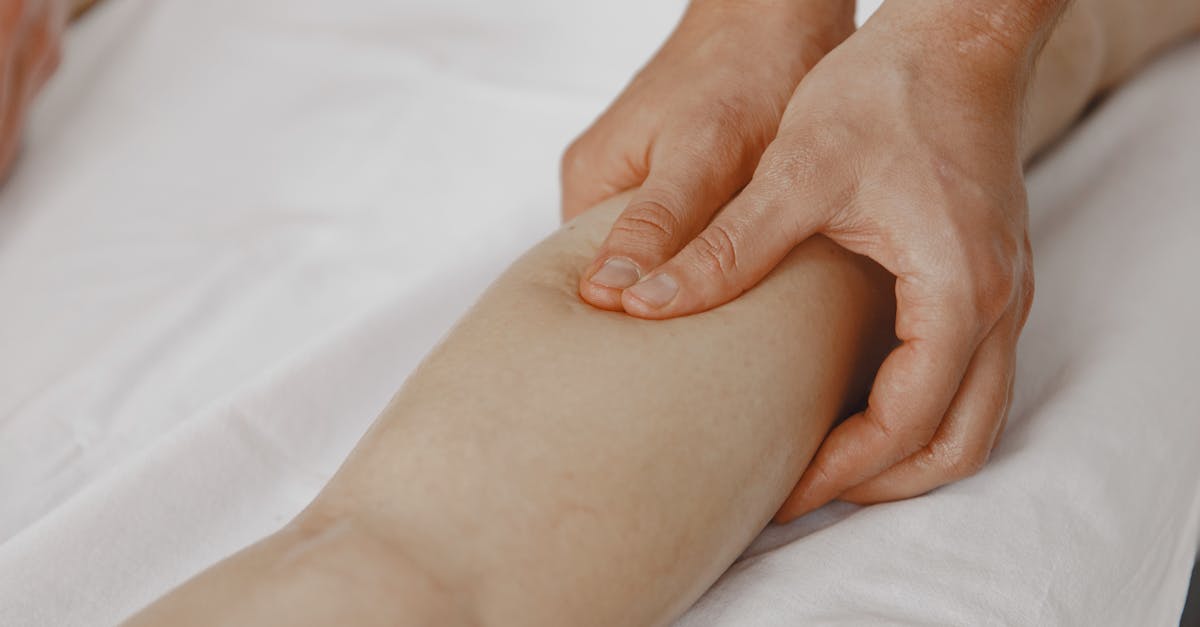
A leg massager for restless legs works by introducing continuous, low-level movement through oscillating or vibrating motion, helping interrupt the nerve signals and circulatory stagnation that trigger RLS symptoms. The most effective options use oscillation technology to keep blood moving through the lower legs and feet during periods of inactivity when symptoms are worst. FDA-registered therapeutic massagers designed for the lower body are built for people managing RLS who need consistent, hands-free relief during evening or nighttime hours. A published 4-week randomized controlled study (PMC7117678) found significant improvement in RLS symptom severity among participants using the MedMassager Foot Massager compared to a control group.
Restless legs syndrome has a way of hitting hardest at the worst possible time — right when you're finally sitting down after a long day, or lying in bed trying to fall asleep. The crawling, tingling, and overwhelming urge to move your legs can make rest feel impossible. If you've been searching for a leg massager for restless legs, you already know that movement helps — the challenge is finding something that delivers that relief consistently, without you having to keep getting up and walking around. This guide breaks down how leg and foot massagers work for RLS, what features actually matter, how MedMassager's clinical-study-backed foot massager compares, and how to build a simple daily routine that may reduce symptom frequency over time.
Why Restless Legs Feel the Way They Do
To choose the right massager, it helps to understand what's actually happening in the legs during an RLS episode. The sensations are real, neurological, and often made worse by specific physical conditions that a good massager can help address.
The Neurological Component
RLS is classified as a neurological sensorimotor disorder. Research points to dysfunction in dopamine pathways in the brain as a primary driver — specifically in the regions that control leg movement. The brain sends misfired signals to the legs, producing sensations described as crawling, pulling, throbbing, or itching deep within the limb.
These signals intensify during rest and are temporarily relieved by movement — the defining characteristic that separates RLS from other leg discomfort conditions. The National Institute of Neurological Disorders and Stroke (NINDS) recognizes RLS as affecting a meaningful portion of the U.S. population, with symptoms ranging from mildly inconvenient to severely disruptive of sleep and daily function. Severity can vary night to night, often worsening with stress, caffeine, certain medications, and prolonged inactivity.
The Circulatory Component
While RLS originates neurologically, there is a well-documented circulatory component that makes symptoms worse. During extended periods of sitting or lying still — exactly when RLS symptoms peak — blood flow to the lower extremities slows. Venous blood that should be returning upward toward the heart begins to pool in the legs and feet, and this circulatory sluggishness appears to amplify nerve irritability.
This is the physiological gap that a therapeutic leg massager is designed to address. By introducing rhythmic movement to the lower legs and feet, a massager keeps blood circulating during the stillness that would otherwise let it pool — reducing one of the key physical triggers that makes RLS episodes worse.
The Iron and Dopamine Connection
Iron deficiency is one of the most common secondary contributors to RLS. Iron is a precursor to dopamine production, and low iron levels can directly worsen the dopamine dysfunction driving symptoms. If you haven't had your serum ferritin levels checked, it's worth discussing with your doctor — this is a treatable contributing factor.
Massagers address the circulatory and movement components of RLS but do not address iron deficiency, so these interventions work best alongside appropriate medical care.
How a Leg Massager Helps with Restless Legs
The mechanism behind massager-based RLS relief is straightforward: continuous oscillation introduces low-level movement in the legs, helping prevent the prolonged stillness that allows symptoms to intensify. Here's how that works across the specific phases when RLS hits hardest.
Interrupting the Stillness Cycle
RLS follows a predictable pattern — symptoms appear during inactivity, force movement, and temporarily resolve. The problem is that relief from walking or pacing is short-lived, and you eventually have to return to rest. A foot or leg massager that runs continuously can substitute passive movement for the active movement your legs are demanding.
The oscillating platform keeps muscles contracting and relaxing in a low-level rhythm, signaling to the nervous system that the limbs are not fully at rest. For many people with RLS, this is enough to delay or reduce the intensity of an episode during evening hours.
Supporting Venous Return
One of the most clinically relevant effects of foot and lower leg oscillation is its impact on venous blood return. When the foot and calf muscles contract — even passively, driven by a massager's oscillating surface — they activate what's called the calf muscle pump. This mechanism pushes blood upward through the deep venous system, counteracting the pooling that accumulates during stillness.
Reduced venous pooling means less nerve irritation in the lower extremity tissue, which is directly relevant to RLS symptom management. This is why the most effective massagers for RLS focus specifically on the foot and lower calf — these are the anatomical pump sites where rhythmic movement has the greatest effect on blood moving upward through the leg.
The Clinical Evidence
MedMassager is the only foot massager with a published clinical study on RLS. In the 4-week randomized controlled study (PMC7117678), participants using the MedMassager Foot Massager experienced significant improvement in RLS symptom severity scores compared to the control group. This is the kind of evidence most massager brands cannot point to — making it a meaningful differentiator for buyers who want more than marketing claims.
The study supports using a therapeutic foot massager for restless legs as a non-pharmacological complement to medical management, not as a standalone cure or treatment.
What to Look for in a Leg Massager for Restless Legs
Not all massagers are built the same, and the differences matter significantly for RLS. Below is a breakdown of the features that separate effective options from products that may disappoint.
Oscillation vs. Standard Vibration
Most consumer-grade leg and foot massagers use simple vibration — a motor creating rapid back-and-forth buzz. This can feel stimulating on the surface but doesn't penetrate deeply enough to activate the calf muscle pump effectively. Oscillation is a different mechanical action: a rotating disc or platform that moves the entire foot and lower leg through a controlled arc, producing deeper engagement of the muscle tissue beneath the skin.
MedMassager's Foot Massager uses oscillating technology rated at up to 3,700 RPM, delivering professional-grade movement that clinics and physical therapy practices have used for years. For RLS specifically — where the target is circulatory and neuromuscular — oscillation is the more appropriate technology.
Variable Speed Control
RLS symptoms vary in intensity. On a difficult night, you may need more aggressive oscillation to override strong nerve signals. On a milder evening, lower settings may be enough to maintain comfortable circulation.
A massager with a broad, controllable speed range gives you the flexibility to match intensity to symptom severity. Look for at least 5–7 distinct speed settings or a smooth variable dial — fixed single-speed massagers are too limited for RLS management.
Hands-Free Operation
This is non-negotiable for RLS use. Symptoms typically strike during evening relaxation or when you're in bed, and holding a handheld massager against your own legs for 20–30 minutes is neither practical nor restful. The best leg massagers for restless legs are platform-style foot and lower leg units that you simply rest your feet on — no hands required, no awkward positioning.
Build Quality and Session Duration
RLS management often requires extended use — sessions of 20 to 30 minutes or longer, potentially multiple times per day. Consumer-grade massagers with plastic gearboxes and light-duty motors are not built for sustained daily use at meaningful speeds. Look for:
- A durable motor rated for extended operation
- A wide, stable platform that accommodates both feet simultaneously
- A low-profile design that works on a couch, recliner, or at a desk
- An FDA-registered classification, which signals that the product meets minimum safety and quality standards as a medical device
Compression Leg Massagers: Worth It for RLS?
Air compression leg massagers — sleeve-style wraps that inflate and deflate around the calves and thighs — are a popular category marketed for RLS. They work by applying sequential pressure to promote venous return and can be effective for pure circulation support. But they have a notable limitation for RLS: the compression-release cycle is slow and intermittent, not continuous.
RLS responds best to continuous rhythmic movement, not periodic pressure pulses. Compression units also restrict movement, which some people with RLS find aggravating. An oscillating platform massager provides continuous stimulation that more closely mimics the movement pattern that naturally relieves RLS.
MedMassager vs. Other Leg Massager Options
Here's how the main categories of leg massagers for restless legs compare across the criteria that matter most for RLS management.
MedMassager Foot Massager
The MedMassager Foot Massager is a professional-grade oscillating platform with 11 speed settings, a rotating oscillating disc, and up to 3,700 RPM of therapeutic movement. It's the only foot massager with a published clinical RLS study, FDA-registered as a Class I medical device, and built for sustained daily use on a wide, low-profile platform that accommodates both feet.
It's the strongest evidence-backed choice in this category and the one most comparable to what you'd find in a physical therapy or medical clinic setting. You can explore the full product details on the MedMassager foot massager collection page.
Handheld Percussion and Vibration Massagers
Handheld massagers — including percussion guns and vibrating wand styles — require active effort to use. You hold them against the leg, which means you can't fully relax during a session. They're useful for targeted muscle soreness but poorly suited for RLS, which requires sustained, hands-free stimulation over extended periods.
They also produce surface-level vibration rather than the deeper oscillating movement that engages the calf pump mechanism — a meaningful gap for anyone managing RLS symptoms.
Heated Leg Wraps and Pads
Heat can temporarily relax muscle tension and may provide mild symptom relief for some RLS sufferers. However, heat alone does not address the circulatory component of RLS and provides no mechanical movement stimulus. Heated wraps are best used as a complement to oscillation, not a replacement. Some people find that combining heat and massager use in the evening produces better results than either alone.
Air Compression Boots
Compression sleeves deliver sequential venous compression and can support circulation effectively in recovery contexts — post-workout or post-surgery edema, for example. For active RLS management during evening rest, the intermittent compression cycle is less effective than continuous oscillation, and the restrictive fit can be uncomfortable for people who need to move their legs freely.
How to Use a Leg Massager for Restless Legs
Getting consistent results from a massager for RLS requires more than occasional use. A structured routine — timed to when your symptoms typically peak — produces better outcomes than reactive, as-needed sessions.
Evening Pre-Symptom Session
Most people with RLS experience symptoms beginning in the late afternoon or evening, before full nighttime onset. Starting a 20-minute oscillation session before symptoms peak — not after they've already begun — may help keep the nervous system calm and blood moving before the threshold that triggers an episode.
- Set the massager to a low or medium speed (start conservative, especially in early use)
- Run a 15–20 minute session while seated comfortably — on the couch, in a recliner, or at a desk
- Increase speed if symptoms are beginning to emerge
- Keep feet flat on the oscillating platform throughout; avoid pressing down hard, which can dampen the movement
Bedtime Routine Integration
If nighttime symptoms are your primary challenge, incorporate the massager as part of a consistent wind-down routine. Use it for 20–30 minutes while in bed or immediately before lying down. Pairing the session with a warm bath or shower beforehand can help — heat pre-warms the muscle tissue and supports initial circulation, and the massager sustains that circulatory momentum once you're at rest.
Daytime Desk Use
RLS can strike during daytime sitting — at a desk, in a car, on a long flight. A platform-style foot massager works well under a desk and can run at lower speeds during work hours. This is also useful for people whose jobs require extended sitting, which is itself a circulatory risk factor that can prime the legs for worse evening RLS episodes.
Managing Intensity Over Time
Some people find that their effective speed setting shifts as the body adapts. Start at lower speeds in the first week and increase gradually. If symptoms are severe on a given night, higher speeds may be warranted — but avoid maximum intensity as your default, since progressive use tends to sustain results better than always running at peak oscillation.
The MedMassager Body Massager can complement a leg routine when upper leg and thigh discomfort is present alongside foot and calf symptoms.
Special Considerations for Specific RLS Populations
RLS in Pregnancy
Pregnancy-associated RLS is common, often linked to iron and folate deficiency as well as increased circulatory demand on the lower body. Many medications used for RLS are contraindicated during pregnancy, making non-pharmacological approaches especially relevant. A foot massager can be a practical option, but pregnant individuals should always consult their OB or midwife before beginning any new therapy involving the lower extremities, as some pressure points are contraindicated during pregnancy.
RLS and Peripheral Neuropathy
RLS and peripheral neuropathy can co-occur, particularly in people with diabetes or autoimmune conditions. Both involve abnormal nerve signaling in the lower extremities, though through different mechanisms. People managing both conditions may find that a therapeutic foot massager addresses overlapping symptoms — oscillating motion helps keep blood flowing through the feet when natural movement is limited, which benefits both circulatory and sensory nerve health.
Anyone with significant sensory loss in the feet should consult their physician before using a massager to ensure they retain appropriate sensation for feedback during use.
RLS in Older Adults
RLS prevalence increases with age, and older adults are also more likely to have secondary circulatory conditions that worsen symptoms — including chronic venous insufficiency and reduced cardiac output. A hands-free, seated platform massager is particularly well-suited for older adults because it requires no physical effort, no bending, and no held position.
The MedMassager therapeutic foot massager is used in nursing care and senior living contexts precisely because of this accessibility profile.
Frequently Asked Questions
Does a leg massager actually help with restless legs syndrome?
Research suggests that massagers delivering continuous oscillation or rhythmic movement to the lower legs can reduce RLS symptom severity, particularly when used during periods of inactivity when symptoms typically peak. A published 4-week randomized controlled study (PMC7117678) found significant improvement in RLS symptom scores among participants using the MedMassager Foot Massager compared to a control group. Massagers are most effective as a complement to medical management, not as a standalone treatment.
What type of leg massager is best for restless legs?
Platform-style oscillating foot massagers are generally the most effective option for restless legs because they provide continuous, hands-free stimulation that mimics the movement the nervous system is demanding. They engage the calf muscle pump to support venous blood return, which addresses the circulatory component of RLS. Air compression massagers and handheld devices can offer supplemental support but are less suited as primary RLS management tools.
How long should I use a leg massager for RLS relief?
Most people benefit from 20–30 minute sessions, ideally timed before peak symptom onset rather than after symptoms have already intensified. Starting a session in the early evening — before the typical RLS window — may help keep circulation active and reduce episode severity. Daily consistency tends to produce better results than occasional use.
Can I use a leg massager every day for restless legs?
Yes — daily use is appropriate and generally encouraged for people managing RLS. A therapeutic foot massager designed for sustained use can run one or more sessions per day without issue. Starting at lower speeds and building up gradually is recommended, particularly for new users or those with additional lower extremity sensitivities.
Why do my restless legs get worse when I sit still?
RLS symptoms intensify during inactivity because stillness allows blood to pool in the lower extremities, which amplifies nerve irritability in the affected tissue. At the same time, the dopamine pathway dysfunction underlying RLS sends misfired movement signals to the legs that build in intensity without motor activity to discharge them. Movement — whether active walking or passive mechanical oscillation — temporarily interrupts both the circulatory pooling and the neurological signal cycle.
Is a vibrating foot massager the same as an oscillating one?
Vibration and oscillation describe related but mechanically different actions. Standard vibration produces rapid surface-level buzzing that stimulates skin and superficial tissue. Oscillation uses a rotating motion that moves the entire foot through an arc, engaging deeper muscle tissue and more effectively activating the calf pump mechanism. For RLS management, oscillation provides more relevant physiological effects than surface vibration alone.
Should I use a leg massager before or after symptoms start?
Using a massager before symptoms begin — as a proactive, timed session during the hours when RLS typically emerges — tends to be more effective than waiting until symptoms are fully active. Once an RLS episode is underway, a massager can still provide relief, but the nervous system is already more activated and may require higher intensity settings to produce a calming effect. Consistent pre-symptom use is the more effective long-term strategy.
The Bottom Line
For people managing restless legs syndrome, a leg massager for restless legs is one of the most practical non-pharmacological tools available — particularly a platform-style oscillating massager that delivers continuous, hands-free movement during the evening and nighttime hours when symptoms peak. The mechanism is grounded in physiology: oscillation keeps blood moving through the lower legs, activates the calf pump, and introduces the low-level movement stimulus the RLS nervous system is demanding.
MedMassager's Foot Massager stands apart in this category as the only option with a published clinical RLS study, professional-grade oscillation up to 3,700 RPM, 11 variable speed settings, and FDA-registered Class I medical device status. It's built for sustained daily use, not occasional relief.
If you're ready to find a massager designed specifically for therapeutic lower-leg use, explore the full range of MedMassager therapeutic foot massagers — or browse all MedMassager products to find the right fit for your full-body needs.
This content is for informational purposes only and is not intended as medical advice, diagnosis, or treatment. Always consult a qualified healthcare professional before starting any new treatment or therapy. MedMassager products are FDA-registered Class I medical devices.


