
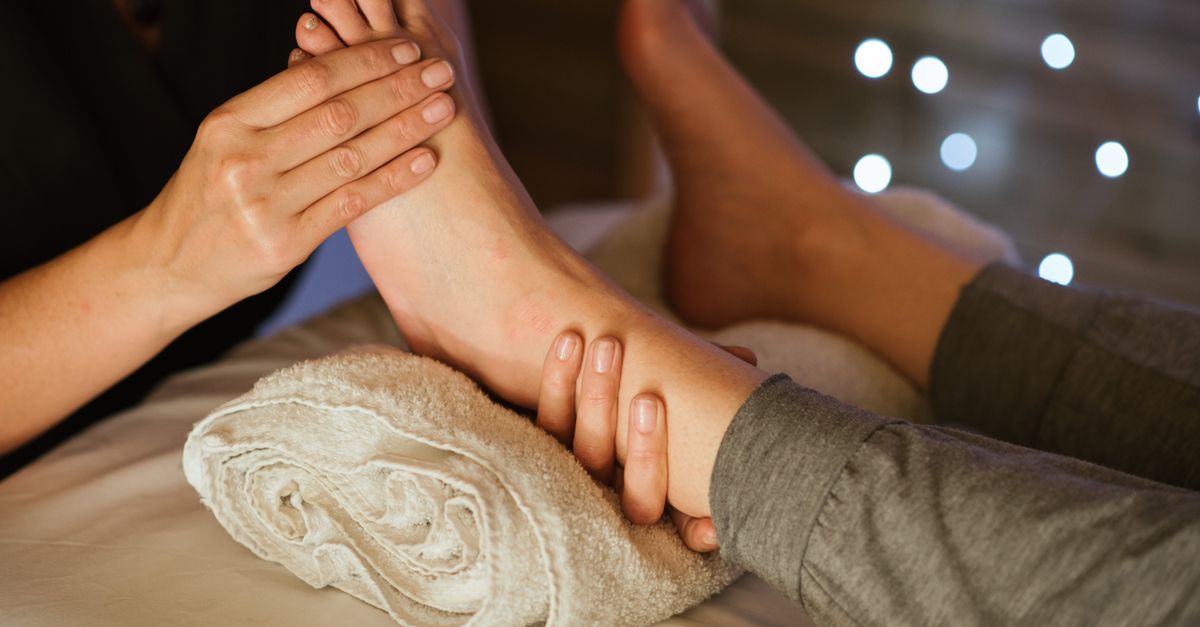
Ball of foot massage involves applying targeted pressure and movement to the metatarsal region — the padded area just behind the toes — to stimulate blood flow, relieve pressure on compressed nerves and joints, and reduce muscle tension in the forefoot. This area bears significant weight-bearing stress, making it one of the most commonly sore spots on the foot. Regular massage of the ball of the foot can help ease discomfort associated with metatarsalgia, Morton's neuroma, capsulitis, and general forefoot fatigue. Massage works by increasing local circulation, loosening tight intrinsic foot muscles, and reducing inflammation-related pressure on the metatarsal heads.
You know the feeling. A long day on your feet ends with that familiar burning, aching pressure right behind your toes — the kind that makes you want to pull your shoes off the second you walk through the door. Ball of foot pain is one of the most common foot complaints, and for good reason: the metatarsal region absorbs the equivalent of several times your body weight with every step. Ball of foot massage targets exactly this area, offering real, measurable relief by addressing the circulation, muscle tension, and nerve pressure that accumulate there throughout the day. Whether your discomfort is tied to a specific condition like metatarsalgia or simply long hours on hard surfaces, this guide covers what's actually happening in your forefoot, how massage helps, and how to get the most out of it — with your hands, a tool, or a therapeutic massager.
Why the Ball of Your Foot Hurts
The ball of the foot isn't a single structure — it's a complex intersection of bones, joints, nerves, and soft tissue that all share the same narrow real estate. Understanding what's happening beneath the surface makes it easier to target the right treatment.
The Anatomy of the Forefoot
The metatarsals are the five long bones that run from the midfoot toward the toes. Their rounded heads, which sit just behind the toe joints, form the structure you feel when you press on the ball of your foot. Between and around these bones run the digital nerves, plantar plate ligaments, flexor tendons, and a thin but critical layer of fatty padding that protects the metatarsal heads from ground impact.
The second and third metatarsal heads typically bear the most load during the push-off phase of walking, which explains why pain in this region so often centers between the second and third toes. When footwear, foot mechanics, or body weight shifts excess pressure onto these heads, the surrounding soft tissue responds with inflammation.
What Is Metatarsalgia?
Metatarsalgia is the clinical term for pain and inflammation in the ball of the foot, specifically around the metatarsal heads. It isn't a single condition so much as a symptom cluster — the result of overloaded forefoot structures. According to the Mayo Clinic, metatarsalgia commonly presents as a sharp, aching, or burning pain in the ball of the foot that worsens with standing, walking, or flexing the toes.
Common contributing factors include:
- High-impact activities like running or jumping that increase forefoot load
- Poorly fitted footwear, especially high heels that shift weight forward onto the metatarsal heads
- High-arched feet, which concentrate pressure on a smaller forefoot surface area
- Hammer toes or bunions, which alter how weight distributes across the forefoot
- Excess body weight increasing overall ground reaction force
- Age-related thinning of the protective fat pad under the metatarsal heads
Related Conditions in the Forefoot
Metatarsalgia often overlaps with or is confused with other forefoot conditions. Morton's neuroma involves thickening of the nerve tissue between the third and fourth metatarsal heads, producing a burning or "pebble in the shoe" sensation. Plantar plate tears affect the ligament underneath the metatarsophalangeal joint and can cause the second toe to drift upward over time. Sesamoiditis involves inflammation of the two small bones embedded in the tendons beneath the first metatarsal head — a common complaint among dancers and runners.
Each of these conditions shares a common driver: chronic mechanical stress concentrated in a small area with limited room for blood to move freely through compressed tissue.
How Ball of Foot Massage Relieves Pain
Massage addresses forefoot pain through several overlapping mechanisms. The effects aren't cosmetic — they reflect real changes in local tissue physiology that accumulate with consistent use.
Increasing Local Circulation
The metatarsal region sits at the far end of the circulatory loop, making it one of the first areas where blood flow becomes sluggish when you're sedentary or when compression reduces vascular movement. Mechanical pressure and movement applied to the ball of the foot stimulates local blood vessels, encouraging fresh, oxygenated blood to move into the tissue while pushing metabolic waste products — the byproducts of inflammation — out.
This is particularly relevant for people managing conditions like diabetes or peripheral neuropathy, where reduced circulation to the extremities is a known concern. Repeated foot motion activates the calf muscles, pushing blood upward instead of letting it pool in the feet — a mechanism that compounds the direct circulatory effect of forefoot massage itself.
Loosening Intrinsic Foot Muscles
The foot contains more than 20 intrinsic muscles — small muscles that originate and insert entirely within the foot itself. These muscles support the arch, control toe movement, and stabilize the metatarsophalangeal joints during weight-bearing. In people who spend long hours in shoes or on hard floors, these muscles become chronically shortened and tension-loaded.
Massage to the ball of the foot directly works the lumbrical and interosseous muscles, which run between the metatarsals. Releasing tension in these muscles reduces the compressive force they place on the metatarsal heads and the nerves that pass between them — directly addressing the mechanical cause of forefoot pain.
Reducing Nerve Pressure
The digital nerves that run between the metatarsal heads are vulnerable to compression from swollen soft tissue and tight interosseous muscles. When inflammation causes surrounding tissue to expand in a space-constrained environment, nerve tissue bears the pressure. Massage helps by reducing edema in the forefoot and loosening the soft tissue that compresses these nerve pathways, which can reduce the characteristic burning or tingling sensation associated with conditions like Morton's neuroma and metatarsalgia.
Redistributing the Fat Pad
While massage cannot regenerate lost fat pad tissue — a common problem with age and certain inflammatory conditions — it can redistribute existing soft tissue more evenly across the metatarsal heads. Gentle kneading and pressure help mobilize the fascia and connective tissue surrounding the fat pad, preventing it from adhering or bunching unevenly, which can itself create localized pressure points.
Choosing the Right Massage Approach
There's more than one way to massage the ball of your foot, and the best method depends on the severity of your discomfort, whether you're managing a specific condition, and how much effort you want to put in daily.
Manual Self-Massage
Manual massage gives you the most direct tactile feedback. You can adjust pressure in real time and target specific metatarsal heads or the spaces between them. The basic technique involves using both thumbs to apply firm, circular pressure across the metatarsal heads, then stroking upward toward the ankle with flat palm pressure to encourage venous return.
The limitation is fatigue — both yours and the result. It's difficult to sustain consistent pressure long enough to produce a meaningful circulatory effect, and the technique requires flexibility to comfortably reach your own foot for extended periods.
Massage Tools and Balls
Lacrosse balls, golf balls, and purpose-built foot rollers apply targeted pressure to the forefoot without requiring hand strength. Rolling the ball of the foot over a firm ball while seated engages the plantar surface across the full metatarsal width and can be sustained for longer periods than manual massage.
For Morton's neuroma or capsulitis flare-ups, firm ball pressure directly over the inflamed area may be too aggressive. In those cases, a softer therapy ball or simple plantar rolling with reduced body weight is more appropriate.
Therapeutic Foot Massagers
For people who need consistent, hands-free forefoot massage — especially those managing diabetes, neuropathy, or metatarsalgia long-term — a therapeutic foot massager offers a significant practical advantage. A quality oscillating foot massager delivers continuous mechanical movement through the entire plantar surface, including the metatarsal region, without requiring any effort on the user's part.
MedMassager's Foot Massager uses oscillating technology to deliver deep, controlled movement through the forefoot, heel, and arch simultaneously. Oscillating motion keeps blood flowing through the foot instead of settling during rest — addressing both the circulatory and soft-tissue components of forefoot pain. This makes it particularly practical for anyone who needs longer massage sessions than manual techniques realistically allow.
When evaluating foot massagers for metatarsalgia or forefoot pain, consider:
- Surface coverage — does the platform reach the full metatarsal width?
- Speed range — a variable-speed device allows you to start gently and increase intensity as tissue warms
- Oscillation vs. simple vibration — oscillation produces a broader, deeper movement pattern through the foot rather than surface-level buzzing
- FDA registration — for medical-condition use, an FDA-registered Class I medical device provides a meaningful quality benchmark
A Practical Ball of Foot Massage Routine
Consistency matters more than intensity. A daily 10–15 minute routine targeting the forefoot will produce more cumulative relief than aggressive weekly sessions. Here's a structured approach that works whether you're using your hands, a tool, or a therapeutic massager.
Warm-Up: Preparing the Tissue
- Soak your feet in warm water for 5 minutes, or apply a warm towel to the forefoot before beginning. Warm tissue is more pliable and responds better to mechanical pressure.
- Begin with broad, flat-palm strokes from the toes to the ankle — 10 slow passes per foot. This encourages initial venous return and prepares the tissue for deeper work.
- Gently mobilize each toe through its full range of motion: 5 slow circles in each direction per toe. This warms the metatarsophalangeal joints before pressure is applied.
Primary Metatarsal Massage Technique
- Using both thumbs, apply firm circular pressure to each metatarsal head — the rounded bumps you can feel just behind the base of each toe. Work from the first (big toe side) to the fifth (pinky side) in sequence.
- Apply 8–10 slow circles per metatarsal head, with enough pressure to feel the tissue compress but without sharp pain. A dull ache is acceptable; sharp or burning pain signals too much pressure.
- Use your index finger knuckle to apply direct linear pressure along the grooves between metatarsals (the interosseous spaces). Three slow passes per groove, moving from toe to midfoot.
- Finish each foot with broad effleurage strokes — flat palm from ball of foot to ankle — to encourage fluid movement up the leg.
If Using a Therapeutic Foot Massager
- Start at the lowest speed setting for the first 2–3 minutes to allow tissue to acclimate to the oscillating movement.
- Position the forefoot — the ball of the foot specifically — over the active surface. Most oscillating platforms cover the full plantar surface, so forefoot, arch, and heel receive simultaneous stimulation.
- Session duration of 10–15 minutes daily is appropriate for general maintenance. For active metatarsalgia flare-ups, start with 5–8 minutes and observe how tissue responds before extending.
- Increase speed gradually across sessions rather than jumping to maximum intensity, particularly if you're managing nerve sensitivity from neuropathy or neuroma.
Post-Massage Care
After massage, apply a small amount of foot moisturizer or massage oil to the plantar surface and let the feet rest elevated for 5–10 minutes. Elevating the feet above heart level after a massage session supports venous drainage and extends the circulatory benefit of the massage itself. Avoid wearing constrictive footwear immediately after — give the tissue 20–30 minutes before re-loading it.
Special Considerations by Population
Diabetes and Peripheral Neuropathy
People managing diabetes should perform a thorough visual inspection of the feet before every massage session. Reduced sensation from peripheral neuropathy means pressure-related injuries may not be felt in real time. Use moderate pressure only — avoid aggressive deep-tissue techniques on the forefoot — and stop immediately if you notice any skin breakdown, blistering, or discoloration.
Consult your podiatrist or primary care physician before establishing a regular foot massage routine if you have diabetic peripheral neuropathy. For those cleared by their physician, a foot massager built for people managing diabetes provides consistent, controlled oscillating movement without the unpredictable pressure variation of manual massage — a meaningful advantage when sensory feedback is reduced.
Active Inflammation and Injury
Massage is generally not appropriate during the acute inflammatory phase of an injury — typically the first 48–72 hours after onset of sharp pain, visible swelling, or bruising. During this window, ice, rest, and elevation take priority. Massage during active inflammation can increase local blood flow to an already-inflamed area and worsen swelling. Once the acute phase passes and swelling is stable, gentle massage can resume with light pressure.
Older Adults
Age-related fat pad atrophy — the gradual thinning of the protective cushioning under the metatarsal heads — makes the forefoot more pressure-sensitive. Older adults should favor gentler pressure during manual massage and lower speed settings on oscillating devices. The frequency of sessions can remain the same, but intensity should be calibrated to comfort rather than a standard protocol.
Frequently Asked Questions
What causes pain in the ball of the foot?
Ball of foot pain most commonly results from excess mechanical pressure on the metatarsal heads — the rounded ends of the long bones behind the toes. Contributing factors include high-impact activity, poorly fitted footwear, high arches, hammer toes, and age-related thinning of the protective fat pad. Specific conditions associated with this area include metatarsalgia, Morton's neuroma, plantar plate tears, and sesamoiditis.
How often should I massage the ball of my foot?
Daily massage of 10–15 minutes produces better cumulative results than infrequent, longer sessions. For general forefoot fatigue and mild metatarsalgia, once daily — particularly in the evening after extended weight-bearing — is a practical and effective frequency. If you're managing an active flare-up, shorter sessions (5–8 minutes) twice daily may be more comfortable than a single longer session.
Is it safe to massage the ball of my foot if I have Morton's neuroma?
Gentle massage is generally considered safe and may help reduce soft-tissue pressure around the affected nerve, but technique matters significantly. Direct, firm pressure applied exactly over the neuroma site can aggravate symptoms. Instead, focus pressure on the interosseous spaces between the metatarsals and use broad, light strokes across the forefoot rather than targeted point pressure. Always consult a podiatrist before beginning a massage routine if you have a confirmed Morton's neuroma diagnosis.
What is the difference between metatarsalgia and general foot soreness?
General foot soreness typically presents as diffuse fatigue across the entire foot and resolves quickly with rest. Metatarsalgia is more specific — it presents as burning, aching, or sharp pain localized to the ball of the foot, particularly around the metatarsal heads, and often intensifies when walking barefoot on hard surfaces or pushing off during walking. If forefoot pain persists beyond a few days of rest, worsens with activity, or is accompanied by numbness or tingling, evaluation by a healthcare provider is warranted.
Can ball of foot massage help with plantar fasciitis?
Plantar fasciitis primarily affects the heel and the plantar fascia that runs along the arch, but tension throughout the plantar surface — including the forefoot — is common in people with the condition. Massaging the ball of the foot can help reduce overall plantar tension and improve forefoot mobility, which may reduce compensatory stress on the fascia. However, direct treatment for plantar fasciitis should focus on the heel and midarch, and massage should be combined with stretching and appropriate footwear modifications.
Does a foot massager help with ball of foot pain?
An oscillating therapeutic foot massager can be an effective tool for ball of foot pain because it delivers consistent mechanical movement through the entire plantar surface — including the metatarsal region — without requiring manual effort. This makes longer daily sessions more sustainable than hand massage alone, which matters for conditions that respond to cumulative, repeated stimulation. For best results, choose a device with variable speed settings so you can calibrate intensity to your comfort level, particularly during flare-ups.
Should I see a doctor about ball of foot pain?
You should seek evaluation from a podiatrist or orthopedic specialist if forefoot pain is severe, persists longer than two weeks despite rest and conservative care, is accompanied by significant swelling or visible deformity, or involves numbness, tingling, or a feeling of walking on a pebble that doesn't resolve. These signs may indicate conditions — such as a plantar plate tear, Morton's neuroma, or stress fracture — that require imaging and targeted clinical treatment beyond self-massage.
The Bottom Line
Ball of foot massage works because it directly addresses the three main drivers of forefoot pain: restricted blood flow, compressed nerve tissue, and chronically tight intrinsic foot muscles. Done consistently — whether with your hands, a therapy ball, or an oscillating therapeutic foot massager — it produces real, cumulative relief that rest alone doesn't provide.
For most people, a 10–15 minute daily routine targeting the metatarsal region is enough to make a meaningful difference in how their feet feel by end of day. Pair it with well-fitted footwear and attention to the underlying factors driving your forefoot load, and you're addressing the problem at multiple levels rather than just managing symptoms.
If you're looking for a hands-free option that covers the full plantar surface — including the ball of the foot — explore MedMassager's foot massager collection. Each device is an FDA-registered Class I medical device built for people who need consistent, reliable therapeutic movement — not just a consumer wellness gadget.
This content is for informational purposes only and is not intended as medical advice, diagnosis, or treatment. Always consult a qualified healthcare professional before starting any new treatment or therapy. MedMassager products are FDA-registered Class I medical devices.


