
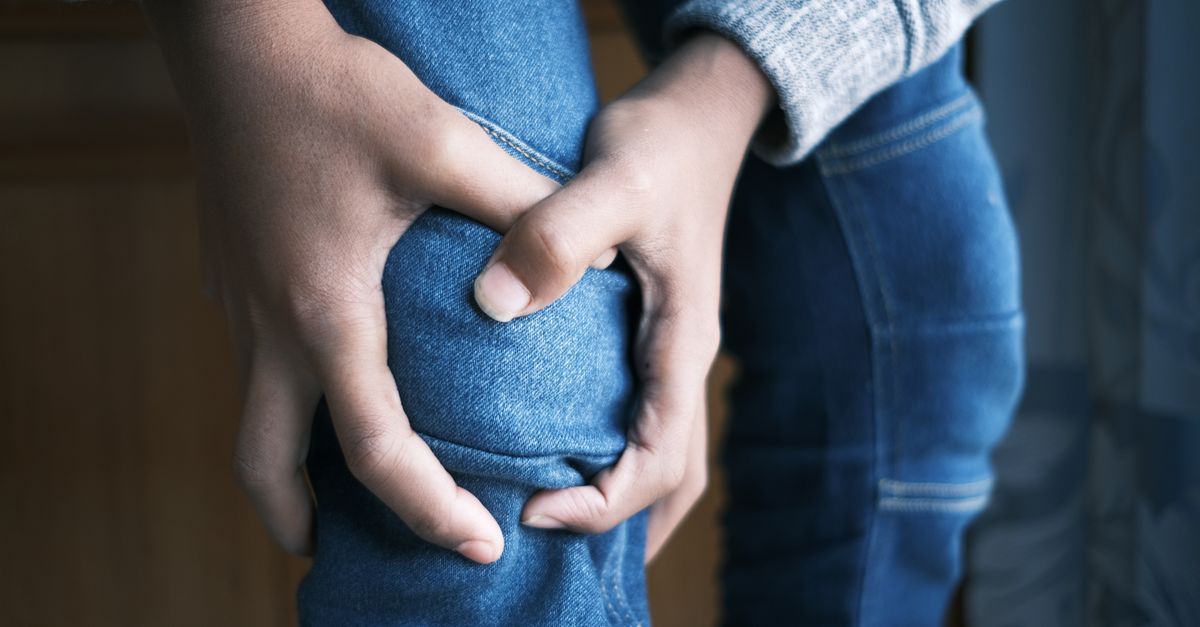
Baker's cyst massage is safe only when it avoids the back of the knee, because direct pressure on the fluid-filled cyst can increase pain and press on the nerves and blood vessels that run through that space. Gentle movement and light massage on the thigh and calf are reasonable once a doctor has examined the leg. A burst Baker's cyst can cause calf swelling, warmth, and redness that look like a blood clot, so those symptoms need same-day medical care before any massage. Massage does not drain or remove the cyst, which returns as long as the underlying knee problem keeps producing excess fluid.
You notice a tight, rounded bulge behind your knee, and bending it all the way feels like something is in the way. Your first instinct might be to try a Baker's cyst massage, rubbing it out the way you would a knot in your shoulder. Before you press on anything, it helps to understand what that lump is, why pressing on it is a poor idea, and which symptoms mean you should skip the massage and call your doctor today.
This guide is for anyone who has been told they have a Baker's cyst, suspects they might, or is living with knee arthritis or a meniscus injury and wants to keep the leg comfortable without making things worse. Safety comes first here: the most serious risk with a Baker's cyst is a rupture that mimics a blood clot, and massage on the wrong leg at the wrong time is not something to gamble on. Below, you'll find what causes the cyst, where massage fits and where it doesn't, the red flags to watch for, and a cautious seated routine for keeping your calves moving once a clot has been ruled out.
What Is a Baker's Cyst?
A Baker's cyst, also called a popliteal cyst, is a pocket of fluid that forms behind the knee. Mayo Clinic describes it as a fluid-filled cyst that causes a bulge and a feeling of tightness behind the knee. The cyst itself is rarely the root problem. It is a sign that something inside the knee joint is irritated.
Where the Fluid Comes From
Your knee joint is lined with synovial membrane, which produces synovial fluid to lubricate the joint surfaces. When the joint is inflamed or damaged, it can produce more fluid than it needs. That extra fluid gets pushed backward into a small sac, or bursa, that sits between the calf muscle (gastrocnemius) and one of the hamstring tendons.
The connection between the joint and the bursa often works like a one-way valve. Fluid flows into the sac but does not easily flow back out. As a result, the sac swells and becomes the bulge you can see or feel in the popliteal fossa, the shallow hollow at the back of the knee.
Conditions Linked to Baker's Cysts
Because the cyst reflects a problem inside the knee, it typically shows up alongside another diagnosis:
- Osteoarthritis of the knee, where worn cartilage drives ongoing joint irritation
- Rheumatoid arthritis and other inflammatory types of arthritis
- Meniscus tears, which damage the cartilage cushions between the thigh bone and shin bone
- Other cartilage injuries or knee trauma
- Gout affecting the knee
This link matters for massage decisions. No amount of rubbing will stop a knee from overproducing fluid, so the cyst tends to return until the underlying arthritis or meniscus problem is managed.
Typical Symptoms
A small Baker's cyst may cause no symptoms at all. Larger cysts can create a sense of fullness or tightness behind the knee, stiffness, and discomfort when you fully bend or straighten the leg. Symptoms often feel worse after standing for long periods or after activity that loads the knee.
Is Baker's Cyst Massage Safe?
Massage around a Baker's cyst can be safe, but massage directly on it generally is not. The distinction comes down to location. The back of the knee is a crowded, vulnerable area, and the cyst sits right in the middle of it.
Why Direct Pressure Behind the Knee Is a Bad Idea
The popliteal fossa has very little muscle padding. Several structures pass through it close to the surface, which makes it a caution zone for massage even in people without a cyst:
- The popliteal artery, the main blood supply to the lower leg
- The popliteal vein, which carries blood back up from the calf and foot
- The tibial nerve and common fibular (peroneal) nerve
- Lymph nodes that drain the lower leg
Pressing into a fluid-filled sac in that space adds strain where nothing is built to absorb it. Deep pressure can increase pain, irritate the nerves, and put stress on a cyst wall that is already stretched. Pushing on the cyst also does not move the fluid out in any lasting way, because the knee keeps refilling it.
If you've read guides on popliteus massage for back-of-knee tightness, set those deep, targeted techniques aside while a cyst is present. The popliteus muscle sits in the same space, and working on it means pressing exactly where the cyst lives.
What Gentle Massage Can Look Like
Once your doctor has examined the knee and confirmed there is no clot, light massage on the surrounding muscles is a reasonable option to discuss. That means gentle strokes on the front and sides of the thigh and on the calf muscle below the knee crease, staying well clear of the bulge. Keep the pressure light, and stop if you feel pain behind the knee or any change in the cyst. A physical therapist can show you which areas are fine to work on for your specific knee.
The Red Flag: A Burst Cyst
The single most important safety issue with a Baker's cyst is rupture. When a cyst bursts, the fluid leaks down into the calf. The resulting symptoms can look almost identical to deep vein thrombosis (DVT), a blood clot in a deep vein of the leg.
What a Ruptured Cyst Looks Like
A rupture often causes a sudden, sharp pain behind the knee or in the calf. Over the following hours, the calf may swell, feel tight, turn warm to the touch, and look red. Bruising may also spread toward the ankle.
A large, intact cyst can also press on the popliteal vein and slow blood flow out of the lower leg. That means a Baker's cyst and a true blood clot can exist at the same time in the same leg.
Why You Can't Tell the Difference at Home
Calf swelling, warmth, redness, and pain are classic warning signs of DVT. A clot that breaks loose can travel to the lungs and cause a pulmonary embolism, which is a medical emergency. Because a burst cyst produces the same signs, the only way to know which one you have is a medical exam, usually with an ultrasound that can show both the cyst and the deep veins.
Massaging a leg that may hold an undiagnosed clot is something to avoid entirely. That applies to hands-on massage, massage tools, and any device that moves the leg.
What to Do the Same Day
If you have a known or suspected Baker's cyst and notice any of the following, stop all massage and get medical care the same day:
- New swelling in the calf, especially in one leg only
- Warmth or redness spreading over the calf
- Sudden sharp pain behind the knee or in the calf
- A calf that feels tight, heavy, or tender when you flex your foot
Call emergency services right away if leg symptoms come with shortness of breath, chest pain, a rapid heartbeat, or coughing up blood.
How a Foot Massager Fits In Safely
Since the back of the knee is off-limits, the more useful question is how to keep the lower leg moving without touching the cyst at all. This is where a seated foot massager can play a supporting role, but only after a doctor has examined the leg and ruled out a blood clot.
Keeping the Calves Moving Without Touching the Knee
A Baker's cyst can make you less active. Knee pain discourages walking, and long stretches of sitting leave the calf muscles still. The calf muscles act as a pump for the lower leg: each time they contract, they squeeze the deep veins and push blood back toward the heart.
A foot massager works from the feet up, so it never presses on the popliteal fossa. Calf activation pushes blood upward, supporting blood flow around strained areas like the knee. For knees affected by arthritis or a meniscus injury, repeated muscle movement helps keep blood moving through the lower leg without stressing the joint.
Oscillation Versus Ordinary Vibration
Many foot massagers are sold as vibration massagers. MedMassager uses oscillating technology to deliver deeper, more controlled vibration than conventional massagers. Three features of the Foot Massager matter for a knee with a Baker's cyst:
- A circular oscillating motion that creates continuous, repetitive movement in the foot and calf
- An open, flat platform that your feet rest on while you sit upright
- Adjustable intensity settings, so you can start very low and increase only if your knee stays comfortable
MedMassager's therapeutic foot massagers are FDA-registered Class I medical devices. The higher settings are strong, which is the reason to start at the lowest one with a Baker's cyst. They support circulation in the lower leg; they do not shrink, drain, or treat the cyst.
If You've Had a Clot
A history of DVT changes the timeline. Ask your care team when movement-based tools are appropriate for you, and read our guide to using a foot massager after a DVT before you start. Your own doctor's clearance is the deciding factor, not any general guideline.
A Safe Baker's Cyst Massage Routine
This seated routine is a cautious starting point for after your doctor has confirmed there is no blood clot and has okayed gentle activity. Review it with your care team, and adjust based on how your knee responds.
- Check both legs first. Compare your calves for new swelling, warmth, or redness. If anything has changed since your last session, skip the routine and call your doctor.
- Sit upright in a firm chair. Choose a chair height that lets your knees rest at a comfortable bend without forcing them past the point where the back of the knee feels tight.
- Place your feet flat on the platform. Rest both feet on the Foot Massager platform with your heels down and your legs relaxed.
- Start at the lowest setting. Begin with about 10 minutes on the lowest intensity, once or twice a day.
- Watch the knee, not just the calf. Stop if you feel increased pressure behind the knee, a new pulling sensation, or pain that builds during the session.
- Increase gradually. If several sessions go smoothly, you can raise intensity by one level or extend sessions toward 15 minutes. Change only one variable at a time.
- Recheck afterward. Look at both calves again after each session. Any swelling, warmth, or redness is a reason to stop and seek same-day care.
Pair this with whatever your doctor or physical therapist has recommended for the knee itself, such as gentle range-of-motion exercises, ice for flare-ups, or treatment for the underlying arthritis. You can compare models in the MedMassager Foot Massager collection, or browse MedMassager's full lineup of therapeutic massagers if you also want a tool for other areas. For the lower leg, the Foot Massager is the product that oscillates from the feet up and keeps your hands and the device away from the back of the knee. The circular oscillating action creates continuous, repetitive movement in the foot and calf, which supports circulation during use.
Special Considerations Before You Start
Some situations call for extra caution or a conversation with your doctor before any massage near a Baker's cyst. Bring these up at your next appointment if they apply to you:
- You have a personal or family history of blood clots
- You recently had knee surgery, a joint injection, or cyst aspiration
- You take blood thinners, which can make bruising and bleeding into the calf more likely
- You have diabetes or peripheral neuropathy that reduces sensation in your feet
- Your cyst is growing, or the pain behind the knee is getting worse
Reduced sensation deserves particular attention, because you may not feel early warning signs. In that case, a visual check of both legs before and after any session becomes even more important.
Frequently Asked Questions
Can you massage a Baker's cyst away?
No, massage cannot remove a Baker's cyst. The fluid comes from the knee joint itself, and a one-way valve effect keeps refilling the sac as long as the joint is irritated. Lasting improvement depends on managing the underlying cause, such as arthritis or a meniscus tear.
Is it safe to massage the back of the knee with a Baker's cyst?
Direct massage on the back of the knee is not recommended with a Baker's cyst. The area contains the popliteal artery, popliteal vein, and major nerves with very little muscle protection, and pressure on the cyst can increase pain. Light massage on the thigh and calf away from the bulge is a safer option once a doctor has examined the leg.
What does a ruptured Baker's cyst feel like?
A ruptured Baker's cyst often causes sudden, sharp pain behind the knee or in the calf. The calf may then swell, feel tight, turn warm, and look red, sometimes with bruising near the ankle. These symptoms overlap with a blood clot and need same-day medical evaluation.
How can you tell a burst Baker's cyst from a blood clot?
You cannot reliably tell them apart at home because both cause calf swelling, warmth, redness, and pain. A doctor typically uses an ultrasound to check the cyst and the deep veins of the leg. Both conditions can also occur at the same time, so any new calf swelling needs prompt medical care.
Can I use a foot massager if I have a Baker's cyst?
A seated foot massager can be an option, but only after a doctor has ruled out a blood clot and cleared you for gentle activity. It works from the feet up, so the circular oscillating motion activates the calf muscles and pushes blood upward without any pressure on the back of the knee. Start at the lowest setting and stop if you notice calf swelling, warmth, or increased pain behind the knee.
Should I use ice or heat on a Baker's cyst?
Ice wrapped in a cloth and applied for short periods is a standard approach for reducing swelling and discomfort around the knee. Ask your doctor before using heat, since it can increase swelling in an inflamed joint. Never apply heat to a calf that is suddenly swollen, warm, or red until a clot has been ruled out.
The Bottom Line
A Baker's cyst is a pocket of excess joint fluid that signals an underlying knee problem, and pressing on it will not make it go away. Safe Baker's cyst massage means staying off the back of the knee, using only light pressure on the surrounding thigh and calf, and treating any calf swelling, warmth, or redness as a same-day medical issue.
Once your doctor has ruled out a blood clot, a seated foot massager offers a way to keep your calf muscles moving without touching the cyst. The circular oscillating action creates continuous, repetitive movement in the foot and calf, which supports circulation during use. Talk with your care team about whether that fits your plan, then explore MedMassager's seated foot massagers for lower-leg circulation when you're ready.
This content is for informational purposes only and is not intended as medical advice, diagnosis, or treatment. Always consult a qualified healthcare professional before starting any new treatment or therapy. MedMassager products are FDA-registered Class I medical devices.


