
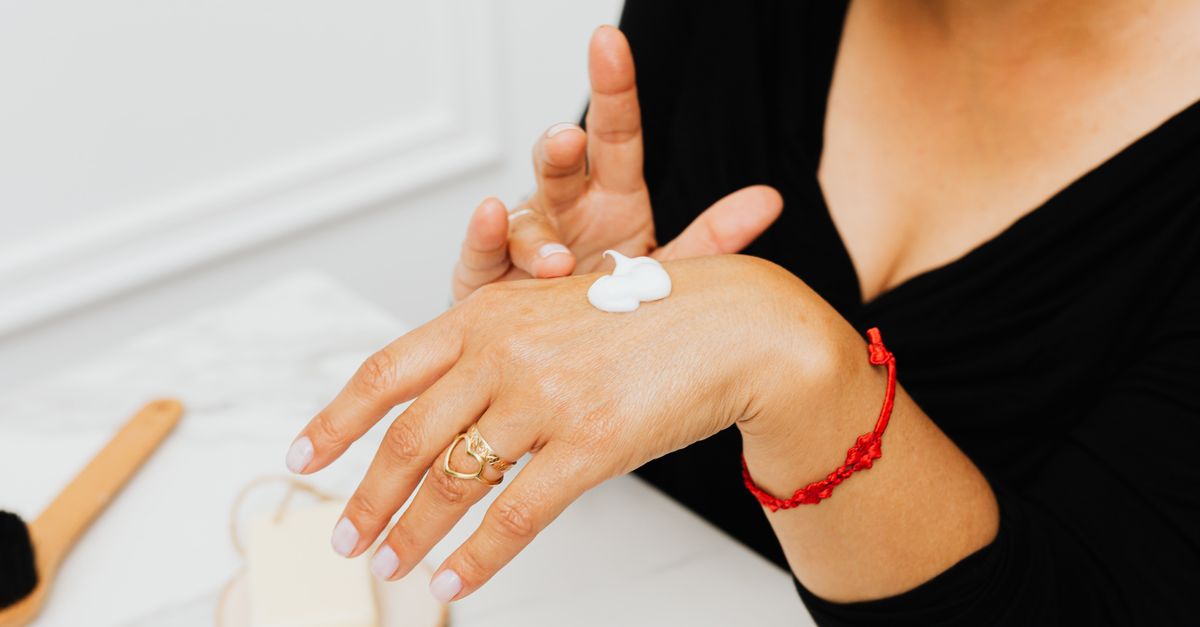
Para dar un masaje de manos, sostenga la mano del receptor con la palma hacia arriba entre las suyas, luego use sus pulgares para realizar movimientos lentos y circulares por toda la palma antes de pasar a cada dedo con movimientos suaves de tracción y compresión desde la base hasta la punta. Preste especial atención a los espacios interdigitales entre los dedos y a la almohadilla carnosa en la base del pulgar, ya que estas áreas acumulan una tensión significativa. Para alguien con artritis o articulaciones sensibles, use una presión más ligera y evite doblar los dedos más allá de su rango de movimiento cómodo. Un masaje de manos completo se puede realizar en 10 a 15 minutos y funciona mejor cuando la mano del receptor está caliente y relajada.
Estás sujetando la mano de alguien, pero esta vez, intentas que se sienta mejor. Ya seas un cuidador que apoya a un familiar con artritis, una pareja que ayuda a alguien a relajarse después de un largo día de agarres y tecleos, o simplemente alguien que quiere ofrecer un alivio real y práctico, saber cómo dar un masaje de manos correctamente marca la diferencia entre algo que se siente bien y algo que realmente hace bien.
Esta guía cubre cómo sostener y apoyar la mano, cómo trabajar la palma, la almohadilla del pulgar, los dedos individuales y los espacios interdigitales, y cómo ajustar la técnica cuando el receptor tiene artritis o sensibilidad en las articulaciones. Al final, encontrará una secuencia corta y repetible que puede usar cada vez.
Por qué las manos acumulan tanta tensión
La mano es una estructura notablemente compleja: 27 huesos, más de 30 músculos (muchos de los cuales se originan en el antebrazo) y una densa red de tendones, ligamentos y nervios comprimidos en un espacio pequeño. Antes de que tus pulgares hagan cualquier trabajo, es útil comprender con qué estás trabajando.
La mecánica de la tensión en las manos
La mayor parte de la tensión en las manos no se origina en la mano misma. Los flexores y extensores del antebrazo controlan la mayoría de los movimientos de los dedos y la muñeca, y cuando permanecen contraídos durante horas —mientras se escribe, se cocina, se usa un teléfono o se agarra un volante— los tendones que atraviesan el túnel carpiano transmiten esa tensión hasta las puntas de los dedos. Es por eso que un masaje de manos que solo cubre la palma pierde una parte significativa del panorama.
Los músculos intrínsecos de la mano —los lumbricales e interóseos anidados entre los huesos metacarpianos— también acumulan tensión, especialmente en personas que realizan trabajos de motricidad fina. Estos pequeños músculos rara vez se abordan en un masaje informal, pero a menudo son la fuente de ese dolor profundo y difícil de describir en la mitad de la mano.
Lo que la artritis cambia en la mano
Para los receptores que padecen artritis —particularmente osteoartritis o artritis reumatoide— la anatomía de la tensión cambia. La inflamación puede afectar el revestimiento sinovial de las articulaciones, haciendo que incluso una presión suave en el ángulo incorrecto sea agudamente dolorosa. Las articulaciones interfalángicas proximales y distales a lo largo de cada dedo son sitios comunes, al igual que la articulación carpometacarpiana en la base del pulgar.
El objetivo al trabajar con manos artríticas cambia de liberar la tensión muscular a apoyar la circulación y reducir la rigidez que se acumula cuando las articulaciones permanecen inmóviles. Según la guía de la Arthritis Foundation, el movimiento suave y el calor se encuentran entre los enfoques no farmacológicos más efectivos para controlar la rigidez de las manos, que es exactamente lo que proporciona un masaje de manos bien ejecutado. Tenga en cuenta estos ajustes:
- Evite presionar directamente sobre articulaciones inflamadas o visiblemente hinchadas.
- Trabaje el tejido blando alrededor de las articulaciones, no sobre ellas.
- Use el contacto con la palma de la mano en lugar de la presión de los pulgares sobre los nudillos sensibles.
- Siempre pida retroalimentación; los umbrales de dolor artrítico cambian día a día.
Preparación para un masaje de manos
Una buena técnica comienza antes de tocar la mano. La posición y la preparación determinan si los próximos 10 minutos resultan terapéuticos o incómodos para ambos.
Posicionamiento del receptor
Siente al receptor cómodamente con el brazo apoyado sobre una almohada, una toalla doblada o una mesa a la altura de la cintura. El brazo debe estar completamente apoyado para que los músculos de su hombro y antebrazo puedan relajarse; si sostiene el brazo, su mano no se soltará. Siéntate directamente frente a él o ligeramente a un lado, lo que te permita mantener un agarre relajado sin torcer tus propias muñecas.
Calentar las manos
Las manos frías se resisten al masaje. Si las manos del receptor están frías, envuélvelas brevemente en una toalla tibia (no caliente) durante dos o tres minutos antes de comenzar. El calor aumenta el flujo sanguíneo local y afloja el tejido conectivo, haciendo que sus movimientos sean más efectivos con menos presión. Especialmente para las manos artríticas, empezar con calor no es opcional: las articulaciones frías son articulaciones inflamadas que esperan ocurrir.
Aceite o loción
Una pequeña cantidad de loción o aceite de masaje sin perfume reduce la fricción y suaviza las transiciones entre movimientos. Use una cantidad del tamaño de una moneda de diez centavos; demasiada hará que su agarre se deslice y reducirá el control. Caliéntela entre sus propias palmas antes de aplicarla y consulte con el receptor sobre los productos perfumados, que pueden irritar la piel sensible.
Cómo dar un masaje de manos: La técnica completa
Trabaja una mano por completo antes de pasar a la otra. La siguiente secuencia se mueve desde movimientos amplios y cálidos hasta un trabajo específico y termina con un suave masaje de caricias. Antes de comenzar, confirma que el receptor no tenga heridas abiertas, hinchazón aguda o un brote inflamatorio activo en la mano que vas a trabajar.
Paso 1: Sostén y calienta la mano
Coloque la mano del receptor con la palma hacia arriba en sus manos. Envuelva suavemente, con las palmas haciendo contacto total con el dorso y la palma de la mano. Aplique una compresión ligera y uniforme durante cinco a diez segundos, luego deslice lentamente sus manos hacia las puntas de los dedos con un suave tirón. Repita dos o tres veces. Esto aún no es una caricia; es una invitación para que la mano se relaje y una señal para el sistema nervioso de que lo que sigue es seguro.
Paso 2: Masajea toda la mano con caricias suaves
Con la mano todavía hacia arriba, usa ambos pulgares juntos para realizar movimientos largos, lentos y deslizantes desde la base de la muñeca hacia los dedos. Aplica una presión moderada y uniforme, y deja que tus pulgares se abran ligeramente al llegar a la línea de los nudillos, luego regresa a la muñeca con un movimiento más ligero. Haz esto de cuatro a cinco veces. El masaje con caricias aumenta la circulación superficial y prepara el tejido más profundo para un trabajo más específico.
Paso 3: Trabaja la palma
La palma contiene la eminencia tenar (la protuberancia carnosa en la base del pulgar), la eminencia hipotenar (la protuberancia a lo largo del lado del meñique) y la palma central. Usa tus pulgares en movimientos circulares alternos —un pulgar presionando mientras el otro suelta— a través de las tres zonas. Trabaja lo suficientemente lento como para sentir la resistencia muscular. Cuando encuentres un punto tenso o fibroso, mantén una presión suave y sostenida durante tres a cinco segundos en lugar de hurgar, y evita presionar con fuerza directamente en el centro de la palma donde los huesos carpianos están cerca de la superficie.
Paso 4: La almohadilla del pulgar y la eminencia tenar
Esta suele ser el área más satisfactoria para recibir y una de las más ignoradas. Apoya la mano del receptor con la palma hacia arriba, luego usa tu propio pulgar para hacer pequeños y profundos movimientos circulares específicamente en la eminencia tenar, el grueso vientre muscular en la base de su pulgar. Muévete desde el pliegue de la muñeca hacia la articulación base del pulgar. La mayoría de las personas toleran una presión firme aquí; para aquellos con artritis del pulgar en la articulación carpometacarpiana, quédate en el vientre muscular y evita presionar la articulación misma.
Paso 5: Dedos individuales
Trabaja cada dedo desde el nudillo hasta la punta. Sostén la base del dedo entre tu índice y pulgar, aplica una ligera compresión y tira suavemente de tu agarre hacia la punta del dedo en un movimiento suave. En la punta, da un suave apretón y suelta, luego regresa a la base y usa pequeños movimientos rotatorios en cada segmento de la articulación. Para los dedos artríticos, el movimiento de tracción proporciona beneficios sin cargar las articulaciones; evita doblar o extender los dedos individualmente más allá de su posición de reposo natural.
Paso 6: Los espacios interdigitales
Los espacios interdigitales entre los dedos contienen pequeños músculos interóseos que rara vez reciben atención directa. Con la mano boca abajo, usa tu pulgar por encima y el índice por debajo para pellizcar suavemente cada espacio interdigital, trabajando desde justo debajo de la superficie hacia la palma. Esta área suele ser sorprendentemente sensible; consulta con el receptor y ajusta la presión en consecuencia. Muévete lentamente. La mayoría de las personas encuentran que una presión moderada aquí produce un alivio satisfactorio.
Paso 7: Termina con caricias y sosteniendo
Termina exactamente como empezaste: varios movimientos largos de caricias desde la muñeca hasta las puntas de los dedos, reduciendo gradualmente la presión en cada pasada. Termina con el mismo agarre de dos manos del Paso 1, sosteniendo durante una cuenta lenta de diez. Este agarre final es psicológicamente estabilizador y le da al sistema nervioso una señal clara de que el masaje ha terminado, importante para los receptores que están somnolientos o profundamente relajados.
Ajuste de la presión para manos sensibles o artríticas
La calibración de la presión es la única habilidad que diferencia un masaje de manos útil de uno dañino, especialmente cuando hay artritis.
Lectura de las respuestas del receptor
Los controles verbales son esenciales, pero el lenguaje corporal a menudo se comunica más rápido. Observa el rizo de los dedos, la tensión de los hombros, la retención de la respiración o una sutil mueca; todo esto indica demasiada presión, incluso si el receptor dice que está bien. Muchas personas, especialmente aquellas acostumbradas a manejar el dolor crónico, informan menos molestias para ser educadas. Pregunta específicamente: "¿Está bien esta presión o preferirías más ligera?"
La escala de presión
Una simple escala de presión del 1 al 10 ayuda a calibrar rápidamente. Pida al receptor que califique su presión preferida al inicio y que la revise cuando pase a una nueva área. Para manos sin problemas articulares, la mayoría de las personas encuentran un 4-6 cómodo para el trabajo de la palma y un 3-4 para los dedos. Para manos artríticas, comience en 2-3 y aumente solo si el receptor lo solicita explícitamente.
- 1–2: Suave como una pluma — solo contacto con la piel, ideal para movimientos de apertura y cierre.
- 3–4: Ligero — apropiado para articulaciones artríticas y trabajo de dedos.
- 5–6: Moderado — estándar para el trabajo saludable de la palma y la eminencia tenar.
- 7+: Firme — usar solo si se solicita y solo en grandes vientres musculares, nunca en articulaciones.
Cuándo detenerse
Deténgase y revise si el receptor reporta dolor agudo, entumecimiento, hormigueo o aumento del dolor después de la sesión. Estas no son respuestas normales al masaje y pueden indicar un problema articular o nervioso que requiere atención médica. Un buen masaje de manos nunca debe producir dolor que dure más allá de la sesión.
Una secuencia corta repetible (10-15 minutos)
Utiliza esta versión condensada cuando el tiempo sea limitado o como rutina diaria para alguien con rigidez crónica en las manos. Cada paso está cronometrado; ajústalo según las áreas que el receptor encuentre más beneficiosas.
- Calentar y sostener — 1 minuto. Envuelve la mano y aplica una compresión suave, terminando con un tirón lento hacia las puntas de los dedos.
- Masaje suave de la palma — 2 minutos. Largas pasadas con los pulgares desde la muñeca hasta los nudillos, de cuatro a seis veces.
- Eminencia tenar — 1 minuto. Movimientos circulares con el pulgar en la almohadilla y la base del pulgar.
- Estiramientos de dedos — 2 minutos. Un estiramiento lento por dedo, en ambas manos (aproximadamente 20 segundos por dedo).
- Espacios interdigitales — 1 minuto. Suaves pellizcos en cada uno de los cuatro espacios interdigitales.
- Caricias y sujeción final — 1 minuto. Suaves movimientos de deslizamiento, terminando con una sujeción con ambas manos.
Tiempo activo total: aproximadamente 8 minutos por mano.
Preguntas frecuentes
¿Cuánta presión debe usarse al masajear manos artríticas?
Comience con una presión muy ligera, suficiente para hacer un contacto firme con la piel sin comprimir el tejido subyacente. Trabaje el tejido muscular blando alrededor de las articulaciones en lugar de directamente sobre los nudillos o las líneas articulares inflamadas. Pida al receptor que califique la comodidad en una escala del uno al diez y mantenga la experiencia en un tres o cuatro, aumentando solo si lo solicitan.
¿Cuánto debe durar un masaje de manos?
Un masaje de manos completo que cubra la palma, la almohadilla del pulgar, los dedos y los espacios interdigitales lleva de 10 a 15 minutos por mano. Una versión más corta de cinco minutos, centrada en el effleurage y la eminencia tenar, aún puede proporcionar un alivio significativo y funciona bien como rutina diaria para alguien con rigidez crónica.
¿Qué son los espacios interdigitales de la mano y por qué son importantes?
Los espacios interdigitales son las áreas de tejido blando entre las bases de los dedos, justo debajo de donde los dedos se separan de la mano. Contienen pequeños músculos interóseos que se tensan con el uso repetitivo de la mano y rara vez se abordan en los masajes de rutina. Aplicar una presión suave de pellizco en estos espacios puede producir un alivio significativo de la tensión en la mano y los dedos.
¿Debe masajearse una mano que está hinchada o inflamada?
Evite masajear una mano que esté hinchada de forma aguda, caliente al tacto o en un brote de artritis inflamatoria. El masaje durante la inflamación activa puede aumentar el dolor e irritar el tejido ya estresado. Espere hasta que el brote haya disminuido y consulte al proveedor de atención médica del receptor sobre cuándo es apropiado reanudar un masaje suave.
¿Es seguro dar un masaje de manos todos los días?
Para la mayoría de las personas, un suave masaje de manos diario es seguro y puede mejorar la circulación y reducir la rigidez con el tiempo. Aquellos con artritis reumatoide deben seguir las indicaciones de su reumatólogo, ya que el masaje diario puede no ser apropiado durante los brotes activos de la enfermedad. El effleurage ligero es generalmente la opción diaria más segura para manos sensibles.
¿Qué es la eminencia tenar y cómo se masajea?
La eminencia tenar es la masa muscular redondeada en la base del pulgar en la palma de la mano. Impulsa la mayoría de los movimientos de pinza y agarre y comúnmente se tensa con el uso repetitivo de la mano. Para masajearla, apoye la mano con la palma hacia arriba y use su propio pulgar para realizar pequeños y firmes movimientos circulares por todo el vientre muscular, manteniéndose por debajo de la articulación base del pulgar del receptor.
¿Puede dar un masaje de manos ayudar con la rigidez de los dedos por la mañana?
Un masaje de manos suave puede ayudar a reducir la rigidez matutina al calentar el tejido y fomentar la circulación a través de las articulaciones y los músculos circundantes. Las investigaciones sugieren que el calor y el movimiento suave se encuentran entre los enfoques no farmacológicos más efectivos para controlar la rigidez articular común en la artritis. Un masaje de calentamiento de 10 minutos, idealmente después de remojar las manos en agua tibia, puede mejorar significativamente la movilidad de las manos al comienzo del día.
El resultado final
Aprender a dar un masaje de manos es una de las habilidades más prácticas que un cuidador o una pareja puede desarrollar. Hecho correctamente, aborda la tensión de la palma, la rigidez de los dedos y los espacios interdigitales y la eminencia tenar a menudo ignorados, áreas que soportan una tensión desproporcionada de la actividad diaria. Para alguien que maneja la artritis o la rigidez crónica de las manos, la secuencia repetible y corta anterior, realizada de manera constante, puede mejorar significativamente la comodidad y el rango de movimiento con el tiempo.
Para un apoyo terapéutico más amplio, especialmente para personas que manejan la rigidez en brazos, hombros o piernas junto con problemas de manos, los masajeadores corporales de calidad profesional de MedMassager están diseñados para ese tipo de uso terapéutico diario y sostenido. Si la circulación en pies y piernas también es una preocupación, la colección de masajeadores de pies MedMassager ofrece masajes oscilatorios de grado clínico diseñados para personas que padecen afecciones como artritis y circulación reducida. Para la tensión en el cuello y la parte superior de los hombros que a menudo acompaña la tensión en manos y muñecas, el masajeador de cuello MedMassager con calor incorporado se enfoca en el trapecio y el tejido muscular circundante con nodos de masaje bidireccionales. Explore la gama completa de masajeadores terapéuticos MedMassager para encontrar la herramienta adecuada para cada parte de la rutina de cuidado diario.
Este contenido tiene únicamente fines informativos y no pretende ser asesoramiento, diagnóstico o tratamiento médico. Siempre consulte a un profesional de la salud calificado antes de comenzar cualquier nuevo tratamiento o terapia. Los productos MedMassager son dispositivos médicos de Clase I registrados por la FDA.


