
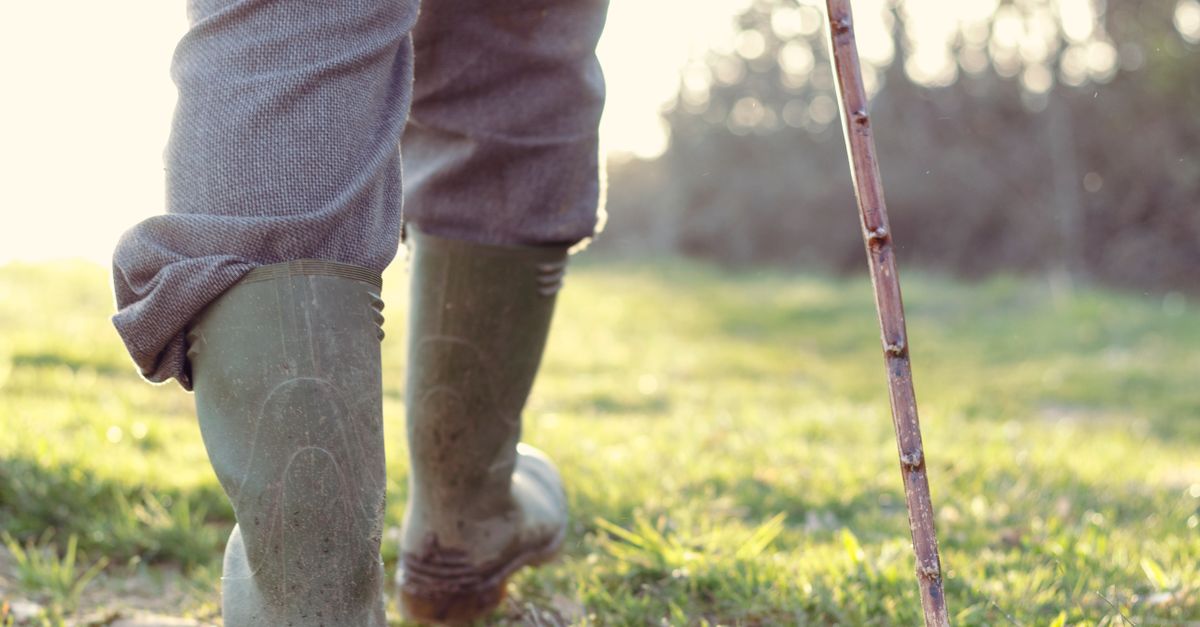
Walking with neuropathy is safe for most people when approached with the right precautions — proper footwear, awareness of foot sensation changes, and gradual pacing are the foundation of any safe walking routine. Peripheral neuropathy reduces the sensory feedback that normally signals injury, blisters, or pressure points, which means protective habits like daily foot inspection and surface awareness become essential before and after every walk. Most neurologists and physical therapists recommend low-impact movement like walking to support circulation in the feet and legs, since reduced blood flow is both a cause and a consequence of nerve damage. Always get clearance from your physician or care team before starting or significantly changing an exercise program when managing neuropathy.
If peripheral neuropathy has made you hesitant about staying active, you're not alone. The numbness, tingling, and balance changes that come with nerve damage in the feet can make something as routine as a morning walk feel uncertain — even risky. But avoiding movement often makes things worse, not better. Reduced circulation compounds nerve damage, and muscle weakness from inactivity narrows your margin for balance and joint stability over time.
Walking with neuropathy isn't about pushing through discomfort or pretending the condition doesn't exist. It's about building a routine that accounts for what neuropathy actually does to your feet — and putting the right safeguards around every step. This guide covers how to walk safely with reduced foot sensation, what to check before and after, how to pace yourself, and how a brief evening foot massager session can support the circulation your legs need after movement.
What Neuropathy Does to Your Feet
Understanding the physical reality of peripheral neuropathy makes it easier to build habits that protect you during activity. The condition doesn't affect every person the same way, but the sensory and motor changes it causes have direct implications for how you walk.
The Sensory Gap Problem
Peripheral neuropathy damages the nerves responsible for transmitting sensation from your feet to your brain. In a healthy foot, pain and pressure signals arrive quickly — you feel a pebble in your shoe, a hot surface underfoot, or the early warning of a blister forming. With neuropathy, those signals are delayed, muted, or absent entirely.
This creates what clinicians sometimes call the "sensory gap" — the window between when tissue damage begins and when (or whether) you notice it. A small stone inside your shoe can cause a significant wound before you feel anything. The American Diabetes Association and the National Institute of Neurological Disorders and Stroke both emphasize that this reduced sensory feedback is one of the primary reasons foot complications develop in people with peripheral neuropathy, particularly those with diabetes-related nerve damage.
Balance and Gait Changes
The nerves in your feet do more than register pain. They carry proprioceptive signals — constant feedback about where your feet are in space, how your weight is distributed, and how your body is oriented relative to the ground. Neuropathy disrupts this feedback loop, which is why balance problems are so common alongside sensory symptoms.
Research in neurology and rehabilitation consistently links peripheral neuropathy to increased fall risk and altered gait mechanics. People with neuropathy often widen their stance, shorten their stride, and reduce their walking speed unconsciously — all compensatory adjustments the body makes when ground-feel is unreliable. These aren't problems to overcome; they're appropriate adaptations. A good walking routine works with them rather than against them.
Circulation and the Movement Cycle
Peripheral neuropathy and poor circulation frequently coexist, and each can worsen the other. Nerves need consistent blood supply to function and repair. When circulation is compromised — as it often is in diabetes, chronic venous insufficiency, or sedentary lifestyles — nerve tissue receives less oxygen and fewer nutrients, accelerating damage.
Walking activates the calf muscle pump, one of the body's primary mechanisms for moving blood from the lower legs back toward the heart. Even short, slow walks generate meaningful calf contractions that push blood upward rather than letting it pool in the feet. This is one of the key reasons movement is typically encouraged rather than avoided for people managing neuropathy.
Walking Safely With Reduced Foot Sensation
Safe walking with neuropathy comes down to three categories of precaution: what you put on your feet, where you walk, and how you monitor your feet before and after. None of these steps are complicated, but they need to become consistent habits — not occasional checks.
Footwear: Your First Line of Protection
Footwear selection matters more with neuropathy than in almost any other context. When you can't rely on your feet to signal discomfort, the shoe has to prevent problems proactively rather than letting sensation catch them reactively.
- Shoes should have a thumb's width of space at the toe, no tight spots across the ball of the foot, and a secure heel. Avoid shoes that require "breaking in."
- Closed-toe construction and thick, cushioned midsoles absorb impact and reduce pressure concentrations on bony areas.
- Seamless interiors eliminate friction points that can cause blisters or abrasions without triggering pain signals. Moisture-wicking socks reduce friction further.
- Before putting on shoes, run your hand inside to check for debris, wrinkled insoles, or loose stitching. A small pebble that a healthy foot would feel immediately can cause significant damage in a neuropathic foot within a single walk.
- Many people with neuropathy benefit from custom-molded orthotics prescribed by a podiatrist or orthopedic specialist, which redistribute pressure away from high-risk areas on the plantar surface.
Diabetic footwear — shoes designed specifically for people with diabetes-related neuropathy — is available through prescription in many cases and offers the highest level of protective construction when standard athletic shoes don't provide adequate fit.
Surface Awareness
When proprioception is impaired, the surface you walk on becomes a significant variable. Uneven terrain requires rapid balance adjustments that depend on fast, accurate sensory feedback — the exact feedback neuropathy disrupts.
Flat, even surfaces like paved sidewalks, indoor tracks, or smooth floors are the most appropriate starting points for a neuropathy walking routine. Gravel, grass, uneven pavement, and inclines all require more active balance compensation. This doesn't mean you can never walk on varied terrain, but it means starting conservatively and progressing gradually as strength and balance confidence build.
Indoor walking — in a mall, on a treadmill, or along a flat hallway at home — removes weather and surface unpredictability from the equation entirely. For people in the early stages of building a routine, indoor walking is a practical way to control variables while building consistency.
Daily Foot Inspection
Daily foot inspection is standard guidance from the American Diabetes Association, the American Podiatric Medical Association, and virtually every specialist working with peripheral neuropathy patients. Because pain signals are unreliable, visual inspection becomes the substitute. The inspection should happen every day — ideally at the same time, such as after your walk and before bed.
Use good lighting and a mirror, or ask for assistance if you have difficulty examining the bottom of your feet. Look for:
- Redness, warmth, or swelling that wasn't there before the walk
- Blisters, cuts, or abrasions — including small ones that might not be painful
- Calluses building in unusual locations, which can indicate abnormal pressure distribution
- Changes in skin color, including pale or bluish tones that suggest poor circulation
- Nail changes: thickening, discoloration, or ingrown edges
Any finding that doesn't resolve within 24 hours, or that involves broken skin, warrants a call to your care team. Catching a wound early is the difference between a minor issue and a serious complication.
Pacing Your Walking Routine
Pacing is where many people with neuropathy run into trouble — not because they push too hard on effort, but because they push too long before their feet have the conditioning to handle it. Starting a walking routine with neuropathy is a different calculation than general fitness walking.
Starting Duration and Frequency
The goal in the first two to four weeks is not cardiovascular fitness or a step count target. It's establishing a consistent, safe pattern that your feet can tolerate. For many people starting with neuropathy-related balance and sensation changes, that means beginning with 5 to 10 minutes of continuous walking, once or twice daily.
This is shorter than most general fitness recommendations, and that's intentional. Short, controlled sessions give you the opportunity to inspect your feet after each walk and identify any developing pressure points or skin changes before they become serious. After two to four weeks without incident, sessions can typically extend by 5-minute increments.
Intensity and Rest
Intensity targets based on heart rate zones are secondary to comfort and safety for most neuropathy walkers. A more practical guide is the "talk test" — you should be able to hold a conversation at your walking pace. Breathlessness during a walk is a signal to slow down, particularly for anyone with cardiovascular conditions that often accompany peripheral neuropathy.
Rest is not failure. Building in deliberate pauses — sitting for 2 minutes mid-walk — is appropriate, especially in warmer conditions or on days when legs feel heavier. The long-term goal is sustainable consistency, not any single session's duration.
Assistive Devices
If your physician, physical therapist, or balance assessment has suggested a cane or walking poles, use them. Assistive devices aren't admissions of limitation — they're tools that extend how far and how safely you can walk by providing an additional proprioceptive contact point with the ground. Many people find that walking with a single pole or cane meaningfully expands the routes and surfaces they can access safely.
Balance Training: The Missing Piece
Walking ability with neuropathy is closely tied to balance. While the walking routine itself builds some balance-related strength, most physical therapists working with neuropathy patients recommend supplementing walking with dedicated balance exercises. These don't need to be elaborate.
Simple Exercises That Complement Walking
The following exercises can be done at home, require no equipment, and directly address the balance deficits most common with peripheral neuropathy. Start near a counter or sturdy chair to catch yourself if needed:
- Single-leg stance: Stand on one foot for 10–30 seconds, then switch. Over time, progress from eyes open to eyes closed.
- Heel-to-toe walking (tandem walk): Walk in a straight line placing the heel of one foot directly in front of the toes of the other. Perform along a wall for support if needed.
- Calf raises: Rise onto the balls of your feet and lower slowly. These strengthen the muscles that support the ankle and activate the calf pump for circulation.
- Ankle circles: Seated or standing, rotate each ankle through a full range of motion in both directions. This maintains joint mobility and stimulates the sensory receptors that remain functional.
A physical therapist who specializes in neurological conditions or vestibular rehabilitation can design a progressive balance program tailored to your specific deficits. Many people with neuropathy find that even 4 to 6 weeks of targeted balance work noticeably improves their confidence and stability on walks.
Beyond Walking: Other Modalities
Tai chi has a strong research base for fall prevention in older adults and those with balance impairments, including neuropathy. Its slow, deliberate movements train proprioception and weight shifting in ways that walking alone does not replicate. Water-based exercise programs — aquatic therapy or pool walking — are another option, since buoyancy reduces fall risk while providing resistance training for the legs and feet.
Post-Walk Recovery: Evening Foot Massager Session
After a walk, the lower legs and feet have been working hard. For someone with peripheral neuropathy, restoring circulation before the body settles into rest is a meaningful part of the routine — not an optional luxury. This is where an evening session with a therapeutic foot massager designed for people managing neuropathy fits naturally into the day.
Why Post-Walk Circulation Support Matters
When you stop walking, the calf muscle pump stops contracting. For people without neuropathy, the venous system handles return flow without much difficulty. For people with compromised circulation — which frequently accompanies peripheral neuropathy — blood can pool more easily in the feet after activity stops.
Prolonged stillness after walking, especially in the evening, can contribute to the aching, heaviness, and restless sensations many neuropathy patients experience at night. Introducing continued movement through a passive means — a foot massager — keeps blood circulating through the feet and calves while you're seated and resting. Repeated foot motion activates the calf muscles, pushing blood upward instead of letting it pool.
MedMassager: Built for This Purpose
The MedMassager Foot Massager uses oscillating technology to deliver deeper, more controlled vibration than conventional massagers — a distinction that matters for therapeutic application. Where standard vibrating massagers create surface-level buzz, oscillation generates rhythmic movement that engages the full foot and activates the calf mechanism more effectively. This reflects the physical therapy application the device was originally built for.
The massager operates at variable speeds, allowing you to begin at the lowest intensity and adjust based on how your feet respond — important for anyone with reduced sensation who should avoid high-intensity settings that could cause injury without awareness. It's an FDA-registered Class I medical device, built to a different standard than consumer wellness gadgets. The full MedMassager product line is available if you're exploring which device fits your situation.
How to Use a Foot Massager Safely With Neuropathy
Reduced foot sensation requires a few additional precautions when using a foot massager. Many people managing peripheral neuropathy use a 10 to 20-minute session in the evening, typically after foot inspection and before sleeping — creating a predictable end-of-day routine that supports circulation during the hours when the body is most stationary.
- Always visually inspect your feet before placing them on the massager — do not use on broken skin, blisters, or open wounds
- Start at the lowest speed setting and only increase if you can visually confirm no adverse reaction
- Limit sessions to 20 minutes initially and observe how your feet look and feel afterward
- Do not use while asleep — reduced sensation means you need to remain alert to any unexpected response
- Consult your physician before adding a foot massager to your routine if you have active diabetic foot wounds, severe arterial disease, or deep vein thrombosis
Frequently Asked Questions
Is walking good for peripheral neuropathy?
Yes, walking is generally recommended for people with peripheral neuropathy because it activates the calf muscle pump, which supports blood flow through the lower legs and feet. Consistent low-impact movement also helps maintain muscle strength and joint mobility, both of which support balance and reduce fall risk. The key is walking with appropriate precautions — proper footwear, safe surfaces, and daily foot inspection — rather than avoiding activity altogether. Always confirm with your physician or care team before starting or changing your exercise routine.
How far should I walk with neuropathy?
Most physical therapists recommend starting with 5 to 10 minutes of continuous walking when beginning a routine with neuropathy, regardless of previous fitness level. Duration can increase gradually by 5-minute increments every one to two weeks as long as foot inspection after each session shows no adverse skin changes or pressure issues. The priority is frequency and consistency rather than distance — shorter daily walks are typically more beneficial and safer than infrequent long ones. Your care team can help establish appropriate targets based on your specific symptom severity and cardiovascular health.
What shoes should I wear for walking with neuropathy?
Shoes for walking with neuropathy should have a precise fit with adequate toe box room, a cushioned sole that absorbs impact, a seamless interior to prevent friction blisters, and secure heel support. Avoid shoes that feel tight anywhere, require breaking in, or have open toes. Many people benefit from custom orthotics prescribed by a podiatrist to redistribute pressure away from vulnerable areas on the plantar surface. Inspect the inside of every shoe before each wear — debris or wrinkled insoles that a healthy foot would notice quickly may go unfelt with reduced sensation.
Why do my feet hurt more after walking with neuropathy?
Post-walk pain or increased symptoms can have several causes, including pressure on inflamed nerves, temporary circulation changes as activity stops, or mechanical irritation from footwear or surface contact. Some people also experience a temporary increase in tingling or burning sensations during and after walking as blood flow increases in affected areas — this is often a normal physiological response rather than a sign of worsening damage. New or worsening pain that doesn't resolve with rest warrants a conversation with your neurologist or podiatrist to rule out structural issues or footwear problems.
How do I check my feet for injuries if I have neuropathy?
Daily foot inspection involves examining all surfaces of both feet under good lighting — top, bottom, between the toes, and around the heels. Use a handheld mirror to see the plantar surface, or ask a family member for help if visibility is limited. Look for redness, blisters, cuts, swelling, callus formation in unusual locations, and any skin color changes that suggest poor circulation. Any finding that doesn't resolve within 24 hours or involves broken skin should be reported to your care team, as even minor wounds can progress rapidly in neuropathic feet.
Can balance exercises help with neuropathy?
Yes, balance exercises are widely recommended as a complement to walking for people with peripheral neuropathy. Exercises like single-leg stance, heel-to-toe walking, and calf raises directly address the proprioceptive deficits that neuropathy creates, improving stability and reducing fall risk over time. Research on structured balance training programs — including tai chi and physical therapy protocols — consistently shows improvement in balance measures for neuropathy patients. A physical therapist with experience in neurological conditions can design a progression appropriate for your specific balance deficits.
Should I use a foot massager after walking with neuropathy?
A foot massager can be a helpful addition to a post-walk routine for people with peripheral neuropathy, as it supports continued circulation through the feet and calves after the activity-driven calf pump stops. When using a foot massager with reduced foot sensation, always inspect your feet visually before and after each session, start at the lowest intensity setting, and limit sessions to 10 to 20 minutes. Do not use a foot massager on broken skin, active wounds, or without physician clearance if you have severe arterial disease, active diabetic foot wounds, or deep vein thrombosis.
The Bottom Line on Walking With Neuropathy
Walking with neuropathy is not only possible — for most people, it's one of the most effective things they can do to slow the progression of circulation-related nerve damage and preserve long-term mobility. The condition changes how you need to walk, not whether you can.
The framework is straightforward: get physician clearance, build your routine gradually, protect your feet through careful footwear selection and daily inspection, choose safe surfaces, and complement your walking with balance work. Consistency is what makes these steps effective — not complexity.
Closing your day with an evening session using a therapeutic foot massager built for people managing neuropathy is a practical way to keep blood moving through your feet during the hours when your body is most still. The MedMassager Foot Massager was designed with exactly this purpose in mind — professional-grade oscillating technology in an FDA-registered Class I medical device, built for people who need more than a consumer wellness gadget. If staying active with neuropathy is your goal, the right tools and the right habits make the difference.
This content is for informational purposes only and is not intended as medical advice, diagnosis, or treatment. Always consult a qualified healthcare professional before starting any new treatment or therapy. MedMassager products are FDA-registered Class I medical devices.


