
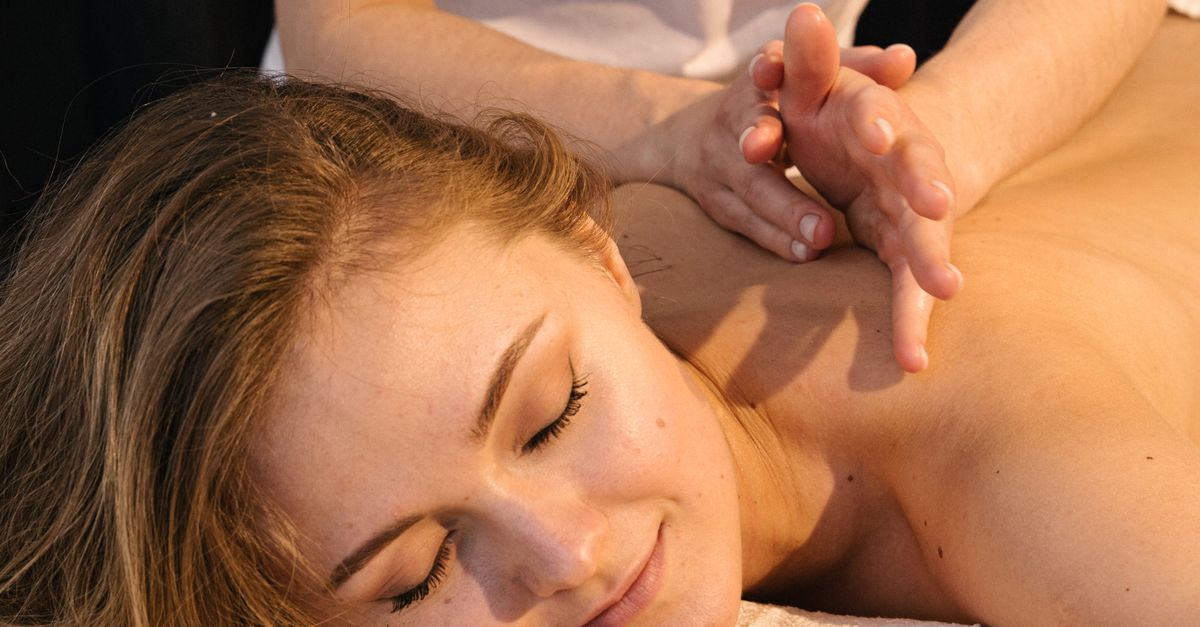
Massages make you sleepy because slow, rhythmic pressure shifts your nervous system toward its parasympathetic, or "rest and digest," branch, which slows your heart rate and breathing. At the same time, tense muscles release, warmth builds in the skin, and you stay still in a quiet setting. These are the same conditions your body associates with falling asleep. If you are already short on sleep, that relaxation lets your underlying tiredness surface, so feeling drowsy after a massage is a normal sign that your body has relaxed.
If you have ever asked yourself, "why do massages make me sleepy?", you are noticing a real physical response. You lie down planning to enjoy every minute, and twenty minutes later you are waking up to someone asking you to turn over. Or you sit with a massager after dinner and feel your eyelids get heavy before the session ends. None of this is a coincidence, and none of it means something is wrong.
Whether you drift off on the massage table, feel foggy afterward, or want to use that drowsiness on purpose at night, the explanation involves your nervous system, your muscles, your body temperature, and the setting itself. Below are the four physical reasons massage makes you drowsy, what can and cannot be said about it, when sleepiness is worth mentioning to a doctor, and a simple evening routine that puts the effect to work.
Why Massages Make You Sleepy: Four Reasons
The answer to why do massages make me sleepy comes down to four overlapping effects. Each one alone nudges you toward rest. Together, they can make staying awake surprisingly hard.
Your Nervous System Shifts to Rest and Digest
Your autonomic nervous system runs automatic functions like heart rate, breathing, and digestion. It has two main branches. The sympathetic branch drives the "fight or flight" response, while the parasympathetic branch handles the "rest and digest" functions that slow the body down. Cleveland Clinic describes the parasympathetic nervous system as the part of the autonomic system that helps your body relax and recover after stress.
Slow, predictable pressure on muscles and skin tends to tip that balance toward the parasympathetic side. As it takes over, your heart rate eases, your breathing slows and deepens, and your muscles let go of guarding tension. These are the same changes your body goes through as it prepares for sleep, so drowsiness follows naturally.
Tight Muscles Finally Let Go
Muscles that hold tension all day, especially in the neck, shoulders, calves, and feet, send a steady stream of low-level discomfort signals that keep you alert. Massage moves that tissue and increases local blood flow. As the tension drops, so does the background discomfort your brain has been tracking.
Once that low-level alarm goes quiet, you can finally feel how tired you actually are. This is why feeling tired after a massage often seems sudden. The fatigue was there all along, hidden behind the tension.
Warmth Signals That It Is Time to Rest
Friction, pressure, and increased circulation warm the skin under your hands, feet, or neck. That matters because your core body temperature naturally dips in the evening as part of your sleep cycle. Warming your hands and feet widens the small blood vessels near the skin, which helps your body release heat from its core. Heated massagers and warm treatment rooms add to this effect.
Stillness, Quiet, and Sleep Debt
The setting does a lot of the work. A typical massage combines several sleep cues at once:
- Lying or sitting still for an extended period
- Dim lighting and low noise
- Closed eyes or a relaxed, unfocused gaze
- Slow, repetitive sensations with nothing to react to
Sleep debt plays a role too. If you have been short on sleep, your body is carrying sleep pressure that stress and activity have been masking. When a massage removes those distractions, the backlog shows up as sudden heaviness. A massage during a tired week can put you out much faster than one during a well-rested week.
What the Science Can and Cannot Say
The pieces behind massage sleepiness are basic physiology: the two branches of the nervous system, the evening dip in core temperature, and the way sleep pressure builds the longer you stay awake. None of that is a marketing claim. What is less settled is how much a given massage changes your sleep on a given night, because that depends on you, the pressure, the timing, and how sleep is measured.
That leaves a few honest conclusions:
- Feeling drowsy during or after massage is an expected relaxation response, not a side effect to worry about.
- Massage before bed can be a useful part of a wind-down routine, alongside good sleep habits.
- Massage is not a treatment for insomnia, sleep apnea, or any other sleep disorder.
- Persistent sleep problems call for a doctor or sleep specialist.
You do not need a statistic to know whether an evening massage helps you settle. A week or two of consistent use will tell you.
How a Massager Helps You Wind Down
You do not need a therapist to get the relaxation effect. A therapeutic massager at home lets you build massage into your evening on your own schedule. Two MedMassager products fit naturally into a bedtime routine:
- Foot Massager: circular oscillating motion that moves the feet and engages the lower legs, used sitting upright with your feet flat on the platform during the evening.
- Neck Massager: dual-direction rotating nodes with built-in heat for the neck and upper shoulders, used in the hour before bed.
The Foot Massager in the Evening
Many foot massagers are sold as vibration massagers. MedMassager uses oscillating technology to deliver deeper, more controlled vibration than conventional massagers. The Foot Massager oscillates in a circular motion beneath an open, flat platform, and you use it sitting upright in a chair with your feet resting flat on top. Adjustable intensity settings let you keep the motion gentle at night, when the goal is to settle down rather than stimulate.
That circular oscillating action moves the muscles of your feet and lower legs without any effort from you. Repeated foot motion also engages the calf muscles, helping push blood upward instead of letting it sit in the feet after a long day. Pair a session with reading or a show you have already seen, and the rhythmic movement and stillness start the same wind-down process described above.
The Foot Massager is an FDA-registered Class I medical device with adjustable intensity, so the lowest settings are the right place to start in the evening. You can compare options in our collection of therapeutic foot massagers, and this guide on how foot massagers fit into a sleep routine covers evening use in more detail.
The Neck Massager Before Bed
Your neck and upper shoulders absorb a lot of the day's tension, particularly after hours at a screen. The MedMassager Neck Massager with built-in heat works differently from the Foot Massager. Rotating massage nodes combined with built-in heat warm and loosen tight muscles, supporting blood flow through the neck. The heat adds to the warming effect that helps your body shift toward rest.
Timing matters with this one. Use the Neck Massager in the hour before bed, then switch it off and set it aside before you lie down. It is a pre-sleep tool, not something to wear while you fall asleep.
Is Feeling Sleepy After a Massage Normal?
Yes. Drowsiness during or after a massage is a normal response to relaxation, and dozing off on the table is not a problem. Feeling heavy or foggy for an hour afterward is also expected, especially after a long or deep session. Plan around it by avoiding a massage right before a long drive or detailed work.
Sleepiness becomes worth a conversation with your doctor when it shows up outside of massage too. Mention it if you notice:
- Falling asleep unintentionally during the day, while reading, watching TV, or in meetings
- Drowsiness behind the wheel
- Loud snoring, gasping, or pauses in breathing reported by a partner
- Ongoing fatigue that does not improve with more sleep
- New sleepiness after starting a medication
These can point to sleep apnea, a medication effect, or another condition that massage will not address.
A Simple Evening Massage Routine for Sleep
To use massage sleepiness on purpose, place it in the window right before bed and follow it with lights out. Start with about 10 to 15 minutes at the lowest setting, once in the evening, and adjust from there.
Your Evening Routine, Step by Step
- Pick your window. Begin 30 to 60 minutes before you plan to sleep, after dinner has settled.
- Dim the room. Lower the lights and put your phone face down or in another room.
- Sit upright for the Foot Massager. Use a stable chair, rest your feet flat on the platform, and run it at the lowest intensity for 10 to 15 minutes.
- Follow with the Neck Massager. Sit comfortably and use it on the back of your neck and upper shoulders for about 10 minutes.
- Switch everything off. Turn off both devices and put them away.
- Go straight to bed. Skip screens and chores in between so the relaxation carries into sleep.
Give It a Week or Two
One relaxed evening is pleasant. A consistent routine teaches your body to associate the sequence with sleep. Keep the timing and steps similar each night for a week or two, then judge whether you settle faster.
For more detail on settings and timing, see this guide on how to use a massager for better sleep.
Safety Notes for Massage at Bedtime
Evening massage is simple, but a few situations call for extra care before you start:
- Diabetes or neuropathy: reduced sensation in the feet makes intensity harder to judge, so ask your care team first and keep the setting low.
- Blood clots or recent surgery: do not massage the legs if you have or suspect a deep vein thrombosis, and check with your care team after any operation.
- Sedating medications: massage may add to the heaviness, so avoid driving afterward.
- Pregnancy, pacemakers, or implanted devices: ask your doctor before use.
If you are living with diabetes or neuropathy and your care team agrees, the Foot Massager's adjustable settings let you keep the motion gentle. The circular oscillating action creates continuous, repetitive movement in the foot and calf, which supports circulation during use when natural movement is limited. That repeated foot motion activates the calf muscles, pushing blood upward instead of letting it pool in the feet.
Keep the Foot Massager for upright, seated use with your feet flat on the platform. Switch off any heated device, including the Neck Massager, before you get into bed.
Frequently Asked Questions
Is it normal to fall asleep during a massage?
Yes, falling asleep during a massage is normal and means your body has relaxed enough for sleep to take over. It does not reduce the benefit of the session. If you would rather stay awake, ask for firmer pressure or keep your eyes open and talk occasionally.
Why do I feel tired the day after a massage?
Feeling tired the next day usually comes from two things: deeper pressure that leaves muscles slightly sore, and sleep debt that the massage brought to the surface. Rest and a full night's sleep typically resolve it within a day. If heavy fatigue lasts longer or follows every massage, mention it to your doctor.
Is it good to get a massage before bed?
A massage before bed can help you wind down because it shifts your body toward the relaxed state that comes before sleep. Gentle pressure works better at night than deep, intense work, which can leave you sore or alert. Finish close to bedtime and go straight to bed so the relaxation carries over.
Can you fall asleep with a neck massager on?
You should not fall asleep with a neck massager running. A heated device left on while you sleep can irritate the skin, and you cannot adjust or stop it if something feels wrong. Use the Neck Massager in the hour before bed, then switch it off and set it aside before you lie down.
Does a foot massager help you sleep?
A foot massager is not a sleep treatment, but an evening session can support the relaxation that makes falling asleep easier. The MedMassager Foot Massager oscillates in a circular motion while you sit upright with your feet flat on the platform, moving the muscles of the feet and lower legs without effort. Combined with dim light and stillness, that rhythmic movement helps your body shift toward rest before bed.
How long before bed should you use a massager?
Begin about 30 to 60 minutes before you plan to sleep and keep each session to about 10 to 15 minutes at a low setting. That leaves time to switch the device off and get into bed while you still feel relaxed. Adjust the timing after a week if you need more or less wind-down time.
The Bottom Line
If you have been wondering why do massages make me sleepy, the answer is that your body is doing what it should. It shifts into rest mode as muscles release, warmth builds, and stillness takes over. That drowsiness is normal, and it becomes useful when you place it right before bed.
A short seated session on a foot massager, a few minutes of heated neck massage, then lights out turns the effect into a routine. Explore the MedMassager Foot Massager collection for evening use, or browse all MedMassager therapeutic massagers to compare products, including the Neck Massager.
This content is for informational purposes only and is not intended as medical advice, diagnosis, or treatment. Always consult a qualified healthcare professional before starting any new treatment or therapy. MedMassager products are FDA-registered Class I medical devices.


