
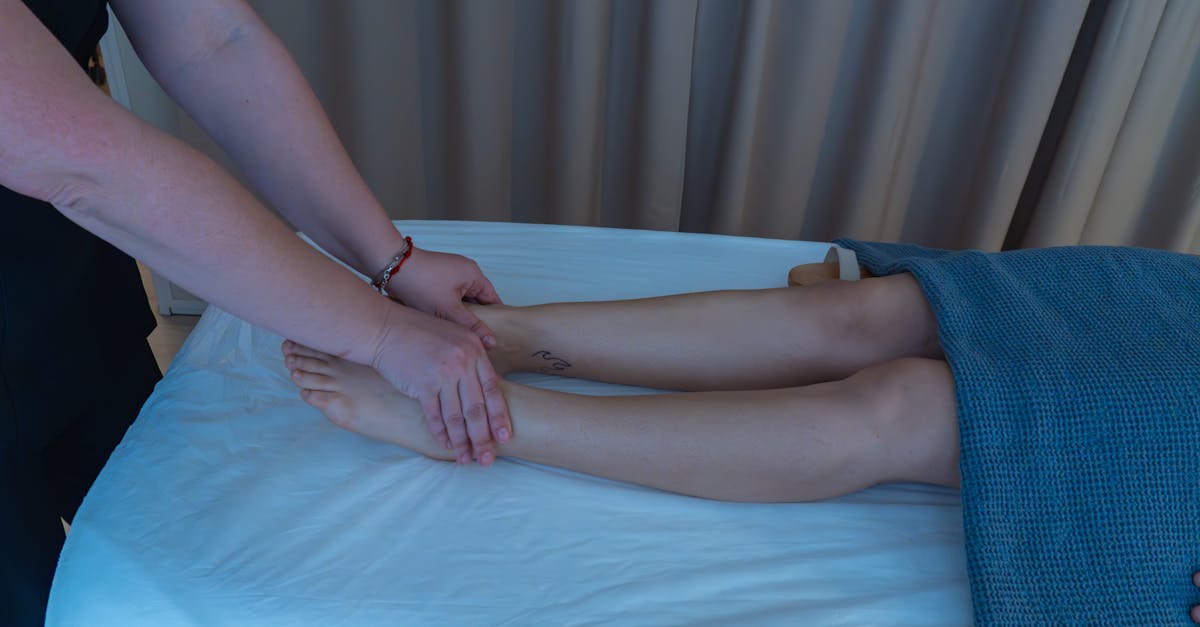
Massage for restless legs syndrome works by introducing continuous movement to the legs and feet, which helps reduce the urge-to-move sensations that define RLS. Oscillating or vibrating massage applied to the calves and feet can interrupt the cycle of restlessness by keeping blood circulating through the lower limbs instead of allowing it to stagnate during periods of stillness. Many people managing RLS use therapeutic massage as part of a broader symptom management routine, especially in the evening when symptoms typically peak. While massage does not cure or treat RLS, regular use may help reduce symptom severity during rest.
The feeling hits at the worst possible time — you finally sit down after a long day, or you've just gotten into bed, and your legs won't cooperate. The crawling, pulling, itching sensation that forces you to move is one of the most disruptive experiences for people managing restless legs syndrome. For many, it means hours of disrupted sleep, constant leg movement, and a frustrating cycle that conventional advice doesn't always solve. This post covers why RLS symptoms emerge when they do, how massage addresses the underlying sensation, what the research shows, and how to build a practical massage routine that fits into your evenings.
Why RLS Symptoms Peak at Night
Restless legs syndrome doesn't worsen randomly — its timing follows patterns tied to physiology, posture, and circulation. Understanding those patterns is the foundation for addressing symptoms effectively.
The Neurological Component
Restless legs syndrome is classified as a neurological sensorimotor disorder. The National Institute of Neurological Disorders and Stroke describes RLS as a condition in which the nervous system produces an overwhelming urge to move the legs, typically accompanied by uncomfortable sensations. Research points to dopamine pathway dysfunction as a core driver — specifically, disruptions in how the brain produces and uses dopamine to regulate muscle movement.
This neurological component explains why RLS is not simply a circulation problem. The brain generates signals that create perceived discomfort in the legs even when no physical injury is present. Dopamine levels also follow a circadian rhythm, dipping in the evening — which is why symptoms almost universally worsen at night.
The Circulation and Stillness Factor
While the neurological component is primary, circulation plays a significant supporting role. When you sit or lie still for extended periods, blood begins to pool in the lower extremities. Reduced blood flow means less oxygen delivery to muscle tissue and slower removal of metabolic waste products. For people with RLS, this stillness-induced circulatory slowdown appears to amplify the uncomfortable sensations the nervous system is already generating.
This is why movement temporarily relieves RLS symptoms almost universally. Walking, stretching, or even shaking the legs physically pushes blood through the lower limbs and resets the sensation — at least temporarily. The challenge is that relief lasts only as long as the movement continues.
Who Is Most Affected
RLS affects a meaningful portion of the general population, with higher prevalence in older adults, pregnant women, and individuals with certain chronic conditions including iron deficiency, kidney disease, and peripheral neuropathy. Family history also plays a role — RLS has a clear genetic component and often runs in families.
- Older adults experience higher rates of RLS, partly due to changes in dopamine regulation with age
- Pregnancy, particularly in the third trimester, is associated with temporary RLS onset or worsening
- Iron deficiency is one of the most consistent and correctable contributors to RLS severity
- Chronic kidney disease, peripheral neuropathy, and Parkinson's disease are frequently associated with secondary RLS
- Certain medications — including some antihistamines, antidepressants, and antipsychotics — can trigger or worsen RLS symptoms
How Massage Helps With Restless Legs
Massage addresses restless legs syndrome through two complementary pathways: it introduces the movement stimulus that temporarily relieves the urge-to-move sensation, and it actively improves circulation in the lower limbs during periods of rest. Neither pathway is a cure, but together they can meaningfully reduce how disruptive RLS symptoms are during the evening and at bedtime.
Introducing Movement Without Standing
The primary reason people with RLS get up and walk around is to generate the leg movement that quiets symptoms. Massage replicates this mechanically. When an oscillating therapeutic massager is applied to the feet and calves, it produces continuous rhythmic movement in the lower leg — contracting and releasing calf and foot muscles in a pattern similar to walking. Continuous oscillation introduces low-level movement in the legs, helping prevent the prolonged stillness that triggers RLS symptom escalation.
This matters practically because it allows someone with RLS to remain seated or lying down while still receiving the movement input their nervous system is demanding. Rather than pacing the hallway at midnight, consistent mechanical stimulation through massage can serve as a substitute movement source during the high-symptom evening window.
Circulation Support in the Lower Limbs
Oscillating foot massage also activates the calf muscle pump. Repeated foot motion engages the calf muscles, pushing blood upward instead of letting it pool in the feet and lower legs. The calf muscles function as a secondary circulatory pump — when they contract and release rhythmically, they actively return venous blood toward the heart rather than allowing it to accumulate below the knee.
For people with RLS, this is especially relevant in the evening hours after extended periods of sitting. Improved venous return means more oxygenated blood reaching muscle tissue and faster clearance of metabolic byproducts — conditions that appear to reduce the intensity of RLS-related discomfort, even if the underlying neurological trigger remains.
What the Clinical Research Shows
RLS is one of the few conditions where published clinical data specifically evaluating therapeutic massage exists. In a published clinical study (PMC7117678), participants using a MedMassager foot massager experienced significant improvement in RLS symptom severity compared to a control group over a 4-week randomized study period. Participants reported reductions in symptom intensity and improvements in sleep quality — two of the most meaningful outcomes for people living with RLS.
This does not mean massage treats or cures RLS. What the study indicates is that consistent mechanical stimulation of the feet and lower legs, applied during the evening high-symptom window, can reduce how severely RLS disrupts daily rest. It should be understood as a complementary tool alongside any treatment plan developed with a physician.
Choosing the Right Massager for RLS
Not all massagers deliver the kind of stimulation that is useful for restless legs syndrome. Understanding what to look for — and what to avoid — will help you get meaningful results rather than spending money on something that doesn't address the actual mechanism.
Oscillation vs. Simple Vibration
Consumer massage products frequently use simple vibration — a rapid surface-level buzz that stimulates skin receptors without meaningfully engaging the muscle tissue beneath. This type of stimulation can feel intense but doesn't produce the deep muscle engagement needed to activate the calf pump or generate sustained movement sensation in the lower leg.
Oscillation operates differently. An oscillating massager produces a broader, lower-frequency movement that physically rocks the foot and engages the calf musculature with each cycle. This is the category of stimulation that produces the movement response the nervous system recognizes — similar to the sensation of walking or calf stretching. When evaluating any massager for RLS use, look for oscillation-based technology rather than high-frequency surface vibration.
Key Features to Prioritize
- Adjustable intensity: RLS symptom severity varies night to night. A massager with multiple speed settings lets you match the stimulation level to how your legs feel on a given evening.
- Foot and calf coverage: The most effective RLS massage engages the full lower leg. Foot platform massagers that also activate calf muscles through the rocking motion provide broader coverage than devices that only treat the sole.
- Hands-free operation: Evening and bedtime RLS management requires a device you can use while sitting or reclining without holding it in place. Foot massager platforms that you rest your feet on are ideal for this.
- Professional-grade motor: A clinical-strength motor maintains consistent oscillation speed without dropping off under load. Lower-powered consumer devices often slow down once the feet apply pressure, reducing effectiveness.
- FDA-registered status: For therapeutic use, an FDA-registered Class I medical device signals that the product has been evaluated against safety and efficacy standards beyond typical consumer electronics.
MedMassager Foot Massager for RLS
MedMassager's therapeutic foot massagers are built around professional-grade oscillation — the same technology used in physical therapy clinics — and are FDA-registered Class I medical devices. The oscillating platform engages the foot and activates the calf pump passively, meaning you rest your feet on the surface and the device does the work. This hands-free operation makes it practical for evening use while seated watching television or immediately before bed.
After more than 15 years of building therapeutic massagers, MedMassager has developed its product line specifically for people managing medical conditions like RLS — not exclusively for athletic recovery. The clinical study referenced above (PMC7117678) used a MedMassager device, making it the only therapeutic foot massager with published peer-reviewed evidence specific to restless legs syndrome.
Building a Practical RLS Massage Routine
Consistency matters more than duration when using massage to manage RLS symptoms. A reliable evening routine, applied during the window when symptoms typically emerge, produces better results than occasional use during acute symptom flares.
Timing Your Sessions
Most people with RLS experience symptom onset in the two to four hours before their usual bedtime. This pre-sleep window is the most valuable time to apply massage. Beginning a session before symptoms fully escalate — rather than waiting until you're already pacing the floor — gives the continuous movement stimulus time to reduce symptom intensity before it peaks.
If symptoms also disrupt your ability to fall asleep after getting into bed, a brief second session immediately before lying down can help extend the relief window. Even 10 to 15 minutes of consistent oscillation during the transition from sitting to sleeping can meaningfully reduce the onset of nighttime symptoms.
Session Structure
- Start at a lower intensity. Begin with the lowest or second-lowest speed setting. Cold muscles benefit from a gradual warm-up, and lower intensity allows you to gauge that evening's symptom level.
- Increase intensity as needed. If symptoms are active or your legs feel restless, step up to a mid or higher setting. The goal is to generate enough movement sensation to address the urge to move without causing discomfort.
- Maintain for 20 to 30 minutes. The 4-week clinical study used sessions in this range. Shorter sessions can help but may not sustain the relief window long enough to carry through to sleep onset.
- Finish with light calf stretching. After the massage session, two to three minutes of gentle calf stretches can extend the circulatory benefit before you transition to lying down.
- Use consistently each evening. Daily use during the pre-sleep window builds cumulative benefit. Sporadic use produces less predictable results.
Complementary Approaches
Massage works best as part of a broader RLS management approach. Several evidence-supported strategies pair well with an evening massage routine.
- Reduce or eliminate caffeine in the afternoon and evening, as stimulants can worsen RLS symptom intensity
- Iron supplementation, if iron deficiency is confirmed by a physician, can significantly reduce RLS severity in some individuals
- Moderate aerobic exercise during the day (not immediately before bed) supports overall lower-limb circulation
- Warm baths in the evening engage the same calf muscle activation as massage and can be used in combination with a post-bath massage session
- Sleep hygiene practices — consistent sleep and wake times, reducing screen exposure before bed — reduce overall nervous system arousal and can lower RLS trigger sensitivity
When to Talk to Your Doctor
Massage and lifestyle strategies are appropriate for managing mild to moderate RLS symptoms, particularly when symptoms are intermittent and primarily disruptive to sleep. There are circumstances, though, where professional medical evaluation is the right next step rather than self-managed approaches.
See a physician if your RLS symptoms are severe enough to prevent sleep on most nights, if symptoms occur during waking hours when seated, or if lifestyle approaches have not produced any improvement after several weeks of consistent effort. A physician can evaluate whether an underlying secondary cause — such as iron deficiency, kidney disease, or medication interactions — is driving your symptoms and whether pharmacological treatment is appropriate.
Pregnant women experiencing RLS symptoms should consult their OB-GYN before beginning any new therapeutic routine, including massage, as certain approaches may not be recommended during pregnancy.
Frequently Asked Questions
Does massage help restless legs syndrome?
Massage can help reduce the severity of restless legs syndrome symptoms, particularly during the evening hours when symptoms typically peak. By introducing continuous movement to the legs and improving circulation in the lower limbs, massage addresses two of the main factors that amplify RLS discomfort during rest. It works best as a consistent evening routine rather than occasional use during acute flares. Massage is not a cure for RLS, but it is a practical and evidence-supported tool for symptom management.
Where do you massage for restless legs syndrome?
The most effective areas to massage for RLS are the feet, calves, and lower legs — the regions where the uncomfortable sensations are typically concentrated. Calf massage is particularly important because the calf muscles function as a secondary circulatory pump, and stimulating them helps move blood upward through the lower extremities. Foot massage that rocks the foot and engages the Achilles and calf passively also produces meaningful circulation benefit. Thigh massage can be added as a secondary area if symptoms extend above the knee.
What triggers restless legs syndrome at night?
Restless legs syndrome worsens at night primarily because dopamine levels follow a circadian rhythm and naturally drop in the evening, reducing the brain's ability to regulate the motor signals that drive RLS sensations. Prolonged stillness during evening rest also allows blood to pool in the lower limbs, which appears to amplify the discomfort the nervous system is generating. Caffeine, alcohol, certain medications, and iron deficiency can all worsen nighttime symptoms. Stress and irregular sleep schedules may also increase trigger sensitivity.
How long should I massage my legs for RLS?
Sessions of 20 to 30 minutes during the pre-sleep evening window are a practical and effective target for RLS management. The 4-week clinical study evaluating therapeutic foot massage for RLS used sessions in this general range, with participants experiencing significant symptom improvement over the study period. Shorter sessions of 10 to 15 minutes can still provide temporary relief, particularly if used immediately before lying down. Daily consistency produces better cumulative results than longer but infrequent sessions.
Can a foot massager help with restless legs syndrome?
Yes — an oscillating foot massager can help manage RLS symptoms by providing the continuous leg movement stimulus that temporarily relieves the urge-to-move sensation, without requiring you to stand and walk. Repeated foot and calf muscle activation from an oscillating platform pushes blood upward through the lower limbs, counteracting the venous pooling that worsens RLS during stillness. Hands-free foot massager platforms are particularly practical for evening use, allowing you to remain seated while the device provides continuous mechanical stimulation.
Is restless legs syndrome related to poor circulation?
Restless legs syndrome is primarily a neurological condition involving dopamine pathway dysfunction, not a pure circulation disorder. However, poor circulation in the lower limbs — particularly venous pooling during prolonged sitting or lying still — appears to amplify the discomfort that the nervous system generates. This is why movement relieves RLS symptoms temporarily: it physically clears stagnant blood from the lower legs. Improving lower-limb circulation through massage, walking, or calf exercises is a useful supporting strategy, but it does not address the underlying neurological mechanism.
What else can I do at home to relieve restless legs syndrome?
Effective home management for RLS typically combines several approaches used consistently. Reducing afternoon and evening caffeine intake, establishing a regular sleep schedule, and getting moderate daytime aerobic exercise are well-supported starting points. Warm baths before bed, calf stretches, and therapeutic massage of the lower legs during the pre-sleep window can all help reduce symptom severity. Iron supplementation — if a physician confirms iron deficiency — is one of the most impactful correctable factors for people whose RLS is driven by low iron levels.
The Bottom Line on RLS and Massage
Restless legs syndrome is a genuine neurological condition, and managing it takes more than a single solution. Massage — particularly oscillating therapeutic massage applied to the feet and calves during the evening high-symptom window — is one of the most practical and evidence-supported tools available for reducing how severely RLS disrupts your rest.
The mechanism is straightforward: continuous movement in the lower legs addresses both the movement-craving sensation RLS generates and the venous pooling that amplifies it. Applied consistently as part of an evening routine, restless legs syndrome massage can meaningfully reduce symptom severity and extend the period of stillness needed to fall and stay asleep.
If you're ready to build that routine, MedMassager's therapeutic foot massagers are designed specifically for this kind of extended, hands-free lower-leg stimulation — and are the only FDA-registered Class I therapeutic foot massagers with published peer-reviewed clinical evidence specific to RLS. You can also explore the full range of MedMassager therapeutic devices to find the right fit for your needs. As always, pair any at-home strategy with guidance from a qualified healthcare provider, especially if your symptoms are severe or worsening.
This content is for informational purposes only and is not intended as medical advice, diagnosis, or treatment. Always consult a qualified healthcare professional before starting any new treatment or therapy. MedMassager products are FDA-registered Class I medical devices.


