
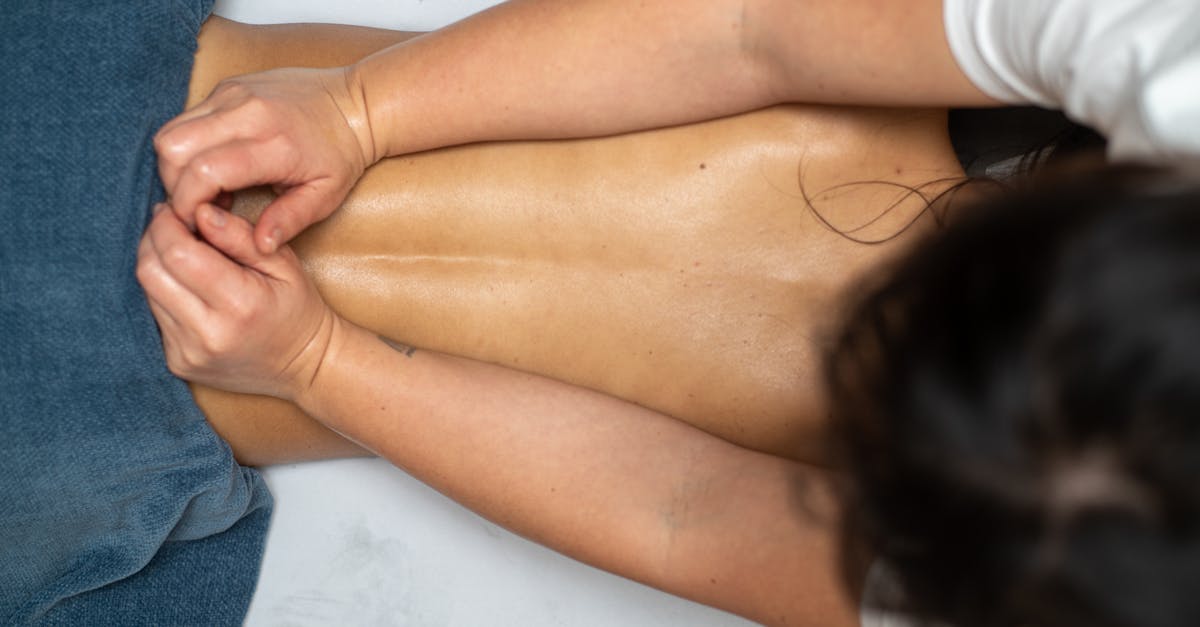
Hand massage improves circulation, reduces muscle tension, and helps relieve stiffness in the joints and surrounding soft tissue. Regular hand massage can benefit people managing conditions like arthritis, carpal tunnel syndrome, or chronic hand fatigue from repetitive work. The physical pressure and movement stimulate blood flow through the hands and fingers, which helps deliver oxygen and nutrients to tired or overworked tissue.
Your hands do more work in a single day than almost any other part of your body — typing, gripping, lifting, clicking, writing, and dozens of other motions that most people never stop to think about until something hurts. Hand massage benefits are easy to overlook precisely because hand care rarely gets the same attention as back pain or sore feet, even though the mechanics are nearly identical. Tight muscles, restricted circulation, and overworked joints respond to massage therapy the same way the rest of the body does.
Whether you're dealing with chronic hand fatigue from hours at a keyboard, managing stiffness from arthritis, or simply looking for a daily recovery habit that actually works, this post covers what hand massage does physiologically, who benefits most, how to do it effectively, and when a therapeutic device makes more sense than manual techniques alone.
Why Hands Get Tight and Sore
The hands are anatomically complex — each contains 27 bones, more than 30 muscles (many of which originate in the forearm), and an intricate network of tendons, ligaments, and nerves. That complexity means there are many structures that can become restricted under repetitive stress.
Repetitive Strain and Overuse
Repetitive motion is the most common driver of hand tightness and pain in working-age adults. Typing, mouse use, assembly work, and instrument playing all involve sustained, low-intensity muscle contractions that accumulate fatigue over hours. Unlike acute injuries, repetitive strain develops gradually, which means many people don't recognize it until the discomfort is already significant.
The tendons that control finger movement pass through narrow tunnels in the wrist and palm. When surrounding muscles stay contracted for long periods without adequate rest, those tendons experience increased friction and reduced blood supply — a combination that leads to inflammation, stiffness, and eventual pain.
Poor Circulation in the Hands
The hands are at the far end of the circulatory loop from the heart, which makes them particularly vulnerable to circulation issues. Cold temperatures, prolonged static postures, and conditions like Raynaud's disease can all reduce blood flow to the fingers and palms. When circulation is limited, the hands receive less oxygen and clear metabolic waste more slowly — contributing to the heavy, stiff feeling many people notice after extended desk work or cold exposure.
Research on peripheral circulation consistently identifies movement as the primary driver of blood flow in the extremities. When the hands are stationary for extended periods, circulation slows. This is why people instinctively shake out their hands after gripping something for a long time — the movement restores flow.
Arthritis and Joint-Related Stiffness
Osteoarthritis of the hand is one of the most common forms of arthritis, particularly affecting the small joints at the base of the thumb and the middle and end joints of the fingers. Rheumatoid arthritis tends to affect the wrist and knuckle joints symmetrically. Both conditions produce morning stiffness, reduced grip strength, and localized joint pain that worsens with certain activities.
Massage cannot reverse the structural changes associated with arthritis. But the surrounding soft tissue — muscles, tendons, and fascia — responds meaningfully to manual therapy. Loosening the tissue around an inflamed joint reduces secondary tension that often compounds the discomfort of the joint itself.
How Hand Massage Works Physiologically
Hand massage works through several overlapping physiological pathways. The benefits reflect real, measurable changes in circulation, muscle function, and nervous system tone — not just relaxation.
Circulation and Tissue Oxygenation
Mechanical pressure on the hand's soft tissue acts as a pump, moving blood and lymphatic fluid through capillary beds that are otherwise dependent on active muscle contraction. This is especially relevant in the fingers, where the smallest vessels are most easily compressed by sustained grip or cold exposure.
Improved local circulation delivers several downstream benefits:
- More efficient delivery of oxygen and glucose to muscle cells
- Faster clearance of lactic acid and metabolic byproducts that accumulate during repetitive work
- Reduced localized swelling by improving lymphatic drainage
- Improved tissue temperature, which directly affects muscle pliability
For people with conditions like carpal tunnel syndrome, where nerve compression is partly driven by swelling and restricted tissue movement, even modest improvements in circulation can make a meaningful difference in symptom comfort.
Muscle Tension Release
Many of the muscles that control hand and finger movement run through the forearm rather than the hand itself. The flexor and extensor muscle groups originate at the elbow and travel down through tendons that attach to the fingers. Effective hand massage — particularly when it extends to the palm and up toward the wrist — reduces tension in these long muscle chains, not just in the hand alone.
Trigger points commonly develop in the thenar eminence (the fleshy base of the thumb), the hypothenar eminence (the outer palm), and along the intrinsic muscles between the metacarpal bones. Sustained pressure on these areas causes the muscle spindles to reset, reducing resting tension and improving range of motion.
Nervous System Response
The hands are one of the most densely innervated regions of the body. Massage activates mechanoreceptors in the skin and fascia, which send signals through the peripheral nervous system that can dampen pain perception via the gate control mechanism. This is one reason why rubbing a bruised hand instinctively makes it feel better — the tactile input competes with the pain signal at the spinal cord level.
Sustained, rhythmic massage also shifts the autonomic nervous system toward parasympathetic dominance, which reduces overall muscle tone and the subjective experience of pain. This systemic effect is one reason hand massage can feel relaxing well beyond the hand itself.
Who Benefits Most from Hand Massage
Hand massage benefits apply broadly, but certain groups tend to see the most significant improvements. Knowing which populations respond most strongly helps clarify when to prioritize it as part of a daily routine.
Desk Workers and Digital Professionals
People who spend six or more hours a day at a keyboard are among the most common candidates for hand and wrist discomfort. Studies on occupational hand strain consistently identify sustained typing postures and mouse use as primary contributors to conditions like repetitive strain injury (RSI), tendinopathy, and early-stage carpal tunnel syndrome.
For this group, regular hand massage — even 5 to 10 minutes per day — can reduce cumulative tension before it builds into a chronic complaint. The goal isn't treatment; it's maintenance of the soft tissue health that extended desk work progressively erodes.
People Managing Arthritis
For people living with osteoarthritis or rheumatoid arthritis in the hands, massage of the surrounding soft tissue can reduce secondary muscle guarding — the involuntary tightening that often surrounds an inflamed joint. Easing the tissue around the joint can improve usable range of motion and reduce the compounding discomfort caused by muscle tension layered on top of joint pain.
Massage during an arthritis flare — when joints are actively hot and swollen — is generally not advisable. The appropriate time for massage is during non-acute periods when the goal is maintenance and preventive tissue care.
People Living with Carpal Tunnel Syndrome
Carpal tunnel syndrome results from compression of the median nerve as it passes through the narrow carpal tunnel at the wrist. Conservative management typically includes splinting, activity modification, and physical therapy. Massage fits into that approach by helping reduce tension in the forearm flexors and the transverse carpal ligament area — structures that, when tight, can increase pressure within the tunnel.
Oscillating motion from a therapeutic massager increases local blood movement in surrounding muscle tissue, which can complement other conservative approaches. For those exploring therapeutic body massagers designed for soft tissue work, the key mechanism is consistent rhythmic pressure that penetrates beyond the surface without requiring sustained manual effort.
Manual Workers and Tradespeople
Construction workers, mechanics, surgeons, musicians, and other professionals who rely on precise or forceful hand function accumulate significant soft tissue wear over time. For these groups, hand massage serves a similar function to foam rolling for athletes — it's recovery, not luxury. Regular soft tissue work preserves pliability in the tendons and muscles that would otherwise become progressively more restricted over a career.
How to Massage Your Hands Effectively
Technique matters. A few minutes of targeted, methodical hand massage is more effective than unfocused rubbing. The following routine can be done with hands alone, a massage tool, or a therapeutic device.
Manual Self-Massage Routine
- Warm up the tissue first. Soak your hands in warm water for 2-3 minutes, or apply a warm compress. Warmer tissue is more pliable and responds better to pressure.
- Work the palm with circular pressure. Use the thumb of your opposite hand to apply firm, slow circles across the entire palm. Pay attention to the thenar eminence (thumb base) and the center of the palm, where tension commonly accumulates.
- Strip the finger tendons. Starting at the base of each finger, apply firm pressure with your opposite thumb and slowly pull toward the fingertip. Repeat 3-5 times per finger. This technique reduces tension along the flexor tendons.
- Mobilize each finger joint. Gently rotate each finger at the knuckle joint — first the metacarpophalangeal joint (base knuckle), then the proximal and distal interphalangeal joints (middle and tip). Small, controlled circles improve joint mobility and stimulate synovial fluid production.
- Address the wrist and forearm. Work 3-4 inches up the forearm from the wrist, using thumb pressure along the muscle bellies of the flexors and extensors. Releasing forearm tension reduces the downstream pull on finger tendons.
- Finish with light effleurage. Light, long strokes from fingertips to wrist move lymphatic fluid and signal the nervous system to reduce tone. End each session this way for 30-60 seconds per hand.
Using a Therapeutic Massager for the Hands and Forearms
Manual self-massage is effective but limited by the effort required and the difficulty of applying consistent pressure to your own forearm muscles. A therapeutic body massager addresses both issues. Oscillating motion from a device like the MedMassager Body Massager penetrates deep muscle layers, increasing local blood flow in the forearm flexors and extensors that directly control hand and finger movement.
The practical advantage of a device is sustained, consistent pressure without fatigue. Apply the massager to the forearm with moderate pressure for 2-3 minutes per arm, moving slowly along the muscle belly. This complements the manual finger and palm work described above and reaches forearm tissue more effectively than most self-massage techniques.
After more than 15 years of building therapeutic massagers, MedMassager has seen consistent feedback from people in occupations that demand sustained hand use — from healthcare workers to musicians — who use the Body Massager as part of their daily forearm and hand recovery routine.
Daily Habits That Amplify Results
Massage is most effective when it's part of a broader approach to hand health. Several supporting habits improve both the baseline condition of the tissue and the results of regular massage.
Stretching and Mobility Work
Stretching the wrist flexors and extensors before and after extended hand use reduces the resting tension that massage then addresses. A basic wrist extensor stretch — extending the arm, palm facing down, and gently pulling the fingers back with the opposite hand — held for 20-30 seconds effectively targets the muscle group most commonly involved in desk-related hand strain.
Finger spreading exercises (opening the hand as wide as possible, holding for 5 seconds, then making a soft fist) improve range of motion and counteract the sustained flexion postures of typing and gripping. Three sets of 10 repetitions takes under two minutes and is worth adding before any hand massage session.
Hydration and Temperature
Chronically dehydrated connective tissue is stiffer and less responsive to manual therapy. Adequate daily hydration supports the pliability of tendons and fascia throughout the body, including the hands — a basic but often overlooked factor in the baseline stiffness many people experience.
Cold hands are a persistent barrier to effective massage. Warming the hands before a session — through soaking, a warm compress, or simply placing them under warm running water — meaningfully improves tissue pliability. This is particularly relevant for people with Raynaud's phenomenon or those who work in cold environments.
Ergonomic Adjustments
Reducing the cumulative load on hand tissue during the workday decreases how much recovery the hands require afterward. Practical adjustments include:
- Keyboard and mouse positioned so wrists remain neutral (not bent up or down)
- Taking 2-3 minute movement breaks every 45-60 minutes of sustained typing
- Using a vertical mouse or ergonomic keyboard if wrist deviation is persistent
- Avoiding sustained gripping of objects like pens or tools with excessive force
These adjustments don't replace massage, but they reduce the deficit that massage needs to address — which means the same amount of massage produces better results over time.
Frequently Asked Questions
How often should you massage your hands?
For general maintenance and hand fatigue from desk work or repetitive tasks, daily massage of 5-10 minutes per hand is reasonable and beneficial. People managing chronic conditions like arthritis or carpal tunnel syndrome may benefit from twice-daily sessions during symptomatic periods. Consistency matters more than duration — short, daily sessions outperform occasional long ones for maintaining soft tissue health.
Can hand massage help with arthritis pain?
Hand massage can reduce the secondary muscle tension and soft tissue tightness that surrounds arthritic joints, which often compounds joint pain. It does not reverse the structural joint changes caused by arthritis, but regular massage of the palms, thenar eminence, and forearm muscles can improve usable range of motion and reduce overall hand discomfort during non-flare periods. Avoid massaging directly over acutely inflamed or swollen joints.
Does hand massage help with carpal tunnel syndrome?
Massage can support conservative management of carpal tunnel syndrome by reducing tension in the forearm flexor muscles and surrounding soft tissue that may increase pressure within the carpal tunnel. It is not a substitute for medical evaluation or treatment, and severe or progressive carpal tunnel symptoms should be assessed by a physician or physical therapist. As part of a broader conservative care approach, regular soft tissue massage of the forearm and palm is commonly recommended.
What is the best way to massage your hands for circulation?
To improve circulation in the hands, begin with the hands warmed and apply firm, slow circular pressure across the entire palm using the opposite thumb. Follow with long strokes from the fingertips toward the wrist, which move blood and lymphatic fluid in the direction of venous return. Finger joint mobilization — slow, gentle rotations at each knuckle — also stimulates local blood flow. Ending each session with light effleurage strokes toward the wrist helps complete the lymphatic drainage effect.
Can a massager be used on hands and forearms?
A therapeutic body massager can be used effectively on the forearms, which contain the primary muscle groups controlling hand and finger movement. Applying oscillating pressure along the forearm flexor and extensor muscles helps release tension that translates directly to improved hand comfort and mobility. Direct use on the palm with a handheld device should be done at low intensity and avoided over bony areas or joints with active inflammation.
Why do my hands feel stiff in the morning?
Morning hand stiffness is typically caused by reduced circulation and joint lubrication during sleep, combined with the sustained low-activity state of the hands overnight. People with arthritis, particularly rheumatoid arthritis, commonly experience more pronounced morning stiffness because inflammatory processes peak during periods of inactivity. Gentle morning hand exercises, warm water soaking, and brief massage can reduce morning stiffness significantly within 10-15 minutes by restoring circulation and joint mobility.
Is hand massage safe for everyone?
Hand massage is safe for most people as a general wellness practice, but certain situations require caution. Avoid massage over open wounds, active skin infections, or acutely inflamed joints. People with deep vein thrombosis, fractures, or recent hand surgery should not massage the affected area without clearance from their healthcare provider. Those with osteoporosis affecting the hand bones should use lighter pressure and avoid techniques that apply force to joints.
The Bottom Line on Hand Massage Benefits
The physiological case for regular hand massage is straightforward: improved circulation, reduced muscle tension, better joint mobility, and a measurable reduction in the discomfort that accumulated hand use produces over time. For people who rely on their hands professionally, the difference between consistent soft tissue maintenance and neglect often shows up in performance and comfort within weeks.
The most effective approach combines manual self-massage techniques with ergonomic habits and, where appropriate, a therapeutic device for forearm and soft tissue work. For people looking for consistent, penetrating soft tissue stimulation without the manual effort, the MedMassager Body Massager is built for exactly this kind of daily maintenance work — applying oscillating pressure to the forearm muscles that control hand function.
If hand pain, stiffness, or weakness is affecting your daily life or work, consult a physical therapist or physician to rule out conditions that need direct medical management. Massage works best as part of a complete approach, not in isolation. Explore the full range of MedMassager therapeutic massagers to find the right fit for your recovery routine.
This content is for informational purposes only and is not intended as medical advice, diagnosis, or treatment. Always consult a qualified healthcare professional before starting any new treatment or therapy. MedMassager products are FDA-registered Class I medical devices.


