
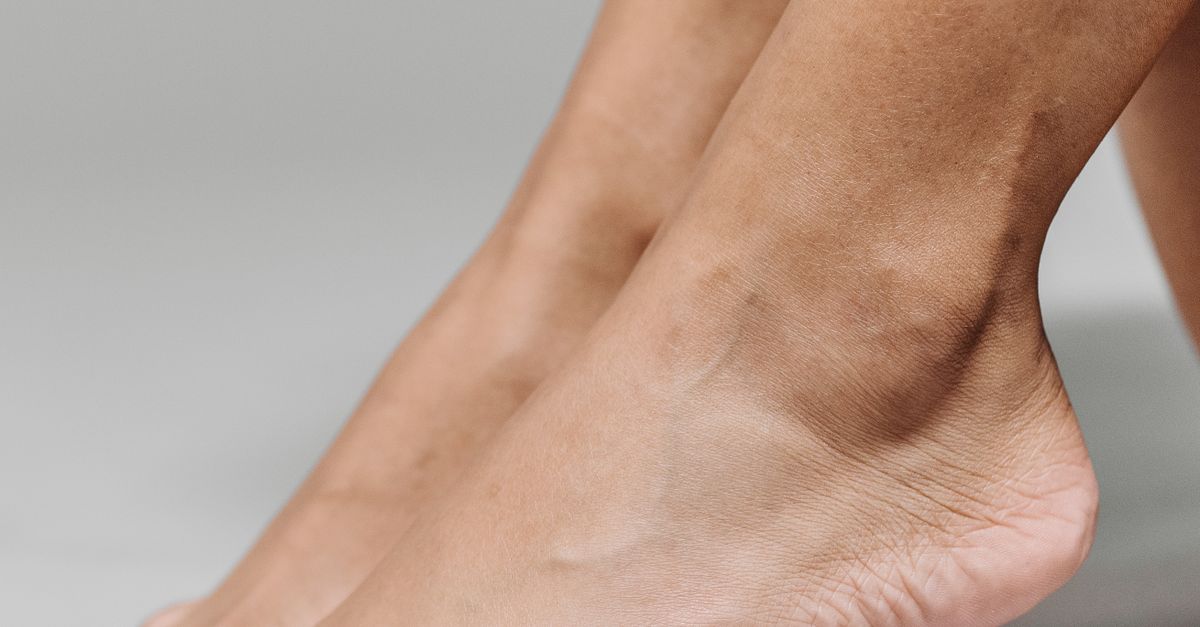
Haglund's deformity is a bony enlargement on the back of the heel bone (calcaneus), just above where the Achilles tendon attaches. Rigid shoe backs rub against this bump and can inflame the nearby bursa and tendon, causing pain, swelling, and redness at the back of the heel. Management focuses on removing pressure from the bump through footwear changes, heel lifts, ice, and calf stretching, with a podiatrist guiding care when symptoms persist. The bone itself does not shrink on its own, but the inflammation around it can settle once the friction stops.
You usually notice it when you slip on stiff dress shoes or work boots. A sore, swollen knob at the back of your heel throbs right where the shoe's back edge digs in, and that knob may be Haglund's deformity. The condition is an enlargement of the heel bone nicknamed "pump bump" because rigid-backed pumps aggravate it so reliably.
The bump is bone, so it causes no pain on its own. Pain starts when something keeps rubbing it and the soft tissue between the bone, the Achilles tendon, and your shoe becomes inflamed. This guide is for you if posterior heel pain flares in certain shoes, or if you have just received the diagnosis and want to understand it.
It covers the anatomy behind the bump, its link to Achilles bursitis, the footwear and heel lift changes that relieve pressure, where seated foot massage fits, and the signs that it is time to see a podiatrist.
What Causes Haglund's Deformity?
Cleveland Clinic describes this condition as a bony bump on the back of the heel. To understand why it hurts, it helps to look at what sits around that bump.
The Anatomy Behind the Bump
The calcaneus is the largest bone in the foot. The Achilles tendon anchors to its back surface and connects the two main calf muscles, the gastrocnemius and soleus, to the heel. Just above that attachment sits the upper back corner of the bone, called the posterosuperior aspect. With Haglund's, that corner is enlarged and protrudes toward both the tendon and the back of your shoe.
Two small, fluid-filled sacs called bursae reduce friction in this area. The retrocalcaneal bursa lies between the heel bone and the Achilles tendon. The subcutaneous calcaneal bursa lies between the tendon and the skin. Both can become inflamed when the bump is repeatedly compressed.
Factors That Contribute
Several factors influence whether the bump forms and whether it becomes painful:
- Rigid heel counters (the stiff back section of a shoe) that press on the heel with every step
- Inherited heel bone shape, since the prominence can run in families
- High arches, which tilt the heel bone so its back corner sits closer to the tendon
- A tight Achilles tendon, which increases pressure between tendon and bone
- Walking on the outer edge of the heel, which changes how the bone rubs against the tendon
Footwear does not create the underlying bone shape, but it is the most direct irritant. Repeated friction can also contribute to further enlargement of the bump over time.
Recognizing the Symptoms
The signs tend to cluster at the back of the heel and worsen in closed-back shoes:
- A visible, firm bump at the back of the heel
- Pain where the Achilles tendon attaches to the heel
- Swelling, redness, or warmth over the bump
- Tenderness to touch
- Thickened skin or blisters where the shoe rubs
Haglund's differs from a plantar heel spur, which forms on the underside of the heel near the plantar fascia attachment. If your pain sits under the heel rather than behind it, this guide to heel spur relief and management covers that condition in more detail.
Why the Bump Inflames the Achilles Area
The bump itself is only half the story. The pain comes from what happens to the bursae and tendon pinched between bone and shoe.
Achilles Bursitis
When the retrocalcaneal bursa is squeezed between the bump and the tendon, it fills with fluid and swells. This is retrocalcaneal bursitis, and it produces a deep ache just in front of the tendon. When the shoe irritates the superficial bursa between tendon and skin, redness and swelling show up right at the surface.
When the bony prominence and bursitis occur together, clinicians sometimes call the combination Haglund's syndrome.
Insertional Achilles Irritation
Repeated friction can also irritate the Achilles tendon where it attaches to the heel. The tendon may thicken and feel stiff, especially first thing in the morning or after sitting. For tendon-specific guidance, read more about massage for Achilles tendonitis.
Certain activities pull the tendon tight over the bump and tend to provoke flares:
- Walking uphill or climbing stairs
- Long stretches in stiff dress shoes, work boots, ice skates, or ski boots
- Sudden increases in walking or standing time
Why Pressing on the Bump Makes It Worse
Direct pressure keeps the inflammation going. Rubbing, kneading, or pushing a massage tool into an inflamed bump compresses the same bursa and tendon your shoe is already irritating. Keep massage, rolling tools, and heat off the bump itself, and focus on the calf and the sole of the foot instead.
Footwear Changes and Heel Lifts
Conservative care starts with one goal: stop the friction. For a flare caused by shoe pressure, changing what touches the back of your heel often matters more than anything else you do.
Choosing Shoes That Spare the Heel
Look at the heel counter first. Press it with your thumb, and if it does not give, it will likely press into the bump. Better options include:
- Open-back shoes, backless clogs, or sandals with a strap that sits below the bump
- Shoes with a soft, padded heel counter
- A counter whose top edge sits clear of the bump rather than across it
- Enough length and depth that your heel does not push into the back of the shoe
Shop for shoes later in the day, when feet are slightly swollen, so the fit reflects how the shoe will feel during a full day.
Heel Lifts and Padding
A heel lift is a small wedge placed under the heel inside the shoe. It raises the heel slightly, which reduces tension on the Achilles tendon and changes where the shoe's top edge meets the back of your heel. Use lifts in both shoes to keep your stride balanced, and ask a podiatrist what height suits your foot.
Gel heel sleeves and donut-shaped pads can also add a cushion between the shoe and the bump. They work best in shoes that already have a soft counter, since padding inside a rigid shoe can tighten the fit.
Other At-Home Measures
Ice can calm a flare. Wrap a cold pack in a thin towel and rest it lightly against the area for about 15 minutes, without pressing it into the bump. Gentle calf stretches, such as leaning into a wall with the back knee straight, reduce the pull of the Achilles on the heel. Ask your doctor or pharmacist whether an over-the-counter anti-inflammatory is appropriate for you.
Where Massage Fits With Haglund's Deformity
Massage will not shrink the bump or change the shape of the bone. What it can do is keep blood moving through the lower leg while you rest and keep the calf muscles from stiffening, all without adding pressure to the back of the heel.
Why the Calves Matter
The gastrocnemius and soleus feed directly into the Achilles tendon. When they stay tight and inactive, the tendon pulls harder against the heel, and blood moves sluggishly through the lower leg during long periods of sitting. Working the calves, rather than the heel, addresses that chain from the top down. Calf activation pushes blood upward, supporting blood flow around strained areas.
How a Seated Foot Massager Works Here
Foot massagers are often sold as vibration massagers. MedMassager uses oscillating technology to deliver deeper, more controlled vibration than conventional massagers. The MedMassager Foot Massager oscillates in a circular motion beneath your feet while you sit, and that circular oscillating action carries up into the calves so those muscles do the work. Gentle, repeated movement helps keep blood from pooling in the lower leg during long stretches of sitting.
Your soles rest flat on an open, flat platform, so contact stays on the bottom of the foot while the back of the heel touches nothing. Because the platform is open, nothing wraps around the bump. The Foot Massager is an FDA-registered Class I medical device, and the full range of therapeutic foot massagers is designed to complement footwear changes and your podiatrist's plan, not replace them.
What to Avoid
Some massage approaches put pressure exactly where you do not want it:
- Handheld tools or rollers pressed directly against the bump
- Enclosed foot massagers with nodes or air compression that wrap around the heel
- Heat applied directly to a swollen, red bump
- Continuing any massage through sharp pain at the back of the heel
A Seated Foot Massager Routine
This routine keeps all contact on the soles and lets the calves do the work while the back of your heel stays untouched. If your heel pain is linked to Haglund's or Achilles irritation, the aim is steady calf movement without heel pressure. The circular oscillating action creates continuous, repetitive movement in the foot and calf, which supports circulation during use and keeps blood from pooling in the feet.
- Sit upright in a sturdy chair with your knees bent at roughly a right angle.
- Remove your shoes. Place both feet flat on the platform so the soles carry the contact and the back of each heel is free.
- Start with about 10 minutes at the lowest setting, once or twice a day.
- Raise the intensity gradually over the first week or two, only if your heel stays comfortable during and after each session.
- Follow the session with a gentle calf stretch while the muscles are warm.
- Stop if pain at the back of the heel increases, and mention it at your next podiatry visit.
An evening session after your shoes come off for the day fits naturally into this plan. You can browse the MedMassager Foot Massager collection to find an adjustable intensity range that suits you. Before starting any routine, ask your own care team whether a seated foot massager makes sense for your situation.
When to See a Podiatrist
Footwear changes resolve many flares, but some heel pain needs a professional evaluation. A podiatrist can confirm the diagnosis and rule out conditions that look similar.
Warning Signs
- Heel pain that has not improved after a few weeks of footwear changes and rest
- Swelling, redness, or warmth that keeps increasing
- A sudden sharp pain or popping sensation at the back of the heel, which needs prompt care
- Difficulty walking or rising onto your toes
- Broken skin, drainage, or fever around the bump
- Diabetes, neuropathy, or poor circulation alongside any heel problem
What a Podiatrist May Recommend
Diagnosis usually involves a physical exam and an X-ray to show the shape of the heel bone. In some cases, imaging such as an ultrasound or MRI helps evaluate the bursa and Achilles tendon. Treatment may include custom orthotics, a walking boot to rest the area, physical therapy, or prescription anti-inflammatory options.
When conservative care fails, surgery may remove the excess bone and, if needed, address damage to the Achilles tendon. Recovery after surgery follows a structured plan, so ask your surgeon or care team when, and whether, any foot massage fits into it.
Frequently Asked Questions
What does a Haglund's bump look like?
It appears as a firm, bony knob at the back of the heel, slightly above where the Achilles tendon attaches. When irritated, the skin over it may look red, swollen, or thickened from shoe friction. It often appears on both heels, though one side may hurt more than the other.
Does a pump bump go away on its own?
The bony enlargement does not go away without surgery, because it is part of the heel bone. The inflammation in the surrounding bursa and tendon can settle once the friction stops. Footwear changes, heel lifts, ice, and calf stretching are the usual first steps.
What shoes are best for a pump bump?
Open-back shoes, backless clogs, and sandals with straps below the bump keep pressure off the heel. Closed shoes should have a soft, padded heel counter that does not press across the bump. Avoid stiff dress shoes, rigid work boots, and skates or ski boots during a flare when possible.
Is Haglund's the same as Achilles bursitis?
No, they are related but distinct. Haglund's is the bony enlargement itself, while Achilles bursitis is inflammation of the fluid-filled sacs near the tendon. The bump frequently causes bursitis by compressing those sacs, and the two together are sometimes called Haglund's syndrome.
Should you massage a Haglund's bump?
You should not press on or rub the bump, especially when it is inflamed. Direct pressure compresses the same bursa and tendon that are already irritated and can prolong the flare. Gentle massage of the calf muscles and the sole of the foot is a safer approach.
Can a foot massager help with heel pain from Haglund's?
A seated foot massager will not change the bump, but it can keep the lower leg moving without touching the back of the heel. A platform massager that oscillates in a circular motion works the calves through the soles, and calf activation pushes blood upward, supporting blood flow around strained areas. Choose a model where the heels rest flat on a platform rather than inside an enclosed chamber, and check with your podiatrist first.
The Bottom Line
Haglund's deformity is bone, so the bump does not shrink on its own, but the pain around it depends largely on how much friction it takes. Softer heel counters, heel lifts, ice, and calf stretching remove the pressure that inflames the bursa and Achilles tendon. Massage belongs on the calves and soles, never on the bump itself.
If you want a way to keep your lower legs moving while you sit, with nothing pressing on the back of your heel, explore MedMassager's seated foot massagers and talk with your podiatrist about how one fits into your plan. The circular oscillating action creates continuous, repetitive movement in the foot and calf, which supports circulation during use while the back of the heel stays untouched.
This content is for informational purposes only and is not intended as medical advice, diagnosis, or treatment. Always consult a qualified healthcare professional before starting any new treatment or therapy. MedMassager products are FDA-registered Class I medical devices.


