
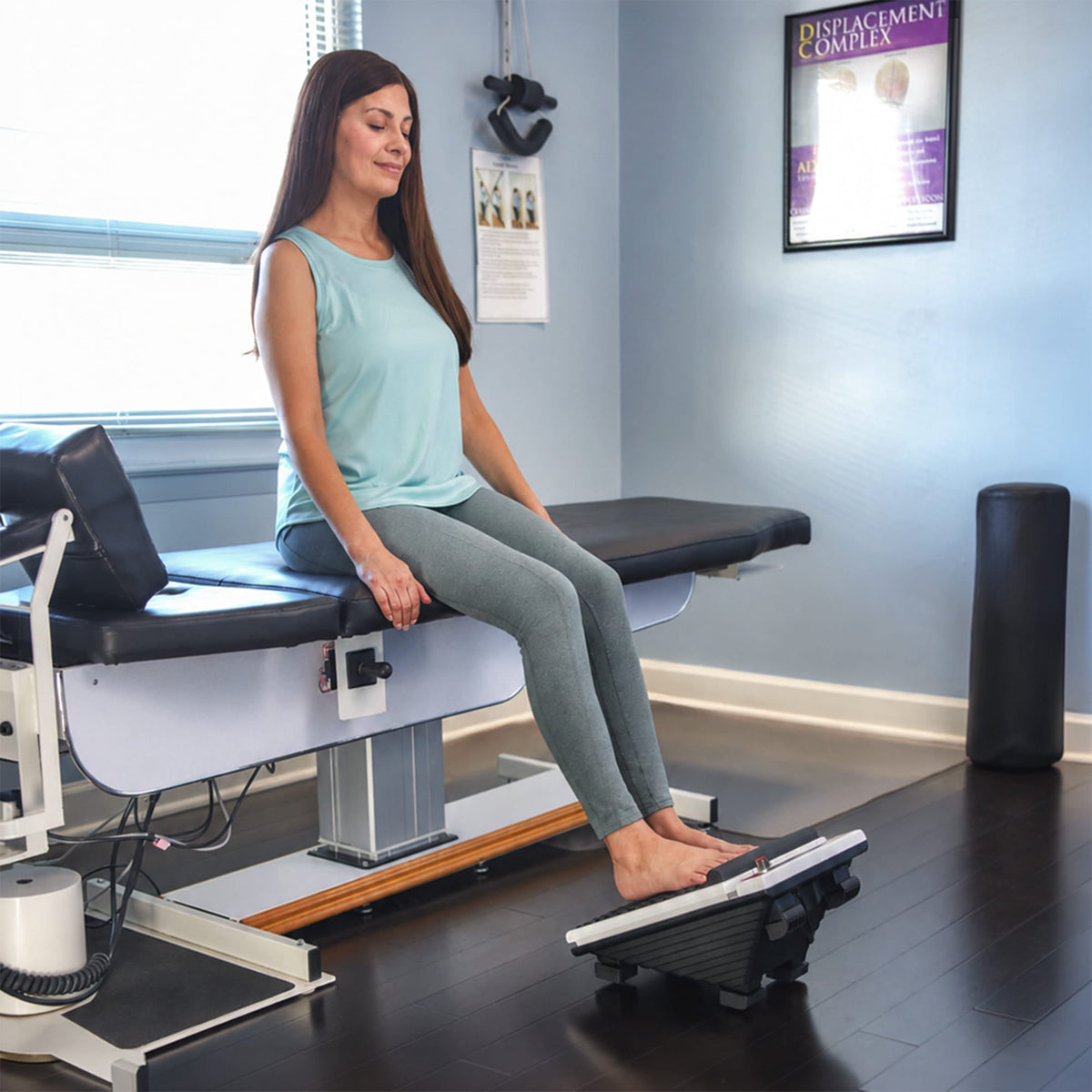
The best foot massagers for assisted living facilities are designed for seated use, have an open flat platform that residents can rest their feet on without bending or strapping in, and offer adjustable intensity settings. Facilities should screen every resident before use and require clinician sign-off for anyone with diabetes, reduced foot sensation, or a circulation condition. Sessions work best when staff supervise them, start at low intensity, wipe the unit down between residents, and schedule use alongside existing seated activities.
If you run activities or wellness programming at a senior living community, residents, family members, or your leadership team have probably asked you about foot massagers for assisted living facilities. Buying for a facility is a different decision than buying one massager for a single person at home. Many residents will share the same equipment. Staff will need to clean and supervise it, and it has to work for people with very different health histories and mobility levels.
This guide is for activity directors, wellness coordinators, and administrators making that evaluation. It assumes your residents spend much of the day seated, that some of them live with diabetes or neuropathy, and that your nursing team will want a say in who uses what. The sections below cover why foot circulation matters for residents, how oscillating massagers work, which features to require, how to screen and supervise residents, and how to fit sessions into a weekly activity calendar.
Why Residents' Feet Need Regular Movement
Foot and lower-leg circulation is one of the quieter challenges in senior living. Residents with limited mobility often sit for hours at a time. They also tend to have the conditions that make good blood flow in the feet harder to maintain.
Long Hours in a Chair
When a person walks, the calf muscles contract and squeeze the veins in the lower leg, which pushes blood back up toward the heart. This is often called the calf muscle pump. When a person sits for long stretches, that pump does much less work.
The result is familiar to anyone who works in senior care. Blood moves more slowly through the lower legs, and feet and ankles may swell, feel cold, or stiffen by the end of the day. For residents who use wheelchairs or walk only short distances, these periods of stillness can make up most of their waking hours.
Conditions Common in Senior Living
Many residents live with at least one condition that affects the feet. Mayo Clinic describes peripheral neuropathy as damage to the nerves outside the brain and spinal cord, which often causes numbness, weakness, and pain in the hands and feet. Conditions your nursing team likely tracks include:
- Diabetes, which can affect both the nerves and the blood vessels in the feet
- Peripheral neuropathy, which reduces a person's ability to feel pressure, heat, or injury
- Peripheral artery disease, a narrowing of the arteries that reduces blood flow to the legs
- Swelling (edema) in the feet and ankles, often linked to long periods of sitting, heart conditions, or certain medications
- Arthritis in the feet, ankles, or knees that discourages walking
These same conditions are why screening matters so much in a facility setting. A resident with reduced sensation may not notice discomfort that someone else would report right away.
How Oscillating Foot Massagers Support Residents
Many facility teams start their search with terms like "vibrating foot massager," because vibration is the category most people know. MedMassager uses oscillating technology to deliver deeper, more controlled vibration than conventional massagers. The platform oscillates in a circular motion, which moves the feet and engages the lower leg instead of simply buzzing against the skin.
Passive Movement for Seated Residents
For a resident who can't walk far, the circular oscillating action adds movement to time that would otherwise be spent sitting still. The resident stays seated with their feet resting on the platform while the massager does the work. In practice, a session provides:
- Continuous movement through the feet and ankles without walking
- Engagement of the calf muscles that help return blood toward the heart
- A break in long periods of stillness during the day
MedMassager's therapeutic foot massagers are FDA-registered Class I medical devices built around this mechanism. Their intensity settings can be turned down for frail or sensitive residents.
Residents With Diabetes or Neuropathy
For residents with diabetes, repeated foot motion activates the calf muscles, pushing blood upward instead of letting it pool in the feet. For residents living with neuropathy, continuous movement helps keep blood flowing through the feet when natural movement is limited.
These are also the residents who need clinician sign-off before their first session, as covered in the screening section below. A massager works alongside the care plan that your nursing team and residents' physicians already manage. It does not replace that care.
Choosing Foot Massagers for Assisted Living Facilities
A facility's buying criteria differ from a household's. You are choosing equipment that many people will share, that staff need to oversee, and that residents with stiff joints and limited reach have to get into comfortably. These are the features that matter most.
Seated Use and an Open Platform
Foot massagers are used seated, and that is the right fit for senior living. An open, flat platform lets a resident place their feet on the unit without bending forward to buckle straps or working their feet into enclosed chambers. That matters for residents with arthritis, back stiffness, or limited reach.
An open platform also keeps the resident's feet visible for the whole session. Staff can watch for changes in skin color, swelling, or discomfort without stopping the massager. Vibration plates are a different category of product that people stand on. They do not belong in a seated activity program.
Adjustable Intensity for Mixed Populations
Your residents will range from active, independent adults to people with significant frailty. Multiple intensity settings let one unit serve that whole range. A clinician can approve a resident for the lowest setting only, and staff can follow that instruction at every session.
Look for settings that are simple to read and change, so a rotating group of staff members can apply them consistently.
Shared-Use Hygiene
Shared equipment needs a wipe-down routine that staff can complete in under a minute between residents. A simple routine looks like this:
- Ask residents to wear clean socks during sessions
- Wipe the platform with a facility-approved cleaner that is compatible with the manufacturer's care instructions
- Avoid saturating the unit with liquid
For product-specific guidance, see this article on how to clean and maintain a foot massager. Fold its steps into your infection control protocol.
Comparing Common Massager Types
| Type | How it is used | Facility considerations |
|---|---|---|
| Open-platform oscillating foot massager | Seated, with the feet resting on a flat platform | Feet stay visible to staff, intensity is adjustable, and the surface is easy to reach for wipe-downs |
| Enclosed shiatsu-style foot massager | Seated, with the feet enclosed inside the unit | Feet are hidden during use, residents with swelling or stiff ankles may struggle to fit in, and interior chambers need more attention during cleaning |
| Vibration plate | Stood on | Not a foot massager, requires standing balance, and is not suited to seated programming |
Before purchasing, confirm each unit's regulatory status for your files. MedMassager Foot Massagers are FDA-registered, which gives purchasing committees a useful documentation point. Their circular oscillating action creates continuous, repetitive movement in the foot and calf, which supports circulation during use. If your community also wants options for backs, shoulders, or legs, the full MedMassager catalog covers those categories as well.
Screening and Supervising Residents Safely
Screening is the single most important part of a facility foot massager program. The equipment itself is simple to use. Deciding who should use it, and at what setting, requires clinical judgment.
Who Needs Clinician Sign-Off
Ask a nurse, physician, podiatrist, or physical therapist to review and document clearance in the care plan for any resident with:
- Diabetes
- Peripheral neuropathy or any reduced sensation in the feet
- Peripheral artery disease or another circulation condition
- A history of blood clots, or any suspected clot
- Open wounds, ulcers, skin infections, or recent foot or ankle surgery
- A recent fracture, sprain, or unexplained swelling
Clearance matters because the massager's circular oscillating action moves the feet and lower legs continuously. The resident's care team should decide whether that movement is appropriate for their condition, and at what intensity. Many facilities simply require sign-off for every resident, which removes guesswork for activity staff.
What Supervision Looks Like
A staff member should be present for every session, especially when residents have reduced sensation or cognitive impairment. Check each resident's feet before and after the session. Look for redness, marks, or color changes, and ask how their feet feel.
Stop the session right away if a resident reports pain, new numbness or tingling, dizziness, or distress. Also stop if you notice skin discoloration. Record what happened and notify the nursing team before that resident uses the massager again.
Fitting Sessions Into Your Activity Schedule
Foot massager sessions fit well into programming you already run. Residents are seated, staff are present, and the session can happen alongside another activity instead of competing with it.
A Sample Session Routine
- Pair it with a seated activity. Movie afternoons, music hours, reading groups, card games, and the cooldown after chair exercise all work well.
- Work from a cleared roster. Only residents with documented clearance and an approved intensity setting take part.
- Position the resident. Seat them in a sturdy chair with back support, with their feet resting flat on the platform and their knees comfortably bent. Residents who use wheelchairs can often stay in their chair with the footrests moved aside, if their care team agrees.
- Start low and short. Use the lowest setting and keep first sessions to about 10 minutes. Increase the time or intensity only within the limits the clinician approved and as the resident stays comfortable.
- Wipe down between residents. Clean the platform after each session before the next person sits down.
- Log the session. Record the resident's name, the date, the duration, the setting used, and any notes for nursing.
Scheduling Across a Week
A few scheduled sessions per week, rather than open, unsupervised access, are easier to supervise and track. If ten residents are cleared and each session runs 10 to 15 minutes, a one-hour block covers about four residents per unit. A facility with interest across several floors may want more than one unit. Browsing the MedMassager Foot Massager collection can help you plan how many units your roster size calls for.
Running a Foot Massager Program in Assisted Living
A successful rollout depends as much on people and process as on the equipment. Three areas deserve planning before the first session.
Staff Training
Every staff member who runs a session should get the same short orientation. Cover these topics:
- How to read the cleared roster and approved settings
- Seated positioning and foot checks before and after each session
- Signs that mean a session should stop
- The wipe-down and logging routine
Memory Care Residents
Residents with dementia may not be able to describe discomfort, so watch their body language closely. Keep sessions short, use the lowest setting, and run them in a calm space with a familiar staff member present. Some residents settle into the routine easily, while others may find the sensation unfamiliar. Let comfort guide whether to continue.
Communicating With Families
Families often ask about new equipment. Explain that sessions are optional, supervised, and cleared by the care team. Describe the program as one part of seated activity programming, not as treatment for any condition. Clear framing helps set realistic expectations.
Frequently Asked Questions
Are foot massagers safe for seniors in assisted living?
Foot massagers can be a reasonable part of seated activity programming when residents are screened and sessions are supervised. Residents with diabetes, neuropathy, circulation conditions, a history of blood clots, or open wounds need clinician clearance first. Staff should check feet before and after each session and stop if a resident reports pain or discomfort.
Can residents with diabetes use a foot massager?
Many residents with diabetes can use a foot massager once their physician or nurse has approved it and set an intensity limit. On an oscillating model, repeated foot motion activates the calf muscles, pushing blood upward instead of letting it pool in the feet. Because diabetes can reduce sensation, staff supervision and foot checks are essential for these residents.
How often should assisted living residents use a foot massager?
A few supervised sessions per week is a practical starting point for most programs. First sessions should run about 10 minutes at the lowest setting. Frequency and duration should then follow each resident's clinician guidance and comfort.
How do you clean a foot massager between residents?
Have residents wear clean socks, then wipe the platform after every session with a facility-approved cleaner that is compatible with the manufacturer's care instructions. Avoid saturating the unit with liquid. Add the wipe-down to your session log so staff complete it consistently.
Can residents in wheelchairs use a foot massager?
Many wheelchair users can stay seated in their chair with the footrests moved aside and their feet resting on the platform. Their care team should confirm that the position and the movement are appropriate. A staff member should help with positioning and stay present for the session.
Should residents ever stand on a foot massager?
No. Foot massagers are designed for seated use only, with the feet resting on the platform. Products that people stand on, such as vibration plates, are a different category and are not appropriate for seated senior programming.
What features should a facility look for in a foot massager?
Look for seated use, an open flat platform that doesn't require bending or strapping in, and adjustable intensity settings that let staff follow clinician-approved limits. The platform should also be easy to wipe down between residents. Confirming regulatory status, such as Class I medical device registration, helps with procurement documentation.
Foot Massagers for Assisted Living: The Bottom Line
The right foot massagers for assisted living facilities are seated-use units with an open platform, adjustable intensity, and surfaces staff can clean quickly between residents. Equipment is only half the decision, though. Clinician screening, supervised sessions, and a consistent wipe-down routine are what make a program work for many residents at once.
MedMassager has built therapeutic massagers for more than 15 years, and its Foot Massagers are FDA-registered Class I medical devices with a circular oscillating platform designed for seated use. When you're ready to compare options, explore MedMassager Foot Massagers for your community.
This content is for informational purposes only and is not intended as medical advice, diagnosis, or treatment. Always consult a qualified healthcare professional before starting any new treatment or therapy. MedMassager products are FDA-registered Class I medical devices.


