
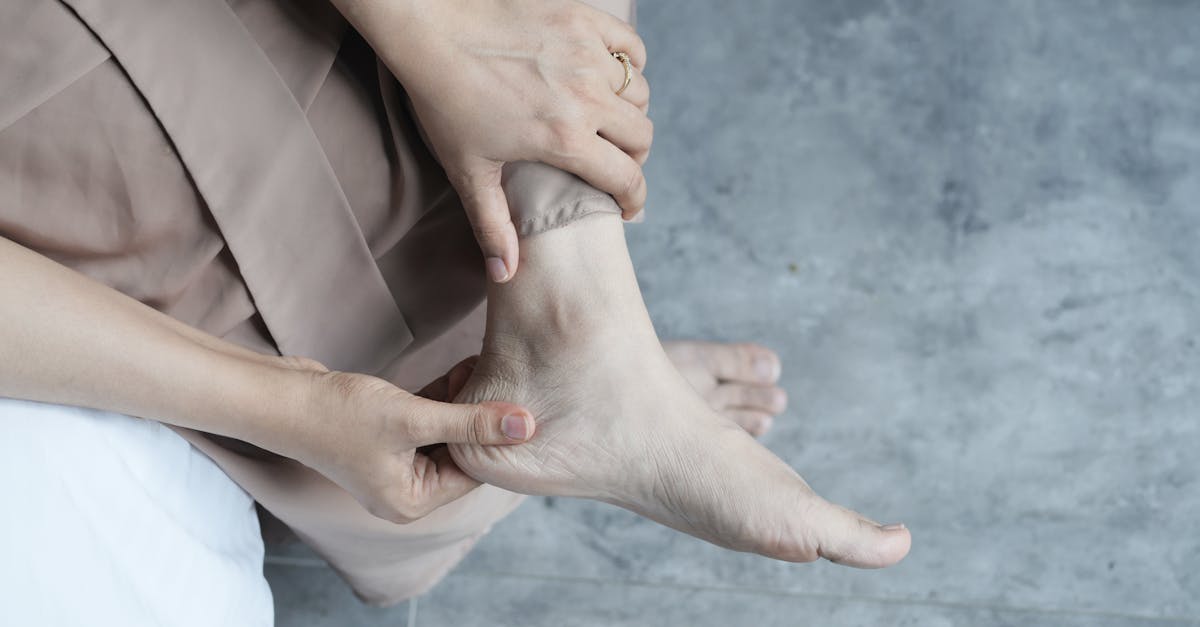
The best foot massagers for swollen feet and ankles use oscillating or mechanical motion to activate the calf muscles, pushing pooled blood and fluid upward out of the lower legs rather than letting it settle. Look for a massager with a wide, stable platform, variable speed settings, and enough power to penetrate through swollen tissue — not just surface-level vibration. MedMassager's FDA-registered Class I therapeutic foot massagers are built specifically for people managing circulation-related conditions, including swelling in the feet and ankles, and are used in physical therapy clinics nationwide.
Swollen feet and ankles have a way of making every part of the day harder. Standing hurts. Sitting with your feet down makes it worse. Even getting your shoes on in the morning can feel like a small ordeal. If you've been searching for the best foot massager for swollen feet and ankles, you've probably already tried elevating your legs, compression socks, and the usual advice — with mixed results.
The right massager can do something those other approaches can't: actively move the muscles in your feet and calves, driving fluid upward rather than just passively containing it. But not all foot massagers are designed for swelling, and choosing the wrong one means wasted money at best, discomfort at worst. This guide covers what causes foot and ankle swelling, what features actually help, and which massager is best suited for people managing this condition.
Why Feet and Ankles Swell
Swelling — clinically called edema — occurs when fluid accumulates in the tissue surrounding the feet and ankles. The causes vary, but most share a common root: impaired fluid return from the lower extremities back toward the heart.
The Role of Gravity and the Venous System
Your circulatory system has to work against gravity to move blood from the feet back to the heart. The venous valves in your legs act as one-way gates, preventing backflow. When those valves weaken — a common feature of chronic venous insufficiency — blood pools in the lower legs, and the fluid component leaks into surrounding tissue, causing visible swelling.
The Mayo Clinic notes that prolonged sitting or standing is one of the most common contributors to ankle and foot edema, particularly in people who spend long hours in the same position.
Common Causes of Swollen Feet and Ankles
Edema in the feet and ankles can stem from a wide range of causes. Some are lifestyle-related and respond well to at-home management; others are associated with underlying medical conditions that require physician involvement.
- Prolonged sitting or standing — fluid pools when the calf muscle pump is inactive
- Chronic venous insufficiency — weakened vein valves allow blood to back up in the lower legs
- Lymphedema — impaired lymphatic drainage causes fluid to collect in soft tissue
- Pregnancy — increased blood volume and pressure on pelvic veins restricts return flow
- Medications — certain blood pressure drugs, corticosteroids, and NSAIDs can cause fluid retention
- Diabetes — vascular and nerve changes reduce the efficiency of circulation in the lower extremities
- Heart, kidney, or liver conditions — organ-related edema often appears first in the feet and ankles
- Injury — sprains and strains trigger local inflammatory swelling as part of the healing response
The Calf Muscle Pump
Every time the calf contracts — during walking, for example — it squeezes the deep veins of the lower leg, pushing blood upward toward the heart. When this pump is inactive during sitting, bed rest, or sedentary work, venous return slows and fluid accumulates. This is precisely the mechanism that a good oscillating foot massager is designed to replicate.
How Foot Massage Reduces Swelling
The benefit of using a foot massager for swollen ankles isn't about relaxation — it's about mechanics. The right device works by activating the muscle tissue in the feet and calves through repeated oscillating motion, recreating the circulatory effect of gentle movement when full activity isn't possible.
Mechanical Fluid Movement
Repeated foot motion activates the calf muscles, pushing blood upward instead of letting it pool in the feet. This calf activation is the most direct mechanical benefit of using a therapeutic foot massager for edema. Unlike heat wraps or passive compression socks, an oscillating foot massager introduces rhythmic movement that mimics the biomechanics of walking — without requiring you to stand or bear weight.
Lymphatic Support Through Motion
The lymphatic system, unlike the vascular system, has no pump of its own. It relies entirely on muscle movement and pressure changes to move lymphatic fluid toward drainage sites. For people managing mild lymphedema or post-injury swelling, mechanical movement of the foot and lower leg tissue provides the repeated compression-and-release cycle that helps lymph move.
Research in manual lymphatic drainage supports the principle that rhythmic compression promotes lymphatic flow, even when applied passively.
Why Oscillation Outperforms Basic Vibration
Standard vibration massagers produce high-frequency surface-level buzz that stimulates skin receptors but doesn't penetrate deep enough to meaningfully activate the calf muscle pump. Oscillating technology — which moves the foot platform in a controlled back-and-forth arc — engages the foot and lower leg musculature more deeply, creating the actual muscle activation needed to support venous return.
MedMassager's therapeutic foot massagers use oscillating technology to deliver deeper, more controlled stimulation than conventional vibrating pad massagers.
What to Look for in a Foot Massager
Not every foot massager on the market is appropriate for edema or swollen ankles. Some devices marketed for relaxation use surface massage nodes, heat only, or low-power vibration — none of which provide the mechanical calf activation needed to support circulation. Here's what to evaluate before purchasing.
Power and Penetration Depth
Swollen tissue is denser than healthy tissue. A massager that works fine for post-workout soreness on a healthy foot may not generate enough mechanical input to penetrate through edematous tissue and activate the underlying musculature.
Look for a massager with a wide enough speed range to start gentle for acute or sensitive swelling, and scale up to deeper oscillation as tolerance improves. Professional-grade oscillating massagers used in physical therapy settings are generally built to deliver this range. Consumer-grade heat-and-bubble spa foot baths are not.
Platform Design and Foot Coverage
For edema specifically, the foot platform should contact as much of the foot and ankle as possible. A massager that only targets the arch misses the forefoot and heel, where fluid also accumulates. Wide platforms with ankle coverage or the option to elevate the foot for better contact are preferable.
Avoid massagers that require tight insertion of the foot into a narrow cavity — this can create uncomfortable pressure on swollen tissue.
Variable Speed Control
Swelling varies from day to day. On days when swelling is significant, lower-intensity oscillation is safer and more comfortable. On days when swelling has partially resolved, higher intensity provides more therapeutic benefit. A single-speed massager removes this control, which is a meaningful limitation for anyone managing chronic edema.
- Low speed settings: appropriate for acute swelling, post-injury inflammation, or sensitive circulation conditions
- Mid-range speeds: effective for daily maintenance and mild-to-moderate chronic edema
- Higher speeds: used when swelling is well-controlled and the goal is preventive circulation support
FDA Registration
For anyone managing a medical condition that causes swelling — including venous insufficiency, diabetes, or lymphedema — using an FDA-registered Class I medical device matters. FDA registration means the manufacturer has met specific standards for safety, manufacturing quality, and appropriate device classification.
Many spa-style foot massagers on the market are consumer wellness devices, not medical devices, and carry no FDA registration. If circulation support is your primary goal, this distinction is worth prioritizing.
Durability and Build Quality
People managing chronic swelling use these devices regularly — often daily. Consumer-grade massagers with plastic housing, lightweight motors, and minimal warranty coverage tend to fail within months of daily use. Clinic-grade construction with metal housing, a more powerful motor, and a substantive warranty reflects the build quality required for frequent therapeutic use.
MedMassager Foot Massager: Built for Circulation
After more than 15 years of building therapeutic massagers, MedMassager's Foot Massager has become the standard recommendation in physical therapy clinics and medical offices for patients managing circulation-related conditions. It is the foot massager most commonly recommended for people dealing with swollen feet and ankles because of how it's designed — not as a spa device, but as a clinical therapeutic tool.
How It Works for Swollen Feet
The MedMassager Foot Massager operates on an oscillating platform that engages the foot, arch, and calf musculature simultaneously. Repeated foot motion activates the calf muscles, pushing blood upward instead of letting it pool in the feet and ankles.
The platform's surface also provides consistent mechanical input across the plantar fascia and heel, covering the full foot rather than isolated pressure points. This is the core mechanism that makes it effective for edema management: it replicates the calf pump action that the body relies on during walking.
Speed Range and Adjustability
The MedMassager Foot Massager offers variable speed settings from low to high, allowing users to calibrate intensity to match their current level of swelling and comfort. This range is critical for people managing day-to-day edema fluctuation.
Many users managing chronic venous insufficiency or post-surgical swelling start sessions at the lower end of the speed range and work up gradually as tissue responds. The wide range also makes this massager appropriate across multiple conditions — not just edema, but neuropathy, plantar fasciitis, and diabetic foot care as well.
Clinical and Professional Use
The MedMassager Foot Massager is used in physical therapy clinics, podiatry offices, and rehabilitation settings — a meaningful distinction from consumer wellness devices. This professional-grade adoption reflects the power output and build quality that separates it from spa-style foot baths and vibrating pads. The device is an FDA-registered Class I medical device, appropriate for people managing medical conditions that affect foot and ankle circulation.
Who It's Best For
The MedMassager Foot Massager is particularly well-suited for:
- People managing chronic venous insufficiency or mild lymphedema
- Individuals with diabetes-related circulation changes in the lower extremities
- Pregnant women experiencing third-trimester ankle swelling (with physician approval)
- People with desk jobs or sedentary work who develop end-of-day edema
- Post-surgical patients cleared by their physician for gentle mechanical movement
- Older adults experiencing age-related reduction in calf muscle pump efficiency
How to Use a Foot Massager for Swollen Ankles
Getting the most benefit from a therapeutic foot massager for swollen feet and ankles depends on how you use it, not just that you use it. Timing, duration, and position all affect how much fluid movement you'll achieve per session.
Positioning for Maximum Drainage
Before starting a session, elevate your legs for 10–15 minutes if possible. This uses gravity to help drain some accumulated fluid before you begin, so the massager is working with a partially reduced volume of swelling rather than the full load.
After the session, avoid immediately lowering your legs back to a dependent position — stay elevated for a few additional minutes to allow continued passive drainage.
Session Protocol
- Start on a lower speed setting, especially on days when swelling is significant or the feet are sensitive.
- Run the session for 10–20 minutes. Longer sessions don't necessarily produce proportionally greater benefit; consistent daily use is more effective than infrequent long sessions.
- Use the massager in the evening — this is when swelling typically peaks from a full day of activity or sitting, and when circulation support has the most impact.
- Keep feet flat on the platform throughout the session. Lifting the heel or toes reduces the calf activation effect.
- Gradually increase speed over the course of the session as the feet warm up and tissue becomes more responsive.
- Follow with compression if your physician has recommended it. Using the massager before applying compression socks can improve how effectively the socks maintain reduced swelling overnight.
Frequency and Consistency
For chronic edema, daily use produces better cumulative results than occasional sessions. The calf muscle pump works best when it's activated regularly — the therapeutic goal is to supplement the movement your vascular system isn't getting from walking.
Most users managing chronic venous swelling see the most consistent benefit from once-daily sessions, ideally at the same time each day to build a routine that supports circulation management.
Frequently Asked Questions
Can a foot massager help with swollen ankles?
Yes, an oscillating foot massager can help reduce ankle swelling by activating the calf muscles, which drives pooled blood and fluid upward out of the lower legs. This replicates the calf muscle pump — the same mechanism your body uses during walking to return venous blood to the heart. For people with lifestyle-related or venous insufficiency edema, consistent use of a therapeutic foot massager is a commonly recommended at-home support strategy. It is not a substitute for medical treatment of edema caused by heart, kidney, or liver conditions.
Is it safe to use a foot massager when feet are swollen?
For most people with mild to moderate edema from lifestyle causes or chronic venous insufficiency, using a foot massager on swollen feet is safe and beneficial. You should consult your physician before use if your swelling is sudden or unexplained, is accompanied by redness or warmth (which can indicate infection or deep vein thrombosis), or is caused by a serious underlying condition. People with diabetic peripheral neuropathy should use lower speed settings and monitor skin carefully due to reduced sensation in the feet.
How long should I use a foot massager for swollen feet?
Sessions of 10–20 minutes are generally sufficient for therapeutic benefit related to edema. Longer sessions do not proportionally increase fluid movement, and very long sessions on acutely swollen tissue can cause fatigue or temporary increased sensitivity. Daily consistency is more effective than occasional long sessions — a 15-minute daily routine produces better cumulative results than a 45-minute session once a week.
What is the difference between an oscillating and vibrating foot massager for swelling?
Oscillating foot massagers move the foot platform in a controlled back-and-forth arc that engages the foot and calf musculature at a mechanical level, actively stimulating the muscle contractions that support venous return. Standard vibrating massagers generate high-frequency surface-level sensation that stimulates skin and superficial nerve receptors but does not produce the same depth of muscle engagement. For swelling and edema specifically, oscillation is the more therapeutically relevant mechanism because it targets the calf muscle pump rather than surface sensation.
Can I use a foot massager for swelling during pregnancy?
Many pregnant women use therapeutic foot massagers to manage third-trimester ankle and foot swelling, which is caused by increased blood volume and reduced venous return due to uterine pressure on pelvic veins. Get explicit clearance from your OB or midwife before starting any new therapeutic device during pregnancy. Some reflexology-based pressure point massagers are contraindicated in pregnancy; oscillating platform massagers targeting circulation are generally discussed on a case-by-case basis with a healthcare provider.
Why do my feet and ankles swell at the end of the day?
End-of-day ankle and foot swelling is typically caused by prolonged sitting or standing, which inactivates the calf muscle pump and allows venous blood and interstitial fluid to gradually accumulate in the lower legs. Gravity pulls fluid downward continuously, and without regular movement to drive it back up, it pools in the feet and ankles by evening. This type of positional edema is among the most responsive to at-home circulation support strategies, including leg elevation, compression, and mechanical foot massage.
What features should I look for in a foot massager for edema?
For edema management, prioritize oscillating mechanism over surface vibration, variable speed control to adjust for daily swelling fluctuation, a wide foot platform that contacts the full plantar surface, and FDA registration as a medical device rather than a general wellness product. Build quality and durability matter because effective edema management requires consistent daily use over months or years — not occasional sessions with a device rated for light residential use.
The Bottom Line
Finding the best foot massager for swollen feet and ankles means looking past spa-style features and focusing on what actually supports circulation: oscillating mechanical motion that activates the calf muscle pump, variable speed control to manage sensitivity, and build quality that holds up to daily therapeutic use.
MedMassager's Foot Massager checks every one of those boxes — which is why it's used in physical therapy clinics and medical offices, not just on living room floors. It's designed for people who need real circulatory support, not just surface-level relaxation.
If you're managing chronic venous insufficiency, diabetes-related foot swelling, post-surgical edema, or persistent end-of-day ankle swelling from a sedentary job, this is the category of device worth investing in. Explore the full range of MedMassager therapeutic foot massagers to find the right fit for your needs. If you're also dealing with swelling or tension in the calves, lower back, or upper legs, the MedMassager Body Massager provides the same clinic-grade oscillating power to larger muscle groups — and pairs well with a daily foot massager routine for full lower-body circulation support.
This content is for informational purposes only and is not intended as medical advice, diagnosis, or treatment. Always consult a qualified healthcare professional before starting any new treatment or therapy. MedMassager products are FDA-registered Class I medical devices.


