
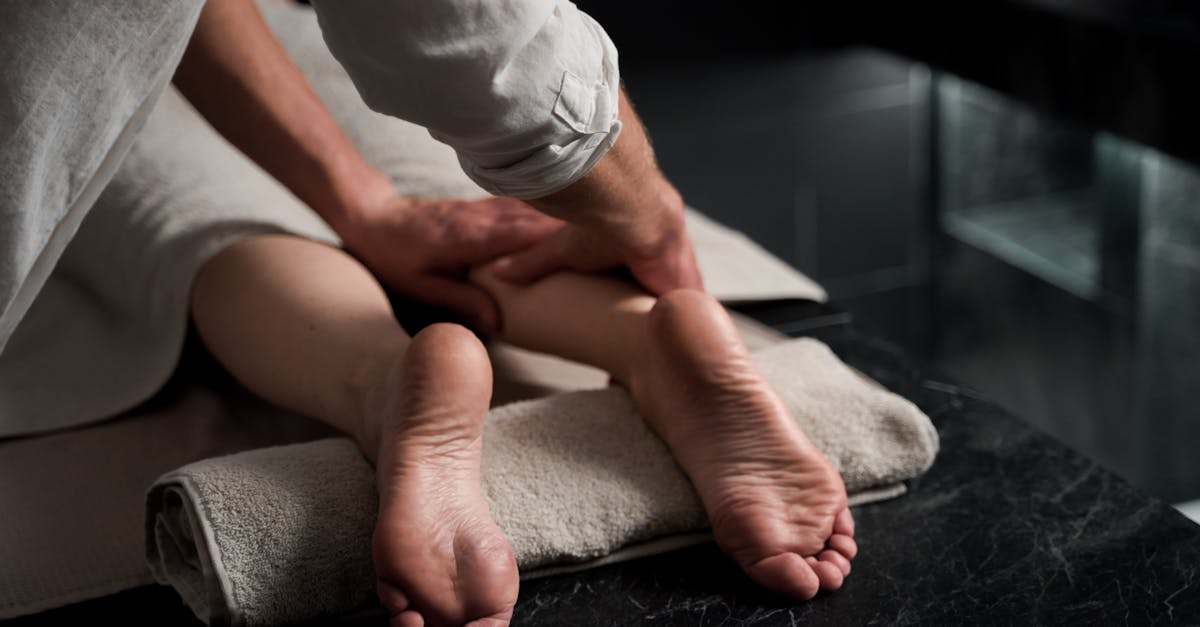
A foot massager for swollen feet works by stimulating circulation through repeated oscillating motion, which helps move fluid that has accumulated in the feet and ankles back into the bloodstream. Swelling in the feet, also called peripheral edema, is commonly caused by prolonged sitting or standing, poor circulation, or underlying conditions such as venous insufficiency. An oscillating therapeutic foot massager activates the calf muscles and surrounding tissue, encouraging fluid to move upward rather than pool in the lower extremities. MedMassager's FDA-registered Class I medical therapeutic foot massager is built for people managing chronic foot swelling and circulation-related conditions.
By late afternoon, shoes that fit fine in the morning suddenly feel tight, and your ankles look puffier than they should. Swollen feet are one of the most common complaints among people who sit at a desk all day, stand through long shifts, or manage circulation conditions like venous insufficiency or lymphedema. Finding a reliable foot massager for swollen feet can make a meaningful difference in daily comfort, but not every device is built the same way. This guide covers what causes foot swelling, how therapeutic massage addresses it, what to look for in a massager if you're managing edema, and which MedMassager product is best suited to the job.
Why Feet and Ankles Swell
Foot and ankle swelling — medically called peripheral edema — isn't random. It follows specific physiological patterns, and understanding those patterns helps explain why massage can be an effective part of managing it.
The Role of Fluid and Gravity
The body's circulatory and lymphatic systems are responsible for moving fluid through tissue and returning it to the bloodstream. When either system is compromised — or simply overwhelmed — fluid accumulates in the spaces between cells in the lower extremities. Gravity pulls fluid downward, and the feet and ankles are the lowest point, making them the first place swelling appears.
Prolonged sitting or standing reduces the pumping action of the calf muscles, which normally help push blood and lymph fluid back toward the heart. Without that movement, fluid sits in the feet and ankles longer than it should.
Common Causes of Swollen Feet
- Prolonged inactivity: Sitting or standing for extended periods slows calf muscle activation, reducing the body's natural fluid-return mechanism.
- Venous insufficiency: When leg veins have difficulty returning blood to the heart, blood pools in the lower legs, contributing to chronic swelling.
- Lymphedema: Impaired lymphatic drainage causes protein-rich fluid to build up in the tissue. This requires careful management and a physician's guidance before using any massage device.
- Pregnancy: Increased blood volume and pressure on the pelvic veins commonly cause foot and ankle swelling, particularly in the third trimester.
- Diabetes: Diabetic peripheral neuropathy and circulation changes both contribute to swelling and fluid retention in the feet.
- Medications: Certain blood pressure medications, corticosteroids, and anti-inflammatory drugs can cause or worsen peripheral edema as a side effect.
- Heart, kidney, or liver conditions: Organ-related edema often presents in the lower extremities. Anyone with edema tied to these conditions should work with a physician before adding massage therapy.
When Swelling Is a Warning Sign
Not all foot swelling is benign. Sudden swelling in one leg, swelling accompanied by chest pain or shortness of breath, or pitting edema that doesn't resolve with elevation are signs that require prompt medical evaluation. Deep vein thrombosis (DVT) can present as one-sided lower leg swelling with warmth or redness — a situation where massage is contraindicated and emergency care is needed.
If swelling is new, severe, or associated with other symptoms, see a physician before using any massager. The guidance in this post applies to people managing chronic, non-acute foot swelling from lifestyle or circulation-related causes.
How Foot Massage Reduces Swelling
Therapeutic massage works on swollen feet through two overlapping mechanisms: direct stimulation of blood flow and activation of the calf muscle pump. Understanding both helps you choose the right type of device.
Stimulating the Calf Muscle Pump
The calf muscles play a central role in venous return — when they contract, they compress the deep veins of the lower leg and push blood upward toward the heart. This is often called the "calf muscle pump" or "peripheral heart." When you're sitting still for hours, this pump stops working efficiently, and blood pools in the feet and ankles.
An oscillating foot massager activates the muscles of the foot and lower calf through continuous rhythmic motion, pushing blood upward instead of letting it pool. This replicates some of the benefit of light walking without requiring the foot to bear weight — which matters for people managing pain, fatigue, or mobility limitations.
Supporting Lymphatic Drainage
The lymphatic system doesn't have its own pump — it depends on muscle movement and external compression to move fluid. Gentle, sustained oscillation helps encourage lymphatic flow in the foot and ankle region, supporting the body's natural drainage pathways. This is why consistent, rhythmic motion is more therapeutically useful for edema than a single intense massage session.
Increasing Local Circulation
Oscillating motion increases blood flow to the surface and deep tissues of the foot, which helps warm the tissue and reduce the stiffness that often accompanies swelling. Better local circulation also supports tissue health — a priority for people managing diabetes or other conditions that compromise foot circulation.
MedMassager's therapeutic foot massagers use professional-grade oscillating technology to deliver this kind of sustained, effective motion. Unlike lower-end vibrating pad massagers, which create shallow surface-level stimulation, MedMassager's oscillation penetrates deeper muscle and tissue layers — the same approach used in physical therapy clinics.
What to Look for in a Foot Massager
If swelling is your primary concern, the buying decision is different than it would be for someone focused on sore muscles or plantar fasciitis. Here's what to evaluate:
Oscillation vs. Standard Vibration
Many foot massagers on the market use basic vibration motors that create surface-level buzzing. This feels stimulating, but the motion doesn't penetrate deeply enough to meaningfully activate the calf muscle pump or drive circulation changes in the lower leg. Oscillation — the technology MedMassager uses — creates a rocking motion that moves the foot and engages surrounding muscle tissue more fully.
When comparing massagers for swollen feet, look for devices that describe their mechanism as oscillating or that specifically reference therapeutic-grade or clinic-grade motion. Consumer-grade vibration pads are better than nothing, but they are not equivalent to a therapeutic oscillating device.
Speed Range and Adjustability
Swollen, sensitive feet often need to start at lower intensity, especially for people managing diabetes or neuropathy. A wide speed range — ideally with clearly defined low, medium, and high settings — lets you begin gently and increase intensity as your feet adapt. MedMassager's Foot Massager offers multiple speed settings, allowing people managing circulation conditions to find the right level of stimulation without discomfort.
Surface Area and Foot Positioning
For edema management, the massager should make contact with both the ball of the foot and the arch at minimum. Devices that only stimulate the heel or toes deliver incomplete circulation benefit. A full-foot oscillating platform is the most effective format for people managing swelling across the foot and ankle.
Ease of Use for Limited Mobility
People dealing with significant foot swelling often have reduced mobility, whether from weight, age, pain, or a related condition. Look for a massager with a low step-in height, non-slip feet, and controls that can be reached without bending down. MedMassager's Foot Massager is designed with a stable, low-profile platform that can be used from a seated position — which is also the ideal posture for managing edema, since the body is at rest and feet are slightly elevated.
FDA Registration
For people using a massager as part of managing a health condition, working with an FDA-registered Class I medical device matters. It signals that the manufacturer has met federal safety and quality standards — unlike unregistered consumer products that may make health claims without regulatory oversight.
MedMassager for Swollen Feet: Product Comparison
MedMassager makes two primary oscillating devices relevant to people managing foot swelling. Here's how they compare for this specific use case.
MedMassager Foot Massager
The Foot Massager is MedMassager's flagship therapeutic device and the most purpose-built option for people managing swollen feet. It uses a full-foot oscillating platform with multiple speed settings, delivering clinic-grade stimulation from a stable seated position. The device is built for extended daily sessions, which matters for people managing chronic edema — brief occasional use is less effective than consistent daily therapy.
It's particularly well-suited for people managing swelling related to:
- Venous insufficiency and poor lower-leg circulation
- Diabetic peripheral circulation changes
- Post-work foot and ankle swelling from prolonged standing
- Sedentary swelling from desk work or limited mobility
- Neuropathy-associated circulation reduction in the feet
Explore the full range at MedMassager's foot massager collection.
MedMassager Body Massager
The Body Massager is a handheld oscillating device that can be applied directly to the calves and lower legs — areas that significantly influence foot circulation. While it doesn't target the feet directly, many people managing lower-leg swelling find that stimulating the calf tissue complements foot-specific massage. Oscillation penetrates deep muscle layers, increasing local blood flow in muscles affected by prolonged sitting.
The Body Massager works well as a supplement to the Foot Massager for people managing more significant venous insufficiency or swelling that extends into the lower calf. Browse options in the body massager collection.
Which to Choose
If swollen feet are your primary concern, start with the Foot Massager. It addresses the problem at the source and is designed for the kind of consistent daily use that edema management requires. If swelling extends well into the calf, or if you're also managing back or upper-body tension from compensating posture, adding the Body Massager gives you more coverage. Both are FDA-registered Class I medical devices designed for people managing therapeutic needs — not casual-use wellness products.
How to Use a Foot Massager for Swollen Feet
Consistency matters more than intensity when using massage to manage edema. A structured daily routine will produce better results than occasional long sessions.
Setup and Posture
- Place the massager on a flat, hard floor surface — carpet can reduce oscillation effectiveness.
- Sit in a firm chair with your back supported. Avoid using the massager while lying flat, as this limits the circulation benefit.
- If possible, elevate your feet on a low footstool after each session to support fluid return.
- Remove shoes before use. Bare feet or thin socks allow the oscillation to transfer more effectively.
Session Guidelines
- Start at the lowest speed setting for the first week, especially if your feet are sensitive or you're managing neuropathy.
- Use the massager for 10–15 minutes per session, once or twice daily. Morning sessions can help reduce overnight fluid accumulation before it worsens through the day.
- Gradually increase speed over one to two weeks as your feet adapt to the stimulation.
- Combine with calf elevation after sessions — prop your legs up for 10–15 minutes to support fluid drainage.
- Stay consistent. Daily use produces better outcomes for chronic edema than sporadic longer sessions.
Special Considerations for Diabetic Users
People managing diabetes should check their feet carefully before and after each session, particularly if neuropathy has reduced sensation. Start at the lowest speed setting and monitor for any skin changes, redness, or irritation after use. If you have open wounds, ulcers, or active foot infections, do not use the massager on affected areas and consult your physician first. MedMassager's Foot Massager is built for people managing diabetic foot circulation concerns, but individual medical guidance always takes priority.
Frequently Asked Questions
Can a foot massager reduce swelling in feet and ankles?
Yes, an oscillating therapeutic foot massager can help reduce swelling by activating the calf muscle pump and supporting circulation in the lower extremities. The repeated motion encourages pooled fluid to move back into the bloodstream rather than sitting in the feet and ankles. Consistent daily use produces better results than occasional sessions. People with edema caused by underlying conditions such as heart or kidney disease should consult a physician before using any massage device.
How long should I use a foot massager for swollen feet?
For people managing chronic foot swelling, 10 to 15 minutes per session once or twice daily is a practical starting range. Starting with shorter sessions at lower intensity helps your feet adapt, especially if swelling is accompanied by sensitivity or neuropathy. Following each session with 10 to 15 minutes of leg elevation can support fluid drainage. Individual needs vary, so adjust duration and frequency based on how your feet respond and any guidance from your healthcare provider.
Is it safe to use a foot massager if you have edema?
For most people with mild to moderate edema from lifestyle causes — prolonged sitting, standing, or poor circulation — a therapeutic foot massager is safe and may be beneficial. Edema caused by heart failure, deep vein thrombosis, active infection, or lymphedema requires medical evaluation before using any massager. Always consult your physician if your swelling is new, one-sided, sudden, or accompanied by other symptoms. When in doubt, get clearance from your healthcare provider before starting regular massage therapy.
What causes feet to swell after sitting all day?
Prolonged sitting reduces the activity of the calf muscles, which normally contract during walking and help push blood and lymph fluid back up toward the heart. Without this pumping action, fluid accumulates in the feet and ankles due to gravity. This type of swelling is called dependent edema and is one of the most common forms people experience. Regular movement breaks, elevation, and therapeutic foot massage can all help manage it.
Should I use a foot massager before or after elevating my feet?
Using the massager first and elevating afterward is generally the more effective sequence. The oscillating motion stimulates circulation and helps mobilize pooled fluid, and elevating the legs afterward supports fluid moving upward and draining away from the feet. Some people prefer a short elevation period first if feet are very swollen, since reducing acute swelling can make the massage more comfortable. Try both approaches and stay consistent with whichever works better for you.
Does foot massage help with pregnancy swelling?
Gentle foot massage is commonly recommended for pregnancy-related foot and ankle swelling, which is caused by increased blood volume and pressure on the pelvic veins. An oscillating foot massager used at a low speed setting may help support circulation in the lower extremities during pregnancy. Pregnant women should always consult their obstetrician before using any therapeutic device, as there are specific acupressure points on the feet that are contraindicated during pregnancy.
What is the difference between oscillation and vibration in a foot massager?
Standard vibration in consumer-grade foot massagers creates a high-frequency surface buzz that primarily stimulates the skin and superficial tissue. Oscillation produces a controlled rocking motion that engages deeper muscle layers, activates the calf muscle pump more effectively, and drives greater circulation changes in the foot and lower leg. For people managing foot swelling, oscillation delivers more meaningful therapeutic benefit because it replicates the muscle engagement of active movement rather than simply stimulating the skin's surface.
The Bottom Line
A quality foot massager for swollen feet isn't a luxury — for people managing chronic edema, venous insufficiency, or circulation-related swelling, it's a practical daily tool. The key is choosing an oscillating therapeutic device rather than a basic consumer vibration pad, and using it consistently as part of a routine that includes elevation and movement.
MedMassager's Foot Massager is built specifically for this kind of therapeutic daily use. It delivers professional-grade oscillating motion from a stable seated platform, with a speed range that works for people managing sensitive feet alongside swelling. For those whose swelling extends into the calves, pairing it with the Body Massager for calf and lower-leg stimulation provides more comprehensive coverage.
Browse the full MedMassager therapeutic foot massager collection to find the option that fits your needs.
This content is for informational purposes only and is not intended as medical advice, diagnosis, or treatment. Always consult a qualified healthcare professional before starting any new treatment or therapy. MedMassager products are FDA-registered Class I medical devices.


